Introduction
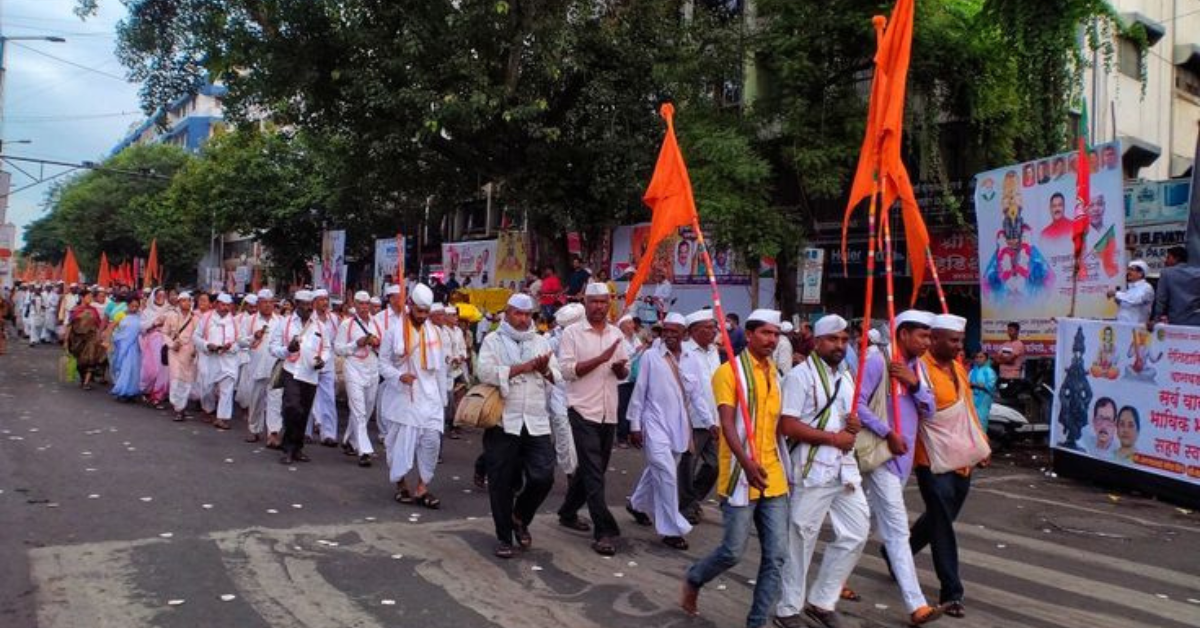
There is a sound that rises from the villages of Maharashtra every year as the first monsoon clouds gather. It is not thunder. It is the collective chant of "Vitthal Vitthal Jai Hari Vitthal" — a million voices walking together, their feet beating a rhythm against the wet earth.
This is the Pandharpur Wari — the world's largest annual walking pilgrimage. For over 800 years, millions of devotees — known as Warkaris — have undertaken this sacred journey to the town of Pandharpur, home to Lord Vitthal, a form of Vishnu who stands patiently on a brick, waiting for His devotees.
The Wari is not just a pilgrimage. It is a moving city of faith, a living tradition that breaks all barriers of caste, class, and creed. It is a testament to the enduring power of Bhakti — devotion — as taught by the saint-poets of Maharashtra: Dnyaneshwar, Tukaram, Namdev, Eknath, and others who walked this path centuries ago.
This guide takes you deep into the heart of the Pandharpur Wari — its history, its route, its daily rhythms, and the profound spirituality that keeps millions walking year after year.
प्रस्तावना
दरवर्षी जेव्हा पहिल्या पावसाच्या सरीा महाराष्ट्राच्या भूमीला भिजवतात, तेव्हा गावोगावी एक नाद उठतो. तो मेघगर्जनेचा नाही — तो आहे "विठ्ठल विठ्ठल जय हरी विठ्ठल" या नामजपाचा गजर. लाखो भाविक एकत्र चालतात, त्यांच्या पावलांची लय ओल्या मातीवर घुमते.
ही आहे पंढरपूर वारी — जगातील सर्वात मोठी वार्षिक पायी तीर्थयात्रा. ८०० वर्षांपासून लाखो भाविक — ज्यांना वारकरी म्हणतात — ही पवित्र यात्रा पंढरपूरला करतात, जो श्री विठ्ठलाचा निवासस्थान आहे. विठ्ठल हे भगवान विष्णूचे रूप आहेत, जे एका विटेवर उभे राहून आपल्या भक्तांची वाट पाहतात.
वारी ही केवळ तीर्थयात्रा नाही. ती एक गतिमान श्रद्धानगरी आहे, एक जिवंत परंपरा आहे जी जात, वर्ग आणि पंथाच्या सर्व भिंती तोडते. ही भक्तीच्या सामर्थ्याची साक्ष आहे — जशी संत-कवींनी शिकवली: ज्ञानेश्वर, तुकाराम, नामदेव, एकनाथ आणि इतर जे शतकांपूर्वी या मार्गावर चालले.
हा मार्गदर्शक तुम्हाला पंढरपूर वारीच्या गाभ्यात घेऊन जातो — तिचा इतिहास, मार्ग, दैनंदिन लय, आणि ती गहन अध्यात्म जी दरवर्षी लाखो लोकांना चालत ठेवते.
What is the Pandharpur Wari?
The Pandharpur Wari is an annual pilgrimage in which devotees — called Warkaris — walk on foot to the town of Pandharpur in Maharashtra, India, to seek the blessings of Lord Vitthal (Vithoba), a form of Vishnu worshipped in the Bhakti tradition.
The Wari culminates on Ashadhi Ekadashi, the 11th day of the bright fortnight in the Hindu month of Ashadha (June–July). This is considered one of the most sacred days in the Hindu calendar, believed to be the day Lord Vishnu enters cosmic sleep — Yoga Nidra — and marks the beginning of Chaturmas.
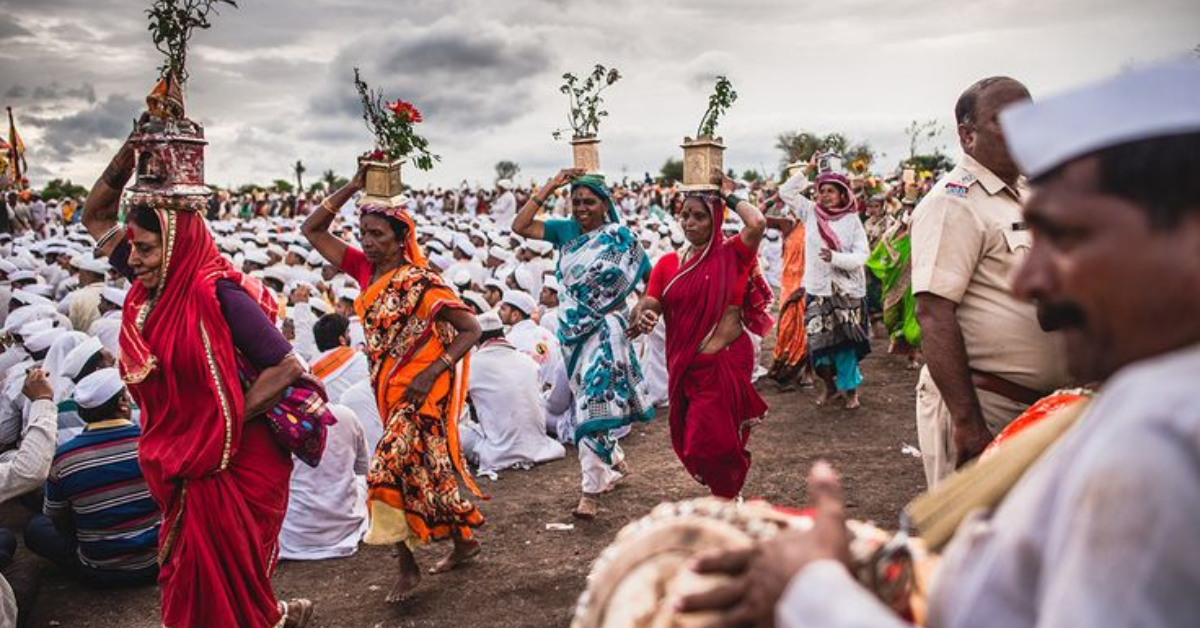
What makes the Wari extraordinary is not just its scale — over 10 to 15 lakh (1 to 1.5 million) participants each year — but its spirit. The pilgrimage is open to everyone, regardless of caste, creed, gender, or social status. Farmers walk alongside doctors. Children walk with grandparents. The rich and the poor share the same road, the same food, and the same chant.
The Wari is a moving community, a city on foot, where every participant is a Warkari — one who walks the War (path) of devotion.
The Warkari Tradition
The word Warkari comes from the Marathi words Wari (pilgrimage) and Kari (one who does). Warkaris follow the teachings of the Bhakti saints of Maharashtra, emphasizing Namasmaran (chanting God's name), equality, humility, simplicity, and selfless service.
The tradition is deeply egalitarian. There is no priestly class, no ritual hierarchy. The only requirement is a sincere heart and a willingness to walk.
पंढरपूर वारी म्हणजे काय?
पंढरपूर वारी ही एक वार्षिक तीर्थयात्रा आहे ज्यामध्ये भाविक — ज्यांना वारकरी म्हणतात — महाराष्ट्रातील पंढरपूर या पवित्र नगरीला पायी चालत जातात, श्री विठ्ठल यांचा आशीर्वाद मिळविण्यासाठी. विठ्ठल हे भगवान विष्णूचे एक रूप आहेत ज्यांची पूजा भक्ती परंपरेत केली जाते.
वारी आषाढी एकादशीला समाप्त होते — आषाढ महिन्याच्या शुक्ल पक्षाची ११वी तिथी (जून–जुलै). ही हिंदू कॅलेंडरमधील सर्वात पवित्र दिवसांपैकी एक मानली जाते, ज्या दिवशी भगवान विष्णू योगनिद्रा घेतात आणि चातुर्मास सुरू होतो.
वारीची विशेषता फक्त तिच्या आकारमानात नाही — दरवर्षी १० ते १५ लाख सहभागी — तर तिच्या भावनेत आहे. ही तीर्थयात्रा सर्वांसाठी खुली आहे, जात, पंथ, लिंग किंवा सामाजिक स्थितीचा भेद न करता. शेतकरी डॉक्टरांच्या शेजारी चालतात. मुले आजी-आजोबांसोबत चालतात. श्रीमंत आणि गरीब एकाच रस्त्यावर, एकाच अन्नाचा आस्वाद घेत, एकाच नामजपात मग्न होतात.
वारी ही एक गतिमान समुदाय आहे, पायी चालणारी नगरी आहे, जिथे प्रत्येक सहभागी वारकरी आहे — जो भक्तीच्या वारी (मार्ग) वर चालतो.
वारकरी परंपरा
वारकरी हा शब्द मराठी वारी (तीर्थयात्रा) आणि करी (करणारा) या शब्दांपासून आला आहे. वारकरी महाराष्ट्रातील भक्ती संतांच्या शिकवणींचे अनुसरण करतात, ज्यात नामस्मरण (ईश्वराच्या नावाचा जप), समानता, नम्रता, साधेपणा आणि निःस्वार्थ सेवा यावर भर आहे.
ही परंपरा अत्यंत समतावादी आहे. यात कोणताही पुरोहितवर्ग नाही, कोणतीही विधी-श्रेणी नाही. फक्त एक प्रामाणिक हृदय आणि चालण्याची इच्छा हीच अट आहे.
History & Origins of the Wari
The roots of the Pandharpur Wari go back over 800 years to the Bhakti movement of Maharashtra. The tradition was formalized by the great saint-poet Sant Dnyaneshwar Maharaj (1275–1296), who composed the Dnyaneshwari — a commentary on the Bhagavad Gita — and established the practice of carrying the Palkhi (palanquin) of the saints to Pandharpur.
However, the pilgrimage itself is even older. The story of Pundalik, a devotee whose service to his parents brought Lord Krishna to Pandharpur, is believed to date back thousands of years. Legend has it that Krishna, accompanied by Rukmini, came to visit Pundalik, who was busy serving his parents. The devotee threw a brick (Vit) for the Lord to stand on, and Krishna patiently waited. This image of Krishna standing on a brick became Lord Vitthal, and the town became Pandharpur.
The Wari tradition grew stronger with the contributions of later saints: Sant Tukaram Maharaj (17th century), who composed thousands of Abhangas; Sant Namdev, who travelled across India spreading the message of devotion; and Sant Eknath, who composed the Eknathi Bhagavata. Each of these saints walked to Pandharpur, and their Palkhis are now carried by devotees every year.
What began as a small group of devotees has now become the largest walking pilgrimage in the world.
वारीचा इतिहास आणि उगम
पंढरपूर वारीची मुळे ८०० वर्षांपूर्वी महाराष्ट्राच्या भक्ती चळवळीत जातात. या परंपरेला औपचारिक रूप संत ज्ञानेश्वर महाराज (१२७५–१२९६) यांनी दिले, ज्यांनी ज्ञानेश्वरी — भगवद्गीतेवरील टीका — लिहिली आणि संतांच्या पालख्या पंढरपूरला नेण्याची प्रथा सुरू केली.
तरीही, ही तीर्थयात्रा यापेक्षाही जुनी आहे. पुंडलिक या भक्ताची कथा, ज्याच्या पालकसेवेने भगवान कृष्णाला पंढरपूरला आणले, हजारो वर्षे जुनी मानली जाते. दंतकथेनुसार, कृष्ण रुक्मिणीसह पुंडलिकाला भेटायला आले, जो त्याच्या पालकांची सेवा करत होता. भक्ताने भगवानासाठी एक वीट फेकली आणि कृष्णाने संयमाने वाट पाहिली. विटेवर उभ्या असलेल्या कृष्णाची ही प्रतिमा श्री विठ्ठल बनली आणि ते नगर पंढरपूर म्हणून प्रसिद्ध झाले.
नंतरच्या संतांच्या योगदानामुळे वारी परंपरा अधिक मजबूत झाली: संत तुकाराम महाराज (१७वे शतक), ज्यांनी हजारो अभंग रचले; संत नामदेव, ज्यांनी संपूर्ण भारतात भक्तीचा संदेश पसरवला; आणि संत एकनाथ, ज्यांनी एकनाथी भागवत लिहिले. या प्रत्येक संताने पंढरपूरला पायी प्रवास केला, आणि त्यांच्या पालख्या आता दरवर्षी भाविक वाहून नेतात.
जी एक छोटीशी भक्तमंडळी होती, ती आज जगातील सर्वात मोठी पायी तीर्थयात्रा बनली आहे.
The Sacred Route
पवित्र मार्ग
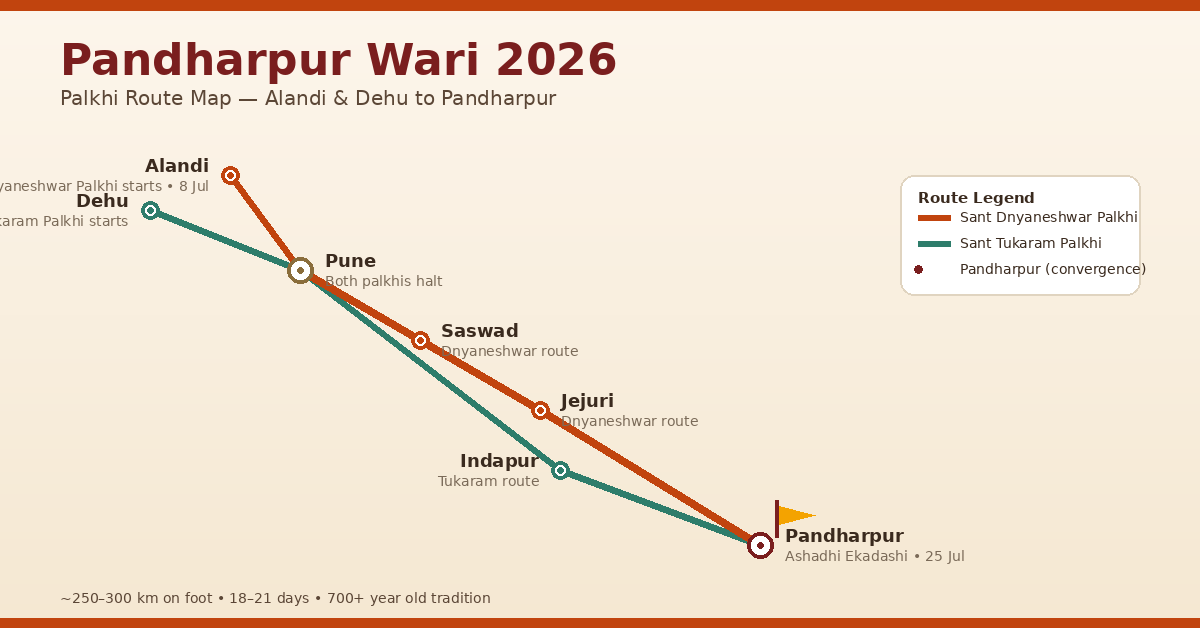
The Journey from Alandi to Pandharpurआळंदी ते पंढरपूर प्रवास
The Palkhis start from Alandi (Sant Dnyaneshwar) and Dehu (Sant Tukaram), covering over 250 km on foot over 18–21 days. पालख्या आळंदी (संत ज्ञानेश्वर) आणि देहू (संत तुकाराम) येथून सुरू होतात, २५० किमीहून अधिक अंतर १८–२१ दिवसांत पायी पार करतात.
Major Palkhis of the Wari
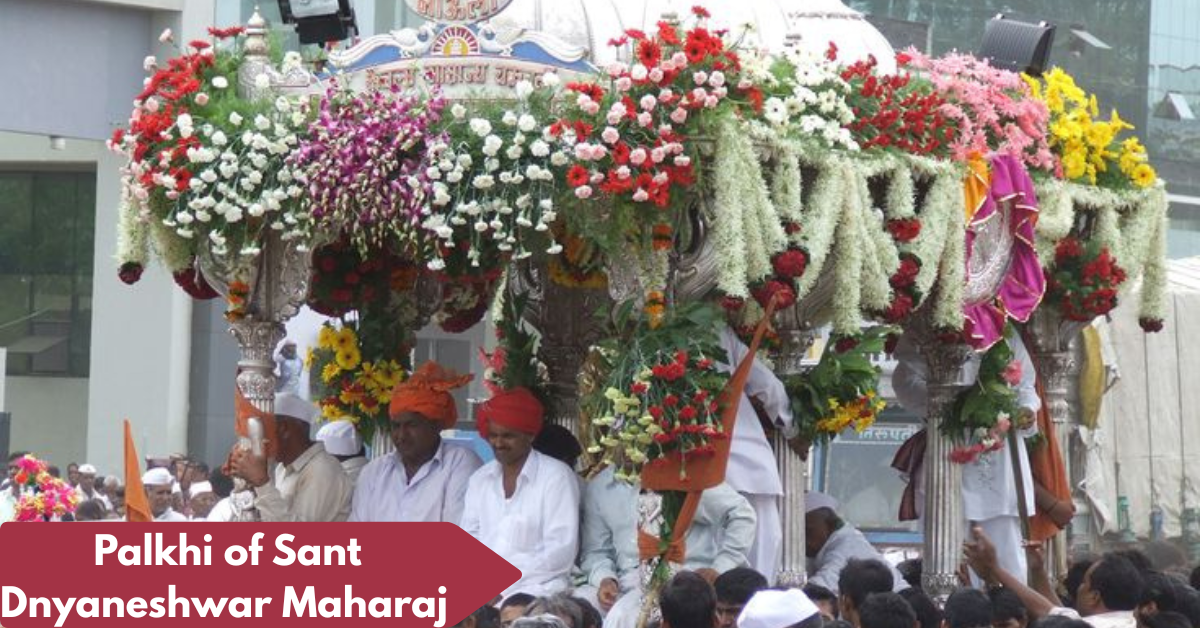
The Wari is led by the Palkhis (palanquins) of the saint-poets, which are carried by devotees from the saints' places of samadhi (resting place) to Pandharpur.
The two most important Palkhis are:
- Sant Dnyaneshwar Maharaj Palkhi — Starts from Alandi, near Pune. This is the oldest and most revered Palkhi, carrying the paduka (sandals) of the 13th-century saint.
- Sant Tukaram Maharaj Palkhi — Starts from Dehu, also near Pune. Tukaram was a 17th-century saint who composed thousands of Abhangas, many of which are sung during the Wari.
Other significant Palkhis include those of Sant Namdev, Sant Eknath, Sant Chokhamela (a Bhakti saint from the Dalit community), Sant Janabai, and Sant Savata Mali.
Each Palkhi has its own Dindi (group of devotees) that follows it, singing, dancing, and chanting all the way.
प्रमुख पालख्या
वारीचे नेतृत्व संत-कवींच्या पालख्या करतात, ज्या भाविक संतांच्या समाधीस्थानांवरून पंढरपूरला वाहून नेतात.
दोन सर्वात महत्त्वाच्या पालख्या आहेत:
- संत ज्ञानेश्वर महाराज पालखी — आळंदी येथून सुरू होते, पुण्याजवळ. ही सर्वात जुनी आणि आदरणीय पालखी आहे, ज्यात १३व्या शतकातील संतांच्या पादुका (चपला) असतात.
- संत तुकाराम महाराज पालखी — देहू येथून सुरू होते, पुण्याजवळ. तुकाराम हे १७व्या शतकातील संत होते ज्यांनी हजारो अभंग रचले, ज्यांपैकी अनेक वारीत गायले जातात.
इतर महत्त्वाच्या पालख्यांमध्ये संत नामदेव, संत एकनाथ, संत चोखामेळा (दलित समाजातील भक्ती संत), संत जनाबाई आणि संत सावता माळी यांचा समावेश आहे.
प्रत्येक पालखीची स्वतःची दिंडी (भाविकांचा समूह) असते जी तिच्या मागे चालते, गात, नाचत आणि नामजप करत.
What is a Dindi?
A Dindi (also spelled Dindi) is a group of Warkaris who walk together, sing together, and support each other throughout the pilgrimage. Each Dindi is like a family — a micro-community within the larger Wari.
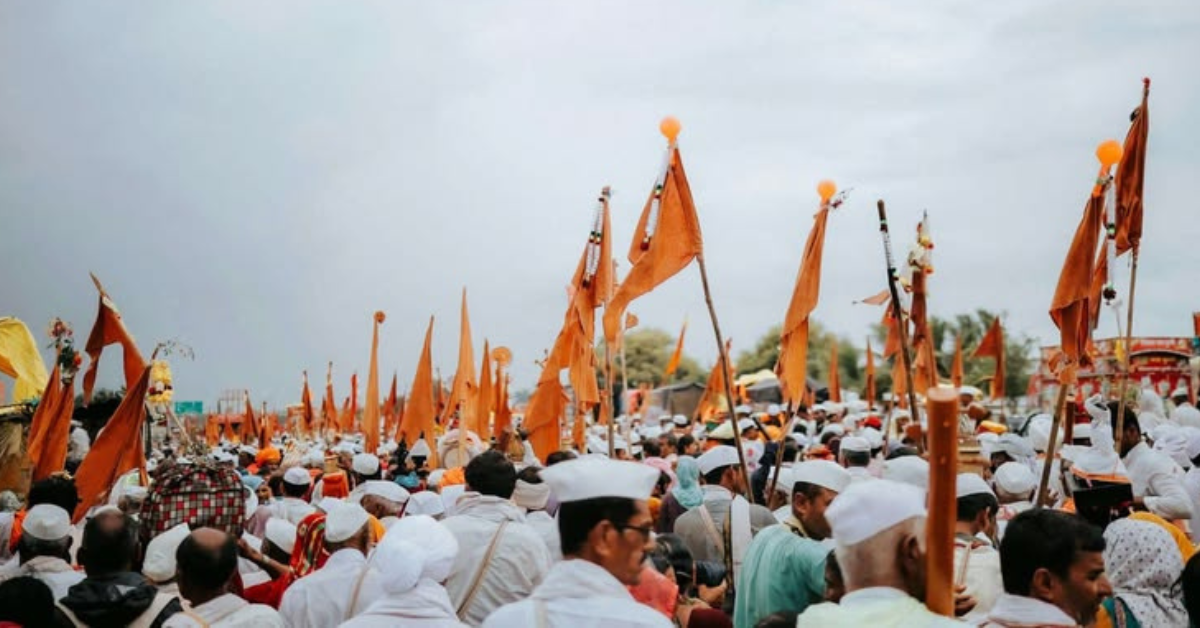
Dindis are usually formed by people from the same village or neighbourhood. They carry their own saffron flag, which is a symbol of their group. The leader of a Dindi is called the Dindipati, who coordinates the group's singing, walking rhythm, and daily rituals.
Within a Dindi, there is a sense of profound belonging. Members share food, water, and shelter. They take care of the elderly and the sick. They celebrate together and mourn together. The Dindi is not just a group — it is a family bound by shared faith.
As the Wari progresses, Dindis merge with other Dindis, forming larger and larger groups until the entire road becomes a single flowing river of devotion.
दिंडी म्हणजे काय?
दिंडी हा वारकऱ्यांचा एक समूह आहे जो एकत्र चालतो, एकत्र गातो आणि संपूर्ण यात्रेत एकमेकांना आधार देतो. प्रत्येक दिंडी एक कुटुंबासारखी असते — मोठ्या वारीतील एक सूक्ष्म समुदाय.
दिंडी सहसा एकाच गावातील किंवा परिसरातील लोक बनवतात. ते स्वतःचा भगवा ध्वज बाळगतात, जो त्यांच्या गटाचे प्रतीक आहे. दिंडीचा नेता दिंडीपती असतो, जो गटाचे गाणे, चालण्याची लय आणि दैनंदिन विधी समन्वयित करतो.
दिंडीत आपुलकीची खोल भावना असते. सदस्य अन्न, पाणी आणि निवारा वाटून घेतात. ते वृद्ध आणि आजारी लोकांची काळजी घेतात. ते एकत्र साजरे करतात आणि एकत्र शोक करतात. दिंडी ही केवळ एक समूह नाही — ती सामायिक श्रद्धेने बांधलेले कुटुंब आहे.
जसजशी वारी पुढे सरकते, तसतशी दिंड्या इतर दिंड्यांशी विलीन होतात, मोठे आणि मोठे समूह बनतात, जोपर्यंत संपूर्ण रस्ता भक्तीची एक प्रवाही नदी बनत नाही.
A Day in the Wari
Life in the Wari follows a rhythm that has remained unchanged for centuries. Each day is a cycle of devotion, discipline, and community.
4:00 AM — Wake Up & Bath
Before dawn, the Warkaris wake up. They bathe in rivers or at roadside water taps, chanting the name of Vitthal. The day begins with purity.
5:00 AM — Morning Prayers
The Prabhat Pheri (morning round) begins. Devotees gather around the Palkhi for prayers. The Abhangas of Dnyaneshwar and Tukaram are sung as the sun rises.
6:00 AM — Start Walking
The Wari resumes its march. The Palkhi is carried forward, and the Dindis follow. The road fills with the sound of cymbals, mridangam, and the collective chant of "Vitthal Vitthal."
12:00 PM — Midday Rest (Seva)
During the hottest hours, the Wari stops. Devotees rest under trees or in temporary shelters. Community kitchens — called Mahaprasad — serve free meals to all, regardless of who they are.
4:00 PM — Resume Walking
The walk resumes in the cooler afternoon. Devotees continue singing, dancing, and chanting. The atmosphere is joyful and energetic.
8:00 PM — Night Halt
The Wari stops for the night at a designated village or town. Evening prayers are held. Devotees share stories, sing Bhajans, and rest before the next day's journey.
10:00 PM — Rest
After a long day, the Warkaris sleep under the open sky, wrapped in blankets. The chant of Vitthal lingers in the air as they drift into sleep.
वारीतला एक दिवस
वारीतील जीवन शतकानुशतके अपरिवर्तित राहिलेल्या लयीत चालते. प्रत्येक दिवस हा भक्ती, शिस्त आणि समुदायाचे चक्र आहे.
४:०० — उठणे आणि स्नान
पहाटेपूर्वी वारकरी उठतात. ते नद्यांमध्ये किंवा रस्त्याच्या कडेला असलेल्या नळांवर स्नान करतात, विठ्ठलाचे नामस्मरण करतात. दिवस शुद्धतेने सुरू होतो.
५:०० — सकाळची प्रार्थना
प्रभात फेरी (सकाळची फेरी) सुरू होते. भाविक पालखीभोवती प्रार्थनेसाठी जमतात. सूर्योदयासह ज्ञानेश्वर आणि तुकारामांचे अभंग गायले जातात.
६:०० — प्रवास सुरू
वारी पुन्हा मार्गस्थ होते. पालखी पुढे नेली जाते आणि दिंड्या तिच्या मागे चालतात. रस्ता झांजा, मृदंग आणि "विठ्ठल विठ्ठल" च्या सामूहिक नामजपाने गजबजतो.
१२:०० — दुपारची विश्रांती (सेवा)
सर्वात उष्ण तासांत वारी थांबते. भाविक झाडाखाली किंवा तात्पुरत्या आश्रयस्थानांत विश्रांती घेतात. सामुदायिक स्वयंपाकघरे — ज्यांना महाप्रसाद म्हणतात — सर्वांना विनामूल्य जेवण देतात, ते कोणीही असले तरी.
४:०० — प्रवास पुन्हा सुरू
थंडगार दुपारी प्रवास पुन्हा सुरू होतो. भाविक गाणे, नाचणे आणि नामजप सुरू ठेवतात. वातावरण आनंदी आणि उत्साही असते.
८:०० — रात्र विश्रांती
वारी नियोजित गावात किंवा शहरात रात्रीसाठी थांबते. संध्याकाळची प्रार्थना होते. भाविक कथा सांगतात, भजन गातात आणि दुसऱ्या दिवसाच्या प्रवासापूर्वी विश्रांती घेतात.
१०:०० — विश्रांती
दीर्घ दिवसानंतर, वारकरी उघड्या आकाशाखाली ब्लँकेट गुंडाळून झोपतात. ते झोपेत जात असताना विठ्ठलाचा नामजप हवेत घुमत राहतो.
Spiritual Significance of the Wari
The Pandharpur Wari is not just a physical journey — it is a profound spiritual practice that transforms the participant from within.
Equality — The Great Leveller
In the Wari, there is no rich or poor, no high or low. Everyone walks the same path, eats the same food, and chants the same name. The Wari is a powerful rejection of caste and class hierarchies.
Namasmaran — The Power of Chanting
The continuous chant of "Vitthal Vitthal" is central to the Wari. This Namasmaran (remembrance of the Name) purifies the mind, creates inner peace, and connects the devotee to the Divine.
Seva — Selfless Service
Service is the heart of the Wari. Volunteers cook, clean, and care for fellow pilgrims. This Seva is considered a form of worship.
Discipline & Simplicity
The Wari demands physical endurance and mental discipline. Walking for weeks, sleeping under the sky, and eating simple food teaches detachment and humility.
Community & Belonging
The Wari is a living community. The shared experience creates bonds that last a lifetime. Many Warkaris describe the Wari as a homecoming — a return to their true self.
As the Warkari saint Tukaram said: "He who walks with a pure heart, chanting Vitthal's name, is never alone. The Lord walks beside him, every step of the way."
वारीचे आध्यात्मिक महत्त्व
पंढरपूर वारी ही केवळ शारीरिक यात्रा नाही — ती एक गहन आध्यात्मिक साधना आहे जी सहभागीला आतून बदलते.
समानता — महान समताकारक
वारीत श्रीमंत-गरीब, उच्च-नीच नाही. प्रत्येकजण एकाच मार्गाने चालतो, एकाच अन्नाचा आस्वाद घेतो आणि एकाच नामाचा जप करतो. वारी ही जात आणि वर्गीय श्रेणींचा जोरदार नकार आहे.
नामस्मरण — नामाचे सामर्थ्य
"विठ्ठल विठ्ठल" चा सतत जप हा वारीचा केंद्रबिंदू आहे. हे नामस्मरण मन शुद्ध करते, आंतरिक शांती निर्माण करते आणि भक्ताला दैवीशी जोडते.
सेवा — निःस्वार्थ सेवा
सेवा ही वारीचे हृदय आहे. स्वयंसेवक सहप्रवाशांसाठी स्वयंपाक, साफसफाई आणि काळजी घेतात. ही सेवा पूजेचाच एक प्रकार मानली जाते.
शिस्त आणि साधेपणा
वारी शारीरिक सहनशक्ती आणि मानसिक शिस्तीची मागणी करते. आठवडे चालणे, उघड्या आकाशाखाली झोपणे आणि साधे अन्न खाणे हे अपारताया आणि नम्रतेचे शिक्षण देते.
समुदाय आणि आपुलकी
वारी हा एक जिवंत समुदाय आहे. सामायिक अनुभव आयुष्यभर टिकणारे बंध निर्माण करतात. अनेक वारकरी वारीला घरी परतणे म्हणतात — स्वतःच्या खऱ्या रूपाकडे परतणे.
जसे वारकरी संत तुकाराम म्हणतात: "जो शुद्ध हृदयाने चालतो, विठ्ठलाचे नामस्मरण करतो, तो कधीही एकटा नसतो. भगवान त्याच्या शेजारी चालतो, प्रत्येक पाऊल."
The Pandharpur Wari is recognized as one of the largest annual walking pilgrimages in the world, attracting over 10–15 lakh (1 to 1.5 million) participants every year. It is often called the "Kumbh Mela of Maharashtra."
पंढरपूर वारी ही जगातील सर्वात मोठ्या वार्षिक पायी तीर्थयात्रांपैकी एक मानली जाते, जी दरवर्षी १०–१५ लाख सहभागींना आकर्षित करते. तिला अनेकदा "महाराष्ट्राचा कुंभमेळा" असेही म्हणतात.
Interesting Facts About the Pandharpur Wari
पंढरपूर वारीबद्दल मनोरंजक तथ्ये
Travel Tips for Pilgrimsतीर्थयात्रींसाठी टिप्स
- Start training 2–3 weeks before the Wari with daily walks of 5–10 km.
- वारीपूर्वी २–३ आठवडे दररोज ५–१० किमी चालण्याचा सराव करा.
- Wear lightweight, breathable clothing — preferably cotton or khadi.
- हलके, हवेशीर कपडे घाला — शक्यतो सूती किंवा खादी.
- Carry a raincoat or umbrella — the Wari coincides with the monsoon.
- रेनकोट किंवा छत्री सोबत ठेवा — वारी पावसाळ्यात असते.
- Wear comfortable walking shoes or sandals that can handle wet conditions.
- आरामदायी चालण्याचे शूज किंवा चप्पल घाला जी ओल्या परिस्थितीत चालेल.
- Carry essential medicines and a small first-aid kit.
- आवश्यक औषधे आणि एक लहान प्रथमोपचार किट सोबत ठेवा.
- Stay hydrated — drink plenty of water and coconut water.
- हायड्रेटेड राहा — भरपूर पाणी आणि नारळ पाणी प्या.
- Join a Dindi — walking with a group is safer and more enriching.
- दिंडीत सामील व्हा — गटात चालणे अधिक सुरक्षित आणि समृद्ध आहे.
- Respect the discipline — follow the rules of the Wari and avoid alcohol or non-vegetarian food.
- शिस्त राखा — वारीच्या नियमांचे पालन करा आणि दारू किंवा मांसाहार टाळा.
Frequently Asked Questions
वारंवार विचारले जाणारे प्रश्न
The Pandharpur Wari is the world's largest annual walking pilgrimage. Millions of devotees, called Warkaris, walk to Pandharpur in Maharashtra to seek the blessings of Lord Vitthal on Ashadhi Ekadashi.
पंढरपूर वारी ही जगातील सर्वात मोठी वार्षिक पायी तीर्थयात्रा आहे. लाखो भाविक, ज्यांना वारकरी म्हणतात, आषाढी एकादशीला श्री विठ्ठलाचा आशीर्वाद मिळविण्यासाठी पंढरपूरला चालत जातात.
The Wari takes place every year during the Hindu month of Ashadha (June–July), culminating on Ashadhi Ekadashi. The Palkhis start from Alandi and Dehu about 18–21 days before Ekadashi.
वारी दरवर्षी आषाढ महिन्यात (जून–जुलै) होते, आषाढी एकादशीला समाप्त होते. पालख्या एकादशीच्या १८–२१ दिवस आधी आळंदी आणि देहू येथून सुरू होतात.
The total distance from Alandi (Sant Dnyaneshwar's Palkhi) to Pandharpur is approximately 250 km. The journey takes 18–21 days on foot.
आळंदी (संत ज्ञानेश्वर पालखी) ते पंढरपूर हे अंतर सुमारे २५० किमी आहे. हा प्रवास पायी १८–२१ दिवस चालतो.
Anyone can participate in the Wari, regardless of caste, creed, gender, or religion. The Wari is open to all who wish to walk with devotion and sincerity.
कोणीही वारीत सहभागी होऊ शकतो, जात, पंथ, लिंग किंवा धर्माचा भेद न करता. वारी सर्वांसाठी खुली आहे जे श्रद्धा आणि प्रामाणिकपणे चालू इच्छितात.
A Dindi is a group of Warkaris who walk together, sing together, and support each other throughout the pilgrimage. Each Dindi is like a family and is led by a Dindipati.
दिंडी म्हणजे वारकऱ्यांचा एक समूह जो एकत्र चालतो, एकत्र गातो आणि संपूर्ण यात्रेत एकमेकांना आधार देतो. प्रत्येक दिंडी कुटुंबासारखी असते आणि तिचे नेतृत्व दिंडीपती करतो.
Lord Vitthal is depicted standing on a brick with both hands on His waist. This posture symbolizes patience, compassion, and the Lord's willingness to wait for His devotees, as He waited for Pundalik.
श्री विठ्ठल एका विटेवर उभे असून दोन्ही हात कंबरीवर आहेत. ही मुद्रा संयम, करुणा आणि भक्तांसाठी थांबण्याची इच्छा दर्शवते, जसे त्यांनी पुंडलिकासाठी वाट पाहिली.
The Wari serves vegetarian, satvik food — simple meals like rice, dal, vegetables, and bhakri. Mahaprasad community kitchens provide free meals to all pilgrims.
वारीत शाकाहारी, सात्विक अन्न दिले जाते — साधे जेवण जसे भात, डाळ, भाजी आणि भाकरी. महाप्रसाद सामुदायिक स्वयंपाकघरे सर्व यात्रेकरूंना विनामूल्य जेवण देतात.
The Wari is associated with numerous Bhakti saints, including Sant Dnyaneshwar Maharaj, Sant Tukaram Maharaj, Sant Namdev, Sant Eknath, Sant Chokhamela, Sant Janabai, and Sant Savata Mali.
वारी अनेक भक्ती संतांशी संबंधित आहे, ज्यात संत ज्ञानेश्वर महाराज, संत तुकाराम महाराज, संत नामदेव, संत एकनाथ, संत चोखामेळा, संत जनाबाई आणि संत सावता माळी यांचा समावेश आहे.
Conclusion
The Pandharpur Wari is more than a pilgrimage — it is a living embodiment of the Bhakti tradition. It is a testament to the power of faith, equality, and community. For over 800 years, the Wari has continued uninterrupted, surviving invasions, famines, and political changes. It remains one of the most powerful expressions of collective devotion in the world.
Whether you walk the entire distance or simply witness the procession, the Wari leaves an indelible mark on the soul. It reminds us that true spirituality is not about rituals alone, but about love, humility, and service.
As the chants of "Vitthal Vitthal Jai Hari Vitthal" echo through the streets of Pandharpur, they carry with them the hopes, prayers, and devotion of millions. The Wari is not just a journey to Pandharpur — it is a journey to the heart.
समारोप
पंढरपूर वारी ही केवळ तीर्थयात्रा नाही — ती भक्ती परंपरेचे एक जिवंत प्रतीक आहे. श्रद्धा, समानता आणि समुदायाच्या सामर्थ्याची ही साक्ष आहे. ८०० वर्षांहून अधिक काळ वारी अखंडितपणे सुरू आहे, आक्रमणे, दुष्काळ आणि राजकीय बदलांना तोंड देत. ती जगातील सामूहिक भक्तीच्या सर्वात सशक्त अभिव्यक्तींपैकी एक आहे.
तुम्ही संपूर्ण अंतर चाला किंवा फक्त मिरवणूक पाहा, वारी आत्म्यावर अमिट छाप सोडते. ती आपल्याला आठवण करून देते की खरी अध्यात्म ही केवळ विधी नाही, तर प्रेम, नम्रता आणि सेवा आहे.
"विठ्ठल विठ्ठल जय हरी विठ्ठल" चा नामजप पंढरपूरच्या रस्त्यांनी घुमतो, तो लाखो लोकांच्या आशा, प्रार्थना आणि भक्तीला घेऊन जातो. वारी ही केवळ पंढरपूरची यात्रा नाही — ती अंतरंगाची यात्रा आहे.
Walk the Path of the Saintsसंतांच्या पावलावर चाला
Ready to experience the Pandharpur Wari? Plan your pilgrimage, join a Dindi, and walk with millions in devotion. Every step is a prayer.
पंढरपूर वारीचा अनुभव घ्यायला तयार आहात? तुमच्या यात्रेची योजना करा, दिंडीत सामील व्हा आणि लाखो लोकांसह भक्तीत चाला. प्रत्येक पाऊल ही प्रार्थना आहे.
Explore the Wari Journey वारी प्रवास पाहा