Introduction
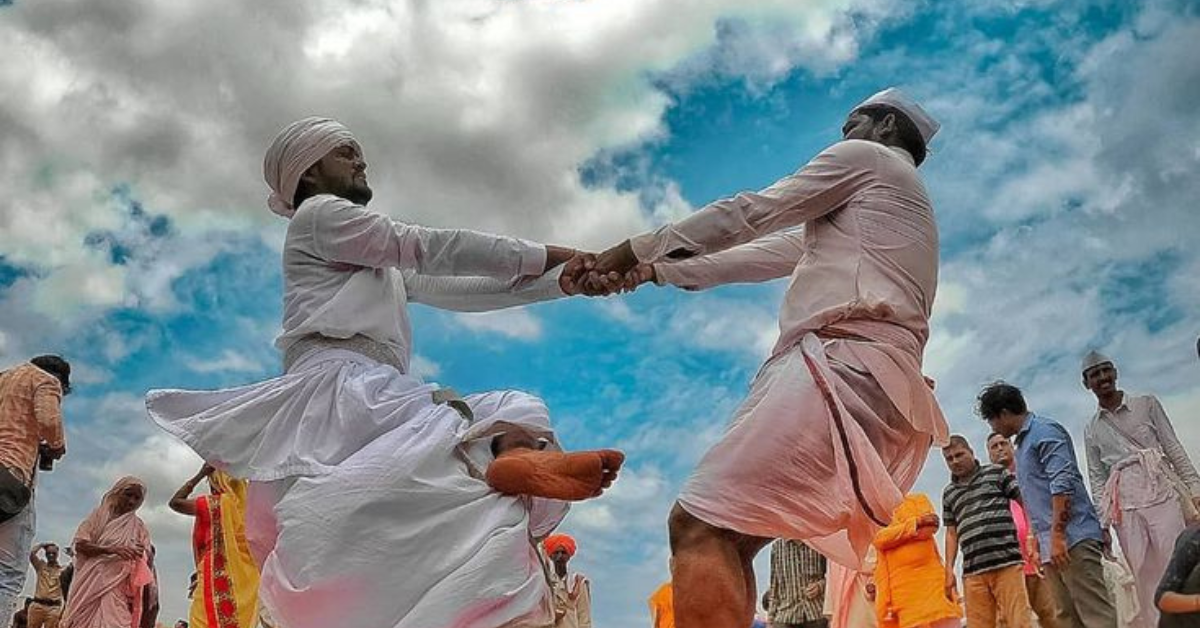
There is a figure that appears on the dusty roads of Maharashtra every monsoon — draped in a simple white cloth, a saffron flag in hand, feet calloused from walking, eyes fixed on a distant temple. This is a Warkari.
In the heart of Maharashtra's spiritual landscape, the Warkari tradition stands as one of the most profound expressions of Bhakti (devotion) in India. Unlike many religious traditions that emphasize rituals and priestly hierarchies, the Warkari path is refreshingly simple: chant the name of God, serve others, and walk — walk towards Pandharpur, the sacred abode of Lord Vitthal.
But who exactly are these walking devotees? What drives millions of people — from farmers to doctors, children to the elderly — to leave their homes and walk hundreds of kilometres on foot every year?
This comprehensive guide explores the Warkari tradition in its entirety — its history, beliefs, daily life, symbols, and the profound spiritual philosophy that has sustained it for over 800 years. Whether you are a student of Indian culture, a traveller planning to witness the Pandharpur Wari, or simply someone curious about this remarkable tradition, this article will take you on a journey into the soul of Maharashtra.
प्रस्तावना
दरवर्षी पावसाळ्यात महाराष्ट्राच्या धुळीच्या रस्त्यांवर एक आकृती दिसते — साध्या पांढऱ्या कापडात गुंडाळलेली, हातात भगवा ध्वज, चालण्याने कठीण झालेले पाय, दूरच्या मंदिराकडे लागलेले डोळे. हा आहे वारकरी.
महाराष्ट्राच्या आध्यात्मिक भूमीच्या मध्यभागी, वारकरी परंपरा ही भक्तीच्या सर्वात सखोल अभिव्यक्तींपैकी एक आहे. विधी आणि पुरोहितवर्गाला महत्त्व देणाऱ्या अनेक धार्मिक परंपरांच्या विपरीत, वारकरी मार्ग अत्यंत सोपा आहे: ईश्वराचे नामस्मरण करा, इतरांची सेवा करा आणि चाला — पंढरपूरकडे चाला, श्री विठ्ठलाचे पवित्र निवासस्थान.
पण हे पायी भक्त कोण आहेत? शेतकरी असोत, डॉक्टर असोत, मुले असोत किंवा वृद्ध — लाखो लोकांना दरवर्षी त्यांची घरे सोडून शेकडो किलोमीटर चालायला काय प्रवृत्त करते?
हा सर्वसमावेशक मार्गदर्शक वारकरी परंपरेची संपूर्ण माहिती देतो — तिचा इतिहास, श्रद्धा, दैनंदिन जीवन, प्रतीके आणि ८०० वर्षांहून अधिक काळ टिकलेली ती गहन आध्यात्मिक तत्त्वज्ञान. तुम्ही भारतीय संस्कृतीचा विद्यार्थी असाल, पंढरपूर वारी पाहण्यासाठी जाणारा प्रवासी असाल किंवा या उल्लेखनीय परंपरेबद्दल उत्सुक असाल, हा लेख तुम्हाला महाराष्ट्राच्या आत्म्याच्या प्रवासावर घेऊन जाईल.
Who are Warkaris?
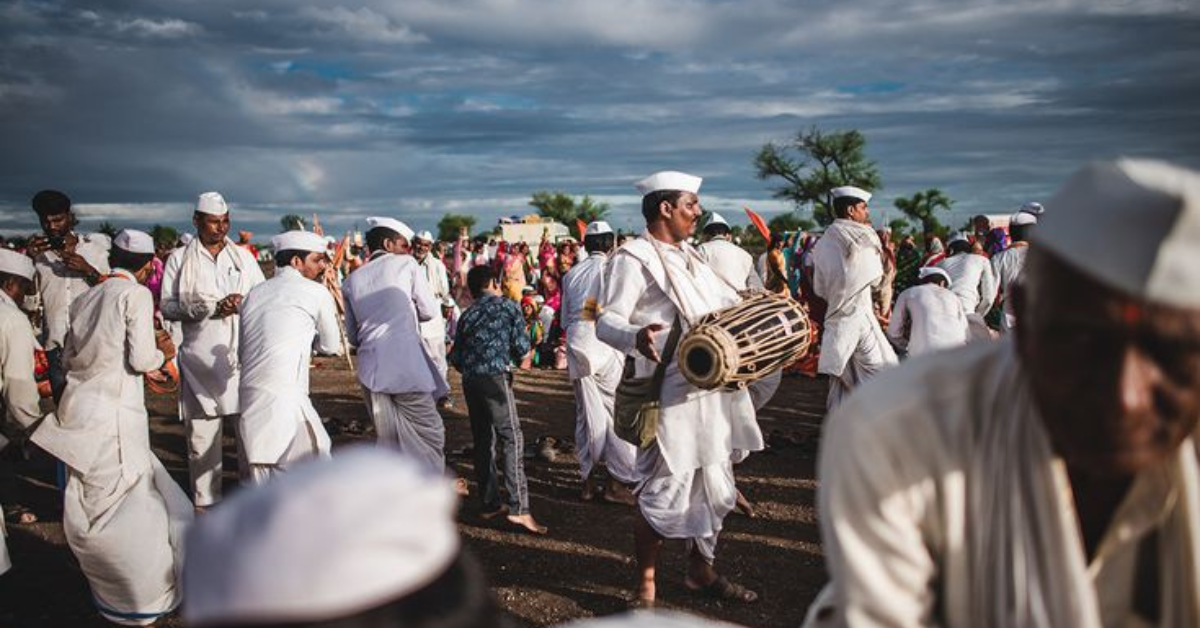
A Warkari is a devotee of Lord Vitthal (also known as Vithoba or Panduranga), who follows the teachings of the Bhakti saints of Maharashtra and undertakes the annual pilgrimage (Wari) to Pandharpur on Ashadhi Ekadashi.
But to define a Warkari merely as a pilgrim would be incomplete. A Warkari is:
- A walking devotee — one who walks the path of devotion, quite literally.
- A Bhakta — someone who practices Bhakti (devotion) through Namasmaran (chanting God's name).
- A disciple of the saints — following the teachings of Dnyaneshwar, Tukaram, Namdev, Eknath, Chokhamela, and Janabai.
- A practitioner of equality — rejecting caste, class, and gender discrimination.
- A server — engaging in Seva (selfless service) as a form of worship.
What Makes a Warkari?
Not everyone who walks to Pandharpur is a Warkari. The tradition is defined by a specific worldview and way of life. A Warkari:
- Worships Vitthal as the supreme deity.
- Observes the Varkari Vrata (code of conduct) — vegetarianism, abstinence from alcohol, truthfulness, compassion.
- Recites the Abhangas (devotional songs) of the saints.
- Participates in the Dindi (group pilgrimage) at least once in their lifetime, ideally every year.
- Lives a life of simplicity, humility, and service.
In essence, a Warkari is not defined by birth or caste but by choice — a choice to walk the path of devotion.
वारकरी कोण आहेत?
वारकरी म्हणजे श्री विठ्ठलाचा भक्त (ज्यांना विठोबा किंवा पांडुरंग असेही म्हणतात), जो महाराष्ट्राच्या भक्ती संतांच्या शिकवणींचे अनुसरण करतो आणि आषाढी एकादशीला पंढरपूरची वार्षिक तीर्थयात्रा (वारी) करतो.
परंतु वारकरीला केवळ तीर्थयात्री म्हणणे अपूर्ण असेल. वारकरी हा:
- एक पायी भक्त — जो भक्तीच्या मार्गावर अक्षरशः चालतो.
- एक भक्त — जो नामस्मरण (ईश्वराच्या नावाचा जप) या माध्यमातून भक्ती करतो.
- संतांचा शिष्य — जो ज्ञानेश्वर, तुकाराम, नामदेव, एकनाथ, चोखामेळा आणि जनाबाई यांच्या शिकवणींचे अनुसरण करतो.
- समानतेचा पुरस्कर्ता — जो जात, वर्ग आणि लिंग भेदभावाला नकार देतो.
- एक सेवक — जो सेवा (निःस्वार्थ सेवा) ही पूजा मानतो.
वारकरी कसा बनतो?
पंढरपूरला चालणारी प्रत्येक व्यक्ती वारकरी नसते. ही परंपरा एका विशिष्ट दृष्टिकोन आणि जीवनशैलीने परिभाषित केली जाते. वारकरी:
- विठ्ठलाला सर्वोच्च दैवत मानतो.
- वारकरी व्रत (आचार संहिता) पाळतो — शाकाहार, मद्यपान निषेध, सत्यता, करुणा.
- संतांचे अभंग (भक्तिगीते) म्हणतो.
- आयुष्यात किमान एकदा तरी दिंडीत (सामूहिक तीर्थयात्रेत) सहभागी होतो, शक्यतो दरवर्षी.
- साधेपणा, नम्रता आणि सेवेचे जीवन जगतो.
थोडक्यात, वारकरी हा जन्म किंवा जातीने नव्हे तर निवडीने — भक्तीचा मार्ग चालण्याच्या निवडीने — ओळखला जातो.
The Meaning Behind the Name
The word Warkari is derived from two Marathi words:
- Wari — meaning a pilgrimage or a journey.
- Kari — meaning one who does or one who performs.
Together, Warkari means "one who undertakes the pilgrimage" — literally, "the one who walks the Wari."
But the name carries a deeper philosophical meaning. In the Warkari tradition, the journey is not merely physical. The Wari represents the journey of life itself — a constant movement towards the Divine. Every step taken towards Pandharpur is symbolic of a step taken towards spiritual awakening.
The Kari is not just an action but an identity. A Warkari is someone who does not merely talk about devotion but lives it. Every action — walking, singing, serving, eating — is infused with devotion.
Also Known As
- Varkari — the same term, with a different spelling.
- Vitthal Bhakta — devotee of Vitthal.
- Pandharpurkar — one who belongs to Pandharpur (in a spiritual sense).
नावाचा अर्थ
वारकरी हा शब्द दोन मराठी शब्दांपासून बनला आहे:
- वारी — म्हणजे तीर्थयात्रा किंवा प्रवास.
- करी — म्हणजे करणारा किंवा करणारी.
एकत्रितपणे, वारकरी म्हणजे "तीर्थयात्रा करणारा" — अक्षरशः, "वारी चालणारा."
परंतु या नावात एक गहन तात्त्विक अर्थ आहे. वारकरी परंपरेत, हा प्रवास केवळ शारीरिक नाही. वारी ही स्वतः जीवनाची यात्रा आहे — दैवीकडे एक सतत गती. पंढरपूरकडे टाकलेले प्रत्येक पाऊल हे आध्यात्मिक जागृतीकडे टाकलेल्या पावलाचे प्रतीक आहे.
करी ही केवळ क्रिया नाही तर एक ओळख आहे. वारकरी म्हणजे जो केवळ भक्तीबद्दल बोलत नाही तर ती जगतो. प्रत्येक कृती — चालणे, गाणे, सेवा करणे, खाणे — भक्तीने भरलेली असते.
इतर नावे
- वारकरी — हाच शब्द, वेगळ्या स्पेलिंगमध्ये.
- विठ्ठल भक्त — विठ्ठलाचा भक्त.
- पंढरपूरकर — जो आध्यात्मिकदृष्ट्या पंढरपूरचा आहे.
Origins and History of the Warkari Tradition
The Bhakti Movement in Maharashtra
The Warkari tradition emerged during the Bhakti movement that swept across India between the 12th and 17th centuries. Unlike the ritual-dominated Vedic religion, the Bhakti movement emphasized personal devotion to a chosen deity, accessible to all regardless of caste or gender.
In Maharashtra, the Bhakti movement found its most powerful expression through the Warkari tradition, centred on the deity Vitthal in Pandharpur.
Sant Dnyaneshwar (1275–1296)
The earliest and most revered figure in the Warkari tradition is Sant Dnyaneshwar Maharaj. Born in Alandi, he composed the Dnyaneshwari — a Marathi commentary on the Bhagavad Gita — which made the profound philosophical teachings of the Gita accessible to ordinary people.
Dnyaneshwar is credited with establishing the tradition of carrying the Palkhi (palanquin) of the saints to Pandharpur. He walked to Pandharpur himself and inspired others to do the same.
Sant Namdev (1270–1350)
A contemporary of Dnyaneshwar, Sant Namdev was a tailor by profession who became one of the most prolific composers of Abhangas. He travelled across India, spreading the message of devotion and equality. His hymns remain central to the Warkari tradition.
Sant Eknath (1533–1599)
Sant Eknath revitalized the Warkari tradition in the 16th century. He composed the Eknathi Bhagavata — a Marathi commentary on the Bhagavata Purana — and wrote thousands of Abhangas. Eknath emphasized the importance of living a righteous life while maintaining devotion.
Sant Tukaram (1608–1650)
The most beloved saint of the Warkari tradition, Sant Tukaram Maharaj, was a farmer and grocer from Dehu. He composed over 4,600 Abhangas, which are sung with devotion across Maharashtra. His teachings emphasized simplicity, humility, and constant remembrance of God's name.
Sant Chokhamela and Sant Janabai
The Warkari tradition is also remarkable for its inclusion of saints from marginalized communities. Sant Chokhamela was a Dalit saint who faced discrimination but remained devoted to Vitthal. Sant Janabai was a woman and a servant who composed beautiful Abhangas. Both are deeply revered in the tradition.
वारकरी परंपरेचा उगम आणि इतिहास
महाराष्ट्रातील भक्ती चळवळ
वारकरी परंपरा १२व्या ते १७व्या शतकादरम्यान संपूर्ण भारतात पसरलेल्या भक्ती चळवळीत उदयास आली. विधी-प्रधान वैदिक धर्माच्या विपरीत, भक्ती चळवळीने निवडलेल्या दैवतावर वैयक्तिक भक्तीवर भर दिला, जो जात किंवा लिंगाचा भेद न करता सर्वांना सुलभ होता.
महाराष्ट्रात, भक्ती चळवळीला वारकरी परंपरेद्वारे सर्वात शक्तिशाली अभिव्यक्ती मिळाली, जी पंढरपूरमधील विठ्ठल दैवतावर केंद्रित होती.
संत ज्ञानेश्वर (१२७५–१२९६)
वारकरी परंपरेत सर्वात जुने आणि आदरणीय व्यक्तिमत्त्व म्हणजे संत ज्ञानेश्वर महाराज. आळंदीत जन्मलेल्या त्यांनी ज्ञानेश्वरी — भगवद्गीतेवरील मराठी टीका — लिहिली, ज्यामुळे गीतेची गहन तात्त्विक शिकवण सामान्य लोकांना सुलभ झाली.
ज्ञानेश्वरांनी संतांची पालखी पंढरपूरला नेण्याची परंपरा सुरू केल्याचे श्रेय त्यांना दिले जाते. ते स्वतः पंढरपूरला चालले आणि इतरांनाही असे करण्यास प्रेरित केले.
संत नामदेव (१२७०–१३५०)
ज्ञानेश्वरांचे समकालीन, संत नामदेव हे शिंपी होते जे अभंगांचे सर्वात प्रमुख रचनाकार बनले. त्यांनी संपूर्ण भारताचा प्रवास करून भक्ती आणि समानतेचा संदेश पसरवला. त्यांचे अभंग वारकरी परंपरेत केंद्रस्थानी आहेत.
संत एकनाथ (१५३३–१५९९)
संत एकनाथांनी १६व्या शतकात वारकरी परंपरेला पुनरुज्जीवित केले. त्यांनी एकनाथी भागवत — भागवत पुराणावरील मराठी टीका — लिहिली आणि हजारो अभंग रचले. एकनाथांनी भक्ती राखताना सदाचारी जीवन जगण्याच्या महत्त्वावर भर दिला.
संत तुकाराम (१६०८–१६५०)
वारकरी परंपरेतील सर्वात प्रिय संत, संत तुकाराम महाराज हे देहूचे शेतकरी आणि किराणा व्यापारी होते. त्यांनी ४,६०० हून अधिक अभंग रचले, जी संपूर्ण महाराष्ट्रात भक्तीने गायली जातात. त्यांच्या शिकवणींनी साधेपणा, नम्रता आणि ईश्वराच्या नामाच्या सतत स्मरणावर भर दिला.
संत चोखामेळा आणि संत जनाबाई
वारकरी परंपरा उपेक्षित समुदायातील संतांच्या समावेशासाठी देखील उल्लेखनीय आहे. संत चोखामेळा हे दलित संत होते ज्यांना भेदभावाला सामोरे जावे लागले परंतु ते विठ्ठलाशी भक्तीत राहिले. संत जनाबाई या एक महिला आणि नोकर होत्या ज्यांनी सुंदर अभंग रचले. दोघांचाही परंपरेत सखोल आदर केला जातो.
Evolution of the Warkari Traditionवारकरी परंपरेची उत्क्रांती
Core Beliefs and Values
1. Bhakti (Devotion)
At the heart of the Warkari tradition is Bhakti — intense, personal devotion to Lord Vitthal. Unlike dry intellectualism or ritualistic worship, Bhakti is emotional, experiential, and accessible to everyone.
2. Namasmaran (Chanting God's Name)
The practice of Namasmaran — chanting the name of God — is central to Warkari spirituality. The constant repetition of "Vitthal Vitthal" purifies the mind, creates inner peace, and connects the devotee to the Divine.
3. Equality (Samata)
The Warkari tradition is fiercely egalitarian. It rejects caste, class, and gender discrimination. In the Wari, everyone walks together, eats together, and chants together. The saints themselves came from different castes — Dnyaneshwar from a Brahmin family, Tukaram from a farmer caste, Chokhamela from a Dalit community, Janabai from a servant background.
4. Simplicity (Sauda)
Warkaris live simply. They wear simple clothes, eat simple food, and avoid ostentation. The tradition teaches that spiritual progress is hindered by material attachments.
5. Service (Seva)
Selfless service is considered a form of worship. During the Wari, volunteers cook, clean, and care for fellow pilgrims. This Seva is not seen as charity but as an expression of devotion.
6. Humility (Nimrata)
Arrogance has no place in the Warkari tradition. The saints taught that true devotion is marked by humility and a recognition of one's own limitations.
7. Community (Sangha)
The Warkari tradition is a community tradition. Devotees walk in Dindis, supporting each other, sharing resources, and creating a sense of belonging.
मूलभूत श्रद्धा आणि मूल्ये
१. भक्ती
वारकरी परंपरेचे हृदय भक्ती आहे — श्री विठ्ठलावर तीव्र, वैयक्तिक श्रद्धा. कोरड्या बौद्धिकतेच्या किंवा विधी-प्रधान पूजेच्या विपरीत, भक्ती ही भावनिक, अनुभवात्मक आणि सर्वांसाठी सुलभ आहे.
२. नामस्मरण
नामस्मरण — ईश्वराच्या नावाचा जप — हा वारकरी आध्यात्मिकतेचा केंद्रबिंदू आहे. "विठ्ठल विठ्ठल" ची सतत पुनरावृत्ती मन शुद्ध करते, आंतरिक शांती निर्माण करते आणि भक्ताला दैवीशी जोडते.
३. समानता
वारकरी परंपरा अत्यंत समतावादी आहे. ती जात, वर्ग आणि लिंग भेदभावास नकार देते. वारीत सर्व एकत्र चालतात, एकत्र खातात आणि एकत्र नामजप करतात. संत स्वतः वेगवेगळ्या जातींमधून आले — ज्ञानेश्वर ब्राह्मण कुटुंबातून, तुकाराम शेतकरी जातीतून, चोखामेळा दलित समाजातून, जनाबाई नोकर पार्श्वभूमीतून.
४. साधेपणा
वारकरी साधेपणाने जगतात. ते साधे कपडे घालतात, साधे अन्न खातात आणि दिखाऊपणा टाळतात. ही परंपरा शिकवते की भौतिक आसक्तींनी आध्यात्मिक प्रगतीला अडथळा येतो.
५. सेवा
निःस्वार्थ सेवा ही पूजेचाच एक प्रकार मानली जाते. वारीत, स्वयंसेवक स्वयंपाक, साफसफाई आणि सहप्रवाशांची काळजी घेतात. ही सेवा दान म्हणून नव्हे तर भक्तीची अभिव्यक्ती म्हणून पाहिली जाते.
६. नम्रता
वारकरी परंपरेत अहंकाराला स्थान नाही. संतांनी शिकवले की खरी भक्ती नम्रतेने आणि स्वतःच्या मर्यादांच्या ओळखीने ओळखली जाते.
७. समुदाय
वारकरी परंपरा ही समुदायाची परंपरा आहे. भाविक दिंडीत चालतात, एकमेकांना आधार देतात, संसाधने वाटून घेतात आणि आपुलकीची भावना निर्माण करतात.
Daily Life of a Warkari
Morning Routine
A Warkari's day begins early — often before sunrise. After bathing, they recite the Abhangas of the saints and perform Namasmaran. The day starts with purity and devotion.
Throughout the Day
- Work — Most Warkaris are farmers, labourers, or ordinary workers. They continue their daily work while keeping Vitthal in their minds.
- Prayer — The Abhangas are recited throughout the day, either individually or in groups.
- Community — Warkaris often gather in their villages for Bhajans (devotional singing) and Kirtans (narrative singing).
- Seva — Acts of service — helping neighbours, feeding the hungry, caring for the sick — are considered part of spiritual practice.
During the Wari
During the pilgrimage, the daily routine changes:
- 4:00 AM — Wake up, bath, morning prayers
- 5:00 AM — Prabhat Pheri (morning round) with singing
- 6:00 AM — Resume walking
- 12:00 PM — Midday rest; Mahaprasad (community meal)
- 4:00 PM — Resume walking
- 8:00 PM — Night halt; evening prayers
- 10:00 PM — Rest under the open sky
Dietary Practices
Warkaris are strictly vegetarian. They avoid alcohol, tobacco, and non-vegetarian food. During the pilgrimage, the food is simple and satvik — bhakri (millet bread), dal, vegetables, and chutney.
Festivals and Observances
- Ekadashi — The 11th day of the lunar fortnight is sacred. Many Warkaris observe a fast on Ekadashi.
- Ashadhi Ekadashi — The most important day, when the Wari culminates in Pandharpur.
- Kartiki Ekadashi — Another significant pilgrimage, though smaller in scale.
- Sant Jayantis — Birth anniversaries of the saints are celebrated with special gatherings and recitations.
वारकऱ्याचे दैनंदिन जीवन
सकाळची दिनचर्या
वारकऱ्याचा दिवस लवकर सुरू होतो — बहुतेकदा सूर्योदयापूर्वी. स्नानानंतर, ते संतांचे अभंग म्हणतात आणि नामस्मरण करतात. दिवस शुद्धता आणि भक्तीने सुरू होतो.
दिवसभर
- काम — बहुतेक वारकरी शेतकरी, कामगार किंवा सामान्य कामगार असतात. ते मनात विठ्ठल ठेवून आपले दैनंदिन काम करतात.
- प्रार्थना — अभंग दिवसभर म्हणले जातात, एकट्याने किंवा समूहात.
- समुदाय — वारकरी अनेकदा त्यांच्या गावात भजन आणि कीर्तन साठी जमतात.
- सेवा — सेवेची कृती — शेजाऱ्यांना मदत करणे, भुकेल्यांना अन्न देणे, आजारी लोकांची काळजी घेणे — आध्यात्मिक साधनेचा भाग मानली जाते.
वारी दरम्यान
तीर्थयात्रेदरम्यान दैनंदिन दिनचर्या बदलते:
- ४:०० — उठणे, स्नान, सकाळची प्रार्थना
- ५:०० — प्रभात फेरी (सकाळची फेरी) गाण्यासह
- ६:०० — प्रवास सुरू
- १२:०० — दुपारची विश्रांती; महाप्रसाद (सामुदायिक जेवण)
- ४:०० — प्रवास पुन्हा सुरू
- ८:०० — रात्र विश्रांती; संध्याकाळची प्रार्थना
- १०:०० — उघड्या आकाशाखाली विश्रांती
आहार पद्धती
वारकरी कठोरपणे शाकाहारी आहेत. ते मद्यपान, तंबाखू आणि मांसाहार टाळतात. तीर्थयात्रेदरम्यान अन्न साधे आणि सात्विक असते — भाकरी, डाळ, भाजी आणि चटणी.
सण आणि व्रते
- एकादशी — चंद्र पक्षाची ११वी तिथी पवित्र आहे. अनेक वारकरी एकादशीला उपवास करतात.
- आषाढी एकादशी — सर्वात महत्त्वाचा दिवस, जेव्हा वारी पंढरपूरला समाप्त होते.
- कार्तिकी एकादशी — आणखी एक महत्त्वाची तीर्थयात्रा, जरी लहान प्रमाणात.
- संत जयंती — संतांच्या जन्मदिवशी विशेष समारंभ आणि पठणाचे कार्यक्रम होतात.
Dress and Symbols of the Warkaris
Clothing
| White Dhoti | Simple white cloth worn around the waist — symbol of purity and simplicity. |
| Kurta or Shirt | Usually white or light-coloured. |
| Saffron Flag | Carried during the Wari — symbol of the tradition. |
| Tulsi Mala | A necklace made of basil wood — sacred to Vishnu/Vitthal. |
| Chandrakor | A tilak (mark) applied on the forehead — represents the moon, associated with Krishna/Vitthal. |
Symbols and Their Meanings
- Saffron — Represents renunciation, sacrifice, and devotion.
- White — Represents purity, simplicity, and equality.
- Tulsi — The sacred basil is associated with Vishnu and is an essential part of Warkari worship.
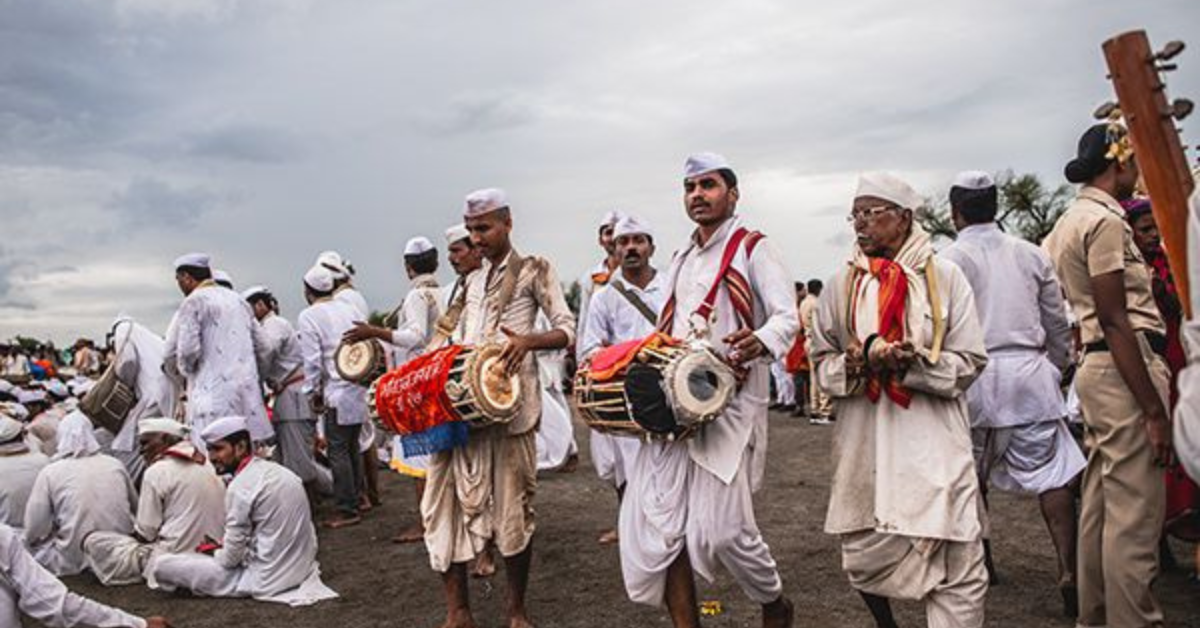
- Palkhi — The palanquin carrying the saint's paduka (sandals) is the central symbol of the Wari.
- Dindi — The group of devotees, symbolizing community and collective devotion.
वारकऱ्यांची वेशभूषा आणि प्रतीके
वेशभूषा
| पांढरी धोती | कंबरेभोवती नेसलेला साधा पांढरा कापड — शुद्धता आणि साधेपणाचे प्रतीक. |
| कुर्ता किंवा शर्ट | सहसा पांढरा किंवा हलक्या रंगाचा. |
| भगवा ध्वज | वारीत वाहून नेला जातो — परंपरेचे प्रतीक. |
| तुळशी माळा | तुळशीच्या लाकडाची बनलेली माळ — विष्णू/विठ्ठलासाठी पवित्र. |
| चंद्रकोर | कपाळावर लावलेला टिळा — चंद्राचे प्रतीक, कृष्ण/विठ्ठलाशी संबंधित. |
प्रतीके आणि त्यांचे अर्थ
- भगवा — संन्यास, त्याग आणि भक्ती दर्शवतो.
- पांढरा — शुद्धता, साधेपणा आणि समानता दर्शवतो.
- तुळशी — पवित्र तुळस विष्णूशी संबंधित आहे आणि वारकरी पूजेचा अत्यावश्यक भाग आहे.
- पालखी — संतांच्या पादुका (चपला) वाहून नेणारी पालखी हे वारीचे केंद्रीय प्रतीक आहे.
- दिंडी — भाविकांचा समूह, समुदाय आणि सामूहिक भक्तीचे प्रतीक.
Famous Saints of the Warkari Tradition
Sant Dnyaneshwar Maharaj (1275–1296)
- From: Alandi, Maharashtra
- Key Contribution: Wrote the Dnyaneshwari — a Marathi commentary on the Bhagavad Gita.
- Significance: Established the tradition of carrying the Palkhi to Pandharpur.
Sant Namdev (1270–1350)
- From: Maharashtra
- Key Contribution: Composed thousands of Abhangas; travelled across India spreading the Bhakti message.
- Significance: One of the most important figures in the early Bhakti movement.
Sant Eknath (1533–1599)
- From: Paithan, Maharashtra
- Key Contribution: Wrote the Eknathi Bhagavata and over 300 Abhangas.
- Significance: Revitalized the Warkari tradition in the 16th century.
Sant Tukaram Maharaj (1608–1650)
- From: Dehu, Maharashtra
- Key Contribution: Composed over 4,600 Abhangas.
- Significance: The most beloved and widely sung saint of the Warkari tradition.
Sant Chokhamela (14th Century)
- From: Maharashtra
- Key Contribution: Composed Abhangas that speak of devotion amidst discrimination.
- Significance: A Dalit saint whose inclusion symbolizes the tradition's commitment to equality.
Sant Janabai (13th–14th Century)
- From: Pandharpur, Maharashtra
- Key Contribution: Composed beautiful Abhangas.
- Significance: A woman saint and servant, representing the tradition's inclusivity.
Sant Savata Mali (17th Century)
- From: Maharashtra
- Key Contribution: A farmer who composed devotional songs.
- Significance: Represents the common people in the Warkari tradition.
वारकरी परंपरेतील प्रसिद्ध संत
संत ज्ञानेश्वर महाराज (१२७५–१२९६)
- स्थान: आळंदी, महाराष्ट्र
- मुख्य योगदान: ज्ञानेश्वरी — भगवद्गीतेवरील मराठी टीका — लिहिली.
- महत्त्व: पालखी पंढरपूरला नेण्याची परंपरा स्थापन केली.
संत नामदेव (१२७०–१३५०)
- स्थान: महाराष्ट्र
- मुख्य योगदान: हजारो अभंग रचले; संपूर्ण भारतात भक्तीचा संदेश पसरवला.
- महत्त्व: सुरुवातीच्या भक्ती चळवळीतील सर्वात महत्त्वाच्या व्यक्तींपैकी एक.
संत एकनाथ (१५३३–१५९९)
- स्थान: पैठण, महाराष्ट्र
- मुख्य योगदान: एकनाथी भागवत आणि ३०० हून अधिक अभंग रचले.
- महत्त्व: १६व्या शतकात वारकरी परंपरेचे पुनरुज्जीवन केले.
संत तुकाराम महाराज (१६०८–१६५०)
- स्थान: देहू, महाराष्ट्र
- मुख्य योगदान: ४,६०० हून अधिक अभंग रचले.
- महत्त्व: वारकरी परंपरेतील सर्वात प्रिय आणि व्यापकपणे गायले जाणारे संत.
संत चोखामेळा (१४वे शतक)
- स्थान: महाराष्ट्र
- मुख्य योगदान: भेदभावाच्या मध्येही भक्ती बोलणारे अभंग रचले.
- महत्त्व: दलित संत ज्यांचा समावेश परंपरेची समानतेची बांधिलकी दर्शवतो.
संत जनाबाई (१३वी–१४वी शतके)
- स्थान: पंढरपूर, महाराष्ट्र
- मुख्य योगदान: सुंदर अभंग रचले.
- महत्त्व: एक महिला संत आणि सेवक, परंपरेच्या सर्वसमावेशकतेचे प्रतीक.
संत सावता माळी (१७वे शतक)
- स्थान: महाराष्ट्र
- मुख्य योगदान: एक शेतकरी ज्याने भक्तिमय गीते रचली.
- महत्त्व: वारकरी परंपरेत सामान्य लोकांचे प्रतिनिधित्व.
The Warkari Calendar – Festivals and Observances
| Ashadhi Ekadashi | June–July — Main pilgrimage to Pandharpur; largest gathering |
| Kartiki Ekadashi | October–November — Second most important pilgrimage |
| Maghi Ekadashi | January–February — Smaller pilgrimage |
| Dnyaneshwar Jayanti | February — Birth anniversary of Sant Dnyaneshwar |
| Tukaram Jayanti | June–July — Birth anniversary of Sant Tukaram |
| Monthly Ekadashi | 11th day of each lunar fortnight — Fasting and devotion |
वारकरी कॅलेंडर – सण आणि व्रते
| आषाढी एकादशी | जून–जुलै — पंढरपूरची मुख्य तीर्थयात्रा; सर्वात मोठी सभा |
| कार्तिकी एकादशी | ऑक्टोबर–नोव्हेंबर — दुसरी सर्वात महत्त्वाची तीर्थयात्रा |
| माघी एकादशी | जानेवारी–फेब्रुवारी — छोटी तीर्थयात्रा |
| ज्ञानेश्वर जयंती | फेब्रुवारी — संत ज्ञानेश्वरांचा जन्मदिवस |
| तुकाराम जयंती | जून–जुलै — संत तुकारामांचा जन्मदिवस |
| मासिक एकादशी | प्रत्येक चंद्र पक्षाची ११वी तिथी — उपवास आणि भक्ती |
Interesting Facts About Warkaris
वारकऱ्यांबद्दल मनोरंजक तथ्ये
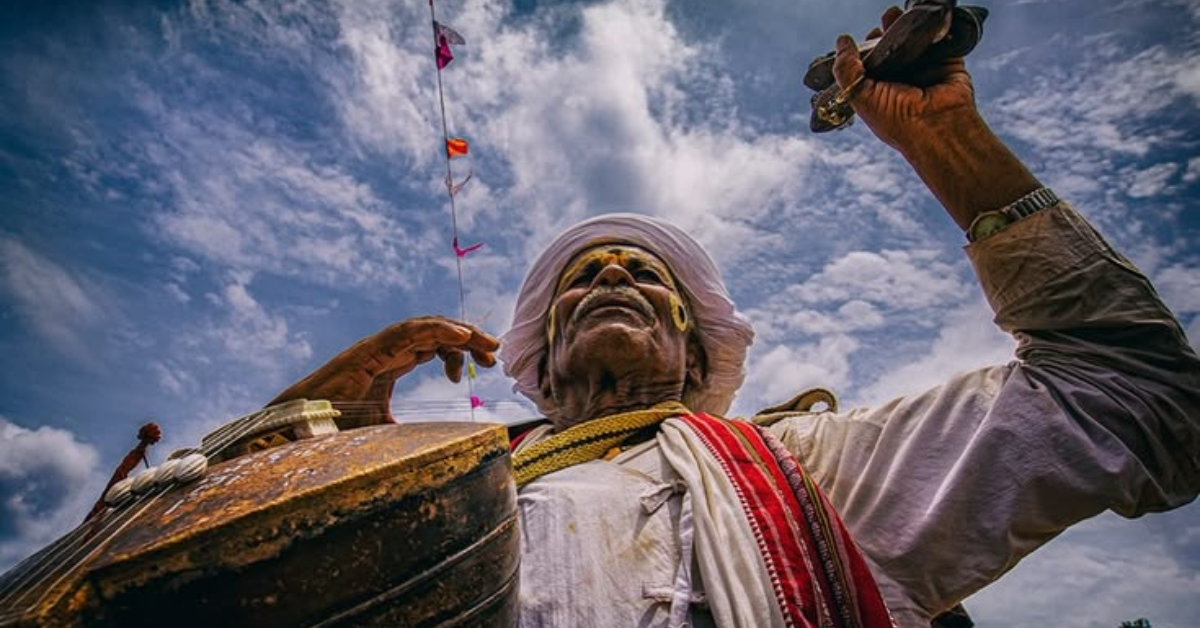
The Warkari tradition was one of the earliest movements in India to reject the caste system and treat all devotees as equal. Sant Chokhamela, a Dalit saint, is revered alongside Brahmin saints like Dnyaneshwar and Eknath.
वारकरी परंपरा ही भारतातील सर्वात प्रारंभिक चळवळींपैकी एक होती ज्याने जातीय व्यवस्था नाकारली आणि सर्व भक्तांना समान मानले. संत चोखामेळा, एक दलित संत, ज्ञानेश्वर आणि एकनाथ यांसारख्या ब्राह्मण संतांबरोबर आदरणीय आहेत.
Practical Tips for Visitorsअभ्यागतांसाठी प्रायोगिक टिप्स
If You Are Travelling to Pandharpurजर तुम्ही पंढरपूरला प्रवास करत असाल
- Plan Early — Accommodation fills up months in advance. Book at least 3-4 months ahead.
- आधीच योजना करा — निवास महिने आधीच भरतो. किमान ३-४ महिने आधी बुक करा.
- Wear Comfortable Shoes — You may walk for miles within the temple complex.
- आरामदायी शूज घाला — मंदिर परिसरात तुम्हाला मैलोमैल चालावे लागेल.
- Carry Essentials — Water, snacks, umbrella/raincoat, medicines.
- आवश्यक वस्तू ठेवा — पाणी, नाश्ता, छत्री/रेनकोट, औषधे.
- Dress Conservatively — Traditional wear is recommended.
- सभ्य कपडे घाला — पारंपारिक वस्त्रे शिफारस केली जातात.
- Plan for Crowds — Pandharpur is packed on Ashadhi Ekadashi.
- गर्दीची योजना करा — आषाढी एकादशीला पंढरपूर गर्दीने भरलेले असते.
If You Want to Join the Wariजर तुम्हाला वारीत सामील व्हायचे असेल
- Start Training — Begin walking 5-10 km daily at least 2-3 weeks before the Wari.
- सराव सुरू करा — वारीपूर्वी किमान २-३ आठवडे दररोज ५-१० किमी चालणे सुरू करा.
- Join a Dindi — Walking with a group is safer and more meaningful.
- दिंडीत सामील व्हा — गटात चालणे अधिक सुरक्षित आणि अर्थपूर्ण आहे.
- Carry a Raincoat — The Wari coincides with the monsoon.
- रेनकोट ठेवा — वारी पावसाळ्यात असते.
- Pack Light — Only carry essentials; Mahaprasad provides meals.
- हलके सामान ठेवा — फक्त आवश्यक वस्तू; महाप्रसाद जेवण देतो.
- Follow the Discipline — No alcohol, non-veg food, or loud arguments.
- शिस्त पाळा — दारू, मांसाहार किंवा मोठ्याने वाद नाही.
Frequently Asked Questions
वारंवार विचारले जाणारे प्रश्न
A Warkari is a devotee of Lord Vitthal who follows the teachings of the Bhakti saints of Maharashtra and undertakes the annual pilgrimage to Pandharpur on Ashadhi Ekadashi.
वारकरी म्हणजे श्री विठ्ठलाचा भक्त, जो महाराष्ट्राच्या भक्ती संतांच्या शिकवणींचे अनुसरण करतो आणि आषाढी एकादशीला पंढरपूरची वार्षिक तीर्थयात्रा करतो.
It comes from Wari (pilgrimage) and Kari (one who does) — meaning "one who undertakes the pilgrimage."
हा शब्द वारी (तीर्थयात्रा) आणि करी (करणारा) यावरून आला आहे — म्हणजे "तीर्थयात्रा करणारा."
Warkaris believe in devotion to Lord Vitthal, equality of all people, simple living, and selfless service. They practice Namasmaran (chanting God's name) and follow the teachings of the Bhakti saints.
वारकरी श्री विठ्ठलावर भक्ती, सर्व लोकांची समानता, साधे जीवन आणि निःस्वार्थ सेवा यावर विश्वास ठेवतात. ते नामस्मरण (ईश्वराच्या नावाचा जप) करतात आणि भक्ती संतांच्या शिकवणींचे अनुसरण करतात.
The Wari is an annual pilgrimage in which millions of devotees walk on foot to Pandharpur, reaching on Ashadhi Ekadashi.
वारी ही एक वार्षिक तीर्थयात्रा आहे ज्यात लाखो भाविक पायी पंढरपूरला चालत जातात, आषाढी एकादशीला पोहोचतात.
The major saints are Sant Dnyaneshwar Maharaj, Sant Namdev, Sant Eknath, Sant Tukaram Maharaj, Sant Chokhamela, Sant Janabai, and Sant Savata Mali.
प्रमुख संत आहेत: संत ज्ञानेश्वर महाराज, संत नामदेव, संत एकनाथ, संत तुकाराम महाराज, संत चोखामेळा, संत जनाबाई आणि संत सावता माळी.
It includes vegetarianism, abstinence from alcohol, truthfulness, compassion, simplicity, and regular devotion.
यात शाकाहार, मद्यपान निषेध, सत्यता, करुणा, साधेपणा आणि नियमित भक्ती यांचा समावेश आहे.
According to tradition, Lord Vitthal stood on a brick offered by His devotee Pundalik, who was serving his parents. The brick symbolizes patience and devotion.
परंपरेनुसार, श्री विठ्ठल त्यांच्या भक्त पुंडलिकाने अर्पण केलेल्या विटेवर उभे राहिले, जो आपल्या पालकांची सेवा करत होता. ही वीट संयम आणि भक्तीचे प्रतीक आहे.
Yes. The Warkari tradition is open to everyone, regardless of caste, creed, gender, or social status.
होय. वारकरी परंपरा सर्वांसाठी खुली आहे, जात, पंथ, लिंग किंवा सामाजिक स्थितीचा भेद न करता.
Conclusion
The Warkari tradition is one of India's most remarkable spiritual movements — a living tradition that has survived for over 800 years, adapting to changing times while staying true to its core values.
At its heart, the Warkari path is beautifully simple: chant the name of God, serve others, and walk the path of devotion. It is a path that rejects discrimination and embraces equality. It is a path that finds the divine not in temples alone, but in every step, every chant, every act of service.
Whether you join the millions walking to Pandharpur, or simply learn about their tradition, the Warkaris offer a powerful lesson in what it means to live a life of faith. Their footsteps echo across the landscape of Maharashtra, reminding us that devotion is not merely a feeling — it is a journey.
As the great saint Tukaram sang: "Salutations to all the devotees of Vitthal."
समारोप
वारकरी परंपरा ही भारतातील सर्वात उल्लेखनीय आध्यात्मिक चळवळींपैकी एक आहे — एक जिवंत परंपरा जी ८०० वर्षांहून अधिक काळ टिकली आहे, बदलत्या काळाशी जुळवून घेताना आपल्या मूलभूत मूल्यांशी खरी राहिली.
तिच्या मुळाशी, वारकरी मार्ग अत्यंत सोपा आहे: ईश्वराचे नामस्मरण करा, इतरांची सेवा करा आणि भक्तीच्या मार्गावर चाला. हा मार्ग भेदभावाला नकार देतो आणि समानता स्वीकारतो. हा मार्ग दैवीपणाला केवळ मंदिरांमध्येच नव्हे, तर प्रत्येक पावलात, प्रत्येक नामजपात, सेवेच्या प्रत्येक कृतीत शोधतो.
तुम्ही पंढरपूरला चालणाऱ्या लाखो लोकांमध्ये सामील व्हा किंवा फक्त त्यांच्या परंपरेबद्दल जाणून घ्या, वारकरी श्रद्धेचे जीवन जगण्याचा एक शक्तिशाली धडा देतात. त्यांच्या पावलांचा आवाज महाराष्ट्राच्या भूमीवर घुमतो, आपल्याला आठवण करून देतो की भक्ती ही केवळ भावना नाही — ती एक यात्रा आहे.
जसे महान संत तुकाराम म्हणतात: "जे जे विठ्ठल भक्त, त्यांना माझा नमस्कार."
Walk the Path of Devotionभक्तीच्या मार्गावर चाला
Ready to learn more about the Warkari tradition? Explore our other articles on Pandharpur, the Wari pilgrimage, and the saints who shaped this beautiful tradition.
वारकरी परंपरेबद्दल अधिक जाणून घ्यायला तयार आहात? पंढरपूर, वारी तीर्थयात्रा आणि या सुंदर परंपरेला आकार देणाऱ्या संतांबद्दलचे आमचे इतर लेख पाहा.
Explore Pandharpur Wari Guide पंढरपूर वारी मार्गदर्शक पाहा