Introduction
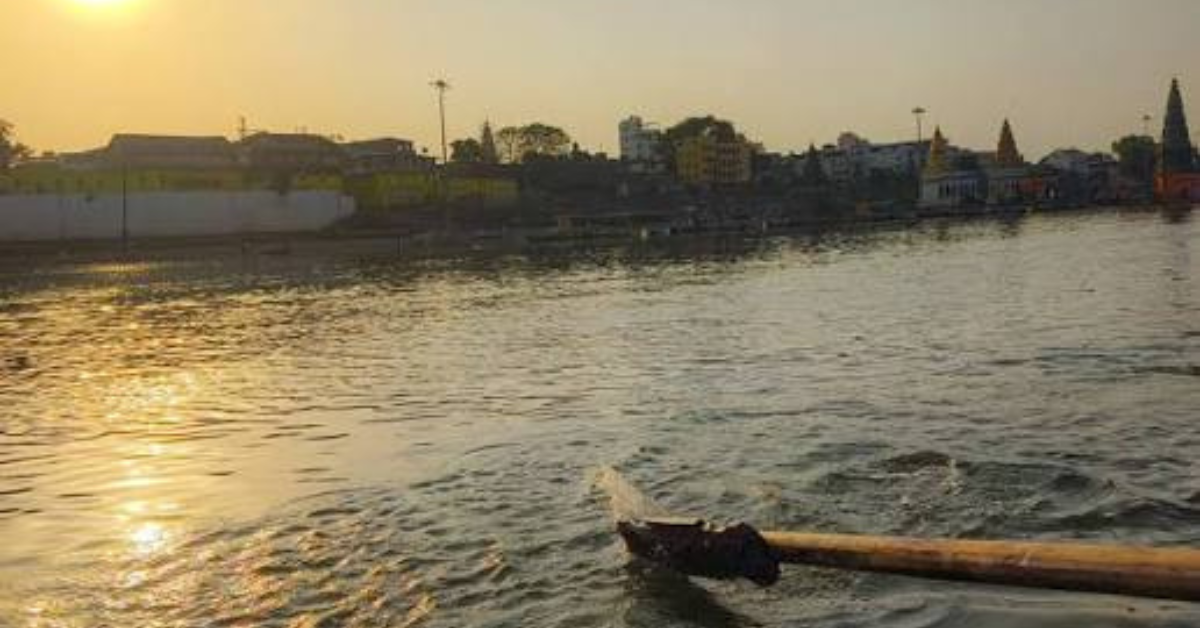
There is a moment just before sunrise in Pandharpur when the world seems to hold its breath. The sky turns from deep blue to soft orange, and the Chandrabhaga River begins to glow with the first light of dawn. On its banks, thousands of devotees — Warkaris — gather, their saffron flags fluttering in the gentle breeze. They step into the sacred waters, chanting "Vitthal Vitthal Jai Hari Vitthal", preparing their hearts and bodies for the darshan of Lord Vitthal.
This is the Chandrabhaga River — the sacred lifeline of Pandharpur, the river that has witnessed the footsteps of saints and the devotion of millions for over 800 years.
For the Warkari, the Chandrabhaga is not just a river. It is a source of purification, a symbol of faith, and the first step of the pilgrimage. Without its sacred waters, the journey to Pandharpur would be incomplete.
This guide takes you on a journey through the Chandrabhaga River — its history, spiritual significance, the ghats that line its banks, and the traditions that have made it one of the most sacred rivers in India.
प्रस्तावना
पंढरपूरात सूर्योदयापूर्वीचा एक क्षण असतो जेव्हा जग श्वास रोखून ठेवते. आकाश गडद निळ्यापासून मंद केशरी रंगात बदलते, आणि चंद्रभागा नदी पहाटेच्या पहिल्या प्रकाशाने चमकू लागते. तिच्या काठावर, हजारो भाविक — वारकरी — गर्दी करतात, त्यांचे भगवे ध्वज मंद वाऱ्यात फडकतात. ते पवित्र पाण्यात उतरतात, "विठ्ठल विठ्ठल जय हरी विठ्ठल" म्हणत, श्री विठ्ठलाच्या दर्शनासाठी आपले हृदय आणि शरीर तयार करतात.
ही आहे चंद्रभागा नदी — पंढरपूरची पवित्र जीवनरेखा, ज्या नदीने ८०० वर्षांहून अधिक काळ संतांची पावले आणि लाखो भाविकांची भक्ती पाहिली आहे.
वारकऱ्यासाठी, चंद्रभागा ही केवळ एक नदी नाही. ती शुद्धीकरणाचा स्रोत आहे, श्रद्धेचे प्रतीक आहे, आणि तीर्थयात्रेची पहिली पायरी आहे. तिच्या पवित्र जलाशिवाय, पंढरपूरचा प्रवास अपूर्ण असेल.
हा मार्गदर्शक तुम्हाला चंद्रभागा नदीच्या प्रवासावर घेऊन जातो — तिचा इतिहास, आध्यात्मिक महत्त्व, तिच्या काठावर असलेले घाट, आणि भारतातील सर्वात पवित्र नद्यांपैकी एक बनवणाऱ्या परंपरा.
About Chandrabhaga River
Overview
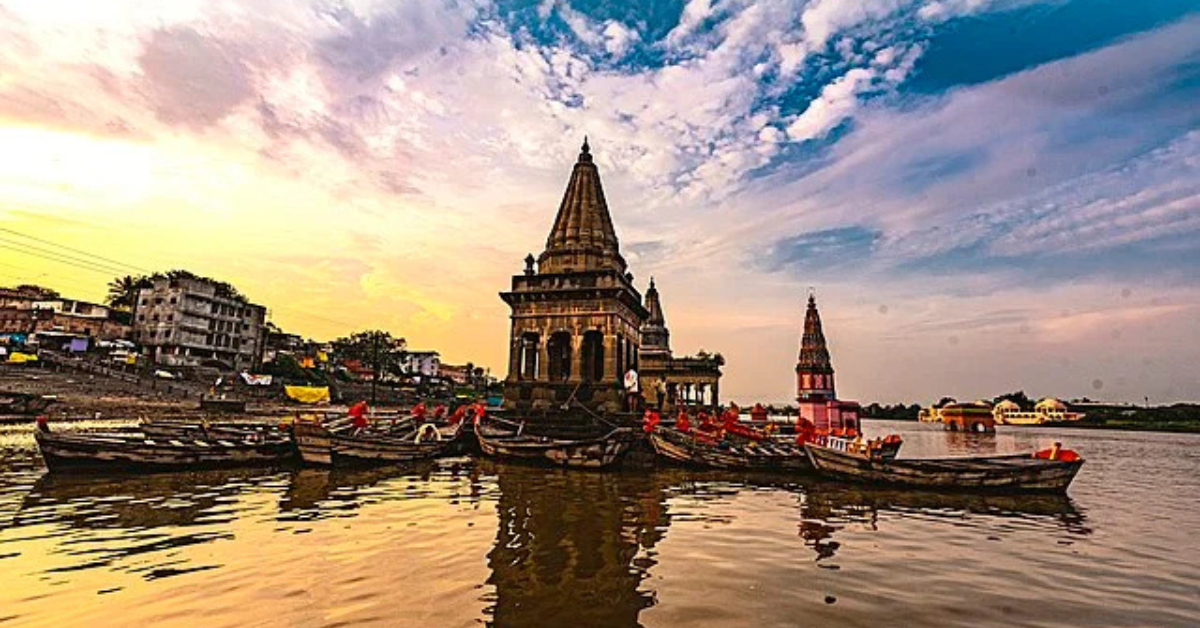
The Chandrabhaga River is a sacred river that flows through the town of Pandharpur in Maharashtra. It is a tributary of the Bhima River, which is itself a tributary of the Krishna River. The river is an integral part of the Pandharpur Wari pilgrimage.
Location
The Chandrabhaga River flows through the heart of Pandharpur, passing right next to the Shri Vitthal-Rukmini Temple. The river's banks are lined with ghats (steps leading to the water) where devotees perform their rituals.
Importance in Maharashtra
The Chandrabhaga River is one of the most important rivers in Maharashtra from a spiritual perspective. It is associated with the Warkari tradition and the worship of Lord Vitthal. The river is mentioned in the Abhangas of the saints and is revered by millions of devotees.
Connection with Pandharpur
Pandharpur is inseparable from the Chandrabhaga River. The town developed on its banks, the temple stands by its side, and the pilgrimage revolves around its waters. Without the Chandrabhaga, Pandharpur would not be the sacred destination it is today.
चंद्रभागा नदीची ओळख
विहंगावलोकन
चंद्रभागा नदी ही महाराष्ट्रातील पंढरपूर या नगरातून वाहणारी पवित्र नदी आहे. ही भीमा नदीची उपनदी आहे, जी स्वतः कृष्णा नदीची उपनदी आहे. ही नदी पंढरपूर वारी तीर्थयात्रेचा अविभाज्य भाग आहे.
स्थान
चंद्रभागा नदी पंढरपूरच्या मध्यभागी वाहते, श्री विठ्ठल-रुक्मिणी मंदिराच्या अगदी शेजारून. नदीच्या काठावर घाट आहेत (पाण्याकडे जाणाऱ्या पायऱ्या) जिथे भाविक त्यांचे विधी करतात.
महाराष्ट्रातील महत्त्व
चंद्रभागा नदी ही आध्यात्मिक दृष्टिकोनातून महाराष्ट्रातील सर्वात महत्त्वाच्या नद्यांपैकी एक आहे. ही वारकरी परंपरा आणि श्री विठ्ठलाच्या पूजेशी संबंधित आहे. या नदीचा उल्लेख संतांच्या अभंगांमध्ये केला गेला आहे आणि ती लाखो भाविकांद्वारे आदरणीय आहे.
पंढरपूरशी संबंध
पंढरपूर चंद्रभागा नदीपासून अविभाज्य आहे. हे नगर तिच्या काठावर विकसित झाले, मंदिर तिच्या शेजारी उभे आहे, आणि तीर्थयात्रा तिच्या जलाभोवती फिरते. चंद्रभागेशिवाय, पंढरपूर आजचे पवित्र गंतव्यस्थान नसते.
Why is it Called Chandrabhaga?
The Name — Chandrabhaga
The name Chandrabhaga is derived from two Sanskrit words: Chandra (moon) and Bhaga (portion or ray). The name is traditionally believed to refer to the river's crescent-shaped bend, which resembles the crescent moon (Chandra).
Crescent-Shaped Bend — Geographical Explanation
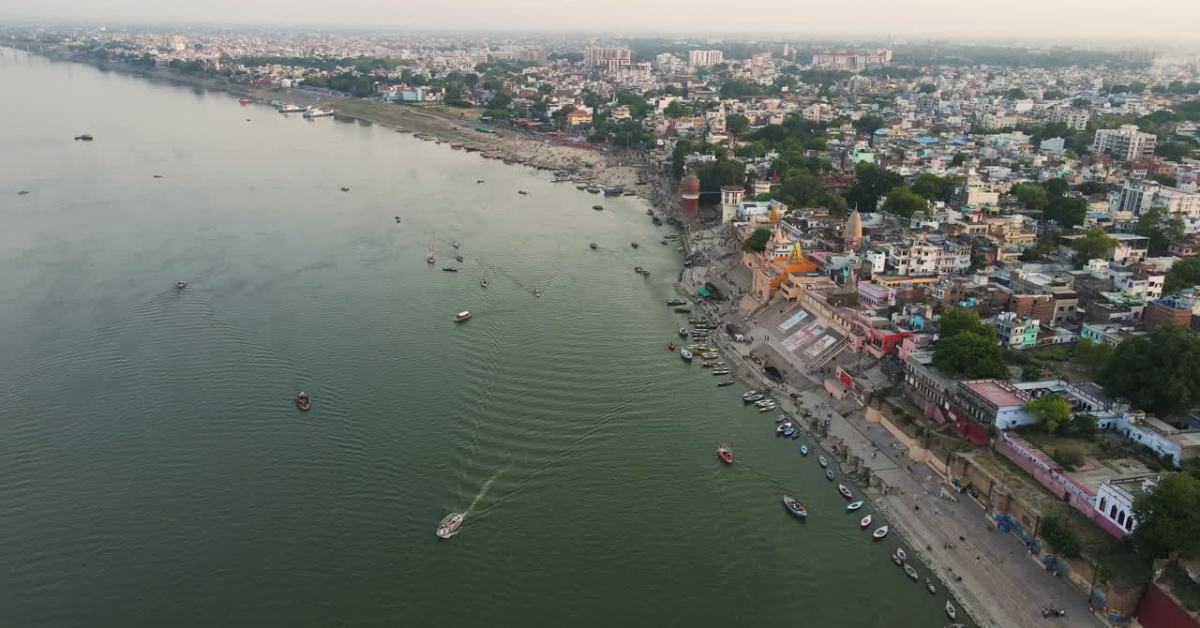
Geographically, the Chandrabhaga River takes a sharp, crescent-shaped bend as it flows through Pandharpur. This natural curve gives the river its distinctive appearance and is the most likely reason for its name.
Relation with the Bhima River
The Chandrabhaga is actually a stretch of the Bhima River that flows through Pandharpur. The Bhima River originates in the Bhimashankar Hills in the Western Ghats and flows through Maharashtra and Karnataka before joining the Krishna River.
Note: The name "Chandrabhaga" is specific to the stretch of the Bhima River that passes through Pandharpur. The river has different names in different regions.
The crescent-shaped bend is a natural geographical feature of the river. The name "Chandrabhaga" is believed to be derived from this crescent shape, though devotional traditions also associate it with the moon's divine light.
चंद्रभागा नदीचे वक्राकार वळण ही एक नैसर्गिक भौगोलिक वैशिष्ट्ये आहे. "चंद्रभागा" हे नाव या वक्राकार वळणावरून आले आहे असे मानले जाते, जरी भक्ती परंपरा ती चंद्राच्या दैवी प्रकाशाशी देखील जोडतात.
चंद्रभागा हे नाव का?
नाव — चंद्रभागा
चंद्रभागा हे नाव दोन संस्कृत शब्दांपासून आले आहे: चंद्र (चंद्र) आणि भाग (भाग किंवा किरण). हे नाव पारंपारिकपणे नदीच्या वक्राकार वळणाशी संबंधित आहे, जे अर्धचंद्रासारखे दिसते.
भौगोलिक स्पष्टीकरण
भौगोलिकदृष्ट्या, चंद्रभागा नदी पंढरपूरातून वाहताना एक तीव्र, वक्राकार वळण घेते. हा नैसर्गिक वळण नदीला तिचे वेगळे स्वरूप देतो आणि बहुधा तिच्या नावाचे कारण आहे.
भीमा नदीशी संबंध
चंद्रभागा ही प्रत्यक्षात भीमा नदीचा पंढरपूरातून वाहणारा भाग आहे. भीमा नदी पश्चिम घाटातील भीमाशंकर डोंगरात उगम पावते आणि महाराष्ट्र आणि कर्नाटकातून वाहत कृष्णा नदीला मिळते.
सूचना: "चंद्रभागा" हे नाव भीमा नदीच्या पंढरपूरातून वाहणाऱ्या विशिष्ट भागासाठी आहे. वेगवेगळ्या प्रदेशांमध्ये नदीची वेगवेगळी नावे आहेत.
The crescent-shaped bend is a natural geographical feature of the river. The name "Chandrabhaga" is believed to be derived from this crescent shape, though devotional traditions also associate it with the moon's divine light.
चंद्रभागा नदीचे वक्राकार वळण ही एक नैसर्गिक भौगोलिक वैशिष्ट्ये आहे. "चंद्रभागा" हे नाव या वक्राकार वळणावरून आले आहे असे मानले जाते, जरी भक्ती परंपरा ती चंद्राच्या दैवी प्रकाशाशी देखील जोडतात.
Historical Background
Ancient References
The Chandrabhaga River has been mentioned in various ancient texts and traditions. While specific historical records of the river's early history are limited, it has been a part of the pilgrimage tradition in Maharashtra for over 800 years.
Pilgrimage History
The river has been an integral part of the Pandharpur Wari since the tradition began in the 13th century. The saint-poets Dnyaneshwar, Tukaram, Namdev, and Eknath all bathed in the Chandrabhaga and mentioned it in their Abhangas.
Importance in the Warkari Tradition
For the Warkari, the Chandrabhaga is not just a river — it is a sacred presence that purifies the body and soul. The tradition of taking a holy dip in the Chandrabhaga before entering the temple has been followed for centuries and remains an essential part of the pilgrimage.
Historical Figures and the River
- Sant Dnyaneshwar — Bathed in the Chandrabhaga before his pilgrimage.
- Sant Tukaram — Mentioned the river in his Abhangas.
- Sant Namdev — Wrote about the river's significance.
- Sant Eknath — Described the river in his works.
ऐतिहासिक पार्श्वभूमी
प्राचीन संदर्भ
चंद्रभागा नदीचा उल्लेख विविध प्राचीन ग्रंथ आणि परंपरांमध्ये आला आहे. नदीच्या सुरुवातीच्या इतिहासाच्या विशिष्ट ऐतिहासिक नोंदी मर्यादित असल्या तरी, ती ८०० वर्षांहून अधिक काळ महाराष्ट्राच्या तीर्थयात्रेच्या परंपरेचा भाग आहे.
तीर्थयात्रेचा इतिहास
१३व्या शतकात परंपरा सुरू झाल्यापासून ही नदी पंढरपूर वारीचा अविभाज्य भाग आहे. संत-कवी ज्ञानेश्वर, तुकाराम, नामदेव आणि एकनाथ या सर्वांनी चंद्रभागेत स्नान केले आणि त्यांच्या अभंगांमध्ये तिचा उल्लेख केला.
वारकरी परंपरेत महत्त्व
वारकऱ्यासाठी, चंद्रभागा ही केवळ एक नदी नाही — ती एक पवित्र उपस्थिती आहे जी शरीर आणि आत्मा शुद्ध करते. मंदिरात प्रवेश करण्यापूर्वी चंद्रभागेत पवित्र स्नान करण्याची परंपरा शतकानुशतके पाळली जात आहे आणि ती तीर्थयात्रेचा एक आवश्यक भाग आहे.
ऐतिहासिक व्यक्ती आणि नदी
- संत ज्ञानेश्वर — तीर्थयात्रेपूर्वी चंद्रभागेत स्नान केले.
- संत तुकाराम — त्यांच्या अभंगांमध्ये नदीचा उल्लेख.
- संत नामदेव — नदीच्या महत्त्वाबद्दल लिहिले.
- संत एकनाथ — त्यांच्या कार्यात नदीचे वर्णन.
Spiritual Significance of the Chandrabhaga River
Holy Bath — The Act of Purification
The most important ritual associated with the Chandrabhaga is the holy bath (snana). Devotees believe that bathing in the sacred waters of the Chandrabhaga purifies the body and soul, washing away sins and preparing the devotee for the darshan of Lord Vitthal.
Purification — Inner and Outer Cleansing
The holy bath is not just a physical act but a spiritual one. As the devotee immerses themselves in the water, they also immerse themselves in devotion, letting go of attachments and ego, and focusing their mind on the Divine.
Faith — The Power of Belief
For millions of devotees, the Chandrabhaga is a symbol of faith. The belief that the river's waters have the power to purify and bless is a central part of the Warkari tradition.
Pilgrimage — The First Step
The journey to Pandharpur is not complete without a visit to the Chandrabhaga. The holy bath is the first step of the pilgrimage, a ritual that prepares the devotee physically and spiritually for the temple darshan.
Connection with Lord Vitthal
The Chandrabhaga is intimately connected with Lord Vitthal. The river flows beside the temple, and its waters are believed to carry the blessings of the Lord. Devotees see the river as an extension of the temple, a sacred space where they can connect with the Divine.
चंद्रभागा नदीचे आध्यात्मिक महत्त्व
पवित्र स्नान — शुद्धीकरणाची कृती
चंद्रभागेशी संबंधित सर्वात महत्त्वाचा विधी म्हणजे पवित्र स्नान (स्नान). भाविकांचा विश्वास आहे की चंद्रभागेच्या पवित्र पाण्यात स्नान केल्याने शरीर आणि आत्मा शुद्ध होतो, पापे धुतली जातात आणि भक्त श्री विठ्ठलाच्या दर्शनासाठी तयार होतो.
शुद्धीकरण — आंतरिक आणि बाह्य शुद्धता
पवित्र स्नान ही केवळ शारीरिक कृती नाही तर आध्यात्मिक कृती आहे. जसा भक्त पाण्यात बुडतो, तसा तो भक्तीतही बुडतो, आसक्ती आणि अहंकार सोडतो, आणि आपले मन दैवीकडे केंद्रित करतो.
श्रद्धा — विश्वासाचे सामर्थ्य
लाखो भाविकांसाठी, चंद्रभागा ही श्रद्धेचे प्रतीक आहे. नदीच्या पाण्यात शुद्धीकरण आणि आशीर्वाद देण्याची शक्ती आहे हा विश्वास वारकरी परंपरेचा केंद्रभाग आहे.
तीर्थयात्रा — पहिली पायरी
पंढरपूरचा प्रवास चंद्रभागेला भेट दिल्याशिवाय पूर्ण होत नाही. पवित्र स्नान ही तीर्थयात्रेची पहिली पायरी आहे, एक विधी जो भक्ताला मंदिराच्या दर्शनासाठी शारीरिक आणि आध्यात्मिकदृष्ट्या तयार करतो.
श्री विठ्ठलाशी संबंध
चंद्रभागा श्री विठ्ठलाशी घनिष्ठपणे जोडली गेली आहे. नदी मंदिराच्या शेजारी वाहते, आणि तिचे पाणी प्रभूचे आशीर्वाद वाहून नेतात असे मानले जाते. भाविक नदीला मंदिराचा विस्तार म्हणून पाहतात, एक पवित्र स्थान जिथे ते दैवीशी जोडू शकतात.
Connection with Shri Vitthal-Rukmini Temple
Why Devotees Visit the River Before Temple Darshan
According to the Warkari tradition, a pilgrim must first purify themselves in the sacred waters of the Chandrabhaga before entering the Shri Vitthal-Rukmini Temple. This act of purification is considered essential for a meaningful darshan.
The holy bath is believed to wash away physical and spiritual impurities, allowing the devotee to stand before Lord Vitthal with a pure heart and mind.
The river's proximity to the temple — just a few steps away — makes this ritual convenient and deeply symbolic. The devotee emerges from the river, walks towards the temple, and enters the presence of the Lord.
This sequence — from the river to the temple — represents the journey from purification to union with the Divine.
श्री विठ्ठल-रुक्मिणी मंदिराशी संबंध
मंदिर दर्शनापूर्वी भाविक नदीला का भेट देतात
वारकरी परंपरेनुसार, एका तीर्थयात्रीने श्री विठ्ठल-रुक्मिणी मंदिरात प्रवेश करण्यापूर्वी प्रथम चंद्रभागेच्या पवित्र पाण्यात शुद्धीकरण करणे आवश्यक आहे. शुद्धीकरणाची ही कृती अर्थपूर्ण दर्शनासाठी आवश्यक मानली जाते.
पवित्र स्नान शारीरिक आणि आध्यात्मिक अशुद्धता धुवून टाकते असे मानले जाते, ज्यामुळे भक्त शुद्ध हृदय आणि मनाने श्री विठ्ठलासमोर उभे राहू शकतो.
मंदिराच्या अगदी जवळ — काही पावलांच्या अंतरावर — असलेली नदी हा विधी सोयीस्कर आणि सखोल प्रतीकात्मक बनवते. भक्त नदीतून बाहेर पडतो, मंदिराकडे चालतो, आणि प्रभूच्या उपस्थितीत प्रवेश करतो.
हा क्रम — नदीपासून मंदिरापर्यंत — शुद्धीकरणापासून दैवीशी एकरूप होण्याच्या प्रवासाचे प्रतिनिधित्व करतो.
Ashadhi and Kartiki Wari
River's Importance During the Wari
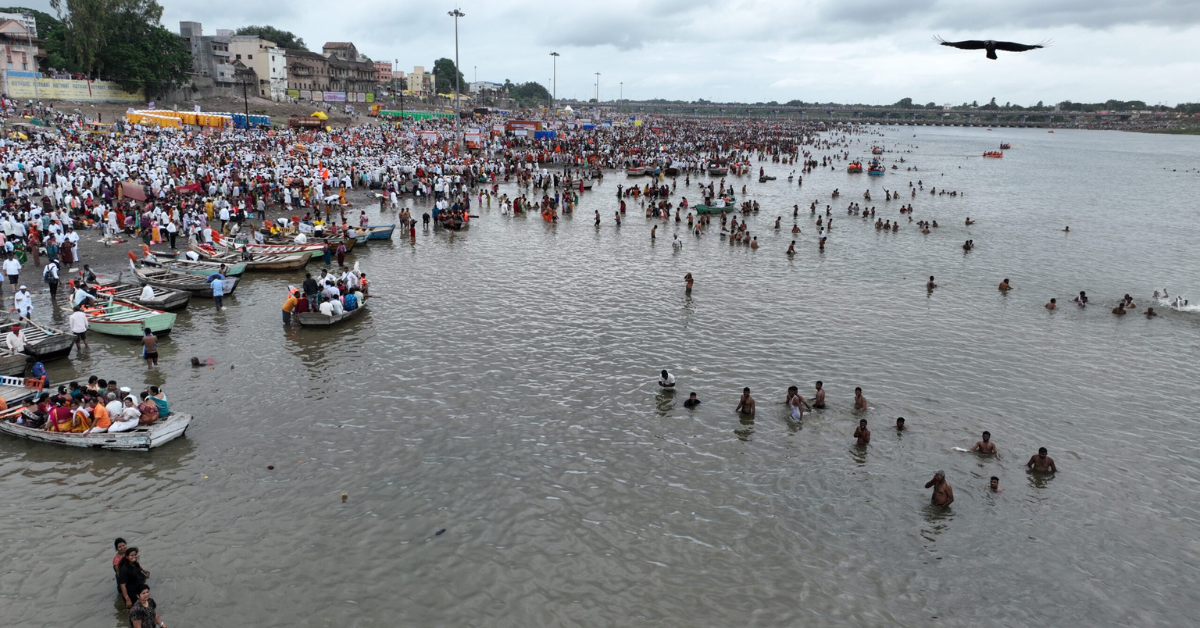
During the Pandharpur Wari, the Chandrabhaga River becomes the centre of devotion. Millions of Warkaris gather on its banks, take a holy dip, and perform their rituals before proceeding to the temple.
The Crowd
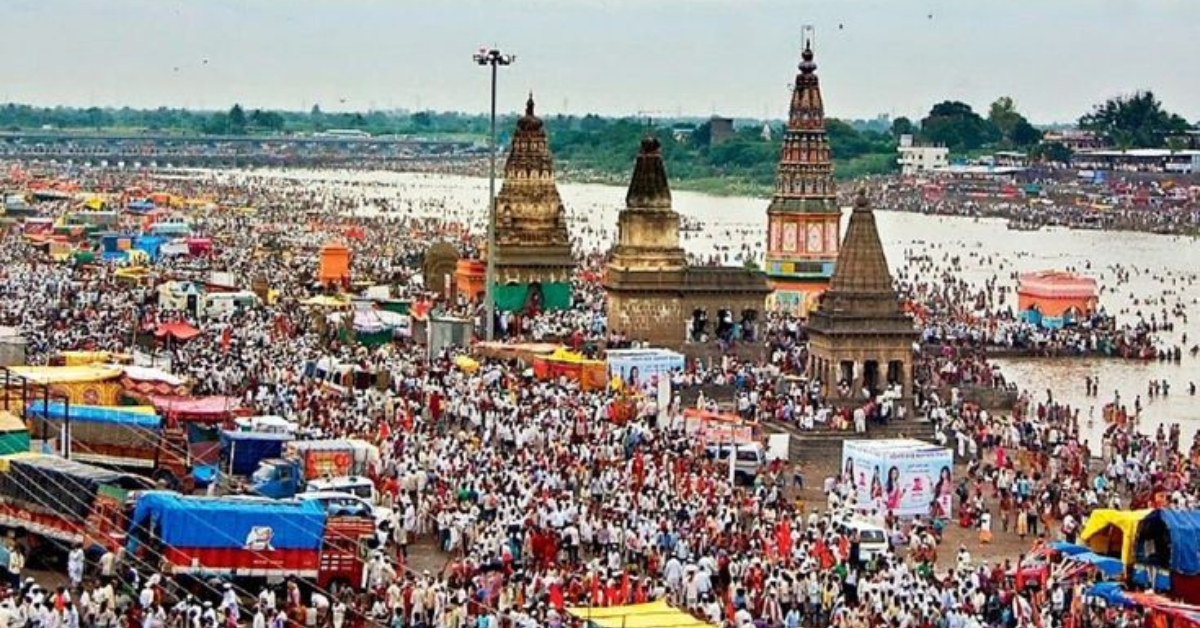
On Ashadhi Ekadashi, the banks of the Chandrabhaga are packed with devotees. The river becomes a sea of humanity, with saffron flags waving and the chant of "Vitthal Vitthal" filling the air.
Traditions and Rituals
- Snana (Holy Bath) — The most important ritual.
- Abhang Gayan — Devotional songs sung on the banks.
- Puja and Offerings — Devotees offer flowers and prayers to the river.
- Dindi Procession — Dindis (groups) perform rituals on the ghats.
During Kartiki Ekadashi, a smaller but equally significant gathering takes place. The river continues to be the focal point of the pilgrimage.
आषाढी आणि कार्तिकी वारी
वारीत नदीचे महत्त्व
पंढरपूर वारीत, चंद्रभागा नदी भक्तीचे केंद्र बनते. लाखो वारकरी तिच्या काठावर जमतात, पवित्र स्नान करतात, आणि मंदिराकडे जाण्यापूर्वी त्यांचे विधी करतात.
गर्दी
आषाढी एकादशीला, चंद्रभागेचे काठ भाविकांनी भरलेले असतात. नदी मानवतेचा सागर बनते, भगवे ध्वज फडकतात आणि "विठ्ठल विठ्ठल" चा जयघोष हवेत घुमतो.
परंपरा आणि विधी
- स्नान (पवित्र स्नान) — सर्वात महत्त्वाचा विधी.
- अभंग गायन — काठावर गायली जाणारी भक्तिगीते.
- पूजा आणि अर्पण — भाविक नदीला फुले आणि प्रार्थना अर्पण करतात.
- दिंडी मिरवणूक — दिंड्या (गट) घाटांवर विधी करतात.
कार्तिकी एकादशी दरम्यान, एक छोटी परंतु तितकीच महत्त्वाची सभा होते. नदी तीर्थयात्रेचे केंद्रबिंदू राहते.
Ghats of Chandrabhaga
The banks of the Chandrabhaga River are lined with ghats — stone steps leading down to the water. Each ghat has its own significance and is used for different rituals.
| Mahadwar Ghat | The main ghat near the temple entrance. Most devotees perform their rituals here. |
| Pundalik Ghat | Associated with the story of Pundalik. Devotees pay homage here. |
| Rukmini Ghat | Associated with Goddess Rukmini. Women devotees often perform rituals here. |
| Vitthal Ghat | Named after Lord Vitthal. A popular spot for bathing. |
| Dnyaneshwar Ghat | Associated with Sant Dnyaneshwar. |
| Tukaram Ghat | Associated with Sant Tukaram. |
Each ghat offers a unique view of the river and the temple. The ghats are also the site of various rituals and ceremonies, especially during festivals.
चंद्रभागेचे घाट
चंद्रभागा नदीच्या काठावर घाट आहेत — पाण्याकडे जाणाऱ्या दगडी पायऱ्या. प्रत्येक घाटाचे स्वतःचे महत्त्व आहे आणि ते वेगवेगळ्या विधींसाठी वापरले जातात.
| महाद्वार घाट | मंदिराच्या प्रवेशद्वाराजवळील मुख्य घाट. बहुतेक भाविक येथे त्यांचे विधी करतात. |
| पुंडलिक घाट | पुंडलिकाच्या कथेशी संबंधित. भाविक येथे श्रद्धांजली अर्पण करतात. |
| रुक्मिणी घाट | श्री रुक्मिणीशी संबंधित. महिला भाविक अनेकदा येथे विधी करतात. |
| विठ्ठल घाट | श्री विठ्ठलाच्या नावावर. स्नानासाठी एक लोकप्रिय स्थळ. |
| ज्ञानेश्वर घाट | संत ज्ञानेश्वरांशी संबंधित. |
| तुकाराम घाट | संत तुकारामांशी संबंधित. |
प्रत्येक घाट नदी आणि मंदिराचे अनोखे दृश्य देते. हे घाट विविध विधी आणि समारंभांचे स्थान देखील आहेत, विशेषतः सणांच्या वेळी.
Travel Guide — How to Reach
By Road
Pandharpur is well-connected by road to major cities:
- Pune: ~250 km (5–6 hours)
- Mumbai: ~400 km (8–9 hours)
- Solapur: ~70 km (1.5 hours)
- Kolhapur: ~250 km (5 hours)
By Train
The nearest railway station is Pandharpur Railway Station, well-connected to Pune, Mumbai, Solapur, and Hyderabad.
By Bus
MSRTC operates regular bus services to Pandharpur from Pune, Mumbai, Solapur, and other cities.
Nearest Airport
Pune International Airport (~250 km) and Solapur Airport (~70 km).
Parking
There are designated parking areas near the temple and river. During festivals, parking can be limited.
Walking Routes
The river is within walking distance of the temple. Most devotees walk from the river to the temple after bathing.
प्रवास मार्गदर्शक — कसे पोहोचावे
रस्ता मार्गे
पंढरपूर प्रमुख शहरांशी रस्ता मार्गे चांगले जोडलेले आहे:
- पुणे: ~२५० किमी (५–६ तास)
- मुंबई: ~४०० किमी (८–९ तास)
- सोलापूर: ~७० किमी (१.५ तास)
- कोल्हापूर: ~२५० किमी (५ तास)
रेल्वे मार्गे
सर्वात जवळचे रेल्वे स्थानक पंढरपूर रेल्वे स्थानक आहे, जे पुणे, मुंबई, सोलापूर आणि हैदराबादशी चांगले जोडलेले आहे.
बस मार्गे
MSRTC पुणे, मुंबई, सोलापूर आणि इतर शहरांपासून पंढरपूरला नियमित बस सेवा चालवते.
सर्वात जवळचे विमानतळ
पुणे आंतरराष्ट्रीय विमानतळ (~२५० किमी) आणि सोलापूर विमानतळ (~७० किमी).
पार्किंग
मंदिर आणि नदीजवळ नियुक्त पार्किंग क्षेत्रे आहेत. सणांच्या वेळी, पार्किंग मर्यादित असू शकते.
चालण्याचे मार्ग
नदी मंदिरापासून चालण्याच्या अंतरावर आहे. बहुतेक भाविक स्नानानंतर नदीपासून मंदिरापर्यंत चालतात.
Best Time to Visit
Season-wise Guide
- Winter (October–February): Pleasant weather, best time to visit. Temperatures range from 15°C to 25°C.
- Summer (March–May): Very hot, temperatures can reach 40°C. Avoid visiting during the day.
- Monsoon (June–September): Moderate rainfall, good time to visit if you enjoy the rain. The Wari takes place in this season.
Festival Season
The best time to experience the river's spiritual energy is during Ashadhi Ekadashi (June–July) and Kartiki Ekadashi (October–November). However, be prepared for large crowds.
Quiet Times
For a peaceful visit, consider visiting on weekdays outside of festival periods. Early mornings are particularly serene.
भेट देण्याची योग्य वेळ
हंगामनिहाय मार्गदर्शक
- हिवाळा (ऑक्टोबर–फेब्रुवारी): सुखद हवामान, भेट देण्याची सर्वोत्तम वेळ. तापमान १५°C ते २५°C.
- उन्हाळा (मार्च–मे): अत्यंत गरम, तापमान ४०°C पर्यंत. दिवसा भेट देणे टाळा.
- पावसाळा (जून–सप्टेंबर): मध्यम पाऊस, जर तुम्हाला पावसाचा आनंद घ्यायचा असेल तर योग्य वेळ. वारी या हंगामात होते.
सणाचा काळ
नदीची आध्यात्मिक ऊर्जा अनुभवण्याची सर्वोत्तम वेळ आषाढी एकादशी (जून–जुलै) आणि कार्तिकी एकादशी (ऑक्टोबर–नोव्हेंबर) दरम्यान आहे. तथापि, मोठ्या गर्दीसाठी तयार रहा.
शांत वेळ
शांत भेटीसाठी, सणांच्या काळाबाहेर आठवड्याच्या दिवशी भेट देण्याचा विचार करा. सकाळी लवकर विशेषतः शांत असते.
Things to Do
- Holy Bath (Snana) — The most important activity. Take a dip in the sacred waters.
- Photography — Capture the beautiful scenery, sunrise, and ghats. (Check photography rules first.)
- Temple Visit — After bathing, visit the Shri Vitthal-Rukmini Temple for darshan.
- Morning Walk — Walk along the river banks in the early morning for a serene experience.
- Sunrise View — Watch the sunrise over the Chandrabhaga — it's unforgettable.
- Boat Views — If boat services are available, enjoy a view of the river and temple from the water.
- Local Food — Try local Maharashtrian food at the shops near the river.
करावयाच्या गोष्टी
- पवित्र स्नान — सर्वात महत्त्वाची क्रिया. पवित्र पाण्यात बुडी मारा.
- छायाचित्रण — सुंदर दृश्ये, सूर्योदय आणि घाट कॅप्चर करा. (प्रथम छायाचित्रण नियम तपासा.)
- मंदिर भेट — स्नानानंतर दर्शनासाठी श्री विठ्ठल-रुक्मिणी मंदिराला भेट द्या.
- सकाळची सहल — शांत अनुभवासाठी सकाळी लवकर नदी काठावर चाला.
- सूर्योदय दृश्य — चंद्रभागेवरील सूर्योदय पहा — तो अविस्मरणीय आहे.
- बोट दृश्ये — जर बोट सेवा उपलब्ध असेल तर, पाण्यावरून नदी आणि मंदिराचा आनंद घ्या.
- स्थानिक अन्न — नदीजवळील दुकानांत महाराष्ट्रीय अन्न चाखा.
Nearby Attractions
Shri Vitthal-Rukmini Temple
The main temple of Pandharpur, located just steps away from the river.
Pundalik Temple
A temple dedicated to Pundalik, located near the river.
Vishnupad Temple
A temple dedicated to Lord Vishnu, associated with the footprints of Vishnu.
Gopalpur
A small village with an ancient Krishna temple.
ISKCON Temple
An ISKCON temple located in Pandharpur.
Other Nearby Spiritual Places
- Alandi: Samadhi of Sant Dnyaneshwar (~150 km)
- Dehu: Home of Sant Tukaram (~150 km)
- Paithan: Birthplace of Sant Eknath (~100 km)
जवळील आकर्षणे
श्री विठ्ठल-रुक्मिणी मंदिर
पंढरपूरचे मुख्य मंदिर, नदीपासून काही पावलांच्या अंतरावर.
पुंडलिक मंदिर
नदीजवळ स्थित पुंडलिकाला समर्पित मंदिर.
विष्णुपद मंदिर
श्री विष्णूला समर्पित मंदिर, विष्णूच्या पावलांच्या खुणांशी संबंधित.
गोपालपूर
प्राचीन कृष्ण मंदिर असलेले छोटे गाव.
ISKCON मंदिर
पंढरपूरात स्थित ISKCON मंदिर.
इतर जवळील आध्यात्मिक स्थळे
- आळंदी: संत ज्ञानेश्वरांची समाधी (~१५० किमी)
- देहू: संत तुकारामांचे घर (~१५० किमी)
- पैठण: संत एकनाथांचे जन्मस्थान (~१०० किमी)
Responsible Tourism Tips
River Cleanliness
- Do not litter on the river banks.
- Use designated dustbins for waste disposal.
- Avoid using soap or detergents in the river.
Respect Religious Practices
- Observe silence during rituals.
- Dress modestly when visiting the river and temple.
- Ask permission before photographing devotees during rituals.
Photography Etiquette
- Be respectful when taking photos of people.
- Avoid taking photos during sensitive rituals.
- Check if photography is allowed at specific locations.
Eco-Friendly Travel
- Use reusable water bottles instead of plastic.
- Support local businesses and vendors.
- Follow the designated walking paths and queues.
जबाबदार पर्यटन टिप्स
नदी स्वच्छता
- नदी काठावर कचरा टाकू नका.
- कचरा विल्हेवाटीसाठी नियुक्त कचरापेटी वापरा.
- नदीत साबण किंवा डिटर्जंट वापरणे टाळा.
धार्मिक पद्धतींचा आदर
- विधी दरम्यान मौन पाळा.
- नदी आणि मंदिराला भेट देताना सभ्य कपडे घाला.
- विधी दरम्यान भाविकांचे छायाचित्रण करण्यापूर्वी परवानगी घ्या.
छायाचित्रण शिष्टाचार
- लोकांचे छायाचित्रण करताना आदर ठेवा.
- संवेदनशील विधी दरम्यान छायाचित्रे घेणे टाळा.
- विशिष्ट ठिकाणी छायाचित्रणास परवानगी आहे का ते तपासा.
इको-फ्रेंडली प्रवास
- प्लास्टिकऐवजी पुन्हा वापरता येण्याजोग्या पाण्याच्या बाटल्या वापरा.
- स्थानिक व्यवसाय आणि विक्रेत्यांना समर्थन द्या.
- नियुक्त चालण्याचे मार्ग आणि रांगा अनुसरण करा.
Interesting Facts About the Chandrabhaga River
चंद्रभागा नदीबद्दल मनोरंजक तथ्ये
Did You Know?
तुम्हाला माहित आहे का?
Frequently Asked Questions
वारंवार विचारले जाणारे प्रश्न
The Chandrabhaga River flows through Pandharpur in the Solapur district of Maharashtra, India.
चंद्रभागा नदी महाराष्ट्राच्या सोलापूर जिल्ह्यातील पंढरपूरातून वाहते.
The name comes from its crescent-shaped bend, which resembles the crescent moon (Chandra).
हे नाव तिच्या वक्राकार वळणावरून आले आहे, जे अर्धचंद्रासारखे आहे.
The Chandrabhaga is a stretch of the Bhima River that flows through Pandharpur.
चंद्रभागा ही भीमा नदीचा पंढरपूरातून वाहणारा भाग आहे.
It is believed to purify the body and soul, washing away sins before temple darshan.
असे मानले जाते की ते शरीर आणि आत्मा शुद्ध करते, मंदिर दर्शनापूर्वी पापे धुवून टाकते.
The river is the focal point of the Wari, where devotees bathe before proceeding to the temple.
ही नदी वारीचे केंद्रबिंदू आहे, जिथे भाविक मंदिराकडे जाण्यापूर्वी स्नान करतात.
The main ghats include Mahadwar, Pundalik, Rukmini, Vitthal, Dnyaneshwar, and Tukaram Ghats.
मुख्य घाटांमध्ये महाद्वार, पुंडलिक, रुक्मिणी, विठ्ठल, ज्ञानेश्वर आणि तुकाराम घाटांचा समावेश आहे.
Yes, the river is open to all visitors. However, visitors should respect the religious practices.
होय, नदी सर्व अभ्यागतांसाठी खुली आहे. तथापि, अभ्यागतांनी धार्मिक पद्धतींचा आदर केला पाहिजे.
The best time is during winter (October–February) for pleasant weather. For the Wari experience, visit on Ashadhi Ekadashi.
सुखद हवामानासाठी हिवाळ्यात (ऑक्टोबर–फेब्रुवारी) सर्वोत्तम वेळ आहे. वारीचा अनुभव घेण्यासाठी आषाढी एकादशीला भेट द्या.
Photography is generally allowed, but be respectful of devotees and avoid taking photos during sensitive rituals.
छायाचित्रण सामान्यतः परवानगी आहे, परंतु भाविकांचा आदर करा आणि संवेदनशील विधी दरम्यान छायाचित्रे घेणे टाळा.
Yes, devotees and visitors can take a holy bath. It is an important part of the pilgrimage.
होय, भाविक आणि अभ्यागत पवित्र स्नान करू शकतात. ही तीर्थयात्रेचा एक महत्त्वाचा भाग आहे.
The river is located just steps away from the Shri Vitthal-Rukmini Temple.
नदी श्री विठ्ठल-रुक्मिणी मंदिरापासून काही पावलांच्या अंतरावर आहे.
Pandharpur is well-connected by road, rail, and bus. The nearest airport is Pune International Airport.
पंढरपूर रस्ता, रेल्वे आणि बस मार्गे चांगले जोडलेले आहे. सर्वात जवळचे विमानतळ पुणे आंतरराष्ट्रीय विमानतळ आहे.
The Chandrabhaga is a stretch of the Bhima River, which is approximately 861 km long.
चंद्रभागा ही भीमा नदीचा एक भाग आहे, जी अंदाजे ८६१ किमी लांब आहे.
Yes, the water is considered sacred and is believed to have purifying powers.
होय, हे पाणी पवित्र मानले जाते आणि त्यात शुद्धीकरणाची शक्ती आहे असे मानले जाते.
Kartiki Wari is the second most important pilgrimage to Pandharpur, taking place on Kartiki Ekadashi (October–November).
कार्तिकी वारी ही पंढरपूरची दुसरी सर्वात महत्त्वाची तीर्थयात्रा आहे, जी कार्तिकी एकादशीला (ऑक्टोबर–नोव्हेंबर) होते.
Yes, but adult supervision is recommended, especially near the water.
होय, परंतु प्रौढांची देखरेख शिफारस केली जाते, विशेषतः पाण्याजवळ.
There are basic changing facilities near the ghats for devotees.
भाविकांसाठी घाटांजवळ मूलभूत बदलण्याच्या सुविधा आहेत.
Modest, traditional attire is recommended. Avoid revealing clothes.
सभ्य, पारंपारिक पोशाख शिफारस केला जातो. उघडे कपडे टाळा.
Efforts are made to maintain cleanliness, but during festivals, the river can be crowded.
स्वच्छता राखण्याचे प्रयत्न केले जातात, परंतु सणांच्या वेळी नदी गर्दीने भरलेली असू शकते.
It is an integral part of the pilgrimage, symbolizing purification and devotion.
ती तीर्थयात्रेचा अविभाज्य भाग आहे, शुद्धीकरण आणि भक्तीचे प्रतीक आहे.
The crescent shape gives the river its name and is a distinctive geographical feature.
वक्राकार आकार नदीला तिचे नाव देतो आणि एक वेगळी भौगोलिक वैशिष्ट्ये आहे.
Yes, there are many local food stalls offering Maharashtrian snacks and meals.
होय, महाराष्ट्रीय नाश्ता आणि जेवण देणारे अनेक स्थानिक खाद्य स्टॉल आहेत.
Yes, but be respectful and avoid taking photos during sensitive rituals.
होय, परंतु आदर ठेवा आणि संवेदनशील विधी दरम्यान छायाचित्रे घेणे टाळा.
Sunrise and sunset offer the most beautiful lighting for photos.
सूर्योदय आणि सूर्यास्त छायाचित्रांसाठी सर्वात सुंदर प्रकाश देतात.
Yes, there are many hotels, lodges, and dharamshalas in Pandharpur near the river.
होय, पंढरपूरात नदीजवळ अनेक हॉटेल्स, लॉज आणि धर्मशाळा आहेत.
Yes, but the water level may be higher. The Wari takes place during the monsoon.
होय, परंतु पाण्याची पातळी जास्त असू शकते. वारी पावसाळ्यात होते.
Devotees bathe for spiritual purposes, but it is not a recreational swimming spot.
भाविक आध्यात्मिक उद्देशाने स्नान करतात, परंतु ते मनोरंजनात्मक पोहण्याचे ठिकाण नाही.
It symbolizes purification, faith, and the journey from the material to the spiritual.
ती शुद्धीकरण, श्रद्धा आणि भौतिक ते आध्यात्मिक प्रवासाचे प्रतीक आहे.
Pandharpur is approximately 250 km from Pune, taking about 5–6 hours by road.
पंढरपूर पुण्यापासून अंदाजे २५० किमी आहे, ज्याला रस्ता मार्गे सुमारे ५–६ तास लागतात.
While formal tours are limited, local guides are available for hire in Pandharpur.
औपचारिक दौरे मर्यादित असले तरी, पंढरपूरात स्थानिक मार्गदर्शक भाड्याने उपलब्ध आहेत.
The river is a symbol of Maharashtra's spiritual and cultural heritage.
ही नदी महाराष्ट्राच्या आध्यात्मिक आणि सांस्कृतिक वारशाचे प्रतीक आहे.
Yes, devotees offer flowers and prayers to the river as part of their rituals.
होय, भाविक त्यांच्या विधींचा भाग म्हणून नदीला फुले आणि प्रार्थना अर्पण करतात.
The nearest railway station is Pandharpur Railway Station.
सर्वात जवळचे रेल्वे स्थानक पंढरपूर रेल्वे स्थानक आहे.
The river is mentioned in the Abhangas of the Warkari saints and is part of the Warkari tradition.
या नदीचा उल्लेख वारकरी संतांच्या अभंगांमध्ये केला आहे आणि ती वारकरी परंपरेचा भाग आहे.
To experience its spiritual energy, connect with the Warkari tradition, and witness the devotion of millions of pilgrims.
तिची आध्यात्मिक ऊर्जा अनुभवण्यासाठी, वारकरी परंपरेशी जोडण्यासाठी आणि लाखो तीर्थयात्रींची भक्ती पाहण्यासाठी.
Conclusion
The Chandrabhaga River is more than just a river — it is the sacred lifeline of Pandharpur, the soul of the Warkari tradition, and a symbol of faith for millions of devotees. For over 800 years, its waters have witnessed the devotion of saints, the footsteps of pilgrims, and the prayers of countless souls.
To bathe in the Chandrabhaga is to be purified — not just physically, but spiritually. It is to step into the same waters that touched the feet of Dnyaneshwar, Tukaram, Namdev, and Eknath. It is to join a tradition that has continued uninterrupted for centuries.
As the sun rises over the crescent-shaped river and the chant of "Vitthal Vitthal" fills the air, one understands why the Chandrabhaga is so deeply loved. It is not just water — it is the flow of devotion, the tears of joy, and the river that carries the prayers of millions to the feet of Lord Vitthal.
Whether you come as a pilgrim, a traveller, or a seeker, the Chandrabhaga River will leave its mark on your heart. It is a timeless symbol of Maharashtra's spiritual heritage — a river that continues to inspire, purify, and bless all who come to its sacred banks.
समारोप
चंद्रभागा नदी ही केवळ एक नदी नाही — ती पंढरपूरची पवित्र जीवनरेखा आहे, वारकरी परंपरेचा आत्मा आहे, आणि लाखो भाविकांच्या श्रद्धेचे प्रतीक आहे. ८०० वर्षांहून अधिक काळ, तिच्या पाण्याने संतांची भक्ती, तीर्थयात्रींची पावले आणि असंख्य आत्म्यांच्या प्रार्थना पाहिल्या आहेत.
चंद्रभागेत स्नान करणे म्हणजे शुद्ध होणे — केवळ शारीरिक नव्हे, तर आध्यात्मिकदृष्ट्या. ज्ञानेश्वर, तुकाराम, नामदेव आणि एकनाथ यांच्या पायांना स्पर्श केलेल्या त्याच पाण्यात पाऊल ठेवणे. शतकानुशतके अखंडित सुरू असलेल्या परंपरेत सामील होणे.
जसा सूर्य वक्राकार नदीवर उगवतो आणि "विठ्ठल विठ्ठल" चा जयघोष हवेत घुमतो, तेव्हा समजते की चंद्रभागा इतकी प्रिय का आहे. ती केवळ पाणी नाही — ती भक्तीचा प्रवाह आहे, आनंदाचे अश्रू आहे, आणि लाखो भाविकांच्या प्रार्थना श्री विठ्ठलाच्या पायापर्यंत पोहोचवणारी नदी आहे.
तुम्ही तीर्थयात्री, प्रवासी किंवा साधक म्हणून आला असाल, चंद्रभागा नदी तुमच्या हृदयावर अमिट छाप सोडेल. ही महाराष्ट्राच्या आध्यात्मिक वारशाचे एक कालातीत प्रतीक आहे — एक नदी जी तिच्या पवित्र काठावर येणाऱ्या सर्वांना प्रेरणा, शुद्धीकरण आणि आशीर्वाद देत आहे.
Walk the Sacred Banksपवित्र काठावर चाला
Want to explore more about the sacred places of Pandharpur and the Warkari tradition? Discover the complete guide to the Shri Vitthal-Rukmini Temple, the Pandharpur Wari, and the rich heritage of the Warkari Sampradaya.
पंढरपूरची पवित्र स्थळे आणि वारकरी परंपरा याबद्दल अधिक जाणून घ्यायचे आहे? श्री विठ्ठल-रुक्मिणी मंदिर, पंढरपूर वारी आणि वारकरी संप्रदायाचा समृद्ध वारसा यांचा संपूर्ण मार्गदर्शक शोधा.
Explore Pandharpur पंढरपूर पाहा