

🏠 How Ancient Indian Homes Looked From Indus Valley To Vedic & Classical Periods?
From Indus Valley courtyards to Vedic wooden architecture | सिंधू संस्कृतीपासून वैदिक काळापर्यंतची घरं

📜 Introduction: What Did Ancient Indian Homes Look Like?
When we imagine ancient Indian homes, we often think of mud huts or palace complexes. But the reality is far more diverse and ingenious. From the world's earliest planned cities of the Indus Valley (3300 BCE) to the humble forest dwellings of Vedic sages, and later the majestic stone houses of the Mauryan and Gupta periods — Indian homes reflected climate, culture, and family values. This blog takes you on a visual and historical journey, describing every detail: building materials, room arrangements, furniture, and the spirit of ancient daily life.
🏺 1. Indus Valley Civilization (2600–1900 BCE) – The First Smart Homes
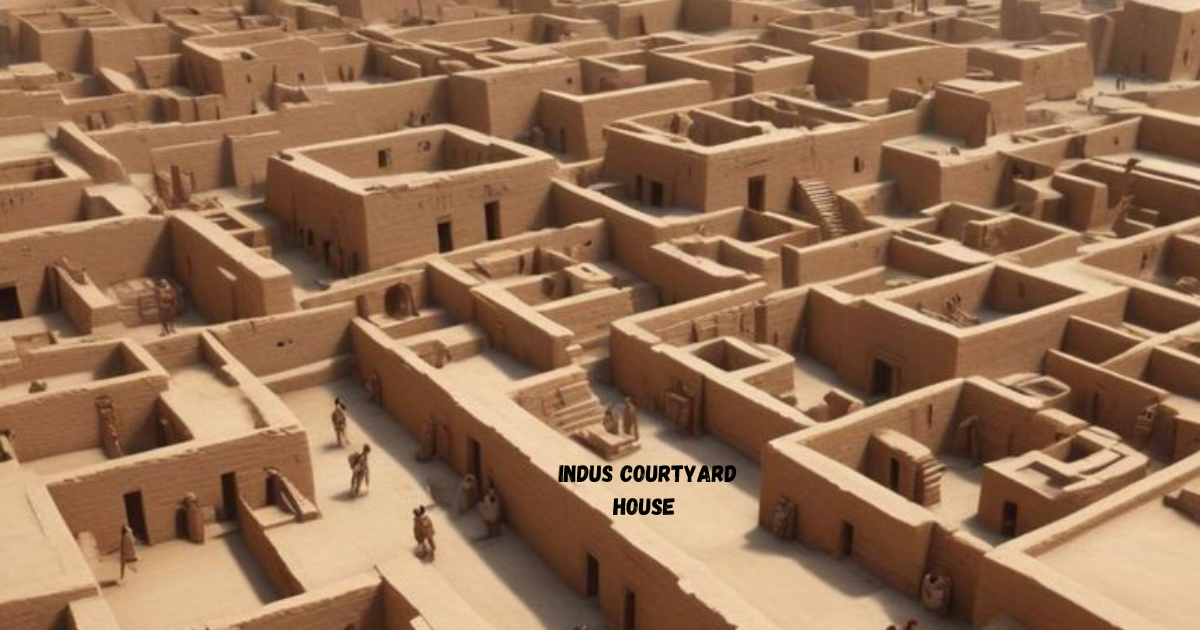
Homes in Harappa and Mohenjo-Daro were made of standardized fire-baked bricks, two or three stories high. Each house had a central courtyard that provided light and ventilation. Rooms opened into this courtyard — windows faced inward for privacy from streets. Most houses had private wells, bathrooms with waterproof floors, and a sophisticated drainage system. The "upper class" and commoners used similar house layouts, showing social equality. The famous Great Bath was a public facility, but private bathing platforms were standard.
Key features: Baked bricks (ratio 1:2:4), flat roofs made of wood and reeds, staircase to upper floors, dustbins built into walls. Kitchens had clay ovens and storage jars. Floors were tamped earth or brick. Doorways often had a threshold to keep out dust.
🌾 2. Vedic Period (1500–500 BCE) – Simple, Nature-Integrated Homes
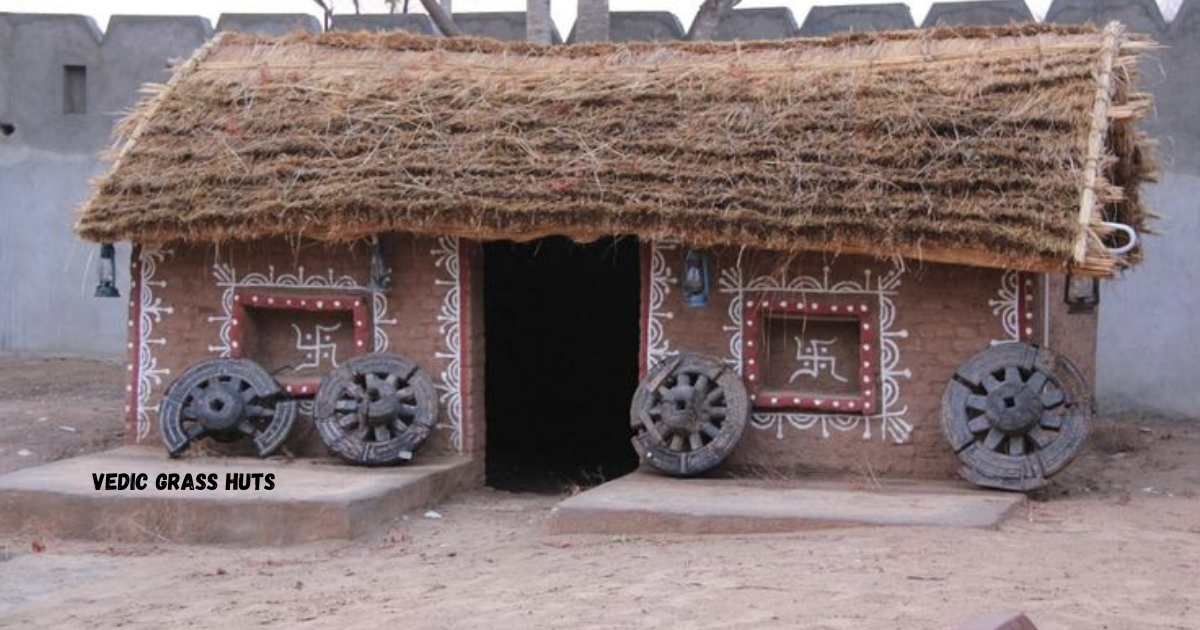
The early Vedic people lived in circular or rectangular huts made of bamboo, wood, and thatch (grass). These were called "kuti" or "shala". A typical Vedic home had a single large room for the family, with a central fireplace (garhapatya) for cooking and sacred rituals. Later Vedic texts mention multi-roomed houses for wealthy chiefs (rajans) — with separate sleeping quarters, a guest room, and a granary. Walls were smeared with cow dung and clay to keep insects away. Courtyards were used for domestic animals.
Furniture included woven cots (charpai), wooden stools, and earthen pots. The house faced east or north to capture morning sun. These eco-friendly designs influenced rural Indian homes for millennia.
🏛️ 3. Mauryan & Post-Mauryan Homes (322 BCE–300 CE) – Urban Elegance
During the Mauryan Empire, cities like Pataliputra (Patna) had multi-storied wooden palaces and brick houses. Megasthenes (Greek ambassador) described houses as spacious, with pillars and decorative toranas (arches). Wealthy homes had elegant gardens, lotus ponds, and separate servant quarters. In towns like Taxila, houses were built around a courtyard (sopana), with rooms on two or three sides, and a small shrine for household gods. Wood was widely used, along with stone in the northwestern regions.
The "Grihya Sutras" (domestic manuals) provide rules for house construction: facing directions, placement of kitchen, toilet outside the house, and a specific area for worship (devagriha).
🌴 4. Gupta & Classical Period (300–800 CE) – Stone & Courtyard Aesthetics
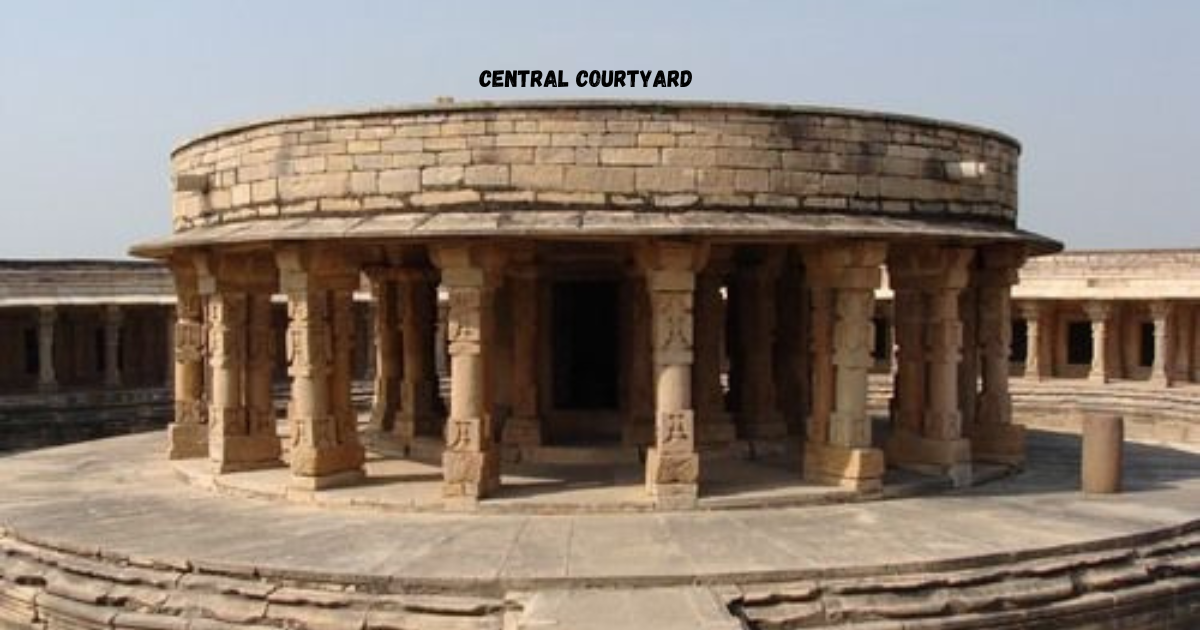
Gupta-era homes (as seen in Ajanta cave paintings and literary texts like Kamasutra) featured elaborate wooden balconies, carved pillars, and tiled roofs. A typical urban house had: entrance porch (ardhamandapa), a large hall (mandapa) for receiving guests, inner courtyard (anganam), private bedrooms, kitchen, and a terrace. Windows had stone lattices (jali) for air circulation. Wealthy homes included gardens with swings, and lotus tanks.
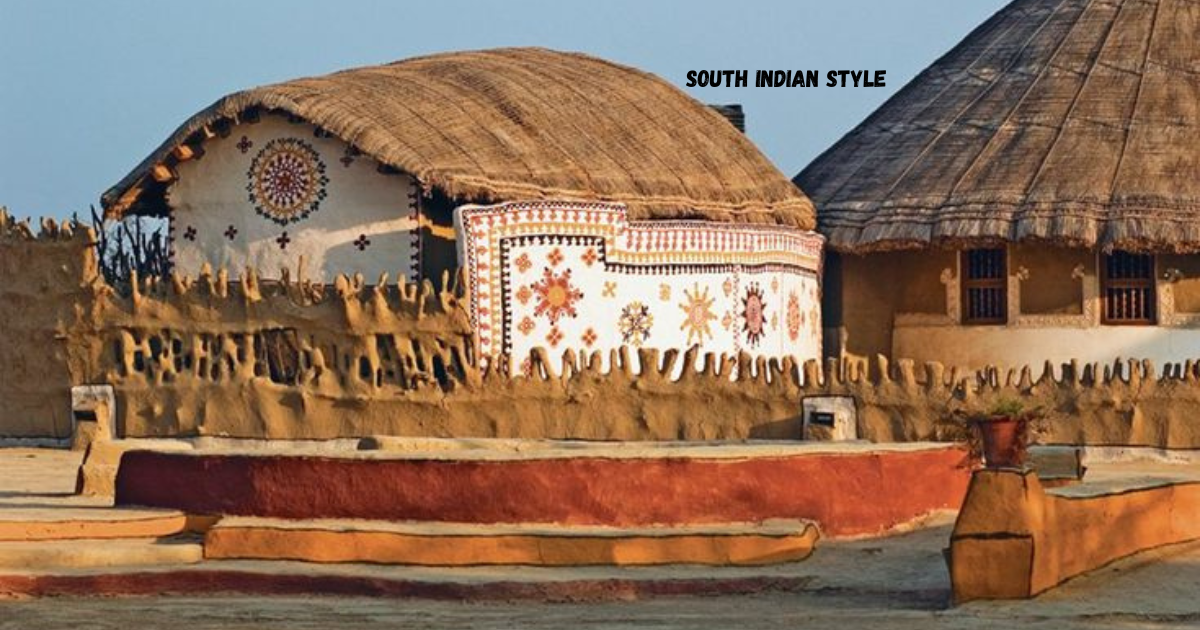
In South India, homes were made of granite and laterite with thatched or tiled roofs. The "thinnai" (raised veranda) served as a sitting area and sleeping spot in hot nights.
🌿 5. Daily Life & Furniture in Ancient Indian Homes
Inside an ancient Indian home, you'd find:
– **Low wooden stools and cots (khat)** woven with cotton or jute ropes.
– **Earthen lamps (diya)** for lighting, filled with ghee or sesame oil.
– **Clay and copper utensils** for cooking and storing water.
– **Floor mats (asana)** made of kusha grass or cloth.
– **Wall paintings** depicting flowers, geometric patterns or deities (in richer homes).
– **Granaries and storage bins** for grains.
🗿 6. Regional Variations: North vs South, Coastal vs Desert
In arid Rajasthan, houses had thick stone walls and small windows to keep heat out. In the wet Eastern regions (Bengal), bamboo structures with sloping thatched roofs prevented water accumulation. Coastal areas used laterite stones and coconut wood. The Himalayan region used wood and stone with slate roofs. Despite differences, the common theme remained: courtyard-centric design, natural materials, and orientation based on sun/wind.
📅 Key Events & Timeline of Ancient Indian Housing
- 🔹 3300 BCE – Earliest mud-brick houses in Mehrgarh (pre-Harappan)
- 🔹 2600 BCE – Grid-planned city houses in Mohenjo-Daro (baked bricks & drainage)
- 🔹 1500 BCE – Vedic thatched huts & sacrificial fire altars in homes
- 🔹 600 BCE – Urban houses with wood pillars (Second Urbanization)
- 🔹 300 BCE – Megasthenes describes Mauryan wooden mansions
- 🔹 200 CE – Stone court-yard houses in South India (Sangam literature)
- 🔹 400 CE – Gupta period decorative homes with balconies & jali windows
- 🔹 800 CE – Regional styles fully developed (Nagara, Dravidian influences)
These architectural traditions were not static — they evolved with climate, available materials, and social needs. Many principles like cross-ventilation, semi-open courtyards, and sacred space (puja corner) are still alive in modern Indian homes.
💡 Conclusion: Simplicity, Harmony, and Timeless Wisdom
Ancient Indian homes were never just shelters — they were a reflection of cosmic order (Vastu Shastra), family unity, and reverence for nature. From the advanced drainage of Indus cities to the rustic warmth of Vedic huts, each home was designed for health, happiness, and sustainability. As we build modern smart houses, we can learn from these ancient masters: use local materials, optimize sunlight, ensure privacy with courtyards, and keep a spiritual corner. That is why the question “Ancient Indian homes kase disat hote?” reveals a beautiful story of human genius and simplicity.
📜 प्राचीन भारतीय घरं कशी दिसत? एक प्रवास
आपण प्राचीन भारतीय घरांची कल्पना करतो तेव्हा चिखलाची झोपडी किंवा राजवाडे डोळ्यासमोर येतात. पण खरं तर ही घरं वैविध्यपूर्ण आणि अत्यंत बुद्धिमत्तेने बांधली गेली. सिंधू संस्कृतीपासून वैदिक काळातील पर्णकुटी, मौर्य काळातील लाकडी हवेली अशी उत्क्रांती घडली. हा ब्लॉग तुम्हाला प्रत्येक बाबीत नेईल: बांधकाम साहित्य, खोल्यांची रचना, फर्निचर आणि दैनंदिन जीवन.
🏺 १. सिंधू संस्कृती (२६००–१९०० BCE) – जगातील पहिली स्मार्ट घरं
हडप्पा, मोहेंजोदडो येथील घरे मापबद्ध भाजलेल्या विटांनी बांधली जात. दुमजली किंवा तीनमजली पण प्रत्येक घरात मध्यभागी अंगण असायचे (courtyard). अंगणामुळे प्रकाश व हवा खोल्यांपर्यंत पोहोचते. बाहेरच्या रस्त्याला खिडक्या नसून सर्व खिडक्या अंगणात खुलत – गोपनीयतेसाठी. प्रत्येक घरात स्वतंत्र विहीर, स्नानगृह, आणि झाकलेली नाली व्यवस्था. ही स्वच्छता आजही अनेक गावांमध्ये नाही. आठवणीचा मुद्दा: सिंधू संस्कृतीत श्रीमंत-गरीब अशी फारशी विभागणी नव्हती – सर्व घरे सारखीच!
🌾 २. वैदिक काळ (१५००–५०० BCE) – साधी, निसर्गाशी नाळ
आरंभीच्या वैदिक काळात घरे बांबू, लाकूड, गवताची बनवली जात. याला “कुटी” म्हणत. एकच मोठी खोली, मध्यभागी अग्निकुंड (गार्हपत्य). नंतरच्या काळात राजे सरदार यांच्याकडे स्वतंत्र शयनगृह, पाहुण्यांच्या खोल्या, धान्यकोठार अशी घरं होती. भिंतींवर शेणाचा लेप असायचा. आसन म्हणून गवताची आसने, विणलेली चारपाई, मातीची भांडी.
🏛️ ३. मौर्य व त्यानंतरची घरं (३२२ BCE–३०० CE)
मौर्य साम्राज्यात पाटलीपुत्रासारख्या शहरांत बहुमजली लाकडी प्रासाद आणि विटांची रचना. ग्रीक राजदूत मेगस्थेनिसने घरांची प्रशंसा केली – स्तंभ, प्रशस्त अंगण, बागा. तक्षशिलात घरं प्रांगणाभोवती बांधली असत. स्वयंपाकघर, देवघर (गृहदेवतेसाठी स्वतंत्र जागा) असायची. गृह्यसूत्रांमध्ये घराची दिशा, शौचालय घराबाहेर, अग्निकुंड रचना यांचे नियम आहेत.
🌴 ४. गुप्त काळ आणि शास्त्रीय काळ (३००–८०० CE) – कोरीव काम
गुप्त काळातील घरांत लाकडी बाल्कनी, कोरीव स्तंभ, टाइलची छत होती. अजिंठा चित्रांतून अशी घरं दिसतात. एका विशिष्ट घरात: प्रवेशद्वार (अर्धमंडप), मोठा हॉल (मंडप), आतील अंगण, खासगी शयनकक्ष, स्वयंपाकघर. दक्षिण भारतात ग्रॅनाइट आणि लेटराइट या दगडांची घरं, "तिन्नई" (पायरीवरील प्रशस्त बसायची जागा) हे वैशिष्ट्य.
🌿 ५. प्राचीन फर्निचर आणि वस्तू
– विणलेल्या दोऱ्यांची चारपाई (खाट)
– लाकडी पाट आणि स्टूल
– मातीचे दिवे (तेलाचे दिवे)
– तांबे व मातीची भांडी
– भिंतीवर फुले, ज्यामितीय आकृत्या (श्रीमंत घरात)
– अंगणात तुळशीचा वृंदावन – अनेक परंपरा आजही टिकून आहेत.
🗿 ६. प्रादेशिक विविधता – राजस्थान, बंगाल, केरळ
राजस्थानात दगडी भिंती, छोट्या खिडक्या; बंगालमध्ये बांबूची उतार छप्पर; केरळमध्ये लाकडी छत आणि मोठे ओसरी. पर्वतीय भागात दगड व शेता (slate) वापर. पण सर्वत्र एक गोष्ट सामाईक – मध्यभागी अंगण, नैसर्गिक साहित्य, आणि सूर्य-वाऱ्याशी सुसंगतता.
📅 प्राचीन भारतीय घरांच्या विकासातील प्रमुख टप्पे
- 🔹 इ.स.पू. ३३०० – मेहरगढ़ मातीच्या विटांची घरं
- 🔹 इ.स.पू. २६०० – हडप्पा व मोहेंजोदडोतील नियोजित घरे (विटा व निचरा)
- 🔹 इ.स.पू. १५०० – वैदिक कुटी व अग्निकुंड
- 🔹 इ.स.पू. ६०० – दुसऱ्या शहरीकरणात लाकडी स्तंभांची घरं
- 🔹 इ.स.पू. ३०० – मेगस्थेनिसने वर्णन केलेली मौर्य हवेली
- 🔹 इ.स. २०० – संघम साहित्यात दगडी अंगणवजा घरं
- 🔹 इ.स. ४०० – गुप्त काळातील बाल्कनी व जाळीच्या खिडक्या
- 🔹 इ.स. ८०० – प्रादेशिक शैलींचा पूर्ण विकास
💡 निष्कर्ष: साधेपणा, सुसंवाद आणि कालातीत ज्ञान
प्राचीन भारतीय घरं ही केवळ राहण्याची जागा नव्हती – ती विश्वरचनेशी सुसंगत (वास्तूशास्त्र), कुटुंब एकता आणि निसर्गाची पूजा यांचे प्रतिबिंब होती. सिंधूच्या प्रगत नाल्यांपासून ते वैदिक कुटीच्या साध्या उबदारपणापर्यंत, प्रत्येक घर आरोग्य, आनंद आणि शाश्वततेसाठी डिझाइन केले होते. आपण जेव्हा स्मार्ट घरं बांधतो तेव्हा प्राचीन मास्टर्सकडून स्थानिक साहित्य, सूर्यप्रकाश आणि गोपनीयता या गोष्टी शिकू शकतो. म्हणूनच “प्राचीन भारतीय घरं कशी दिसत?” या प्रश्नात माणसाच्या बुद्धीची गोड कहाणी दडलेली आहे.