


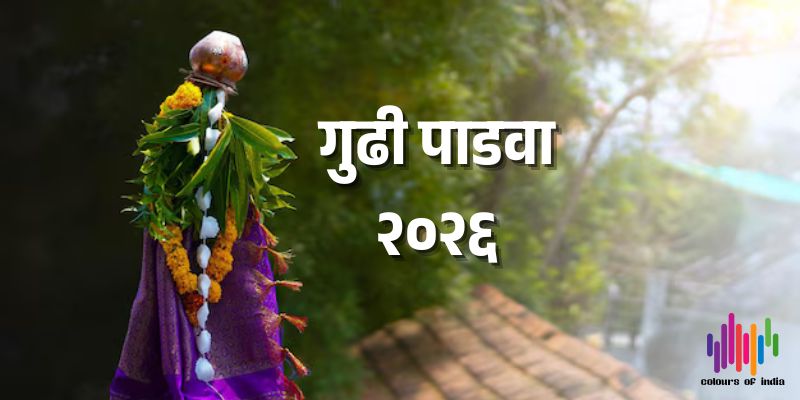
Gudi Padwa 2026
Can you feel that shift in the air? The soft warmth, the mango blossoms, and the scent of neem mingling with jaggery? That's Gudi Padwa knocking at our doors — the day we in Maharashtra (and many across India) welcome our traditional new year. It's not just a date on the Hindu calendar; it's like the universe quietly winks and says, "let's begin again, but with more colour".
If you've ever walked past a neighbourhood in Pune or Mumbai around late March and spotted bright yellow flags hoisted outside homes, adorned with sugar crystals and neem leaves — you've already glimpsed the heart of Gudi Padwa. For me, it always brings back memories of my grandmother carefully tying the copper pot upside down, muttering prayers, and then handing us a mix of bittersweet neem-jaggery. "Eat it, it cleans the soul", she'd say. Honestly? It still does.
📅 Hindu calendar first day – Chaitra Shukla Pratipada — that's the official ticking of the lunisolar clock. This year (2026) it falls on Thursday, 19 March 2026 . The day when spring wears its finest, and every household in Maharashtra raises the Gudhi as a victory flag.
Pratipada Tithi timings:
📆 Begins: 19 March 2026, 6:52 AM
📆 Ends: 20 March 2026, 4:52 AM
Since Gudi Padwa is observed based on the tithi at sunrise, the festival is celebrated on 19 March .
The festival also marks the beginning of Chaitra Navratri and the Hindu new year (Samvat 2083) . So mark your calendars, or better still, mark your doorways with mango leaves!
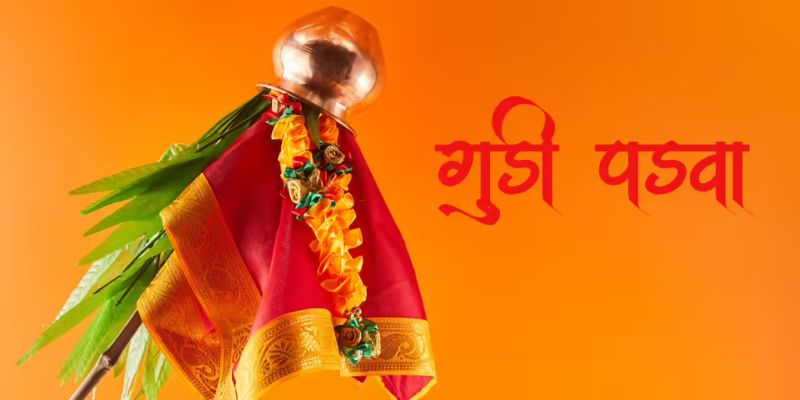
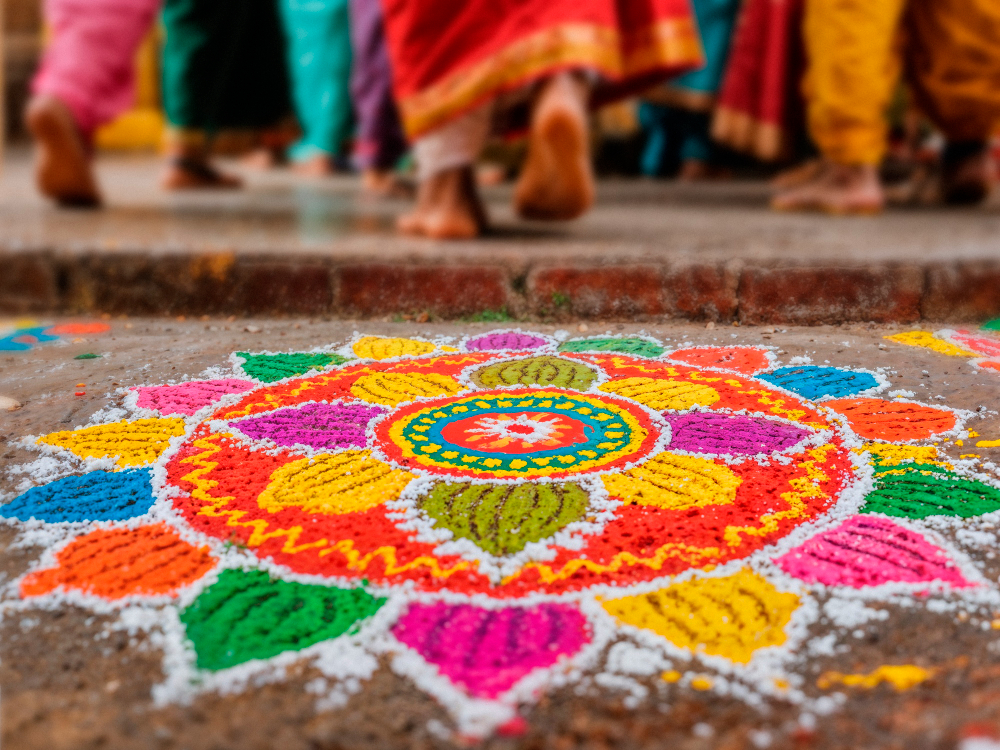
Gudi Padwa in pictures


(Swipe or click arrows to see more)
Where does Gudi Padwa come from?
Like any good Indian festival, Gudi Padwa has more origin stories than a grandmother's treasure chest. Some say it's the day Brahma ji created time and the universe — literally the new year of Satya Yuga . But the story that really tugs at my heart? It's the day Lord Rama returned to Ayodhya after 14 years of exile, having vanquished Ravana. The Gudhi (flag) is believed to be a symbol of that victory — a reminder that good always finds its way home .
There's also the brave Shalivahana king story: after defeating the Huns, he hoisted a Gudhi to mark the start of the Shalivahana calendar (still followed in south and west India). So, in a way, every Gudi Padwa we hoist a little flag that says: "we've overcome, and we'll overcome again."
Why so important? (aside from the puran poli)
Let's be real — the festival is a feast for the senses. But spiritually, Gudi Padwa is about embracing life exactly as it is: sweet and bitter. That neem-jaggery mixture we eat? It's not random. It's a gentle philosophy: joy and sorrow are two sides of the same coin, so learn to taste both with equal calm . Deep, right? Meanwhile, the Gudhi itself (a long bamboo stick with a bright cloth, neem and mango leaves, and an upturned silver/copper pot) is believed to ward off evil and invite prosperity. It's often hung slightly to the right — the direction of the breeze that brings good luck .
Farmers see it as the end of one harvest and the hint of the next. For traders, it's the new financial year (books are settled, new ledger opened). And for all of us? It's just permission to start fresh — wear that new Paithani, draw a vibrant rangoli, and let the sound of festive thali break the monotony.
Same day, different names — India's beautiful diversity
You might have heard of Ugadi — that's what our Kannadiga and Telugu friends call it. Same lunar day (19 March 2026), similar neem-jaggery ritual, and the same excitement . In Sindhi communities, it's Cheti Chand (their new year too). For Konkanis, it's Sanvsar Padvo. And in Kashmir, it's Navreh. Isn't it beautiful how the same breeze takes different names but carries the same fragrance of hope?
On this day, households in Andhra make pachadi with neem, jaggery, raw mango, and tamarind — a flavour bomb of six tastes. In Maharashtra, it's shrikhand-puri and puran poli that steal the show . The Gudi itself might differ a little — silk cloth in cities, cotton in villages — but the spirit is one: come, let's celebrate.
How to feel the festival (even from a city balcony)
You don't need a village square. On Gudi Padwa morning (19 March 2026), take a bath (abhyang snan is traditional), wear something new, and help set up a small Gudhi — even a tiny bamboo stick with a bright cloth and a small pot works . Traditional colours for the Gudhi cloth include deep yellow, orange, red or green — all considered auspicious . Draw a rangoli at your doorstep — geometric or freehand, doesn't matter. Then cook something festive: even if it's just puri and a sweet. And before you eat that neem-jaggery mixture, pause for a second and think: "I welcome both the bitter and the sweet this year."
Trust me, it hits different.
On 19 March 2026, as the Gudhi goes up, let it be a tiny flag of your own resilience. You've made it through another year — that itself is worth hoisting.
And hey, if you're not from Maharashtra but still feel like raising a Gudhi, go ahead! India's festivals are all inclusive. Cook some puran poli, listen to a little अभंग or just sit in the sun with a cup of chai and watch the flags flutter. You'll feel the new year seep in.
From Coloursofindia
Click any link to dive deeper – all external sites open in a new tab.