

Harappa Sanskruti
📍 Sindhu-Saraswati Civilization | The urban brilliance of ancient India

🏛️ How Did People Live in Harappa?
The Harappan Civilization (2600 BCE – 1900 BCE), also known as the Indus Valley Civilization, was one of the three great early civilizations (along with Egypt and Mesopotamia). Over 1,400 sites have been discovered, including the major urban centers of Harappa, Mohenjo-Daro, Dholavira, and Ganeriwala. People lived in remarkably well-planned cities with a deep sense of hygiene, community, and advanced engineering.
Every aspect of life – from home construction to water supply, trade, and even recreation – was organized. This blog explores authentic details about their housing, urban design, daily food, clothing, arts, religious beliefs, and the sudden decline.
🏙️ Urban Planning & Housing
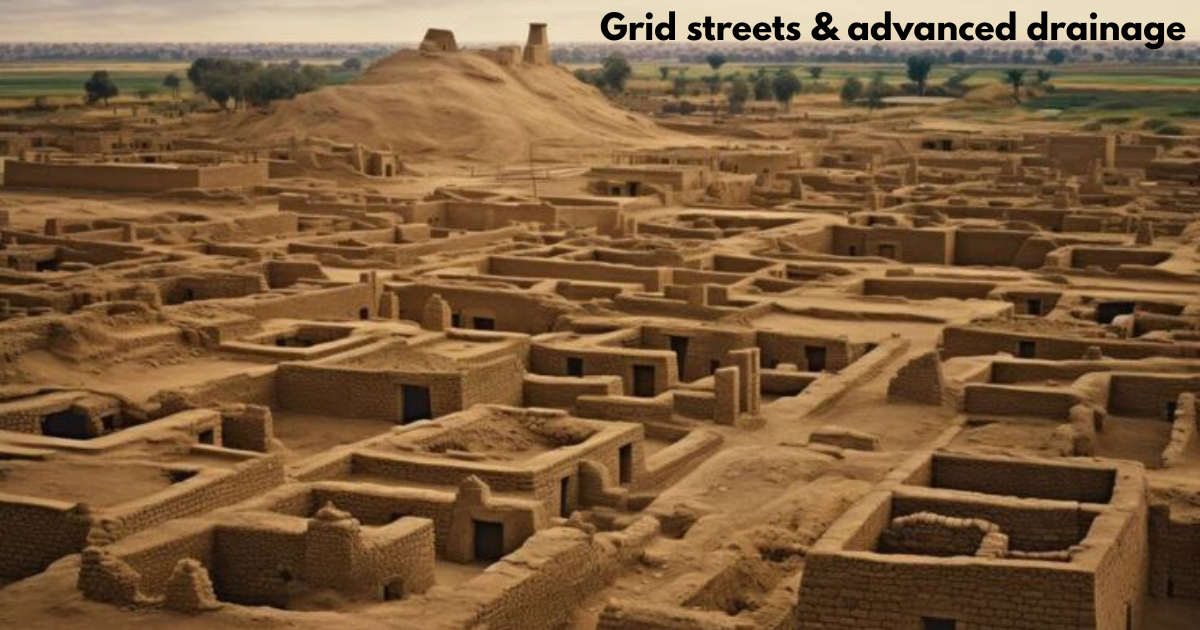
Grid Layout & Citadels: Harappan cities were divided into two parts: a raised citadel (administrative/religious) and a lower town (residential). Streets were straight, intersecting at right angles, and lined with covered drains. Houses were made of standardized baked bricks, often two or three stories high, with flat roofs made of wood and reeds.
Inside a House: Every wealthy home had a central courtyard for natural light and ventilation. Most houses had private wells, bathrooms with waterproof floors, and a sophisticated drainage system connected to street sewers. Privacy was important: windows faced inner courtyards rather than main roads.
🏡 Typical Features:
- Brick-lined bathing platforms.
- Underground drains with inspection holes.
- Granaries (storehouses) for communal grain storage.
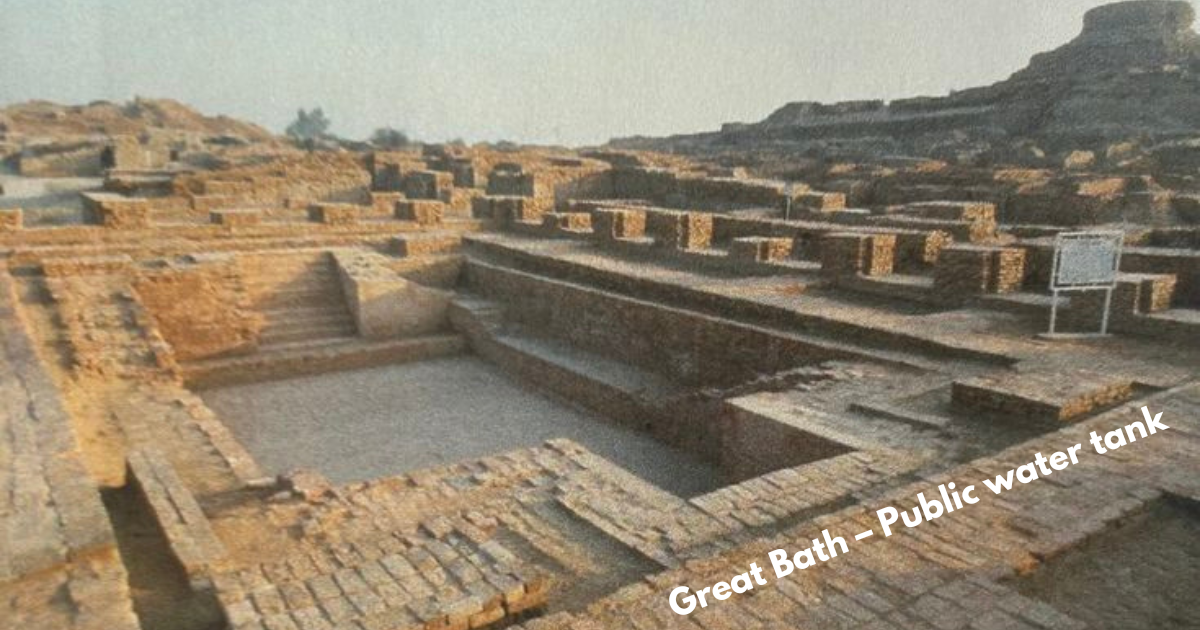
- Public wells and large bathhouses (Great Bath, Mohenjo-Daro).
💧 Water & Drainage System — Engineering Marvel
Harappans built some of the most advanced sanitation systems of the ancient world. Almost every house had a private toilet and bathroom, and waste water flowed through sealed clay pipes into main drains along the streets. Manhole covers allowed regular cleaning. No other Bronze Age civilization had such hygienic municipal systems.
Public wells supplied clean drinking water, and the "Great Bath" (12m x 7m) was lined with natural tar to prevent leakage — possibly used for ritual purification.
🌾 Food, Clothing & Daily Occupation
Agriculture & Diet: Wheat, barley, peas, dates, sesame, and cotton were cultivated. They were among the first to grow rice and produce cotton textiles. Meat included fish, mutton, pork, and chicken; dairy (milk and curd) was common. Clay ovens (tandoor-like) were used for baking bread.
Clothing: Both men and women wore two-piece garments – a lower skirt-like dhoti and a shawl draped over the shoulder. Evidence of cotton and wool, and elaborate bead jewelry (carnelian, lapis lazuli, steatite) found. Women wore heavy bangles, girdles, and fancy hairpins.
Occupations: Farmers, traders, artisans, bead makers, metalworkers (bronze, copper, gold), seal carvers, and builders. Harappan society was a complex urban economy with long‑distance trade reaching Mesopotamia, Oman, and Central Asia.
📦 Trade, Economy & Weights
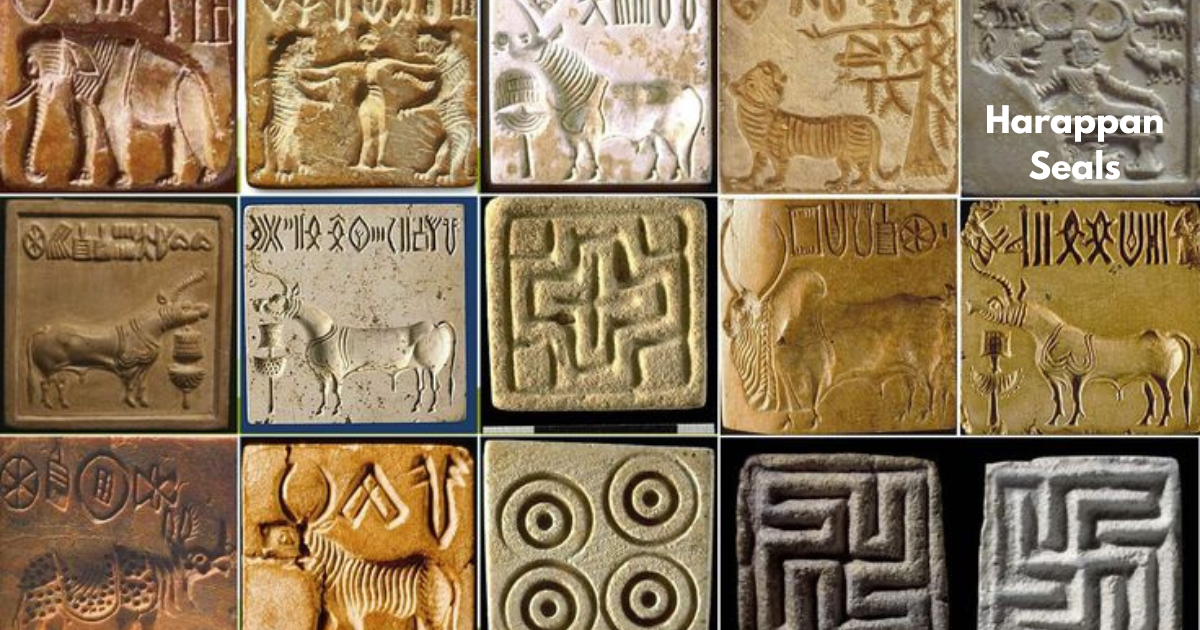
Harappans pioneered standardized stone weights and measures. They traded cotton, timber, carnelian, and lapis lazuli. Seals carved with animal motifs (unicorn, bull) and the Indus script were used to stamp goods. Lothal (Gujarat) had a dockyard, revealing maritime trade networks. The discovery of Mesopotamian seals in Harappa confirms active exchanges.
🎨 Arts, Crafts & Religion
Artistic brilliance: The bronze "Dancing Girl" statue, stone sculptures of "Priest-King", terracotta figurines of mother goddesses, and beautifully painted pottery. Bead factories produced micro-beads from steatite.
Religious beliefs: Worship of Mother Goddess (female fertility idols). Pashupati seal shows a seated figure surrounded by animals (possibly Proto-Shiva). Sacred peepal trees, fire altars (at Kalibangan), and ritual bathing. No monumental temples but strong belief in nature and fertility cults.
✍️ Indus Script & Language
The Indus script remains undeciphered, found on seals, pottery, and tablets. It contains over 400 unique symbols. Scholars believe it represents a Dravidian or proto‑Munda language. Without bilingual texts, it’s a fascinating unsolved mystery.
⏳ Key Events & Timeline
- 🔹 3300 BCE – Early Harappan Phase begins
- 🔹 2600 BCE – Mature Harappan (Urban boom)
- 🔹 2500 BCE – Great Bath & Dockyard of Lothal
- 🔹 2300 BCE – Peak trade with Mesopotamia
- 🔹 1900 BCE – Gradual decline begins
- 🔹 1500 BCE – Abandonment of cities
- 🔹 1921 CE – Excavation of Harappa by Daya Ram Sahni
Reasons for decline: climate change, drying of Ghaggar-Hakra river, floods, possible Aryan migration? But the legacy influenced later Indian culture: town planning, yoga seals, and craft traditions.
🏛️ हडप्पा संस्कृतीतील लोक कसे राहत?
हडप्पा संस्कृती (इ.स.पू. २६०० – १९००) जिला सिंधू संस्कृती असेही म्हणतात, ही इजिप्त व मेसोपोटेमिया बरोबरीची प्राचीन अद्वितीय संस्कृती होती. हडप्पा, मोहेंजोदडो, धोलाविरा येथे उत्खननात सुयोजित शहरे सापडली. लोक विचारपूर्वक वसाहतीत, स्वच्छतेला अतिशय महत्त्व देऊन राहत.
घरांची रचना, जलनिचरा यंत्रणा, व्यापार, अन्नव्यवस्था - सर्वकाही सुसंघटित होते. हा ब्लॉग हडप्पाच्या जीवनाचा सखोल आढावा घेतो.
🏙️ नगररचना व निवासस्थाने
आयोजित शहरे: शहरे दोन भागात विभागली: उंचावर किल्ला (प्रशासकीय/धार्मिक) व खालील वसाहत. रस्ते सरळ, आडव्या उभ्या दिशा, निचर्याचे वाहिन्या रस्त्याच्या कडेने. विटा भट्टीत भाजलेल्या असत. घरे दुमजली-तिनमजली असत, अंगण असायचे.
वैशिष्ट्ये: बहुतांश घरांत स्वतंत्र विहीर, स्नानगृह (वॉटरप्रूफ जमीन), स्वच्छतेची वाहिनी रस्त्यातील मुख्य नाल्याला जोडलेली होती. सार्वजनिक विहिरी व महास्नानगृह (मोहेंजोदडो).
- वीटेच्या स्नानशाळा
- सांडपाण्याची तपासणी भोकं
- धान्यकोठार
💧 जलव्यवस्था व निचरा – अभियांत्रिकीचा चमत्कार
जगातील सर्वात प्रगत गटार यंत्रणा हडप्पामध्ये सापडते. प्रत्येक घरातून चिकणमातीच्या पाईपद्वारे पाणी मुख्य नाल्यात वाहत असे. मॅनहोल्सही होते. 'ग्रेट बाथ' (महास्नानागृह) बिटुमेनने सील केलेले असल्याने पाणी गळत नसे – हे धार्मिक शुद्धीकरणासाठी वापरत असावेत.
🌾 अन्न, वस्त्रे व दैनंदिन जीवन
शेती व खाद्य: गहू, जव, मटार, खजूर, तीळ, कापूस उत्पादन. भातही पिकवत. मासा, मटण, डुकराचे मांस, कोंबडी. दुग्धजन्य पदार्थ व भाकरी भट्टीत ( तंदूर सदृश ) भाजत. वस्त्रे: पुरुष व स्त्रिया दोन तुकडे वस्त्र – धोती सदृश व खांद्यावर झगा. कापसाचे विणकाम, चांदी, सोने व रत्नांचे दागिने. व्यवसाय: शेतकरी, व्यापारी, मणी बनवणारे, धातूकाम करणारे, शिक्के कोरणारे. संस्कृतीत गुंतागुंतीची आर्थिक उभारणी होती.
📦 व्यापार , अर्थव्यवस्था आणि मापे
हडप्पामध्ये प्रमाणित दगडी मापे वजनासाठी वापरली. कापूस, लाकूड, लापीस लाझुली, कार्नेलियनची निर्यात मेसोपोटेमियाला. लोथल येथे जहाजबांधणीचा कोरडा बंदर सापडला. महासागरीय व्यापार दर्शवितो.
🎨 कला, हस्तकला आणि धार्मिक श्रद्धा
कलाकुसर: कांस्याची 'नृत्य करणारी मुलगी' प्रतिमा, पुजारी राजाचा दगडी पुतळा, मातीच्या देवी मूर्ती. मणी-कारखाने. धार्मिकता: मातृदेवीची उपासना, पशुपती शिक्का (बसलेली व्यक्ती, सभोवताली प्राणी), पवित्र पिंपळ, अग्निवेदिका.
✍️ सिंधू लिपी व भाषा
सिंधू लिपी अजूनही उकलली गेली नाही. शिक्के, मातीच्या तबकड्यांवर ४००हून अधिक चिन्हे. भाषा द्रविड किंवा प्रोटो-मुंडा असावी. अनुवादित आधार नसल्याने एक अनोखे कोडे आहे.
⏳ महत्त्वाच्या घटना व कालरेषा
- 🔹 ३३०० BCE – प्रारंभिक हडप्पा सुरु
- 🔹 २६०० BCE – परिपक्व हडप्पा (शहरी विस्तार)
- 🔹 २५०० BCE – ग्रेट बाथ व लोथलचे कोरडे बंदर
- 🔹 २३०० BCE – मेसोपोटेमियाशी व्यापार शिखरावर
- 🔹 १९०० BCE – हळूहळू अधोगती
- 🔹 १५०० BCE – शहरांचा परित्याग
- 🔹 १९२१ CE – दया राम साहनी यांनी हडप्पा उत्खनन
अधोगतीची कारणे: हवामान बदल, नदी कोरडी होणे, पूर, संभाव्य आर्यांचे आगमन. परंतु या संस्कृतीने स्थापत्य, कला व व्यापाराचा वारसा दिला.