Introduction
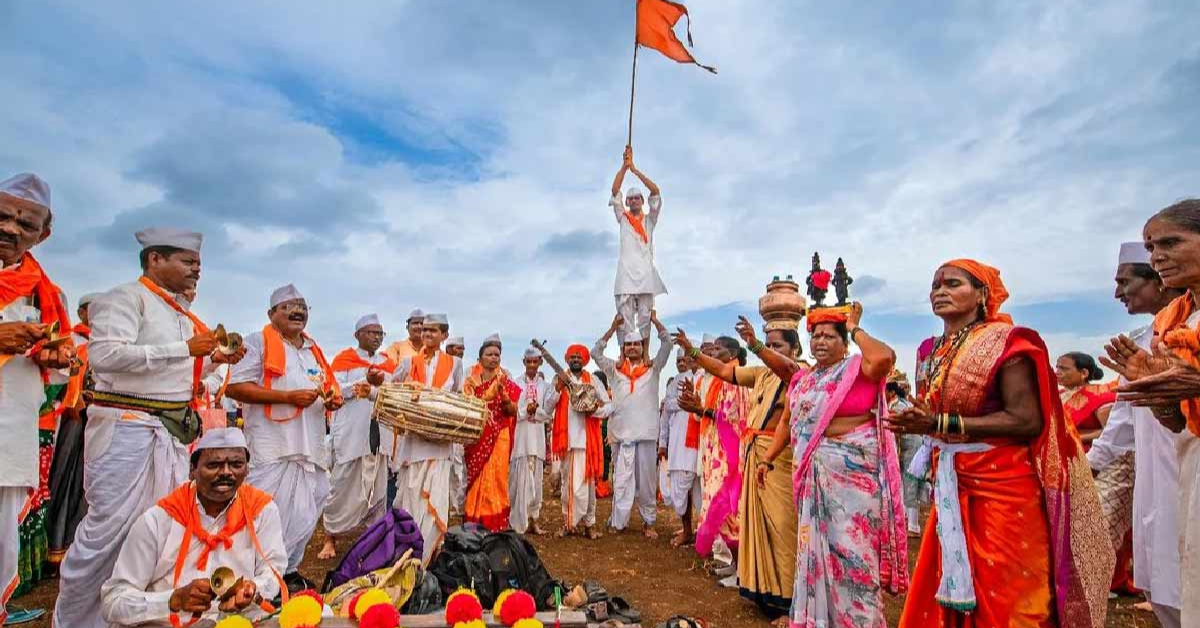
For over 800 years, a remarkable spiritual tradition has flourished in the heart of Maharashtra — the Warkari Sampradaya. It is a tradition that rejected caste discrimination, embraced equality, and taught millions to find the Divine not in temples alone, but in every step of a pilgrimage, every chant of God's name, and every act of service.
At its centre is Lord Vitthal of Pandharpur — a form of Krishna standing patiently on a brick, waiting for His devotees. And around this deity, a galaxy of saints emerged — Dnyaneshwar, Namdev, Eknath, Tukaram, Chokhamela, Janabai — each contributing to a tradition that would become one of the most powerful expressions of Bhakti (devotion) in India.
This is the story of the Warkari Sampradaya — a story of faith, resistance, poetry, and the enduring power of love for the Divine.
प्रस्तावना
८०० वर्षांहून अधिक काळ, महाराष्ट्राच्या मध्यभागी एक उल्लेखनीय आध्यात्मिक परंपरा फुलत आहे — वारकरी संप्रदाय. ही अशी परंपरा आहे ज्याने जातीय भेदभाव नाकारला, समानता स्वीकारली आणि लाखो लोकांना दैवीपणा केवळ मंदिरांमध्येच नव्हे, तर तीर्थयात्रेच्या प्रत्येक पावलात, ईश्वराच्या नामाच्या प्रत्येक जपात आणि सेवेच्या प्रत्येक कृतीत शोधण्यास शिकवले.
तिच्या केंद्रस्थानी पंढरपूरचे श्री विठ्ठल आहेत — एका विटेवर उभे राहून भक्तांची वाट पाहणारा कृष्णाचा एक रूप. आणि या दैवताभोवती, संतांची एक आकाशगंगा उदयास आली — ज्ञानेश्वर, नामदेव, एकनाथ, तुकाराम, चोखामेळा, जनाबाई — प्रत्येकाने भारतातील भक्तीच्या सर्वात शक्तिशाली अभिव्यक्तींपैकी एक बनलेल्या या परंपरेला योगदान दिले.
ही आहे वारकरी संप्रदायाची कथा — श्रद्धा, प्रतिकार, काव्य आणि दैवी प्रेमाच्या स्थायी सामर्थ्याची कथा.
The Bhakti Movement in India
To understand the Warkari Sampradaya, we must first understand the broader movement from which it emerged — the Bhakti movement.
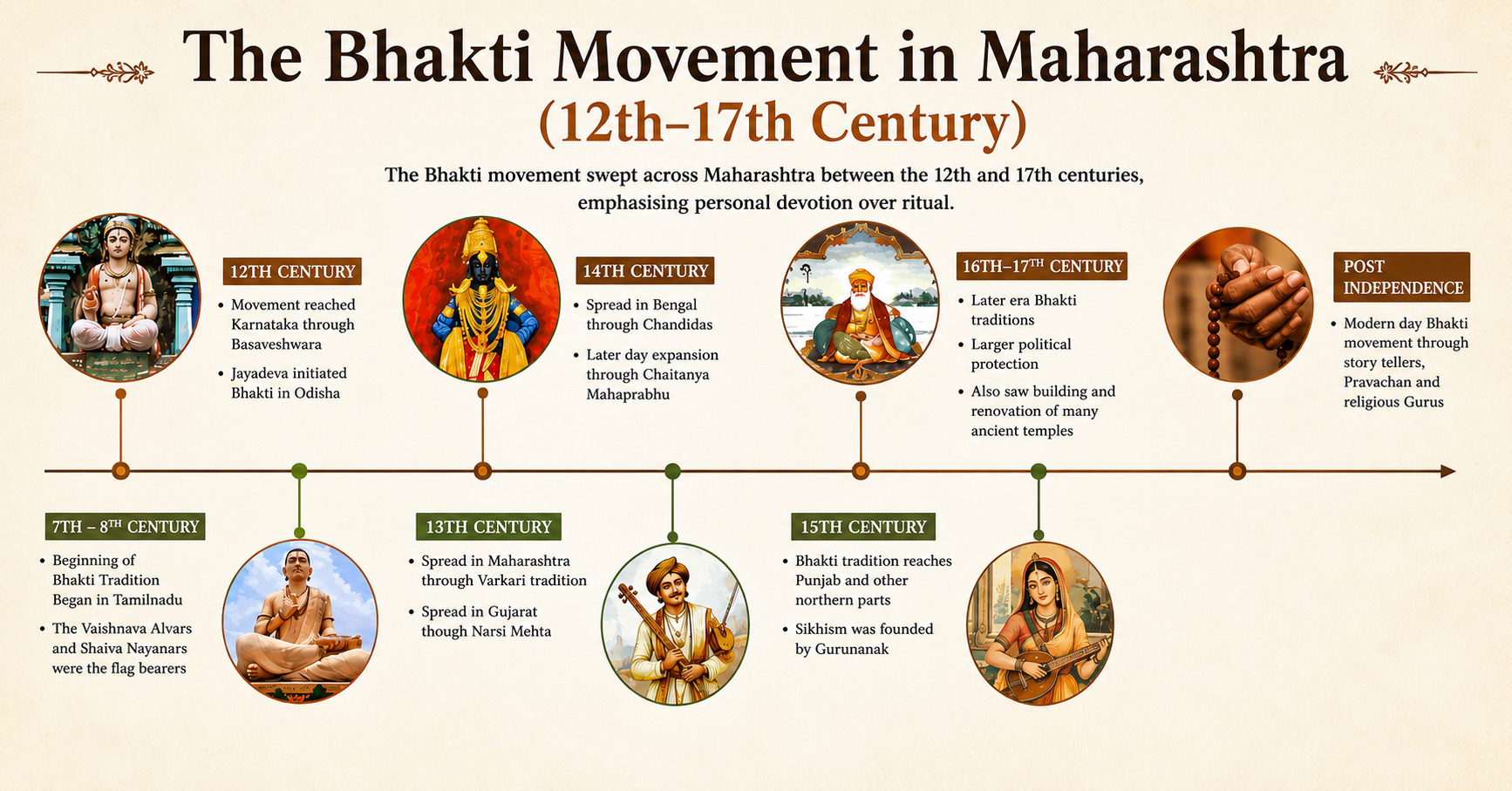
Between the 12th and 17th centuries, a spiritual revolution swept across India. It was called the Bhakti movement — a movement that emphasised personal devotion to a chosen deity over the elaborate rituals of Vedic religion. Bhakti was not confined by caste, gender, or social status. It was open to all.
The Bhakti movement arose as a reaction against the ritualism, priestly domination, and caste hierarchies that had come to characterise much of religious practice. The Bhakti saints taught that salvation was not a privilege of the few but the birthright of all — accessible through sincere devotion.
In South India, the Alvars and Nayanars pioneered the Bhakti movement. In North India, saints like Kabir, Tulsidas, Mirabai, and Surdas spread the message of devotion. In Maharashtra, the Bhakti movement found its most powerful and enduring expression through the Warkari Sampradaya.
What made the Maharashtra Bhakti movement unique was its emphasis on Namasmaran (chanting God's name), its rejection of caste discrimination, and its integration with the pilgrimage tradition to Pandharpur. The Warkari saints were not just poets or philosophers — they were social revolutionaries who challenged the oppressive structures of their time.
भारतातील भक्ती चळवळ
वारकरी संप्रदाय समजून घेण्यासाठी, आपण प्रथम ती व्यापक चळवळ समजून घेतली पाहिजे ज्यातून तो उदयास आला — भक्ती चळवळ.
१२व्या ते १७व्या शतकादरम्यान, भारतात एक आध्यात्मिक क्रांती पसरली. तिला भक्ती चळवळ म्हणतात — एक अशी चळवळ ज्याने वैदिक धर्माच्या गुंतागुंतीच्या विधींपेक्षा निवडलेल्या दैवतावर वैयक्तिक भक्तीवर भर दिला. भक्ती जात, लिंग किंवा सामाजिक स्थितीने बांधली गेली नव्हती. ती सर्वांसाठी खुली होती.
भक्ती चळवळ विधीवाद, पुरोहित वर्गाचे वर्चस्व आणि जातीय श्रेणी यांच्या विरोधात उदयास आली ज्यांनी धार्मिक पद्धतींचे वैशिष्ट्य बनले होते. भक्ती संतांनी शिकवले की मोक्ष हा काही काहींचा विशेषाधिकार नाही तर सर्वांचा जन्मसिद्ध हक्क आहे — प्रामाणिक भक्तीद्वारे सुलभ.
दक्षिण भारतात, आळ्वार आणि नायनारांनी भक्ती चळवळीची सुरुवात केली. उत्तर भारतात, कबीर, तुळसीदास, मीराबाई आणि सूरदास यांसारख्या संतांनी भक्तीचा संदेश पसरवला. महाराष्ट्रात, भक्ती चळवळीला वारकरी संप्रदायाद्वारे सर्वात शक्तिशाली आणि टिकाऊ अभिव्यक्ती मिळाली.
महाराष्ट्रातील भक्ती चळवळ विशेष बनवणारी गोष्ट म्हणजे नामस्मरण (ईश्वराच्या नावाचा जप) वर भर, जातीय भेदभाव नाकारणे आणि पंढरपूरच्या तीर्थयात्रेच्या परंपरेशी समाकलन. वारकरी संत केवळ कवी किंवा तत्त्वज्ञ नव्हते — ते त्यांच्या काळातील उत्पीडक संरचनांना आव्हान देणारे सामाजिक क्रांतिकारक होते.
Origins of the Warkari Sampradaya
The Warkari Sampradaya traces its origins to the 13th century CE, centred on the town of Pandharpur in Maharashtra. The tradition is built around the worship of Lord Vitthal (also called Vithoba or Panduranga) — a form of Krishna who stands on a brick, waiting for His devotees.
The word Warkari comes from Wari (pilgrimage) and Kari (one who does) — meaning "one who undertakes the pilgrimage." The pilgrimage to Pandharpur on Ashadhi Ekadashi has been the defining practice of the sampradaya for centuries.
While the tradition was formalised in the 13th century, its roots go deeper. The story of Pundalik — the devotee whose service to his parents brought Lord Krishna to Pandharpur — is believed to date back thousands of years. Pundalik, while serving his parents, threw a brick for Krishna to stand on, and the Lord patiently waited. This image of Krishna standing on a brick became Lord Vitthal, and the town became Pandharpur.
The formal establishment of the Warkari Sampradaya, however, is credited to the saint-poet Sant Dnyaneshwar Maharaj and his contemporary Sant Namdev, who systematised the pilgrimage tradition and composed the devotional songs (Abhangas) that would define the tradition.
वारकरी संप्रदायाचा उगम
वारकरी संप्रदायाचा उगम १३व्या शतकात महाराष्ट्रातील पंढरपूर या नगरीभोवती केंद्रित आहे. ही परंपरा श्री विठ्ठल (ज्यांना विठोबा किंवा पांडुरंग असेही म्हणतात) — कृष्णाचे एक रूप जे एका विटेवर उभे राहून भक्तांची वाट पाहतात — यांच्या पूजेभोवती बांधली गेली आहे.
वारकरी हा शब्द वारी (तीर्थयात्रा) आणि करी (करणारा) यावरून आला आहे — म्हणजे "तीर्थयात्रा करणारा." आषाढी एकादशीला पंढरपूरची तीर्थयात्रा ही शतकानुशतके संप्रदायाची वैशिष्ट्यपूर्ण प्रथा राहिली आहे.
ही परंपरा १३व्या शतकात औपचारिक झाली असली तरी तिची मुळे अधिक खोलवर जातात. पुंडलिक — ज्या भक्ताच्या पालकसेवेने भगवान कृष्णाला पंढरपूरला आणले — याची कथा हजारो वर्षे जुनी मानली जाते. पुंडलिक, आपल्या पालकांची सेवा करत असताना, कृष्णासाठी उभे राहण्यासाठी एक वीट फेकली आणि भगवानाने संयमाने वाट पाहिली. विटेवर उभ्या असलेल्या कृष्णाची ही प्रतिमा श्री विठ्ठल बनली आणि ते नगर पंढरपूर म्हणून प्रसिद्ध झाले.
तथापि, वारकरी संप्रदायाची औपचारिक स्थापना संत-कवी संत ज्ञानेश्वर महाराज आणि त्यांचे समकालीन संत नामदेव यांना दिली जाते, ज्यांनी तीर्थयात्रेची परंपरा व्यवस्थित केली आणि परंपरेला परिभाषित करणारी भक्तिगीते (अभंग) रचली.
Timeline of the Warkari Sampradayaवारकरी संप्रदायाची टाइमलाइन
Sant Dnyaneshwar Maharaj (1275–1296)
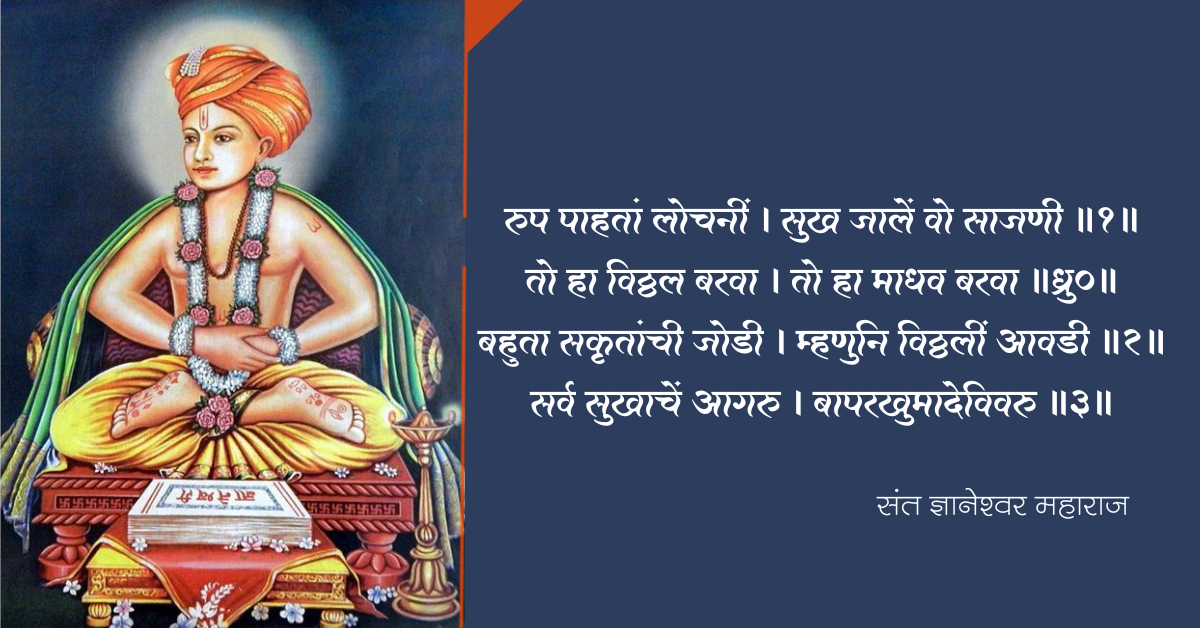
The earliest and most revered figure in the Warkari Sampradaya is Sant Dnyaneshwar Maharaj. Born in Alandi near Pune, Dnyaneshwar was a child prodigy who mastered the scriptures at a young age.
His greatest contribution was the Dnyaneshwari — a commentary on the Bhagavad Gita written in Marathi. This was revolutionary. Until then, sacred texts were in Sanskrit, accessible only to the priestly classes. Dnyaneshwar made the profound philosophical teachings of the Gita accessible to ordinary people in their own language.
Dnyaneshwar is also credited with establishing the tradition of carrying the Palkhi (palanquin) of the saints to Pandharpur. He walked to Pandharpur himself and inspired others to do the same. His life was short — he is believed to have taken samadhi at the age of just 21 — but his impact was immense.
His Abhangas (devotional songs) are sung with devotion across Maharashtra to this day. He taught that the Divine is not distant but present in every heart, and that Bhakti is the surest path to realisation.
संत ज्ञानेश्वर महाराज (१२७५–१२९६)
वारकरी संप्रदायातील सर्वात जुने आणि आदरणीय व्यक्तिमत्त्व म्हणजे संत ज्ञानेश्वर महाराज. पुण्याजवळील आळंदीत जन्मलेले, ज्ञानेश्वर हे बालप्रतिभावंत होते ज्यांनी कमी वयातच शास्त्रे आत्मसात केली.
त्यांचे सर्वात मोठे योगदान म्हणजे ज्ञानेश्वरी — भगवद्गीतेवरील मराठी टीका. हे क्रांतिकारक होते. तोपर्यंत, पवित्र ग्रंथ संस्कृतमध्ये होते, जे केवळ पुरोहित वर्गाला सुलभ होते. ज्ञानेश्वरांनी गीतेची गहन तात्त्विक शिकवण सामान्य लोकांना त्यांच्या स्वतःच्या भाषेत सुलभ केली.
ज्ञानेश्वरांना संतांची पालखी पंढरपूरला नेण्याची परंपरा स्थापन करण्याचे श्रेयही दिले जाते. ते स्वतः पंढरपूरला चालले आणि इतरांनाही असे करण्यास प्रेरित केले. त्यांचे आयुष्य अल्प होते — त्यांनी केवळ २१ वर्षांच्या वयात समाधी घेतली असे मानले जाते — परंतु त्यांचा प्रभाव अफाट होता.
त्यांचे अभंग आजही संपूर्ण महाराष्ट्रात भक्तीने गायले जातात. त्यांनी शिकवले की दैवीपणा दूर नाही तर प्रत्येक हृदयात आहे, आणि भक्ती हा आत्मसाक्षात्काराचा निश्चित मार्ग आहे.
Sant Namdev (1270–1350)
A contemporary of Dnyaneshwar, Sant Namdev was born in a tailor's family in Maharashtra. Despite his humble origins, he became one of the most important figures in the Bhakti movement.
Namdev travelled across India, spreading the message of devotion and equality. He visited pilgrimage sites across the country and established connections with other Bhakti saints, including the North Indian saint Kabir.
Namdev composed thousands of Abhangas, which are central to the Warkari tradition. His hymns speak of the omnipresence of God and the importance of love and devotion over ritual. He taught that God is not found in temples alone but is present everywhere — in every heart, every creature, every moment.
Namdev's inclusivity was remarkable. He welcomed devotees from all castes and backgrounds, challenging the social hierarchies of his time.
संत नामदेव (१२७०–१३५०)
ज्ञानेश्वरांचे समकालीन, संत नामदेव यांचा जन्म महाराष्ट्रातील एका शिंपी कुटुंबात झाला. त्यांच्या विनम्र उत्पत्ती असूनही, ते भक्ती चळवळीतील सर्वात महत्त्वाच्या व्यक्तींपैकी एक बनले.
नामदेवांनी संपूर्ण भारताचा प्रवास करून भक्ती आणि समानतेचा संदेश पसरवला. त्यांनी देशभरातील तीर्थक्षेत्रांना भेट दिली आणि उत्तर भारतीय संत कबीर यांच्यासह इतर भक्ती संतांशी संबंध स्थापित केले.
नामदेवांनी हजारो अभंग रचले, जे वारकरी परंपरेत केंद्रस्थानी आहेत. त्यांची गीते ईश्वराच्या सर्वव्यापीतेबद्दल आणि विधीपेक्षा प्रेम आणि भक्तीच्या महत्त्वाबद्दल बोलतात. त्यांनी शिकवले की ईश्वर केवळ मंदिरांमध्ये नाही तर सर्वत्र आहे — प्रत्येक हृदयात, प्रत्येक प्राण्यात, प्रत्येक क्षणात.
नामदेवांची सर्वसमावेशकता उल्लेखनीय होती. त्यांनी सर्व जाती आणि पार्श्वभूमीतील भाविकांचे स्वागत केले, त्यांच्या काळातील सामाजिक श्रेणींना आव्हान दिले.
Sant Eknath (1533–1599)
After a period of decline, the Warkari tradition was revitalised in the 16th century by Sant Eknath. Born in Paithan, Maharashtra, Eknath was a scholar and poet who breathed new life into the tradition.
His most important work is the Eknathi Bhagavata — a Marathi commentary on the Bhagavata Purana. He also wrote thousands of Abhangas and composed the Bhavarth Ramayan, a Marathi version of the Ramayana.
Eknath emphasised that devotion should be accompanied by righteous living. He taught that a devotee should engage in the world with integrity, honesty, and compassion — that Bhakti is not an escape from life but a way of living it fully.
Eknath also played a crucial role in maintaining the unity of the Warkari tradition during a time of political and social change.
संत एकनाथ (१५३३–१५९९)
एक घसरणीनंतर, १६व्या शतकात संत एकनाथांनी वारकरी परंपरेचे पुनरुज्जीवन केले. महाराष्ट्रातील पैठण येथे जन्मलेले, एकनाथ हे विद्वान आणि कवी होते ज्यांनी परंपरेला नवसंजीवनी दिली.
त्यांचे सर्वात महत्त्वाचे कार्य म्हणजे एकनाथी भागवत — भागवत पुराणावरील मराठी टीका. त्यांनी हजारो अभंगही रचले आणि भावार्थ रामायण — रामायणाची मराठी आवृत्ती — रचली.
एकनाथांनी भर दिला की भक्ती ही सदाचारी जीवनासोबत असावी. त्यांनी शिकवले की भक्ताने अखंडता, प्रामाणिकपणा आणि करुणेने जगात गुंतले पाहिजे — की भक्ती ही जीवनातून पळून जाणे नव्हे तर ते पूर्णपणे जगण्याचा मार्ग आहे.
एकनाथांनी राजकीय आणि सामाजिक बदलाच्या काळात वारकरी परंपरेची एकता राखण्यातही महत्त्वपूर्ण भूमिका बजावली.
Sant Tukaram Maharaj (1608–1650)
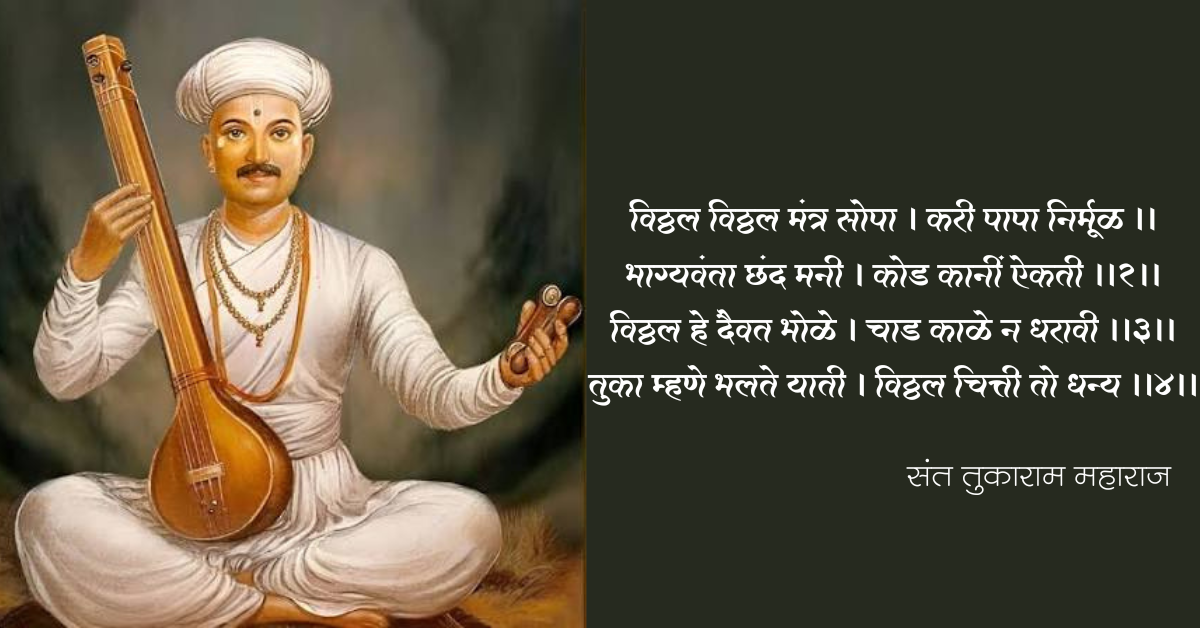
The most beloved saint of the Warkari Sampradaya is undoubtedly Sant Tukaram Maharaj. Born in Dehu near Pune, Tukaram was a farmer and grocer by profession. But his true calling was devotion.
Tukaram composed over 4,600 Abhangas, which are sung with devotion across Maharashtra to this day. His Abhangas are simple, direct, and deeply moving. They speak of poverty, humility, and the overwhelming love of God.
Tukaram's teachings were radical in their simplicity. He taught that Namasmaran (chanting God's name) is the highest spiritual practice — more powerful than any ritual, more profound than any philosophy. He said, "Chant the name of Vitthal, and all your sorrows will vanish."
Tukaram also emphasised equality. He welcomed devotees from all castes and backgrounds. His own followers included Brahmins, Dalits, farmers, and merchants — all united by their love for Vitthal.
Tukaram's life was one of struggle and faith. He lost his family in a famine, faced opposition from orthodox Brahmins, and lived in poverty. Yet, his Abhangas are filled with joy and surrender. His faith remained unshaken.
संत तुकाराम महाराज (१६०८–१६५०)
वारकरी संप्रदायातील सर्वात प्रिय संत निःसंशय संत तुकाराम महाराज आहेत. पुण्याजवळील देहू येथे जन्मलेले, तुकाराम व्यवसायाने शेतकरी आणि किराणा व्यापारी होते. परंतु त्यांची खरी आवड भक्ती होती.
तुकारामांनी ४,६०० हून अधिक अभंग रचले, जी आजही संपूर्ण महाराष्ट्रात भक्तीने गायली जातात. त्यांचे अभंग सोपे, प्रत्यक्ष आणि अत्यंत हृदयस्पर्शी आहेत. ते दारिद्र्य, नम्रता आणि ईश्वराच्या अफाट प्रेमाबद्दल बोलतात.
तुकारामांच्या शिकवणी त्यांच्या साधेपणाने क्रांतिकारक होत्या. त्यांनी शिकवले की नामस्मरण (ईश्वराच्या नावाचा जप) ही सर्वोच्च आध्यात्मिक साधना आहे — कोणत्याही विधीपेक्षा अधिक शक्तिशाली, कोणत्याही तत्त्वज्ञानापेक्षा अधिक गहन. ते म्हणाले, "विठ्ठलाचे नामस्मरण करा, आणि तुमचे सर्व दुःख नाहीसे होतील."
तुकारामांनी समानतेवर भर दिला. त्यांनी सर्व जाती आणि पार्श्वभूमीतील भाविकांचे स्वागत केले. त्यांच्या अनुयायांमध्ये ब्राह्मण, दलित, शेतकरी आणि व्यापारी यांचा समावेश होता — सर्व विठ्ठलावरील प्रेमाने एकत्र.
तुकारामांचे आयुष्य संघर्ष आणि श्रद्धेचे होते. त्यांनी दुष्काळात आपले कुटुंब गमावले, रूढिवादी ब्राह्मणांच्या विरोधाला सामोरे गेले आणि गरीबीत जगले. तरीही, त्यांचे अभंग आनंद आणि शरणागतीने भरलेले आहेत. त्यांची श्रद्धा अढळ राहिली.
Sant Chokhamela and Sant Janabai
The Warkari Sampradaya is remarkable for its inclusion of saints from marginalised communities. Two of the most beloved are Sant Chokhamela and Sant Janabai.
Sant Chokhamela (14th Century)
Chokhamela was a Dalit saint born in Maharashtra. He faced discrimination because of his caste but remained devoted to Vitthal. His Abhangas speak of his longing for God and his struggle against social injustice. Despite his low social status, he is revered as one of the greatest saints of the tradition. His son Karma, his wife Soyarabai, and other family members also became devotees.
Sant Janabai (13th–14th Century)
Janabai was a woman born in Pandharpur who served as a domestic worker in the household of Sant Namdev. Despite her humble position, she composed beautiful Abhangas that are sung with devotion to this day. Her hymns speak of a personal, intimate relationship with God — she saw Vitthal as her mother, her father, her companion.
The inclusion of Chokhamela and Janabai in the Warkari tradition is a powerful statement. It demonstrates that in the eyes of God, all are equal — and in the Warkari Sampradaya, that principle has been lived for centuries.
संत चोखामेळा आणि संत जनाबाई
वारकरी संप्रदाय उपेक्षित समुदायातील संतांच्या समावेशासाठी उल्लेखनीय आहे. त्यापैकी दोन सर्वात प्रिय म्हणजे संत चोखामेळा आणि संत जनाबाई.
संत चोखामेळा (१४वे शतक)
चोखामेळा हे महाराष्ट्रात जन्मलेले दलित संत होते. त्यांना त्यांच्या जातीमुळे भेदभावाला सामोरे जावे लागले परंतु ते विठ्ठलाशी भक्तीत राहिले. त्यांचे अभंग ईश्वराची तीव्र आस आणि सामाजिक अन्यायाविरुद्धच्या संघर्षाबद्दल बोलतात. त्यांच्या नीच सामाजिक स्थिती असूनही, ते परंपरेतील महान संतांपैकी एक म्हणून आदरणीय आहेत. त्यांचा मुलगा कर्मा, त्यांची पत्नी सोयराबाई आणि कुटुंबातील इतर सदस्यही भक्त झाले.
संत जनाबाई (१३वी–१४वी शतके)
जनाबाई या पंढरपूरात जन्मलेल्या महिला होत्या ज्यांनी संत नामदेवांच्या घरात नोकर म्हणून काम केले. त्यांच्या विनम्र स्थिती असूनही, त्यांनी सुंदर अभंग रचले जे आजही भक्तीने गायले जातात. त्यांची गीते ईश्वराशी एक वैयक्तिक, घनिष्ठ नाते बोलतात — त्यांनी विठ्ठलाला आपली आई, आपले वडील, आपला साथीदार म्हणून पाहिले.
चोखामेळा आणि जनाबाई यांचा वारकरी परंपरेत समावेश हे एक शक्तिशाली विधान आहे. हे दर्शवते की ईश्वराच्या दृष्टीने सर्व समान आहेत — आणि वारकरी संप्रदायात, हे तत्त्व शतकानुशतके जगले आहे.
Core Philosophy and Values of the Warkari Sampradaya
Bhakti — The Supreme Path
For the Warkari saints, Bhakti (devotion) was the supreme path to salvation. It was not a dry intellectual exercise but an intense, personal love for God. Bhakti was accessible to everyone — no caste, no gender, no qualification was required.
Namasmaran — The Power of the Name
The practice of Namasmaran — the constant chanting of God's name — was central. The Warkari saints taught that the name of God is not a mere word but a living presence. Chanting "Vitthal Vitthal" purifies the mind and connects the devotee to the Divine.
Equality and Rejection of Caste
The Warkari Sampradaya was fiercely egalitarian. The saints rejected caste discrimination and welcomed everyone. In the Wari, all walk together — there is no rich or poor, no high or low.
Simplicity and Humility
The Warkari saints lived simply and taught humility. They wore plain clothes, ate simple food, and lived ordinary lives. Their message was that spiritual progress is hindered by pride and material attachments.
Seva — Service as Worship
Service to others was seen as service to God. The Warkari tradition emphasises Seva (selfless service) as a form of devotion. During the Wari, volunteers cook, clean, and care for fellow pilgrims.
Living in the World, Not Escaping It
Unlike some traditions that emphasise renunciation, the Warkari saints taught that one could live a life of devotion while remaining engaged in the world. They were householders, farmers, and workers — not monks or ascetics. Their devotion was lived in the midst of daily life.
वारकरी संप्रदायाचे मूलभूत तत्त्वज्ञान आणि मूल्ये
भक्ती — सर्वोच्च मार्ग
वारकरी संतांसाठी, भक्ती हा मोक्षाचा सर्वोच्च मार्ग होता. ती कोरडी बौद्धिक कसरत नव्हती तर ईश्वरावर तीव्र, वैयक्तिक प्रेम होते. भक्ती सर्वांसाठी सुलभ होती — कोणतीही जात, कोणतेही लिंग, कोणतीही पात्रता आवश्यक नव्हती.
नामस्मरण — नामाचे सामर्थ्य
नामस्मरण — ईश्वराच्या नावाचा सतत जप — हा केंद्रस्थानी होता. वारकरी संतांनी शिकवले की ईश्वराचे नाव हा केवळ एक शब्द नाही तर एक जिवंत उपस्थिती आहे. "विठ्ठल विठ्ठल" चा जप मन शुद्ध करतो आणि भक्ताला दैवीशी जोडतो.
समानता आणि जातीय नकार
वारकरी संप्रदाय अत्यंत समतावादी होता. संतांनी जातीय भेदभाव नाकारला आणि सर्वांचे स्वागत केले. वारीत सर्व एकत्र चालतात — श्रीमंत-गरीब, उच्च-नीच नाही.
साधेपणा आणि नम्रता
वारकरी संत साधेपणाने जगले आणि नम्रता शिकवली. ते साधे कपडे घालतात, साधे अन्न खातात आणि सामान्य जीवन जगतात. त्यांचा संदेश होता की अहंकार आणि भौतिक आसक्तींनी आध्यात्मिक प्रगतीला अडथळा येतो.
सेवा — पूजा म्हणून सेवा
इतरांची सेवा ही ईश्वराची सेवा मानली जाते. वारकरी परंपरा सेवा (निःस्वार्थ सेवा) यावर भर देते. वारीत, स्वयंसेवक स्वयंपाक, साफसफाई आणि सहप्रवाशांची काळजी घेतात.
जगात राहून, जगापासून पळून न जाता
काही परंपरा संन्यासावर भर देतात, परंतु वारकरी संतांनी शिकवले की जगात गुंतलेले राहून भक्तीचे जीवन जगता येते. ते गृहस्थ, शेतकरी आणि कामगार होते — साधू किंवा योगी नव्हते. त्यांची भक्ती दैनंदिन जीवनात जगली गेली.
The Warkari Tradition Today
The Warkari Sampradaya is not a relic of the past — it is a living tradition that continues to inspire millions today.
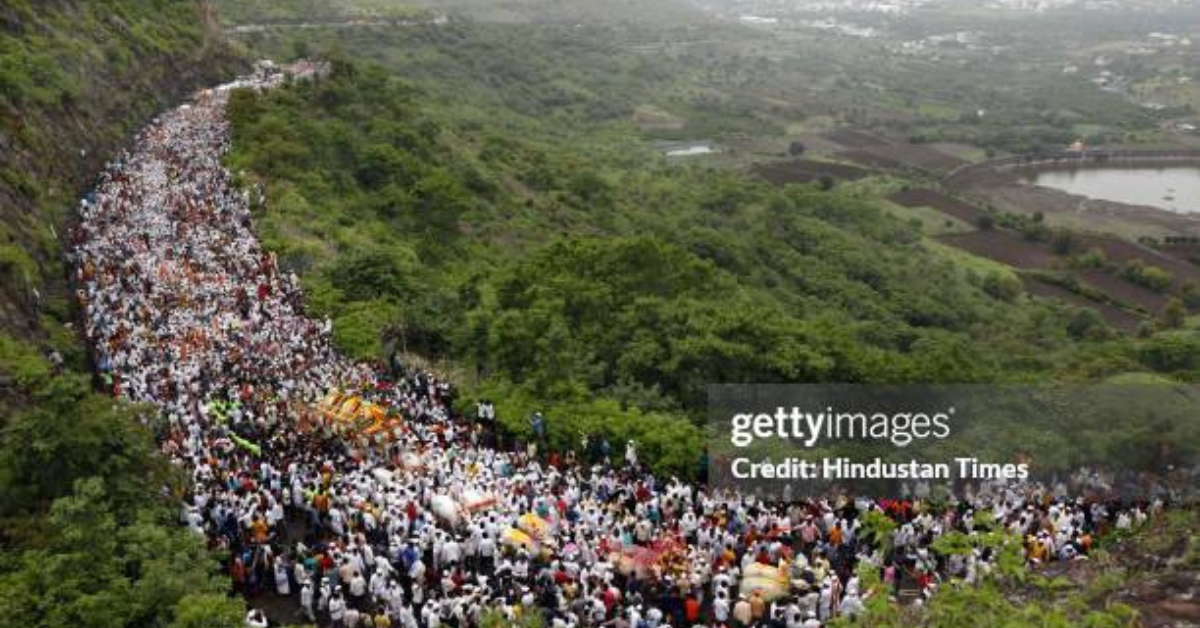
Every year, 10–15 lakh (1 to 1.5 million) devotees walk to Pandharpur on Ashadhi Ekadashi. This makes the Wari one of the largest annual walking pilgrimages in the world. The tradition has continued uninterrupted for over 800 years.
The Warkari tradition has also gained recognition beyond Maharashtra. It has been nominated as a UNESCO Intangible Cultural Heritage candidate. Scholars, researchers, and cultural enthusiasts from around the world study its history, philosophy, and practice.
The Abhangas of the saints are sung in villages and cities across Maharashtra. The teachings of Dnyaneshwar, Tukaram, and the other saints are studied in schools and universities. The Warkari values of equality, simplicity, and devotion resonate with people across the world.
In a world increasingly divided by caste, class, and religion, the Warkari tradition offers a powerful alternative — a path of unity, love, and devotion. It is a reminder that the Divine is not found in exclusion but in inclusion, not in hierarchy but in equality, not in ritual but in love.
आजची वारकरी परंपरा
वारकरी संप्रदाय हा भूतकाळाचा अवशेष नाही — ती एक जिवंत परंपरा आहे जी आजही लाखो लोकांना प्रेरणा देत आहे.
दरवर्षी, १०–१५ लाख भाविक आषाढी एकादशीला पंढरपूरला चालत जातात. यामुळे वारी ही जगातील सर्वात मोठ्या वार्षिक पायी तीर्थयात्रांपैकी एक बनते. ही परंपरा ८०० वर्षांहून अधिक काळ अखंडितपणे सुरू आहे.
वारकरी परंपरेला महाराष्ट्राच्या बाहेरही मान्यता मिळाली आहे. तिला युनेस्कोच्या अमूर्त सांस्कृतिक वारशाच्या उमेदवार म्हणून नामांकित करण्यात आले आहे. जगभरातील विद्वान, संशोधक आणि सांस्कृतिक उत्साही त्याचा इतिहास, तत्त्वज्ञान आणि पद्धतींचा अभ्यास करतात.
संतांचे अभंग संपूर्ण महाराष्ट्रात गावोगावी आणि शहरांमध्ये गायले जातात. ज्ञानेश्वर, तुकाराम आणि इतर संतांच्या शिकवणी शाळा आणि विद्यापीठांमध्ये शिकवल्या जातात. समानता, साधेपणा आणि भक्ती ही वारकरी मूल्ये जगभरातील लोकांना प्रतिध्वनित होतात.
जात, वर्ग आणि धर्माने वाढत्या प्रमाणात विभागल्या जाणाऱ्या जगात, वारकरी परंपरा एक शक्तिशाली पर्याय देते — एकता, प्रेम आणि भक्तीचा मार्ग. ती आठवण करून देते की दैवीपणा वगळण्यात नाही तर समावेशात, श्रेणीबद्धतेत नाही तर समानतेत, विधीत नाही तर प्रेमात सापडतो.
The Warkari Sampradaya was one of the earliest movements in India to reject the caste system and treat all devotees as equal. Sant Chokhamela, a Dalit saint, is revered alongside Brahmin saints like Dnyaneshwar and Eknath — something almost unheard of in other traditions of the time.
वारकरी संप्रदाय ही भारतातील सर्वात प्रारंभिक चळवळींपैकी एक होती ज्याने जातीय व्यवस्था नाकारली आणि सर्व भक्तांना समान मानले. संत चोखामेळा, एक दलित संत, ज्ञानेश्वर आणि एकनाथ यांसारख्या ब्राह्मण संतांबरोबर आदरणीय आहेत — त्या काळातील इतर परंपरांमध्ये जवळजवळ अकल्पनीय होते.
Interesting Facts About the Warkari Sampradaya
वारकरी संप्रदायाबद्दल मनोरंजक तथ्ये
Frequently Asked Questions
वारंवार विचारले जाणारे प्रश्न
The Warkari Sampradaya is a Bhakti tradition that emerged in 13th-century Maharashtra, centred on the worship of Lord Vitthal in Pandharpur and the annual pilgrimage (Wari) on Ashadhi Ekadashi.
वारकरी संप्रदाय ही १३व्या शतकात महाराष्ट्रात उदयास आलेली भक्ती परंपरा आहे, जी पंढरपूरमधील श्री विठ्ठलाच्या पूजेभोवती आणि आषाढी एकादशीच्या वार्षिक तीर्थयात्रेभोवती केंद्रित आहे.
The tradition was formalised by Sant Dnyaneshwar Maharaj (1275–1296) and Sant Namdev (1270–1350), who established the Palkhi tradition and composed the Abhangas.
या परंपरेला संत ज्ञानेश्वर महाराज (१२७५–१२९६) आणि संत नामदेव (१२७०–१३५०) यांनी औपचारिक रूप दिले, ज्यांनी पालखी परंपरा स्थापन केली आणि अभंग रचले.
Key texts include the Dnyaneshwari (by Sant Dnyaneshwar), the Eknathi Bhagavata (by Sant Eknath), the Tukaram Gatha (composed by Sant Tukaram), and the Abhangas of various saints.
प्रमुख ग्रंथांमध्ये ज्ञानेश्वरी (संत ज्ञानेश्वर), एकनाथी भागवत (संत एकनाथ), तुकाराम गाथा (संत तुकाराम) आणि विविध संतांचे अभंग यांचा समावेश आहे.
The Wari is the annual pilgrimage to Pandharpur on Ashadhi Ekadashi. Millions of devotees walk on foot, carrying the Palkhis of the saints, singing Abhangas, and chanting the name of Vitthal.
वारी म्हणजे आषाढी एकादशीला पंढरपूरची वार्षिक तीर्थयात्रा. लाखो भाविक पायी चालतात, संतांच्या पालख्या वाहून नेतात, अभंग गातात आणि विठ्ठलाचे नामस्मरण करतात.
The major saints include Sant Dnyaneshwar Maharaj, Sant Namdev, Sant Eknath, Sant Tukaram Maharaj, Sant Chokhamela, Sant Janabai, and Sant Savata Mali.
प्रमुख संतांमध्ये संत ज्ञानेश्वर महाराज, संत नामदेव, संत एकनाथ, संत तुकाराम महाराज, संत चोखामेळा, संत जनाबाई आणि संत सावता माळी यांचा समावेश आहे.
Lord Vitthal is depicted standing on a brick with both hands on His waist. This posture symbolizes patience and the Lord's willingness to wait for His devotees, as He waited for Pundalik.
श्री विठ्ठल एका विटेवर उभे असून दोन्ही हात कंबरीवर आहेत. ही मुद्रा संयम आणि भक्तांसाठी थांबण्याची इच्छा दर्शवते, जसे त्यांनी पुंडलिकासाठी वाट पाहिली.
Yes. The Warkari tradition is very much alive today. Millions of devotees participate in the Wari every year, and the tradition has been nominated for UNESCO Intangible Cultural Heritage status.
होय. वारकरी परंपरा आजही अत्यंत जिवंत आहे. दरवर्षी लाखो भाविक वारीत सहभागी होतात आणि या परंपरेला युनेस्कोच्या अमूर्त सांस्कृतिक वारसासाठी नामांकित केले गेले आहे.
The core philosophy is Bhakti (devotion) expressed through Namasmaran (chanting God's name), equality, simplicity, humility, and Seva (selfless service). The tradition rejects caste discrimination and embraces all.
मूलभूत तत्त्वज्ञान म्हणजे नामस्मरण (ईश्वराच्या नावाचा जप), समानता, साधेपणा, नम्रता आणि सेवा (निःस्वार्थ सेवा) याद्वारे व्यक्त केलेली भक्ती. ही परंपरा जातीय भेदभाव नाकारते आणि सर्वांचा समावेश करते.
Conclusion
The history of the Warkari Sampradaya is the history of Bhakti itself — a story of devotion, resistance, and the enduring power of love for the Divine. For over 800 years, this tradition has continued uninterrupted, adapting to changing times while staying true to its core values.
From Dnyaneshwar's revolutionary commentary on the Gita to Tukaram's soul-stirring Abhangas, from Chokhamela's defiant devotion to Janabai's intimate songs — the Warkari saints gave voice to the voiceless and dignity to the marginalised. They taught that the Divine is not distant but present in every heart, and that devotion is not a privilege but a birthright.
Today, as millions of Warkaris walk to Pandharpur each year, they walk not just to a temple but to the heart of their tradition. They walk in the footsteps of saints, carrying with them the same faith, the same songs, and the same devotion that has sustained the tradition for centuries.
The Warkari Sampradaya is a living testament to the power of faith — a reminder that even in a changing world, the path of devotion continues to lead millions towards the Divine.
समारोप
वारकरी संप्रदायाचा इतिहास हा स्वतः भक्तीचा इतिहास आहे — श्रद्धा, प्रतिकार आणि दैवी प्रेमाच्या स्थायी सामर्थ्याची कथा. ८०० वर्षांहून अधिक काळ, ही परंपरा अखंडितपणे सुरू आहे, बदलत्या काळाशी जुळवून घेताना आपल्या मूलभूत मूल्यांशी खरी राहिली.
ज्ञानेश्वरांच्या गीतेवरील क्रांतिकारक टीकेपासून तुकारामांच्या हृदयस्पर्शी अभंगांपर्यंत, चोखामेळाच्या धैर्यवान भक्तीपासून जनाबाईच्या घनिष्ठ गीतांपर्यंत — वारकरी संतांनी आवाजहीनांना आवाज दिला आणि उपेक्षितांना प्रतिष्ठा दिली. त्यांनी शिकवले की दैवीपणा दूर नाही तर प्रत्येक हृदयात आहे, आणि भक्ती हा विशेषाधिकार नाही तर जन्मसिद्ध हक्क आहे.
आज, दरवर्षी लाखो वारकरी पंढरपूरला चालतात, ते केवळ मंदिराकडे नव्हे तर त्यांच्या परंपरेच्या हृदयाकडे चालतात. ते संतांच्या पावलावर पाऊल ठेवतात, त्यांच्यासोबत तीच श्रद्धा, तीच गीते आणि तीच भक्ती घेऊन जातात ज्याने शतकानुशतके परंपरा टिकवली आहे.
वारकरी संप्रदाय हा श्रद्धेच्या सामर्थ्याचा एक जिवंत पुरावा आहे — एक आठवण की बदलत्या जगातही, भक्तीचा मार्ग लाखो लोकांना दैवीकडे नेत आहे.
Walk Through Historyइतिहासात चाला
Want to explore more about the Warkari tradition? Discover the lives of the saints, the significance of the Wari pilgrimage, and the enduring legacy of this remarkable tradition.
वारकरी परंपरेबद्दल अधिक जाणून घ्यायचे आहे? संतांचे जीवन, वारी तीर्थयात्रेचे महत्त्व आणि या उल्लेखनीय परंपरेचा कायमस्वरूपी वारसा जाणून घ्या.
Explore Warkari Tradition वारकरी परंपरा पाहा