Introduction
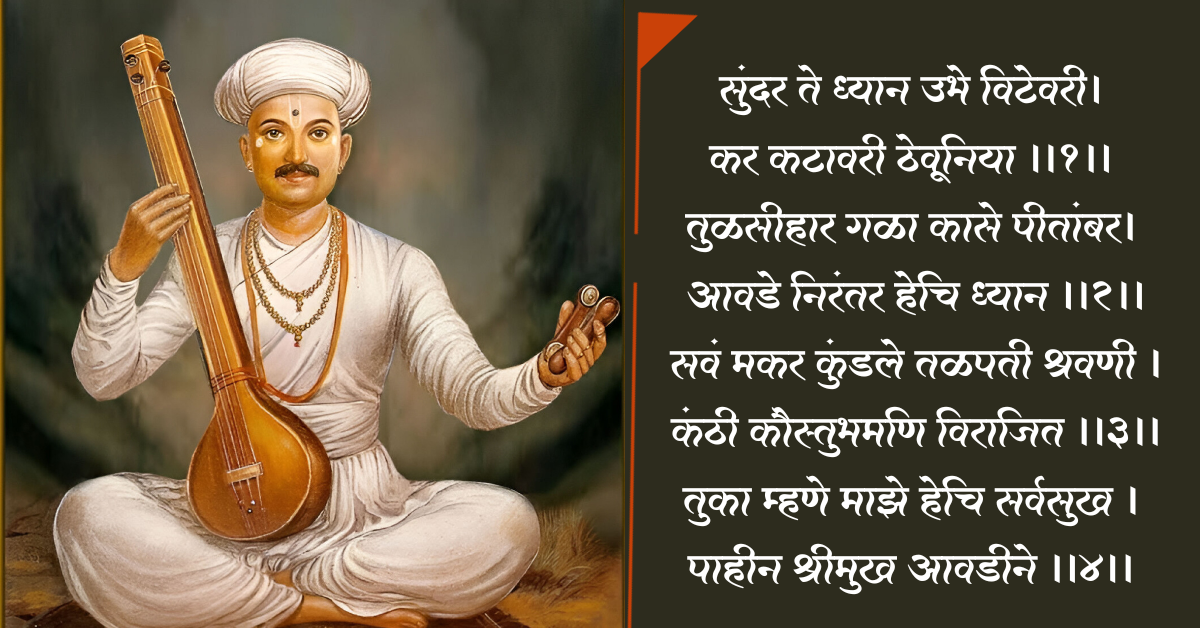
In the small town of Dehu, on the banks of the Indrayani River, a farmer and grocer named Tukaram lived in the 17th century. He was not a scholar, not a priest, not a wealthy man. He was a simple man who faced loss, poverty, and discrimination. But he had one thing that set him apart — an unwavering love for Lord Vitthal.
Through his Abhangas — devotional songs sung in the language of the common people — Tukaram poured out his heart. He sang of his struggles, his doubts, his joys, and his unwavering faith. His songs were not just poetry; they were conversations with God.
Today, Sant Tukaram Maharaj is one of the most beloved saints in Maharashtra. His Abhangas are sung in villages and cities, in temples and homes. His message of equality, humility, and devotion continues to inspire millions across the world.
This is the story of Sant Tukaram Maharaj — a man who found God not in temples but in his heart, and who sang his way to immortality.
प्रस्तावना
इंद्रायणी नदीच्या काठावरील देहू या छोट्या गावात, १७व्या शतकात तुकाराम नावाचा एक शेतकरी आणि किराणा व्यापारी राहत होता. तो विद्वान नव्हता, पुरोहित नव्हता, श्रीमंत नव्हता. तो एक साधा माणूस होता ज्याला नुकसान, गरिबी आणि भेदभावाला सामोरे जावे लागले. पण त्याच्याकडे एक गोष्ट होती जी त्याला वेगळा बनवत होती — श्री विठ्ठलावर अढळ प्रेम.
त्यांच्या अभंगांमधून — सामान्य लोकांच्या भाषेत गायली जाणारी भक्तिगीते — तुकारामांनी आपले हृदय व्यक्त केले. त्यांनी आपले संघर्ष, शंका, आनंद आणि अढळ श्रद्धा गायली. त्यांची गीते ही केवळ काव्य नव्हती; ती ईश्वराशी संवाद होते.
आज, संत तुकाराम महाराज हे महाराष्ट्रातील सर्वात प्रिय संतांपैकी एक आहेत. त्यांचे अभंग गावोगावी आणि शहरांमध्ये, मंदिरांत आणि घरांत गायले जातात. समानता, नम्रता आणि भक्तीचा त्यांचा संदेश जगभरात लाखो लोकांना प्रेरणा देत आहे.
ही आहे संत तुकाराम महाराजांची कथा — एका माणसाची ज्याने ईश्वराला मंदिरात नव्हे तर स्वतःच्या हृदयात शोधले आणि गायनातून अमरत्व प्राप्त केले.
Who Was Sant Tukaram Maharaj?
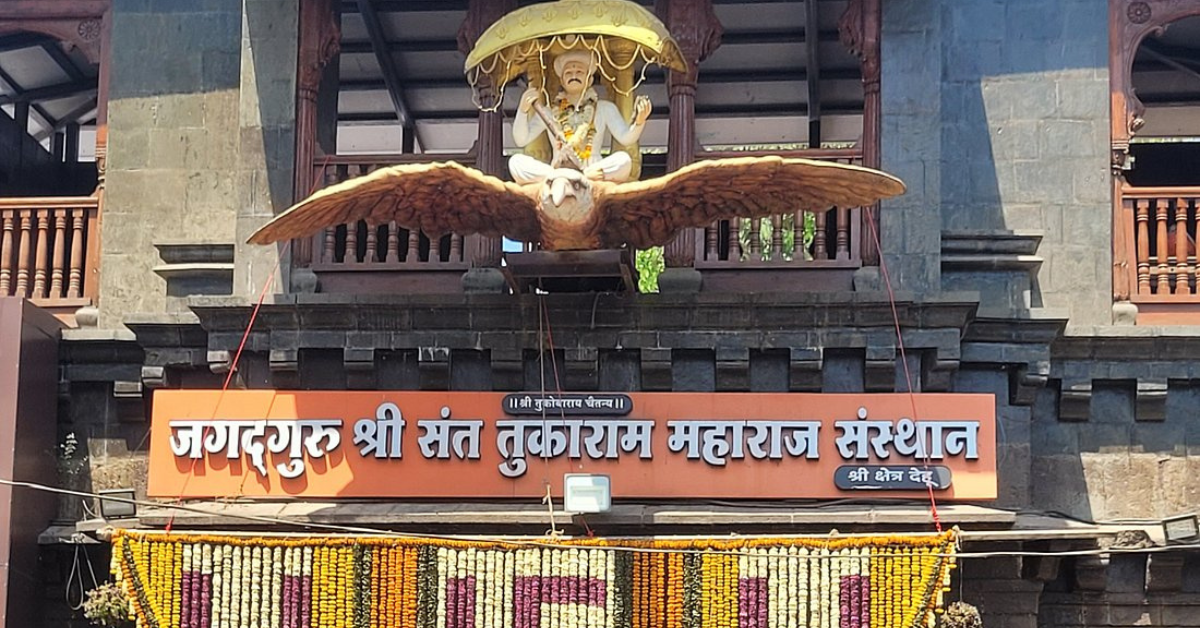
Sant Tukaram Maharaj (also known as Tukoba or Tukaram) was a 17th-century Marathi saint, poet, and philosopher. He is one of the most important figures in the Warkari tradition and is often considered the spiritual successor to Sant Dnyaneshwar Maharaj.
Born in 1608 in Dehu, Maharashtra, Tukaram lived a life of ordinary means but extraordinary devotion. He faced personal tragedies, financial ruin, and social ostracism, yet his faith in Lord Vitthal never wavered.
He composed over 4,600 Abhangas, which were compiled into the Tukaram Gatha. These songs cover a wide range of themes — from personal devotion to social commentary, from philosophical reflection to simple everyday life.
Tukaram's teachings emphasized Namasmaran (chanting God's name), equality, humility, simplicity, and compassion. He rejected caste discrimination and taught that the path to salvation was open to everyone.
Today, Sant Tukaram Maharaj is considered the heart of the Warkari tradition. His Abhangas are sung with devotion across Maharashtra, and his life continues to inspire millions.
Historical Importance
Tukaram lived during a period of significant change in Maharashtra. The Maratha Empire was rising under Chhatrapati Shivaji Maharaj, and the Bhakti movement was flourishing. Tukaram's Abhangas provided spiritual solace to ordinary people and reinforced the values of the Warkari tradition.
His contribution to Marathi literature is immense. His Abhangas are considered some of the finest examples of Marathi devotional poetry. They are simple, direct, and deeply moving — qualities that have made them accessible to generations of readers and listeners.
Tukaram also played a crucial role in the social reform movement of the time. His teachings of equality and compassion challenged the caste hierarchies of his era and laid the foundation for a more inclusive society.
संत तुकाराम महाराज कोण होते?
संत तुकाराम महाराज हे १७व्या शतकातील मराठी संत, कवी आणि तत्त्वज्ञ होते. ते वारकरी परंपरेतील सर्वात महत्त्वाच्या व्यक्तींपैकी एक आहेत आणि अनेकदा संत ज्ञानेश्वर महाराजांचे आध्यात्मिक उत्तराधिकारी मानले जातात.
इ.स. १६०८ मध्ये महाराष्ट्रातील देहू येथे जन्मलेले, तुकाराम सामान्य जीवन जगले परंतु विलक्षण भक्तीचे होते. त्यांना वैयक्तिक दुःखे, आर्थिक अडचणी आणि सामाजिक बहिष्काराला सामोरे जावे लागले, तरीही श्री विठ्ठलावरील त्यांची श्रद्धा कधीही डळमळली नाही.
त्यांनी ४,६०० हून अधिक अभंग रचले, जे तुकाराम गाथा म्हणून संकलित केले गेले. या गीतांमध्ये वैयक्तिक भक्तीपासून सामाजिक टीकेपर्यंत, तात्त्विक चिंतनापासून साध्या दैनंदिन जीवनापर्यंत अनेक विषयांचा समावेश आहे.
तुकारामांच्या शिकवणींनी नामस्मरण (ईश्वराच्या नावाचा जप), समानता, नम्रता, साधेपणा आणि करुणा यावर भर दिला. त्यांनी जातीय भेदभाव नाकारला आणि शिकवले की मोक्षाचा मार्ग सर्वांसाठी खुला आहे.
आज, संत तुकाराम महाराज हे वारकरी परंपरेचे हृदय मानले जातात. त्यांचे अभंग संपूर्ण महाराष्ट्रात भक्तीने गायले जातात आणि त्यांचे जीवन लाखो लोकांना प्रेरणा देत आहे.
ऐतिहासिक महत्त्व
तुकाराम हे महाराष्ट्रात महत्त्वपूर्ण बदलाच्या काळात जगले. छत्रपती शिवाजी महाराजांच्या नेतृत्वात मराठा साम्राज्य उदयास येत होते आणि भक्ती चळवळ फुलत होती. तुकारामांच्या अभंगांनी सामान्य लोकांना आध्यात्मिक समाधान दिले आणि वारकरी परंपरेच्या मूल्यांना बळकट केले.
मराठी साहित्यात त्यांचे योगदान अफाट आहे. त्यांचे अभंग मराठी भक्ती काव्याची सर्वोत्कृष्ट उदाहरणे मानली जातात. ते सोपे, प्रत्यक्ष आणि अत्यंत हृदयस्पर्शी आहेत — हे गुण त्यांना वाचकांच्या आणि श्रोत्यांच्या पिढ्यांसाठी सुलभ बनवतात.
तुकारामांनी काळाच्या सामाजिक सुधारणा चळवळीतही महत्त्वपूर्ण भूमिका बजावली. समानता आणि करुणेच्या त्यांच्या शिकवणींनी त्यांच्या काळातील जातीय श्रेणींना आव्हान दिले आणि अधिक समावेशक समाजाचा पाया घातला.
Birth and Childhood
Birth
Sant Tukaram Maharaj was born in 1608 (some sources suggest 1598) in the town of Dehu, situated on the banks of the Indrayani River in Maharashtra. His birth is celebrated as Tukaram Jayanti, which falls on the 8th day of the dark fortnight in the month of Jyeshtha.
Dehu — The Holy Town
Dehu is a small town near Pune, located about 30 kilometres from the city. It is one of the most important pilgrimage sites in Maharashtra, closely associated with Sant Tukaram. The town is on the route of the Pandharpur Wari, and the Palkhi of Sant Tukaram starts from here.
Family Background
Tukaram was born into a Deshastha Brahmin family. His father was Bolhobaba (also known as Bolhoba), and his mother was Kankai. The family was traditionally involved in farming and trade.
Early Life
As a child, Tukaram showed signs of deep spirituality. He was drawn to devotional songs and stories of saints. However, his early life was not without challenges. The family faced financial difficulties, and Tukaram had to work hard to support them.
Despite the hardships, Tukaram's devotion to Vitthal grew stronger with each passing year. He would often spend hours in prayer and meditation, much to the concern of his family.
जन्म आणि बालपण
जन्म
संत तुकाराम महाराजांचा जन्म इ.स. १६०८ (काही स्रोत १५९८ सुचवतात) मध्ये महाराष्ट्रातील इंद्रायणी नदीच्या काठावरील देहू या गावी झाला. त्यांचा जन्म तुकाराम जयंती म्हणून साजरा केला जातो, जो ज्येष्ठ महिन्याच्या कृष्ण पक्षाच्या अष्टमीला येतो.
देहू — पवित्र नगर
देहू हे पुण्याजवळील एक छोटे गाव आहे, जे शहरापासून सुमारे ३० किलोमीटर अंतरावर आहे. हे महाराष्ट्रातील सर्वात महत्त्वाच्या तीर्थक्षेत्रांपैकी एक आहे, जे संत तुकारामांशी जवळून संबंधित आहे. हे गाव पंढरपूर वारीच्या मार्गावर आहे आणि संत तुकारामांची पालखी येथून सुरू होते.
कौटुंबिक पार्श्वभूमी
तुकारामांचा जन्म देशस्थ ब्राह्मण कुटुंबात झाला. त्यांचे वडील बोल्होबाबा (बोल्होबा) होते आणि आई कांकाई होत्या. कुटुंब पारंपारिकपणे शेती आणि व्यापारात गुंतलेले होते.
बालपण
बालपणी, तुकारामांनी सखोल आध्यात्मिकतेची चिन्हे दाखवली. ते भक्तिगीते आणि संतांच्या कथांकडे आकर्षित होते. तथापि, त्यांचे बालपण आव्हानांशिवाय नव्हते. कुटुंबाला आर्थिक अडचणींचा सामना करावा लागला आणि तुकारामांना त्यांना आधार देण्यासाठी कठोर परिश्रम करावे लागले.
अडचणी असूनही, तुकारामांची विठ्ठलावरील भक्ती दिवसेंदिवस अधिक दृढ होत गेली. ते अनेकदा प्रार्थना आणि ध्यानात तास घालवत, त्यांच्या कुटुंबीयांची चिंता वाढवत.
Family Background
Parents
Tukaram's father, Bolhobaba, was a farmer and trader. He was a devout man who instilled in his children a love for God and a respect for the spiritual path. His mother, Kankai, was a deeply spiritual woman who supported her son's devotion.
Marriage
Tukaram married twice. His first wife was Rakhumabai, who passed away early in their marriage. He later married Jijabai, who became his lifelong companion and supporter. Jijabai was a devoted wife who shared Tukaram's faith and encouraged his spiritual pursuits.
Children
Tukaram and Jijabai had four children — three sons and a daughter:
- Narayan — the eldest son
- Vithobaji — the second son
- Mahadev — the third son
- Avlai — their daughter
Business and Difficulties
Tukaram was a farmer and a grocer by profession. He ran a small shop in Dehu, selling provisions to local villagers. However, his business was not very successful, and the family often struggled financially.
His devotion to Vitthal sometimes came in the way of his business. He would often spend hours singing and praying, neglecting his shop. This led to criticism from his family and neighbours, who felt he was not fulfilling his responsibilities.
The Great Famine
In the 1630s, Maharashtra faced a severe famine that devastated the region. Tukaram, like many others, lost everything. His family went hungry, and he could not provide for them. This was a period of immense suffering for Tukaram and his family.
According to traditional accounts, it was during this time of extreme hardship that Tukaram experienced a profound spiritual transformation. He realized that material wealth was fleeting and that true wealth lay in devotion to God.
The Turning Point
The turning point in Tukaram's life came when he lost his wife Rakhumabai and his eldest son. Overwhelmed with grief, he turned to Vitthal in desperation. It was at this moment that he felt the presence of the Lord in his heart.
He began composing Abhangas, pouring out his pain, his questions, and his faith. His songs became his solace, his strength, and his connection to the Divine.
कौटुंबिक पार्श्वभूमी
आई-वडील
तुकारामांचे वडील, बोल्होबाबा, शेतकरी आणि व्यापारी होते. ते एक धार्मिक व्यक्ती होते ज्यांनी आपल्या मुलांमध्ये ईश्वरावरील प्रेम आणि आध्यात्मिक मार्गाचा आदर निर्माण केला. त्यांची आई, कांकाई, एक सखोल आध्यात्मिक महिला होती जिने आपल्या मुलाच्या भक्तीला समर्थन दिले.
विवाह
तुकारामांनी दोन वेळा विवाह केला. त्यांची पहिली पत्नी रखुमाबाई होत्या, ज्या लग्नाच्या सुरुवातीला वारल्या. त्यांनी नंतर जिजाबाई यांच्याशी विवाह केला, ज्या त्यांची आजीवन साथीदार आणि समर्थक बनल्या. जिजाबाई एक समर्पित पत्नी होत्या ज्यांनी तुकारामांच्या श्रद्धेचा सहभाग घेतला आणि त्यांच्या आध्यात्मिक प्रयत्नांना प्रोत्साहन दिले.
मुले
तुकाराम आणि जिजाबाई यांना चार मुले होती — तीन मुलगे आणि एक मुलगी:
- नारायण — मोठा मुलगा
- विठोबाजी — दुसरा मुलगा
- महादेव — तिसरा मुलगा
- अवलाई — मुलगी
व्यवसाय आणि अडचणी
तुकाराम व्यवसायाने शेतकरी आणि किराणा व्यापारी होते. ते देहूत एक छोटे दुकान चालवत, स्थानिक गावकऱ्यांना वस्तू विकत. तथापि, त्यांचा व्यवसाय फारसा यशस्वी नव्हता आणि कुटुंबाला अनेकदा आर्थिक अडचणींचा सामना करावा लागला.
विठ्ठलावरील त्यांची भक्ती कधीकधी त्यांच्या व्यवसायात अडथळा आणत असे. ते अनेकदा गाणे आणि प्रार्थना करण्यात तास घालवत, त्यांचे दुकान दुर्लक्षित करत. यामुळे त्यांच्या कुटुंबीय आणि शेजाऱ्यांकडून टीका होत असे, ज्यांना वाटत असे की ते त्यांच्या जबाबदाऱ्या पूर्ण करत नाहीत.
महापूर
१६३० च्या दशकात, महाराष्ट्रात तीव्र दुष्काळ पडला ज्याने प्रदेशाचा उद्ध्वस्त केला. तुकारामांना, इतर अनेकांप्रमाणे, सर्व काही गमवावे लागले. त्यांचे कुटुंब उपाशी राहिले आणि ते त्यांच्यासाठी पुरवठा करू शकले नाहीत. हा तुकाराम आणि त्यांच्या कुटुंबासाठी अत्यंत वेदनादायक काळ होता.
पारंपारिक नोंदींनुसार, या अत्यंत कठीण काळात तुकारामांना एक गहन आध्यात्मिक परिवर्तन अनुभवले. त्यांना समजले की भौतिक संपत्ती क्षणिक आहे आणि खरी संपत्ती ईश्वराच्या भक्तीत आहे.
टर्निंग पॉइंट
तुकारामांच्या जीवनातील टर्निंग पॉइंट जेव्हा त्यांनी आपली पत्नी रखुमाबाई आणि मोठा मुलगा गमावला तेव्हा आला. दुःखाने भारावून गेलेले, त्यांनी हताशपणे विठ्ठलाकडे वळले. याच क्षणी त्यांना त्यांच्या हृदयात प्रभूची उपस्थिती जाणवली.
त्यांनी अभंग रचण्यास सुरुवात केली, त्यांची वेदना, प्रश्न आणि श्रद्धा व्यक्त करत. त्यांची गीते त्यांचे सांत्वन, सामर्थ्य आणि दैवीशी संपर्क बनली.
Journey Towards Spirituality
Meditation and Inner Awakening
Tukaram's spiritual journey was not a sudden transformation but a gradual process of inner awakening. He spent hours in meditation, often sitting on the banks of the Indrayani River. His devotion to Vitthal grew stronger with each passing day.
Divine Vision of Vitthal
According to traditional accounts, Tukaram was visited by Lord Vitthal in a vision. The Lord appeared to him, blessing him and guiding him on the spiritual path. This experience confirmed Tukaram's faith and gave him the courage to continue his devotion despite the challenges.
Composing Abhangas
Tukaram began composing Abhangas as a way of expressing his devotion. His songs were spontaneous and heartfelt, flowing from the depths of his soul. He sang about his love for Vitthal, his struggles, his doubts, and his moments of bliss.
His Abhangas were simple, using the language of the common people. This made them accessible to everyone — not just scholars or priests.
Transformation
Through his devotion and his Abhangas, Tukaram transformed himself from a struggling farmer into one of the most beloved saints in Maharashtra. His life became a testament to the power of faith and the beauty of simple devotion.
His teachings and songs continue to inspire millions, reminding us that the path to God is open to everyone — regardless of wealth, status, or education.
आध्यात्मिक प्रवास
ध्यान आणि आंतरिक जागृती
तुकारामांचा आध्यात्मिक प्रवास हा अचानक परिवर्तन नव्हता तर आंतरिक जागृतीची हळूहळू प्रक्रिया होती. ते अनेकदा इंद्रायणी नदीच्या काठावर बसून ध्यानात तास घालवत. विठ्ठलावरील त्यांची भक्ती दिवसेंदिवस अधिक दृढ होत गेली.
विठ्ठलाचे दैवी दर्शन
पारंपारिक नोंदींनुसार, श्री विठ्ठलाने तुकारामांना दर्शन दिले. प्रभूने त्यांना आशीर्वाद दिला आणि आध्यात्मिक मार्गावर मार्गदर्शन केले. या अनुभवाने तुकारामांची श्रद्धा दृढ केली आणि त्यांना आव्हाने असूनही त्यांची भक्ती सुरू ठेवण्याचे धैर्य दिले.
अभंग रचना
तुकारामांनी आपली भक्ती व्यक्त करण्याचा मार्ग म्हणून अभंग रचण्यास सुरुवात केली. त्यांची गीते उत्स्फूर्त आणि हृदयस्पर्शी होती, त्यांच्या आत्म्याच्या खोलीतून वाहत होती. त्यांनी विठ्ठलावरील प्रेम, त्यांचे संघर्ष, शंका आणि आनंदाचे क्षण गायले.
त्यांचे अभंग सोपे होते, सामान्य लोकांची भाषा वापरत. यामुळे ते सर्वांसाठी सुलभ झाले — केवळ विद्वान किंवा पुरोहितांसाठी नव्हे.
परिवर्तन
त्यांच्या भक्ती आणि अभंगांद्वारे, तुकाराम स्वतःला एका संघर्षशील शेतकऱ्यापासून महाराष्ट्रातील सर्वात प्रिय संतांपैकी एक बनले. त्यांचे जीवन श्रद्धेच्या सामर्थ्याचा आणि साध्या भक्तीच्या सौंदर्याचा पुरावा बनले.
त्यांच्या शिकवणी आणि गीते लाखो लोकांना प्रेरणा देत आहेत, आपल्याला आठवण करून देतात की ईश्वराचा मार्ग प्रत्येकासाठी खुला आहे — संपत्ती, स्थिती किंवा शिक्षणाचा भेद न करता.
Tukaram Gatha
History
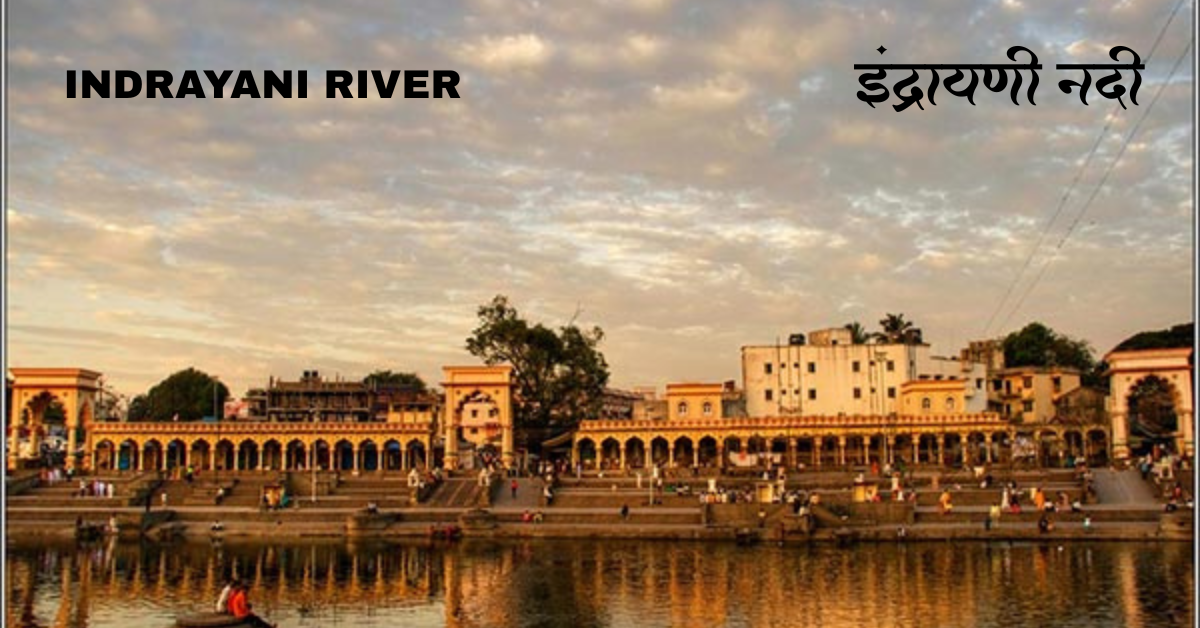
The Tukaram Gatha is the collection of Abhangas composed by Sant Tukaram Maharaj. It is one of the most important texts in the Warkari tradition and in Marathi literature.
The Gatha was compiled after Tukaram's lifetime by his disciples and followers. It contains over 4,600 Abhangas, making it one of the largest collections of devotional poetry in any Indian language.
Importance
- Spiritual Guide — The Gatha is a spiritual guide for millions of devotees.
- Literary Treasure — It is one of the finest examples of Marathi devotional poetry.
- Cultural Heritage — It is a cornerstone of Maharashtra's cultural heritage.
- Philosophical Depth — It explores profound philosophical themes in simple, accessible language.
Compilation
The Tukaram Gatha was compiled by Sant Bahinabai, a female saint and devotee of Tukaram, along with other disciples. The compilation process was meticulous, ensuring that Tukaram's songs were preserved accurately for future generations.
The Gatha is divided into sections based on themes — devotion, philosophy, social commentary, and personal reflections.
Influence on Marathi Literature
The Tukaram Gatha has had a profound influence on Marathi literature. Its simple, direct style has inspired generations of poets and writers. The Gatha has also been translated into several other languages, including Hindi, English, and Gujarati.
Tukaram's influence can be seen in the works of later Marathi poets and in the devotional music of Maharashtra.
तुकाराम गाथा
इतिहास
तुकाराम गाथा ही संत तुकाराम महाराजांनी रचलेल्या अभंगांची संग्रह आहे. ही वारकरी परंपरा आणि मराठी साहित्यातील सर्वात महत्त्वाच्या ग्रंथांपैकी एक आहे.
गाथा तुकारामांच्या निधनानंतर त्यांच्या शिष्य आणि अनुयायांनी संकलित केली. यात ४,६०० हून अधिक अभंग आहेत, ज्यामुळे ती कोणत्याही भारतीय भाषेतील भक्ती काव्याच्या सर्वात मोठ्या संग्रहांपैकी एक आहे.
महत्त्व
- आध्यात्मिक मार्गदर्शक — गाथा लाखो भाविकांसाठी एक आध्यात्मिक मार्गदर्शक आहे.
- साहित्यिक खजिना — ही मराठी भक्ती काव्याची उत्कृष्ट उदाहरणे आहे.
- सांस्कृतिक वारसा — ही महाराष्ट्राच्या सांस्कृतिक वारशाचा आधारस्तंभ आहे.
- तात्त्विक खोली — ती सोप्या, सुलभ भाषेत सखोल तात्त्विक विषयांचा शोध घेते.
संकलन
तुकाराम गाथा संत बहिणाबाई या महिला संत आणि तुकारामांच्या भक्त, तसेच इतर शिष्यांनी संकलित केली. संकलन प्रक्रिया सूक्ष्म होती, ज्यामुळे तुकारामांची गीते भविष्यातील पिढ्यांसाठी अचूकपणे जतन केली गेली.
गाथा विषयांवर आधारित विभागांमध्ये विभागली गेली आहे — भक्ती, तत्त्वज्ञान, सामाजिक टीका आणि वैयक्तिक प्रतिबिंब.
मराठी साहित्यावर प्रभाव
तुकाराम गाथेचा मराठी साहित्यावर सखोल प्रभाव आहे. तिची सोपी, प्रत्यक्ष शैलीने कवी आणि लेखकांच्या पिढ्यांना प्रेरणा दिली आहे. गाथेचे हिंदी, इंग्रजी आणि गुजराती यासह इतर अनेक भाषांमध्ये अनुवाद झाले आहेत.
तुकारामांचा प्रभाव नंतरच्या मराठी कवींच्या कार्यात आणि महाराष्ट्राच्या भक्ती संगीतात दिसून येतो.
Famous Abhangs of Sant Tukaram
What is an Abhang?
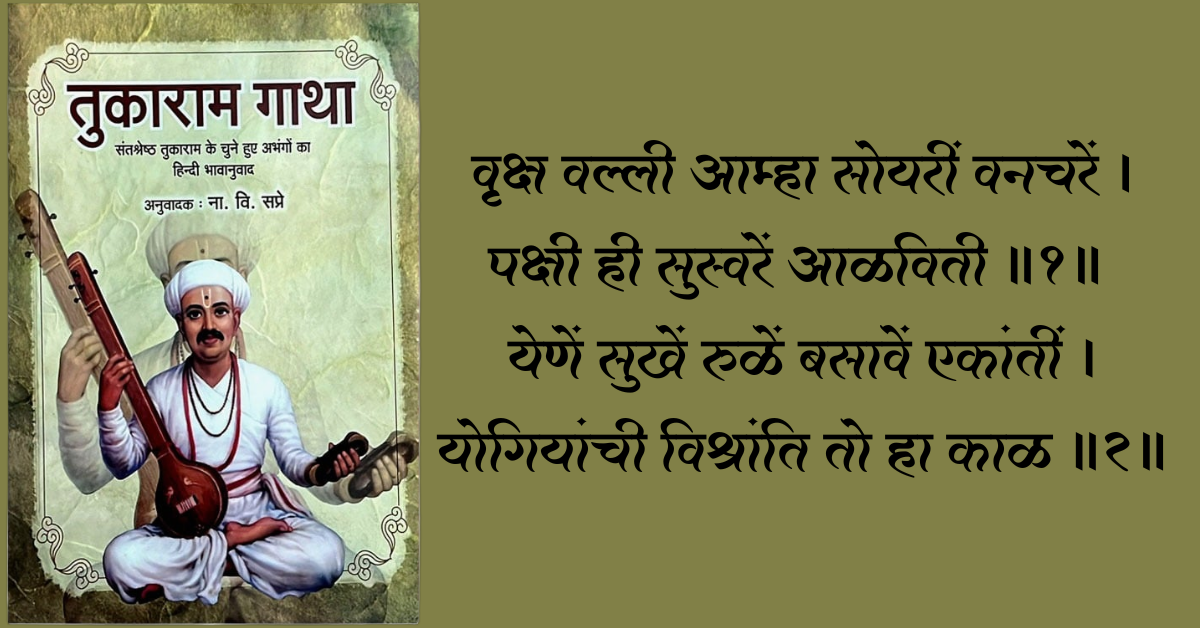
An Abhang is a devotional song in the Marathi language, typically sung in praise of Lord Vitthal. The word "Abhang" means "non-breaking" — symbolizing the eternal nature of devotion.
Tukaram's Abhangas are known for their simplicity, directness, and emotional depth. They cover a wide range of themes — from personal devotion to social commentary, from philosophical reflection to simple everyday life.
Themes in Tukaram's Abhangas
- Devotion (Bhakti) — His love for Vitthal is the central theme of his Abhangas.
- Equality (Samata) — He sings of the equality of all beings.
- Love (Prem) — His songs are filled with love — love for God, love for humanity.
- Truth (Saty) — He emphasizes the importance of truthfulness.
- Compassion (Karuna) — He calls for compassion towards all living beings.
Well-Known Abhangas
"Listen, listen, my mother, Vitthal, Vitthal, run, run, run." "ऐका ऐका माझिया माउलिया, विठ्ठला विठ्ठला धवा धवा धवा"
This Abhang expresses the devotee's intense longing for Vitthal. The repetition of "Vithala" and the plea to "run" convey the urgency and depth of the devotee's love.
"Say Rama, say Rama, what is the need to say anything else?" "बोला रामा बोला रामा, काही तू राम नाम"
This Abhang highlights the centrality of Namasmaran (chanting God's name) in the Warkari tradition. Tukaram teaches that chanting the name of God is the simplest and most powerful spiritual practice.
"It happened, Rama, Rama, Rama — it happened, Rama, Rama, Rama." "झाले राम राम राम, झाले राम राम राम"
This Abhang describes the moment of surrender — when the devotee lets go of all attachments and trusts completely in God.
Note: These are brief excerpts from Tukaram's Abhangas. The full versions of these songs are long and deeply moving.
संत तुकारामांचे प्रसिद्ध अभंग
अभंग म्हणजे काय?
अभंग हे मराठी भाषेतील एक भक्तिगीत आहे, जे सामान्यतः श्री विठ्ठलाच्या स्तुतीत गायले जाते. "अभंग" म्हणजे "न तुटणारा" — भक्तीच्या शाश्वत स्वरूपाचे प्रतीक.
तुकारामांचे अभंग त्यांच्या साधेपणा, प्रत्यक्षता आणि भावनिक खोलीसाठी ओळखले जातात. ते वैयक्तिक भक्तीपासून सामाजिक टीकेपर्यंत, तात्त्विक चिंतनापासून साध्या दैनंदिन जीवनापर्यंत अनेक विषयांचा समावेश करतात.
तुकारामांच्या अभंगांतील विषय
- भक्ती — विठ्ठलावरील प्रेम हा त्यांच्या अभंगांचा केंद्रबिंदू आहे.
- समानता — ते सर्व प्राण्यांच्या समानतेचे गायन करतात.
- प्रेम — त्यांची गीते प्रेमाने भरलेली आहेत — ईश्वरावरील प्रेम, मानवतेवरील प्रेम.
- सत्य — ते सत्यतेच्या महत्त्वावर भर देतात.
- करुणा — ते सर्व सजीवांबद्दल करुणेचे आवाहन करतात.
प्रसिद्ध अभंग
"Listen, listen, my mother, Vitthal, Vitthal, run, run, run." "ऐका ऐका माझिया माउलिया, विठ्ठला विठ्ठला धवा धवा धवा"
हा अभंग भक्ताची विठ्ठलाची तीव्र आस व्यक्त करतो. "विठ्ठला" ची पुनरावृत्ती आणि "धावा" ची विनंती भक्ताच्या प्रेमाची तातडी आणि खोली व्यक्त करते.
"Say Rama, say Rama, what is the need to say anything else?" "बोला रामा बोला रामा, काही तू राम नाम"
हा अभंग वारकरी परंपरेतील नामस्मरण (ईश्वराच्या नावाचा जप) चे केंद्रस्थान अधोरेखित करतो. तुकाराम शिकवतात की ईश्वराच्या नावाचा जप ही सर्वात सोपी आणि सर्वात शक्तिशाली आध्यात्मिक साधना आहे.
"It happened, Rama, Rama, Rama — it happened, Rama, Rama, Rama." "झाले राम राम राम, झाले राम राम राम"
हा अभंग शरणागतीचा क्षण दर्शवतो — जेव्हा भक्त सर्व आसक्ती सोडून देतो आणि पूर्णपणे ईश्वरावर विश्वास ठेवतो.
टीप: हे तुकारामांच्या अभंगांतील संक्षिप्त उतारे आहेत. या गीतांच्या पूर्ण आवृत्त्या दीर्घ आणि अत्यंत हृदयस्पर्शी आहेत.
Teachings of Sant Tukaram Maharaj
Devotion (Bhakti)
Tukaram taught that devotion to God is the highest spiritual path. He believed that sincere devotion, expressed through chanting God's name and serving others, leads to liberation. His own life was a testament to this teaching.
Equality (Samata)
Tukaram rejected caste discrimination and taught that all human beings are equal in the eyes of God. He welcomed devotees from all castes and backgrounds, challenging the social hierarchies of his time.
Compassion (Karuna)
He emphasized the importance of compassion towards all living beings. He taught that true spirituality is not just about personal salvation but also about caring for others.
Forgiveness (Kshama)
Tukaram taught the importance of forgiveness. He believed that holding grudges and harbouring anger were obstacles to spiritual growth. Forgiveness, he said, is a sign of strength.
Truth (Satya)
He emphasized the importance of truthfulness. He taught that speaking the truth and living with integrity are essential for a spiritual life.
Service (Seva)
Service to others, according to Tukaram, is a form of worship. He taught that serving the needy and helping those in need is an expression of devotion to God.
Humility (Nimrata)
Tukaram was the embodiment of humility. He taught that pride and arrogance are obstacles to spiritual progress. True devotion, he said, is marked by humility.
Simple Living
He lived simply and taught others to do the same. He believed that attachment to material wealth leads to suffering and that true happiness lies in simplicity and devotion.
Universal Brotherhood
Tukaram's vision was one of universal brotherhood. He taught that all beings are part of the same cosmic family, united by the same Divine consciousness.
संत तुकाराम महाराजांच्या शिकवणी
भक्ती
तुकारामांनी शिकवले की ईश्वराची भक्ती हा सर्वोच्च आध्यात्मिक मार्ग आहे. त्यांचा विश्वास होता की प्रामाणिक भक्ती, ईश्वराच्या नामाचा जप आणि इतरांची सेवा याद्वारे व्यक्त केली जाते, मोक्षाकडे नेते. त्यांचे स्वतःचे जीवन या शिकवणीचा पुरावा होता.
समानता
तुकारामांनी जातीय भेदभाव नाकारला आणि शिकवले की ईश्वराच्या दृष्टीने सर्व मानवी व्यक्ती समान आहेत. त्यांनी सर्व जाती आणि पार्श्वभूमीतील भाविकांचे स्वागत केले, त्यांच्या काळातील सामाजिक श्रेणींना आव्हान दिले.
करुणा
त्यांनी सर्व सजीवांबद्दल करुणेच्या महत्त्वावर भर दिला. त्यांनी शिकवले की खरी आध्यात्मिकता ही केवळ वैयक्तिक मुक्ती नाही तर इतरांची काळजी घेणे देखील आहे.
क्षमा
तुकारामांनी क्षमेचे महत्त्व शिकवले. त्यांचा विश्वास होता की राग आणि संताप धारण करणे हे आध्यात्मिक प्रगतीला अडथळा आहेत. क्षमा, ते म्हणाले, सामर्थ्याचे लक्षण आहे.
सत्य
त्यांनी सत्यतेच्या महत्त्वावर भर दिला. त्यांनी शिकवले की सत्य बोलणे आणि अखंडतेने जगणे हे आध्यात्मिक जीवनासाठी आवश्यक आहे.
सेवा
तुकारामांच्या मते, इतरांची सेवा ही पूजेचा एक प्रकार आहे. त्यांनी शिकवले की गरजूंची सेवा करणे आणि आवश्यक असलेल्यांना मदत करणे ही ईश्वराच्या भक्तीची अभिव्यक्ती आहे.
नम्रता
तुकाराम हे नम्रतेचे प्रतीक होते. त्यांनी शिकवले की गर्व आणि अहंकार हे आध्यात्मिक प्रगतीला अडथळा आहेत. खरी भक्ती, ते म्हणाले, नम्रतेने ओळखली जाते.
साधे जीवन
ते साधेपणाने जगले आणि इतरांनाही असे करण्यास शिकवले. त्यांचा विश्वास होता की भौतिक संपत्तीची आसक्ती दुःखाकडे नेते आणि खरा आनंद साधेपणा आणि भक्तीत आहे.
विश्वबंधुत्व
तुकारामांची दृष्टी विश्वबंधुत्वाची होती. त्यांनी शिकवले की सर्व प्राणी एकाच विश्व कुटुंबाचे भाग आहेत, त्याच दैवी चेतनेने एकत्रित.
Miracles and Traditional Stories
The life of Sant Tukaram Maharaj is filled with traditional stories and accounts of miracles that have been passed down through generations. It is important to note that these stories are part of devotional tradition and hagiographical accounts, not established historical facts.
The Abhang Gatha Returning from the Indrayani River
One of the most famous stories about Tukaram involves his Abhangas. According to tradition, when Tukaram was facing opposition from orthodox Brahmins, he was ordered to throw his Abhangas into the Indrayani River. He did so, but after thirteen days, the manuscripts miraculously returned to him, floating on the river's surface.
This story symbolizes the triumph of devotion over opposition and the belief that divine truth cannot be suppressed.
Vaikuntha Gaman
According to Warkari tradition, Tukaram was taken to Vaikuntha (the abode of Vishnu) on a celestial chariot. As he ascended, his body vanished, and he merged with the Divine. This event, known as Vaikuntha Gaman, is celebrated by devotees as the culmination of his spiritual journey.
It is believed that Tukaram, accompanied by his wife Jijabai, disappeared from the banks of the Indrayani River, leaving behind only his wooden sandals (paduka), which are still worshipped in Dehu.
Other Traditional Accounts
- Tukaram is said to have had visions of Lord Vitthal and other deities.
- He is believed to have performed various miracles, including healing the sick and controlling the elements.
- His ability to compose profound songs spontaneously is itself considered miraculous.
These stories are part of the devotional tradition and hagiography of Sant Tukaram Maharaj. They are not verified as historical facts but reflect the deep faith and reverence of his followers.
या कथा संत तुकाराम महाराजांच्या भक्ती परंपरा आणि हागियोग्राफीचा भाग आहेत. या ऐतिहासिक तथ्ये म्हणून सत्यापित नाहीत परंतु त्यांच्या अनुयायांची गहन श्रद्धा आणि आदर दर्शवतात.
चमत्कार आणि पारंपारिक कथा
संत तुकाराम महाराजांचे जीवन पारंपारिक कथा आणि चमत्कारांच्या नोंदींनी भरलेले आहे ज्या पिढ्यानपिढ्या चालत आल्या आहेत. या कथा भक्ती परंपरा आणि हागियोग्राफीचा भाग आहेत, स्थापित ऐतिहासिक तथ्ये नव्हे, हे लक्षात घेणे महत्त्वाचे आहे.
इंद्रायणी नदीतून परत आलेली अभंग गाथा
तुकारामांबद्दलची सर्वात प्रसिद्ध कथा म्हणजे त्यांच्या अभंगांची. परंपरेनुसार, जेव्हा तुकारामांना रूढिवादी ब्राह्मणांच्या विरोधाला सामोरे जावे लागले, तेव्हा त्यांना त्यांचे अभंग इंद्रायणी नदीत फेकण्याचे आदेश देण्यात आले. त्यांनी तसे केले, परंतु तेरा दिवसांनंतर, हस्तलिखिते चमत्कारिकपणे त्यांच्याकडे परत आली, नदीच्या पृष्ठभागावर तरंगत.
ही कथा विरोधावर भक्तीच्या विजयाचे आणि दैवी सत्य दडपले जाऊ शकत नाही या श्रद्धेचे प्रतीक आहे.
वैकुंठ गमन
वारकरी परंपरेनुसार, तुकारामांना दिव्य रथावर वैकुंठ (विष्णूचे निवासस्थान) येथे नेण्यात आले. जसे ते चढले, त्यांचे शरीर अदृश्य झाले आणि ते दैवीत विलीन झाले. ही घटना, वैकुंठ गमन म्हणून ओळखली जाते, भाविक त्यांच्या आध्यात्मिक प्रवासाचा समारोप म्हणून साजरी करतात.
असे मानले जाते की तुकाराम, त्यांची पत्नी जिजाबाई यांच्यासह, इंद्रायणी नदीच्या काठावरून अदृश्य झाले, त्यांच्या मागे फक्त त्यांच्या लाकडी चपला (पादुका) सोडल्या, ज्यांची देहूत आजही पूजा केली जाते.
इतर पारंपारिक नोंदी
- तुकारामांना श्री विठ्ठल आणि इतर दैवतांचे दर्शन झाले असे सांगितले जाते.
- त्यांनी आजारी लोकांना बरे करणे आणि घटकांवर नियंत्रण ठेवणे यासह विविध चमत्कार केले असे मानले जाते.
- उत्स्फूर्तपणे सखोल गीते रचण्याची त्यांची क्षमता स्वतःच चमत्कारिक मानली जाते.
These stories are part of the devotional tradition and hagiography of Sant Tukaram Maharaj. They are not verified as historical facts but reflect the deep faith and reverence of his followers.
या कथा संत तुकाराम महाराजांच्या भक्ती परंपरा आणि हागियोग्राफीचा भाग आहेत. या ऐतिहासिक तथ्ये म्हणून सत्यापित नाहीत परंतु त्यांच्या अनुयायांची गहन श्रद्धा आणि आदर दर्शवतात.
Contribution to the Warkari Sampradaya
The Pandharpur Wari
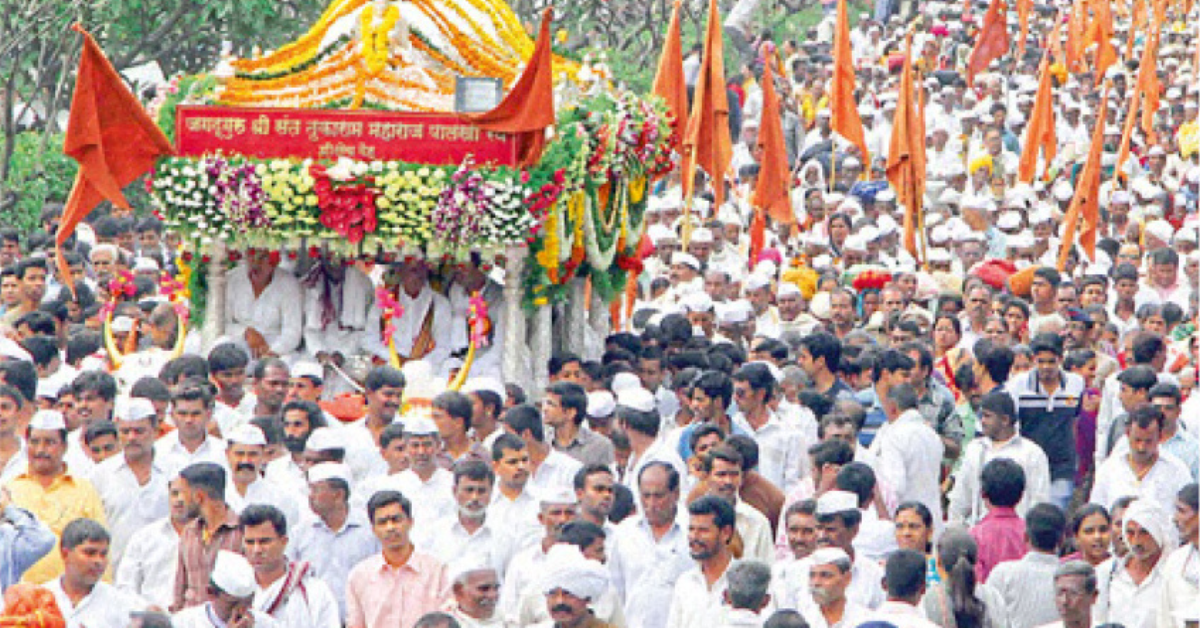
Sant Tukaram's Palkhi from Dehu is one of the most important processions in the Pandharpur Wari. Thousands of devotees walk from Dehu to Pandharpur, carrying the Palkhi of Tukaram, singing his Abhangas all the way.
The Abhang Tradition
Tukaram composed over 4,600 Abhangas, which form the heart of Warkari devotional music. His Abhangas are sung in every Dindi, in every temple, and in countless homes across Maharashtra.
The Bhakti Movement
Tukaram was a key figure in the Bhakti movement in Maharashtra. His teachings emphasized devotion as a path to salvation, making spirituality accessible to everyone.
Marathi Literature
His works are among the finest examples of Marathi devotional poetry. The Tukaram Gatha is a cornerstone of Marathi literature and has inspired countless poets and writers.
Social Reform
Tukaram's teachings of equality and compassion challenged the caste hierarchies of his time. His message of inclusivity laid the foundation for a more just society.
वारकरी संप्रदायातील योगदान
पंढरपूर वारी
संत तुकारामांची देहूतील पालखी ही पंढरपूर वारीतील सर्वात महत्त्वाच्या मिरवणुकांपैकी एक आहे. हजारो भाविक देहू ते पंढरपूर चालतात, तुकारामांची पालखी घेऊन, संपूर्ण मार्गावर त्यांचे अभंग गात.
अभंग परंपरा
तुकारामांनी ४,६०० हून अधिक अभंग रचले, जे वारकरी भक्ति संगीताचे हृदय आहेत. त्यांचे अभंग प्रत्येक दिंडीत, प्रत्येक मंदिरात आणि महाराष्ट्रातील असंख्य घरांत गायले जातात.
भक्ती चळवळ
तुकाराम हे महाराष्ट्रातील भक्ती चळवळीतील एक प्रमुख व्यक्ती होते. त्यांच्या शिकवणींनी मोक्षाचा मार्ग म्हणून भक्तीवर भर दिला, ज्यामुळे आध्यात्मिकता सर्वांसाठी सुलभ झाली.
मराठी साहित्य
त्यांची कार्ये मराठी भक्ती काव्याची उत्कृष्ट उदाहरणे आहेत. तुकाराम गाथा हा मराठी साहित्याचा आधारस्तंभ आहे आणि त्याने असंख्य कवी आणि लेखकांना प्रेरणा दिली आहे.
सामाजिक सुधारणा
तुकारामांच्या समानता आणि करुणेच्या शिकवणींनी त्यांच्या काळातील जातीय श्रेणींना आव्हान दिले. सर्वसमावेशकतेच्या त्यांच्या संदेशाने अधिक न्याय्य समाजाचा पाया घातला.
Influence on Marathi Literature
Language
Tukaram's Abhangas are written in simple, accessible Marathi. He used the language of the common people, making his poetry accessible to everyone. His choice of language was itself a revolutionary act — a rejection of the elitism of Sanskrit.
Poetry
His Abhangas are considered some of the finest examples of Marathi poetry. They are simple, direct, and deeply moving. His influence can be seen in the works of later Marathi poets, including the modern poets of Maharashtra.
Modern Influence
Tukaram's influence extends to modern Marathi literature and culture. His Abhangas are still sung, studied, and celebrated. His life and teachings continue to inspire writers, poets, and artists across the world.
मराठी साहित्यावर प्रभाव
भाषा
तुकारामांचे अभंग सोप्या, सुलभ मराठीत लिहिलेले आहेत. त्यांनी सामान्य लोकांची भाषा वापरली, ज्यामुळे त्यांचे काव्य सर्वांसाठी सुलभ झाले. भाषेची त्यांची निवड स्वतःच एक क्रांतिकारक कृती होती — संस्कृतच्या वर्गवारीला नकार.
काव्य
त्यांचे अभंग मराठी काव्याची उत्कृष्ट उदाहरणे मानली जातात. ते सोपे, प्रत्यक्ष आणि अत्यंत हृदयस्पर्शी आहेत. त्यांचा प्रभाव नंतरच्या मराठी कवींच्या कार्यात दिसून येतो, ज्यात महाराष्ट्राच्या आधुनिक कवींचा समावेश आहे.
आधुनिक प्रभाव
तुकारामांचा प्रभाव आधुनिक मराठी साहित्य आणि संस्कृतीपर्यंत विस्तारतो. त्यांचे अभंग अजूनही गायले, अभ्यासले आणि साजरे केले जातात. त्यांचे जीवन आणि शिकवणी जगभरातील लेखक, कवी आणि कलाकारांना प्रेरणा देत आहेत.
Legacy Today
Dehu
Dehu, where Tukaram lived and composed his Abhangas, has become a major pilgrimage destination. The temple at his samadhi site attracts millions of visitors every year. The Indrayani River, where he meditated, is also a sacred site.
Pandharpur
Tukaram's connection to Pandharpur is deep. His Abhangas are sung with devotion in the Vitthal temple, and his Palkhi is one of the most important processions during the Wari.
The Wari
Every year, the Palkhi of Sant Tukaram starts from Dehu and travels to Pandharpur. Thousands of devotees accompany the Palkhi, singing his Abhangas. The Wari is a living tribute to Tukaram's legacy.
Schools and Literature
The Tukaram Gatha is studied in schools and universities across Maharashtra. His Abhangas are included in school curricula, ensuring that new generations learn about his life and teachings.
Music and Kirtan
Tukaram's Abhangas are an essential part of Marathi devotional music. They are sung in temples, at Wari processions, and in homes. The tradition of Kirtan — narrative singing — also draws heavily from Tukaram's works.
Modern Maharashtra
Sant Tukaram Maharaj is deeply woven into the fabric of modern Maharashtra. His teachings of equality, compassion, and devotion continue to shape the state's spiritual and cultural identity.
आजचा वारसा
देहू
तुकाराम जिथे राहत आणि त्यांचे अभंग रचत तिथे देहू एक प्रमुख तीर्थक्षेत्र बनले आहे. त्यांच्या समाधीस्थानावरील मंदिर दरवर्षी लाखो अभ्यागतांना आकर्षित करते. जिथे त्यांनी ध्यान केले ती इंद्रायणी नदी देखील एक पवित्र स्थळ आहे.
पंढरपूर
तुकारामांचा पंढरपूरशी सखोल संबंध आहे. त्यांचे अभंग विठ्ठल मंदिरात भक्तीने गायले जातात आणि त्यांची पालखी वारीतील सर्वात महत्त्वाच्या मिरवणुकांपैकी एक आहे.
वारी
दरवर्षी, संत तुकारामांची पालखी देहूतून सुरू होते आणि पंढरपूरला जाते. हजारो भाविक पालखीसोबत असतात, त्यांचे अभंग गात. वारी ही तुकारामांच्या वारशाची एक जिवंत श्रद्धांजली आहे.
शाळा आणि साहित्य
तुकाराम गाथेचा अभ्यास महाराष्ट्रातील शाळा आणि विद्यापीठांमध्ये केला जातो. त्यांचे अभंग शालेय अभ्यासक्रमात समाविष्ट केले आहेत, ज्यामुळे नवीन पिढ्या त्यांचे जीवन आणि शिकवणी शिकतात.
संगीत आणि कीर्तन
तुकारामांचे अभंग हे मराठी भक्ति संगीताचा अत्यावश्यक भाग आहेत. ते मंदिरांत, वारी मिरवणुकांत आणि घरांत गायले जातात. कीर्तन — वर्णनात्मक गायन — ही परंपरा देखील तुकारामांच्या कार्यातून मोठ्या प्रमाणात प्रेरित आहे.
आधुनिक महाराष्ट्र
संत तुकाराम महाराज हे आधुनिक महाराष्ट्राच्या फॅब्रिकमध्ये खोलवर विणलेले आहेत. समानता, करुणा आणि भक्तीच्या त्यांच्या शिकवणी राज्याची आध्यात्मिक आणि सांस्कृतिक ओळख घडवत आहेत.
Timeline of Sant Tukaram's Life
संत तुकारामांच्या जीवनाची टाइमलाइन
Interesting Facts About Sant Tukaram Maharaj
संत तुकाराम महाराजांबद्दल मनोरंजक तथ्ये
Did You Know?
तुम्हाला माहित आहे का?
Frequently Asked Questions
वारंवार विचारले जाणारे प्रश्न
Sant Tukaram Maharaj was a 17th-century Marathi saint, poet, and philosopher. He composed over 4,600 Abhangas and is one of the most important figures in the Warkari tradition.
संत तुकाराम महाराज हे १७व्या शतकातील मराठी संत, कवी आणि तत्त्वज्ञ होते. त्यांनी ४,६००+ अभंग रचले आणि ते वारकरी परंपरेतील सर्वात महत्त्वाच्या व्यक्तींपैकी एक आहेत.
He was born in 1608 CE in Dehu, Maharashtra (some sources suggest 1598).
त्यांचा जन्म इ.स. १६०८ मध्ये महाराष्ट्रातील देहू येथे झाला (काही स्रोत १५९८ सुचवतात).
Abhangas are devotional songs in the Marathi language, typically sung in praise of Lord Vitthal. Tukaram composed over 4,600 Abhangas.
अभंग ही मराठी भाषेतील भक्तिगीते आहेत, जी सामान्यतः श्री विठ्ठलाच्या स्तुतीत गायली जातात. तुकारामांनी ४,६००+ अभंग रचले.
The Tukaram Gatha is the collection of over 4,600 Abhangas composed by Sant Tukaram Maharaj. It is one of the most important texts in the Warkari tradition.
तुकाराम गाथा ही संत तुकाराम महाराजांनी रचलेल्या ४,६००+ अभंगांची संग्रह आहे. ही वारकरी परंपरेत सर्वात महत्त्वाच्या ग्रंथांपैकी एक आहे.
According to tradition, he took Vaikuntha Gaman and his paduka (wooden sandals) are worshipped in Dehu, Maharashtra.
परंपरेनुसार, त्यांनी वैकुंठ गमन केले आणि त्यांच्या पादुका (लाकडी चपला) महाराष्ट्रातील देहूत पूजल्या जातात.
His teachings emphasized devotion to God, equality, compassion, forgiveness, truth, service, humility, simple living, and universal brotherhood.
त्यांच्या शिकवणींनी ईश्वराची भक्ती, समानता, करुणा, क्षमा, सत्य, सेवा, नम्रता, साधे जीवन आणि विश्वबंधुत्व यावर भर दिला.
His first wife was Rakhumabai, who passed away early. He later married Jijabai, who supported him throughout his spiritual journey.
त्यांची पहिली पत्नी रखुमाबाई होत्या, ज्या सुरुवातीला वारल्या. त्यांनी नंतर जिजाबाई यांच्याशी विवाह केला, ज्यांनी संपूर्ण आध्यात्मिक प्रवासात त्यांना साथ दिली.
The Indrayani River in Dehu is where Tukaram spent hours in meditation. According to tradition, his Abhangas were thrown into this river and miraculously returned.
देहूतील इंद्रायणी नदी ही आहे जिथे तुकाराम ध्यानात तास घालवत. परंपरेनुसार, त्यांचे अभंग या नदीत फेकले गेले आणि चमत्कारिकपणे परत आले.
According to Warkari tradition, Vaikuntha Gaman is the ascension of Sant Tukaram to Vaikuntha (the abode of Vishnu) on a celestial chariot.
वारकरी परंपरेनुसार, वैकुंठ गमन म्हणजे संत तुकारामांचे दिव्य रथावर वैकुंठ (विष्णूचे निवासस्थान) येथे गमन.
He composed over 4,600 Abhangas, which are compiled in the Tukaram Gatha.
त्यांनी ४,६००+ अभंग रचले, जे तुकाराम गाथेत संकलित आहेत.
His Abhangas are central to Warkari devotion. His Palkhi from Dehu is one of the most important processions in the Pandharpur Wari.
त्यांचे अभंग वारकरी भक्तीत केंद्रस्थानी आहेत. देहूतील त्यांची पालखी ही पंढरपूर वारीतील सर्वात महत्त्वाच्या मिरवणुकांपैकी एक आहे.
Yes, he faced opposition from orthodox Brahmins who rejected his teachings and his simple, inclusive approach to devotion.
होय, त्यांना रूढिवादी ब्राह्मणांच्या विरोधाला सामोरे जावे लागले ज्यांनी त्यांच्या शिकवणी आणि भक्तीच्या साध्या, सर्वसमावेशक दृष्टिकोनाला नाकारले.
Tukaram Jayanti is the birth anniversary of Sant Tukaram Maharaj, celebrated on the 8th day of the dark fortnight in the month of Jyeshtha.
तुकाराम जयंती ही संत तुकाराम महाराजांची जयंती आहे, जी ज्येष्ठ महिन्याच्या कृष्ण पक्षाच्या अष्टमीला साजरी केली जाते.
They are considered some of the finest examples of Marathi devotional poetry. They express the devotee's love for God and teach values of equality, humility, and compassion.
ते मराठी भक्ती काव्याची उत्कृष्ट उदाहरणे मानली जातात. ते भक्ताचे ईश्वरावरील प्रेम व्यक्त करतात आणि समानता, नम्रता आणि करुणेची मूल्ये शिकवतात.
His Palkhi starts from Dehu, Maharashtra, and travels to Pandharpur during the Wari.
त्यांची पालखी महाराष्ट्रातील देहूतून सुरू होते आणि वारीत पंढरपूरला जाते.
He was a farmer and grocer by profession.
ते व्यवसायाने शेतकरी आणि किराणा व्यापारी होते.
His spiritual journey began after facing personal losses and hardships, which led him to turn to Vitthal with complete surrender.
त्यांचा आध्यात्मिक प्रवास वैयक्तिक नुकसान आणि कठीण परिस्थितीला सामोरे जाण्यानंतर सुरू झाला, ज्यामुळे ते पूर्ण शरणागतीने विठ्ठलाकडे वळले.
Tukaram was deeply inspired by Sant Dnyaneshwar and his works. He is often considered the spiritual successor to Dnyaneshwar in the Warkari tradition.
तुकाराम संत ज्ञानेश्वर आणि त्यांच्या कार्यांनी सखोल प्रेरित होते. ते अनेकदा वारकरी परंपरेत ज्ञानेश्वरांचे आध्यात्मिक उत्तराधिकारी मानले जातात.
Traditional stories include the Abhangas returning from the Indrayani River and his ascension to Vaikuntha. These are part of devotional tradition, not verified historical facts.
पारंपारिक कथांमध्ये इंद्रायणी नदीतून परत आलेले अभंग आणि वैकुंठ गमन यांचा समावेश आहे. या भक्ती परंपरेचा भाग आहेत, सत्यापित ऐतिहासिक तथ्ये नव्हे.
His message of equality, compassion, and simple devotion is as relevant today as it was in the 17th century. His Abhangas continue to inspire and comfort millions.
समानता, करुणा आणि साध्या भक्तीचा त्यांचा संदेश आजही तितकाच प्रासंगिक आहे जितका १७व्या शतकात होता. त्यांचे अभंग लाखो लोकांना प्रेरणा आणि सांत्वन देत आहेत.
Dehu is Tukaram's birthplace and the town where he lived and composed his Abhangas. It is an important pilgrimage site in Maharashtra.
देहू हे तुकारामांचे जन्मस्थान आहे आणि ते जिथे राहत आणि त्यांचे अभंग रचत. ते महाराष्ट्रातील एक महत्त्वाचे तीर्थक्षेत्र आहे.
They are sung in a melodic style, often accompanied by musical instruments like cymbals, harmonium, and mridangam.
ते मधुर शैलीत गायले जातात, अनेकदा झांज, हार्मोनियम आणि मृदंग यांसारख्या वाद्यांसह.
Namasmaran is the practice of chanting God's name. Tukaram emphasized Namasmaran as the central spiritual practice of the Warkari tradition.
नामस्मरण म्हणजे ईश्वराच्या नावाचा जप करण्याची प्रथा. तुकारामांनी नामस्मरणाला वारकरी परंपरेची केंद्रीय आध्यात्मिक साधना म्हणून भर दिला.
The Warkari tradition is a Bhakti tradition centered on the worship of Lord Vitthal and the annual pilgrimage to Pandharpur. Tukaram was a key figure in this tradition.
वारकरी परंपरा ही श्री विठ्ठलाच्या पूजेभोवती आणि पंढरपूरच्या वार्षिक तीर्थयात्रेभोवती केंद्रित भक्ती परंपरा आहे. तुकाराम हे या परंपरेत एक प्रमुख व्यक्ती होते.
He had four children — three sons (Narayan, Vithobaji, Mahadev) and a daughter (Avlai).
त्यांना चार मुले होती — तीन मुलगे (नारायण, विठोबाजी, महादेव) आणि एक मुलगी (अवलाई).
The Tukaram Gatha is a cornerstone of Marathi literature. His works have inspired countless poets and writers and are studied in schools and universities.
तुकाराम गाथा हा मराठी साहित्याचा आधारस्तंभ आहे. त्यांच्या कार्यांनी असंख्य कवी आणि लेखकांना प्रेरणा दिली आहे आणि शाळा आणि विद्यापीठांमध्ये त्यांचा अभ्यास केला जातो.
His paduka (wooden sandals) are worshipped in Dehu, Maharashtra, at the site associated with his Vaikuntha Gaman.
त्यांच्या पादुका (लाकडी चपला) महाराष्ट्रातील देहूत, त्यांच्या वैकुंठ गमनाशी संबंधित स्थळावर पूजल्या जातात.
They teach devotion, equality, compassion, humility, and the importance of chanting God's name. They also emphasize that the path to God is open to everyone.
ते भक्ती, समानता, करुणा, नम्रता आणि ईश्वराच्या नामजपाचे महत्त्व शिकवतात. ते असेही सांगतात की ईश्वराचा मार्ग प्रत्येकासाठी खुला आहे.
Because his Abhangas are central to Warkari devotion and his life exemplifies the values of the tradition — devotion, equality, humility, and compassion.
कारण त्यांचे अभंग वारकरी भक्तीत केंद्रस्थानी आहेत आणि त्यांचे जीवन परंपरेची मूल्ये — भक्ती, समानता, नम्रता आणि करुणा — उदाहरणार्थ आहे.
He is remembered through his Abhangas, the Wari pilgrimage, the temple in Dehu, and the continued devotion of millions of followers.
ते त्यांचे अभंग, वारी तीर्थयात्रा, देहूतील मंदिर आणि लाखो अनुयायांच्या सततच्या भक्तीद्वारे आठवले जातात.
Conclusion
Sant Tukaram Maharaj was not a scholar, not a priest, not a wealthy man. He was a farmer, a grocer, a father, and a devotee. He faced loss, poverty, and opposition. But through it all, his love for Lord Vitthal never wavered.
Through his Abhangas, he sang his way to God. His songs, simple and profound, continue to inspire millions across the world. They teach us that devotion is not about wealth or status — it is about the heart.
Tukaram's message is simple but powerful: chant the name of God, serve others, and walk the path of devotion with humility and love. He taught that the path to liberation is open to everyone — not just the privileged few.
Today, his Abhangas are sung in villages and cities, in temples and homes. His Palkhi still walks to Pandharpur, carrying his message of love and devotion to millions. His legacy is not just in books or temples — it is in the hearts of those who sing his songs and walk his path.
Sant Tukaram Maharaj may have left this world over 350 years ago, but his spirit continues to guide, inspire, and bless all who seek the path of devotion. As he himself sang:
"He who chants the name of Vitthal with a pure heart is never alone. The Lord walks beside him, every step of the way."
समारोप
संत तुकाराम महाराज विद्वान नव्हते, पुरोहित नव्हते, श्रीमंत नव्हते. ते शेतकरी होते, किराणा व्यापारी होते, वडील होते आणि भक्त होते. त्यांना नुकसान, गरिबी आणि विरोधाला सामोरे जावे लागले. परंतु या सर्व गोष्टींमध्ये, श्री विठ्ठलावरील त्यांचे प्रेम कधीही डळमळले नाही.
त्यांच्या अभंगांद्वारे, त्यांनी गायनातून ईश्वराला साद घातली. त्यांची गीते, सोपी आणि सखोल, जगभरात लाखो लोकांना प्रेरणा देत आहेत. ते आपल्याला शिकवतात की भक्ती ही संपत्ती किंवा स्थितीबद्दल नाही — ती हृदयाबद्दल आहे.
तुकारामांचा संदेश सोपा पण शक्तिशाली आहे: ईश्वराचे नामस्मरण करा, इतरांची सेवा करा आणि नम्रता आणि प्रेमाने भक्तीच्या मार्गावर चाला. त्यांनी शिकवले की मोक्षाचा मार्ग प्रत्येकासाठी खुला आहे — फक्त काही विशेषाधिकार प्राप्तांसाठी नव्हे.
आज, त्यांचे अभंग गावोगावी आणि शहरांमध्ये, मंदिरांत आणि घरांत गायले जातात. त्यांची पालखी अजूनही पंढरपूरला चालते, त्यांचा प्रेम आणि भक्तीचा संदेश लाखो लोकांपर्यंत पोहोचवत. त्यांचा वारसा केवळ पुस्तकांत किंवा मंदिरांत नाही — तो त्यांची गीते गाणाऱ्या आणि त्यांच्या मार्गावर चालणाऱ्यांच्या हृदयात आहे.
संत तुकाराम महाराजांनी ३५० वर्षांहून अधिक काळापूर्वी हे जग सोडले असले तरी, त्यांची आत्मा भक्तीचा मार्ग शोधणाऱ्या सर्वांना मार्गदर्शन, प्रेरणा आणि आशीर्वाद देत आहे. जसे त्यांनी स्वतः गायले:
"जो शुद्ध हृदयाने विठ्ठलाचे नामस्मरण करतो, तो कधीही एकटा नसतो. भगवान त्याच्या शेजारी चालतो, प्रत्येक पाऊल."
Sing the Songs of the Saintsसंतांची गीते गा
Want to explore more about the Warkari tradition and the saints of Maharashtra? Discover the lives of other saints, the significance of the Wari pilgrimage, and the enduring legacy of the Bhakti movement.
वारकरी परंपरा आणि महाराष्ट्राच्या संतांबद्दल अधिक जाणून घ्यायचे आहे? इतर संतांचे जीवन, वारी तीर्थयात्रेचे महत्त्व आणि भक्ती चळवळीचा चिरंतन वारसा जाणून घ्या.
Explore Pandharpur Wari पंढरपूर वारी पाहा