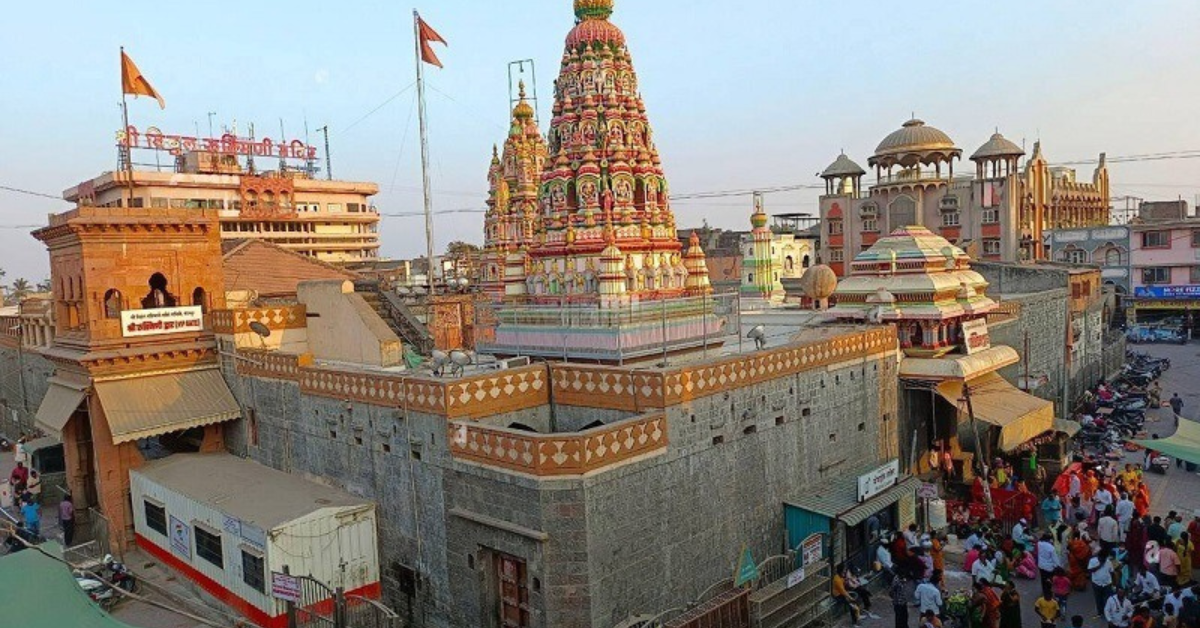
Introduction
Imagine walking for 250 kilometres, through villages and towns, across rivers and fields, for 18 to 21 days. Your feet are tired, your body aches, but your heart is full. You are one of millions walking to Pandharpur — to stand before Lord Vitthal, who stands patiently on a sacred brick, waiting just for you.
This is the experience of millions of Warkaris who undertake the Pandharpur Wari every year. And at the end of this journey lies the Shri Vitthal-Rukmini Temple — one of the most sacred temples in India and the spiritual heart of Maharashtra.
The temple is not just a place of worship; it is the centre of a tradition that has inspired poets, saints, and devotees for over 800 years. It is the home of Lord Vitthal — the deity who stands on a brick, symbolising patience, compassion, and the eternal bond between the devotee and the Divine.
This guide takes you on a journey through the Shri Vitthal-Rukmini Temple — its history, architecture, rituals, festivals, and the profound spiritual significance that makes it one of the most important pilgrimage destinations in India.
प्रस्तावना
२५० किलोमीटर चालण्याची कल्पना करा, गावे आणि शहरांमधून, नद्या आणि शेतांमधून, १८ ते २१ दिवस. तुमचे पाय थकले आहेत, शरीर दुखत आहे, पण हृदय आनंदाने भरलेले आहे. तुम्ही लाखो लोकांपैकी एक आहात जे पंढरपूरला चालत आहेत — श्री विठ्ठलासमोर उभे राहण्यासाठी, जे पवित्र विटेवर संयमाने उभे आहेत, फक्त तुमची वाट पाहत आहेत.
हा आहे लाखो वारकऱ्यांचा अनुभव जे दरवर्षी पंढरपूर वारी करतात. आणि या प्रवासाच्या शेवटी आहे श्री विठ्ठल-रुक्मिणी मंदिर — भारतातील सर्वात पवित्र मंदिरांपैकी एक आणि महाराष्ट्राचे आध्यात्मिक हृदय.
हे मंदिर केवळ पूजास्थान नाही; ही ८०० वर्षांहून अधिक काळ कवी, संत आणि भाविकांना प्रेरणा देणाऱ्या परंपरेचे केंद्र आहे. हे श्री विठ्ठलाचे घर आहे — जे विटेवर उभे आहेत, संयम, करुणा आणि भक्त आणि दैवी यांच्यातील शाश्वत बंधाचे प्रतीक.
हा मार्गदर्शक तुम्हाला श्री विठ्ठल-रुक्मिणी मंदिराच्या प्रवासावर घेऊन जातो — त्याचा इतिहास, रचना, विधी, सण आणि ते गहन आध्यात्मिक महत्त्व ज्यामुळे ते भारतातील सर्वात महत्त्वाच्या तीर्थक्षेत्रांपैकी एक बनले आहे.
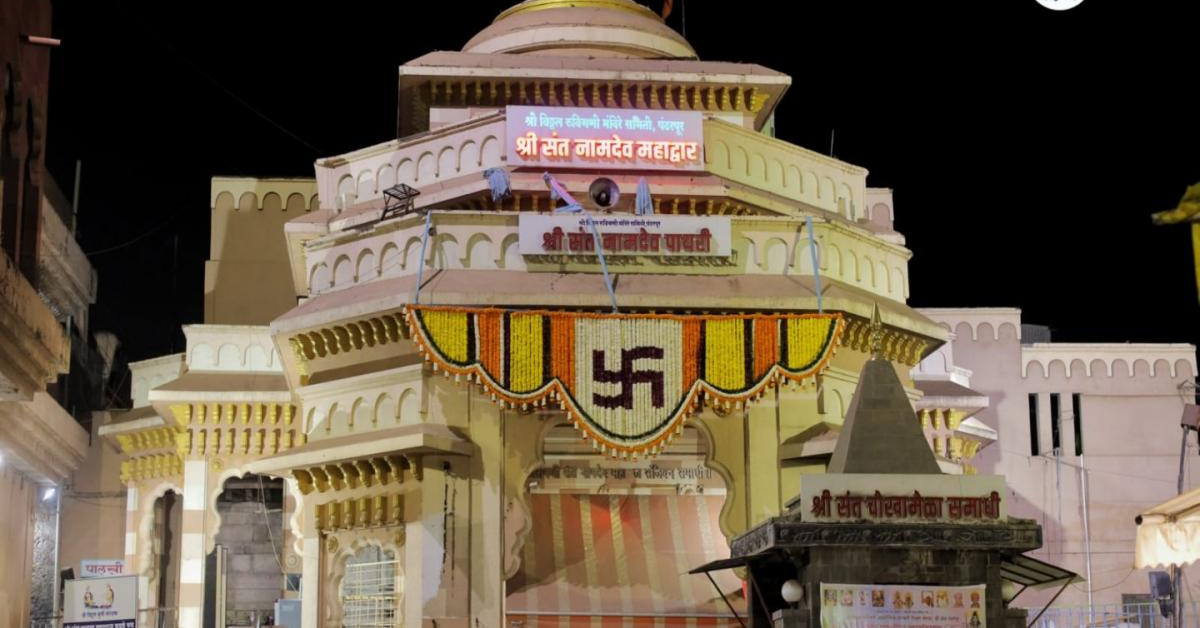
About the Shri Vitthal-Rukmini Temple
The Shri Vitthal-Rukmini Temple is a Hindu temple dedicated to Lord Vitthal (also known as Vithoba or Panduranga) and his consort Goddess Rukmini. Located in Pandharpur, in the Solapur district of Maharashtra, this temple is the most important pilgrimage site in the Warkari tradition.
The temple is situated on the banks of the Chandrabhaga River (a tributary of the Bhima), and it is the focal point of the Pandharpur Wari — the world's largest walking pilgrimage.
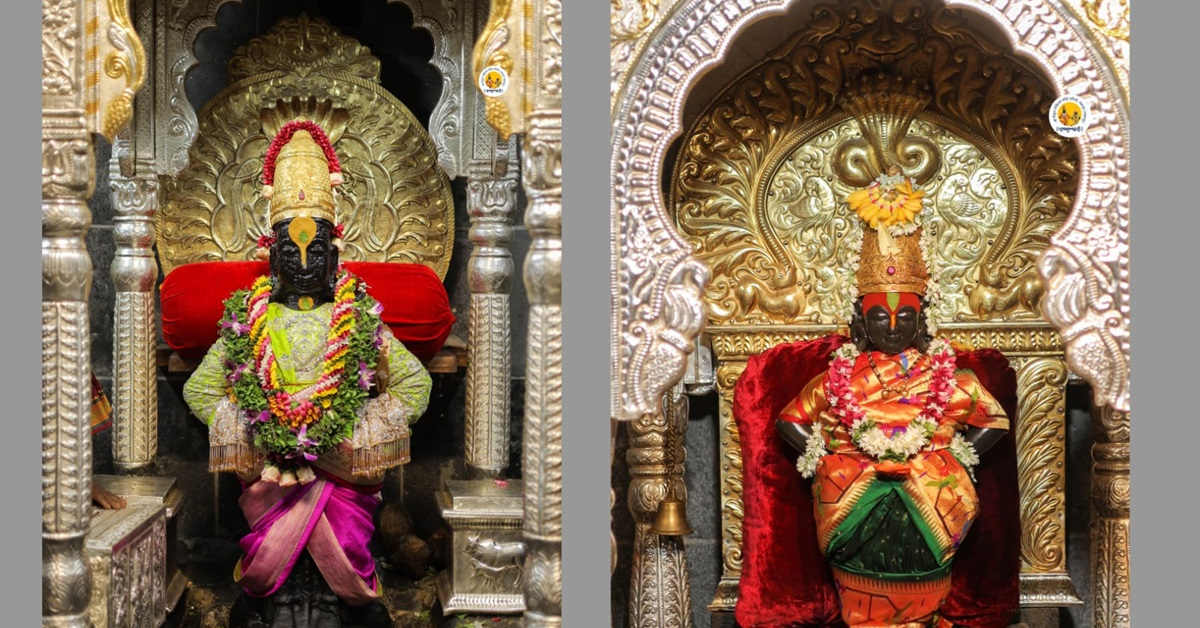
Lord Vitthal is a form of Lord Krishna, depicted standing on a brick with his hands on his hips. This unique posture is known as Kati Hasta and symbolises the Lord's willingness to wait for His devotees.
Importance in Maharashtra
In Maharashtra, the Shri Vitthal-Rukmini Temple is more than a temple — it is the spiritual centre of the state. The temple is closely associated with the Warkari tradition, the Bhakti movement, and the saint-poets Dnyaneshwar, Tukaram, Namdev, and Eknath.
The temple is visited by millions of devotees every year, making it one of the most visited temples in India. The Pandharpur Wari, which culminates at the temple on Ashadhi Ekadashi, is the largest annual gathering of devotees in Maharashtra.
Importance in India
Beyond Maharashtra, the Shri Vitthal-Rukmini Temple holds significance in the broader context of the Bhakti movement in India. The Bhakti tradition, which emphasised personal devotion over ritual, found its most powerful expression in the Warkari tradition centred on this temple.
The temple is also important in the Vaishnava tradition, as Lord Vitthal is a form of Lord Krishna/Vishnu. Devotees from across India visit the temple to seek the blessings of Lord Vitthal and Goddess Rukmini.
श्री विठ्ठल-रुक्मिणी मंदिराची ओळख
श्री विठ्ठल-रुक्मिणी मंदिर हे श्री विठ्ठल (ज्यांना विठोबा किंवा पांडुरंग असेही म्हणतात) आणि त्यांची पत्नी श्री रुक्मिणी यांना समर्पित हिंदू मंदिर आहे. महाराष्ट्राच्या सोलापूर जिल्ह्यातील पंढरपूर येथे स्थित, हे मंदिर वारकरी परंपरेतील सर्वात महत्त्वाचे तीर्थक्षेत्र आहे.
हे मंदिर चंद्रभागा नदी (भीमा नदीची उपनदी) च्या काठावर स्थित आहे आणि ते पंढरपूर वारीचे — जगातील सर्वात मोठी पायी तीर्थयात्रेचे — केंद्रबिंदू आहे.
श्री विठ्ठल हे श्री कृष्णाचे एक रूप आहेत, जे एका विटेवर उभे राहून हात कंबरीवर ठेवतात. ही अनोखी मुद्रा कटी हस्त म्हणून ओळखली जाते आणि ती प्रभूची भक्तांसाठी थांबण्याची इच्छा दर्शवते.
महाराष्ट्रातील महत्त्व
महाराष्ट्रात, श्री विठ्ठल-रुक्मिणी मंदिर हे केवळ एक मंदिर नाही — ते राज्याचे आध्यात्मिक केंद्र आहे. हे मंदिर वारकरी परंपरा, भक्ती चळवळ आणि संत-कवी ज्ञानेश्वर, तुकाराम, नामदेव आणि एकनाथ यांच्याशी जवळून संबंधित आहे.
दरवर्षी लाखो भाविक या मंदिराला भेट देतात, ज्यामुळे ते भारतातील सर्वाधिक भेट दिलेल्या मंदिरांपैकी एक आहे. आषाढी एकादशीला या मंदिरात समाप्त होणारी पंढरपूर वारी ही महाराष्ट्रातील भाविकांची सर्वात मोठी वार्षिक सभा आहे.
भारतातील महत्त्व
महाराष्ट्राच्या पलीकडे, श्री विठ्ठल-रुक्मिणी मंदिर भारतातील भक्ती चळवळीच्या व्यापक संदर्भात महत्त्वाचे आहे. भक्ती परंपरा, ज्याने विधीपेक्षा वैयक्तिक भक्तीवर भर दिला, तिला या मंदिराभोवती केंद्रित वारकरी परंपरेत सर्वात शक्तिशाली अभिव्यक्ती मिळाली.
श्री विठ्ठल हे श्री कृष्ण/विष्णूचे रूप असल्याने हे मंदिर वैष्णव परंपरेतही महत्त्वाचे आहे. संपूर्ण भारतातील भाविक श्री विठ्ठल आणि श्री रुक्मिणीचा आशीर्वाद घेण्यासाठी या मंदिराला भेट देतात.
History of the Temple
Historical Development
The origins of the Shri Vitthal-Rukmini Temple are closely intertwined with the Bhakti tradition and the history of the Pandharpur region. The temple as it stands today was built during the 13th–14th century CE, though the pilgrimage tradition is believed to be even older.
The temple was patronized by the Yadava dynasty, which ruled parts of Maharashtra from the 12th to the 14th centuries. The Yadava kings were devotees of Vitthal and supported the construction and maintenance of the temple.
Later, the temple was renovated and expanded during the Maratha period, particularly under the patronage of Chhatrapati Shivaji Maharaj and the Peshwas. The Peshwas, who were devotees of Vitthal, made significant contributions to the temple.
Renovations and Contributions
- Yadava Dynasty — Built the core structure of the temple.
- Maratha Period — Renovations and expansions, including the addition of the mandapa.
- Peshwa Period — Added various shrines and improved the temple complex.
- Modern Period — Regular maintenance and preservation efforts.
Religious Importance
The temple is the central place of worship for the Warkari tradition. The saint-poets Dnyaneshwar, Tukaram, Namdev, Eknath, and others walked to this temple, composed Abhangas in its praise, and spread the message of devotion to Vitthal.
The temple's sanctity is further enhanced by its association with the story of Pundalik, the devotee whose service to his parents brought Lord Krishna to Pandharpur.
मंदिराचा इतिहास
ऐतिहासिक विकास
श्री विठ्ठल-रुक्मिणी मंदिराची उत्पत्ती भक्ती परंपरा आणि पंढरपूर प्रदेशाच्या इतिहासाशी जवळून जोडलेली आहे. आजचे मंदिर इ.स. १३वी–१४वी शतके मध्ये बांधले गेले, तरीही तीर्थयात्रेची परंपरा त्याहूनही जुनी मानली जाते.
या मंदिराला यादव राजवंश यांनी संरक्षण दिले, ज्यांनी १२व्या ते १४व्या शतकादरम्यान महाराष्ट्राच्या काही भागांवर राज्य केले. यादव राजे विठ्ठलाचे भक्त होते आणि त्यांनी मंदिराच्या बांधकाम आणि देखभालीसाठी पाठिंबा दिला.
नंतर, मराठा काळात, विशेषतः छत्रपती शिवाजी महाराज आणि पेशव्यांच्या संरक्षणाखाली मंदिराचे नूतनीकरण आणि विस्तार करण्यात आला. पेशवे, जे विठ्ठलाचे भक्त होते, त्यांनी मंदिरात महत्त्वपूर्ण योगदान दिले.
नूतनीकरण आणि योगदान
- यादव राजवंश — मंदिराची मूळ रचना बांधली.
- मराठा काळ — नूतनीकरण आणि विस्तार, ज्यात मंडपाची भर समावेश आहे.
- पेशवा काळ — विविध देवालये जोडली आणि मंदिर परिसर सुधारला.
- आधुनिक काळ — नियमित देखभाल आणि जतनाचे प्रयत्न.
धार्मिक महत्त्व
हे मंदिर वारकरी परंपरेतील पूजेचे केंद्रस्थान आहे. संत-कवी ज्ञानेश्वर, तुकाराम, नामदेव, एकनाथ आणि इतर या मंदिरात आले, त्याच्या स्तुतीत अभंग रचले आणि विठ्ठलाच्या भक्तीचा संदेश पसरवला.
पुंडलिकाच्या कथेशी संबंधित असल्याने मंदिराची पवित्रता आणखी वाढली आहे, ज्या भक्ताच्या पालकसेवेने भगवान कृष्णाला पंढरपूरला आणले.
The Story of Pundalik — A Devotional Tradition
Note: The story of Pundalik is part of the devotional tradition and religious beliefs associated with the Shri Vitthal-Rukmini Temple. It is not a verified historical fact but is central to the faith of millions of devotees.
Who Was Pundalik?
According to the Warkari tradition, Pundalik was a devotee who lived in the Pandharpur region. He was initially a negligent son who did not care for his parents. However, through a series of events, he underwent a profound transformation and became a devoted son, dedicating his life to serving his parents.
How Did Lord Vitthal Appear?
According to the tradition, Lord Krishna, accompanied by Goddess Rukmini, came to Pandharpur to bless Pundalik. At that time, Pundalik was engaged in serving his parents. He did not leave his service even to greet the Lord.
Instead, he threw a brick (Vit) for the Lord to stand on and requested Him to wait until he finished serving his parents. The Lord patiently stood on the brick and waited for Pundalik.
Why Does Lord Vitthal Stand on a Brick?
After completing his service, Pundalik welcomed the Lord with great devotion. Moved by Pundalik's selfless love and devotion, the Lord decided to remain in Pandharpur forever to bless His devotees.
This is why Lord Vitthal is depicted standing on a brick — symbolizing patience, compassion, and the Lord's willingness to wait for His devotees.
The town became known as Pandharpur, and the Lord became Vitthal (from Vit meaning brick and thal meaning place).
This story is part of the devotional tradition of the Warkari Sampradaya. It is central to the faith of millions of devotees but is not established as a historical event. The story reflects the values of service, humility, and patience that are central to the Warkari tradition.
ही कथा वारकरी संप्रदायाच्या भक्ती परंपरेचा भाग आहे. ही लाखो भाविकांच्या श्रद्धेचा केंद्रबिंदू आहे परंतु ऐतिहासिक घटना म्हणून स्थापित नाही. ही कथा सेवा, नम्रता आणि संयमाची मूल्ये दर्शवते जी वारकरी परंपरेची केंद्रस्थानी आहेत.
पुंडलिकाची कथा — एक भक्ती परंपरा
सूचना: पुंडलिकाची कथा श्री विठ्ठल-रुक्मिणी मंदिराशी संबंधित भक्ती परंपरा आणि धार्मिक श्रद्धेचा भाग आहे. ही सत्यापित ऐतिहासिक घटना नाही परंतु लाखो भाविकांच्या श्रद्धेचा केंद्रबिंदू आहे.
पुंडलिक कोण होते?
वारकरी परंपरेनुसार, पुंडलिक हे पंढरपूर प्रदेशात राहणारे भक्त होते. ते सुरुवातीला एक दुर्लक्ष करणारा पुत्र होता ज्याने आपल्या पालकांची काळजी घेतली नाही. तथापि, घटनांच्या मालिकेद्वारे, त्यांना एक गहन परिवर्तन झाले आणि ते एक समर्पित पुत्र बनले, आपले जीवन पालकांची सेवा करण्यात घालवले.
श्री विठ्ठल कसे प्रकट झाले?
परंपरेनुसार, भगवान कृष्ण, श्री रुक्मिणीसह, पुंडलिकाला आशीर्वाद देण्यासाठी पंढरपूरला आले. त्या वेळी, पुंडलिक आपल्या पालकांची सेवा करण्यात गुंतले होते. त्यांनी प्रभूला नमस्कार करण्यासाठीही आपली सेवा सोडली नाही.
त्याऐवजी, त्यांनी प्रभूला उभे राहण्यासाठी एक वीट फेकली आणि त्यांनी पालकांची सेवा पूर्ण करेपर्यंत थांबण्याची विनंती केली. प्रभूने संयमाने विटेवर उभे राहून पुंडलिकाची वाट पाहिली.
श्री विठ्ठल वीटेवर का उभे आहेत?
सेवा पूर्ण केल्यानंतर, पुंडलिकाने मोठ्या भक्तीने प्रभूचे स्वागत केले. पुंडलिकाच्या निःस्वार्थ प्रेम आणि भक्तीने प्रभू प्रसन्न झाले आणि त्यांनी भक्तांना आशीर्वाद देण्यासाठी पंढरपूरात कायमचे राहण्याचा निर्णय घेतला.
म्हणूनच श्री विठ्ठल विटेवर उभे दाखवले जातात — संयम, करुणा आणि प्रभूची भक्तांसाठी थांबण्याची इच्छा दर्शवतात.
हे नगर पंढरपूर (पांडुरंगाचे पूर) म्हणून प्रसिद्ध झाले, आणि प्रभू विठ्ठल (विट + थल) म्हणून ओळखले गेले.
This story is part of the devotional tradition of the Warkari Sampradaya. It is central to the faith of millions of devotees but is not established as a historical event. The story reflects the values of service, humility, and patience that are central to the Warkari tradition.
ही कथा वारकरी संप्रदायाच्या भक्ती परंपरेचा भाग आहे. ही लाखो भाविकांच्या श्रद्धेचा केंद्रबिंदू आहे परंतु ऐतिहासिक घटना म्हणून स्थापित नाही. ही कथा सेवा, नम्रता आणि संयमाची मूल्ये दर्शवते जी वारकरी परंपरेची केंद्रस्थानी आहेत.
Who is Lord Vitthal?
Vitthal, Panduranga, Vithoba
Lord Vitthal (also known as Vithoba, Panduranga, or Pandharinath) is the presiding deity of the Pandharpur temple. He is a form of Lord Krishna, who is an avatar of Lord Vishnu.
The name Vitthal is derived from Vit (brick) and thal (standing) — meaning "one who stands on a brick." This refers to the story of Pundalik, where the Lord stood on a brick to wait for His devotee.
Vithoba is the affectionate Marathi form of the name, meaning "Father Vitthal."
Panduranga means "the one with a white (pandu) form (ranga)."
Connection with Lord Krishna and Vishnu
In the Vaishnava tradition, Lord Vitthal is considered a form of Lord Krishna, who is the eighth avatar of Lord Vishnu. The iconography of Vitthal — standing with hands on hips — is similar to the posture of Krishna in some depictions.
However, the worship of Vitthal is unique to the Warkari tradition, which emphasizes devotion, equality, and the chanting of God's name.
श्री विठ्ठल कोण आहेत?
विठ्ठल, पांडुरंग, विठोबा
श्री विठ्ठल (ज्यांना विठोबा, पांडुरंग किंवा पंढरीनाथ असेही म्हणतात) हे पंढरपूर मंदिराचे प्रमुख दैवत आहेत. ते श्री कृष्णाचे एक रूप आहेत, जे श्री विष्णूचे अवतार आहेत.
विठ्ठल हे नाव विट (वीट) आणि थल (उभे) यावरून आले आहे — म्हणजे "जो विटेवर उभा आहे." हे पुंडलिकाच्या कथेशी संबंधित आहे, जिथे प्रभू भक्ताची वाट पाहण्यासाठी विटेवर उभे राहिले.
विठोबा हे नावाचे प्रेमळ मराठी रूप आहे, म्हणजे "वडील विठ्ठल."
पांडुरंग म्हणजे "ज्याचा रंग पांढरा (पांडु) आहे (रंग)."
श्री कृष्ण आणि विष्णूशी संबंध
वैष्णव परंपरेत, श्री विठ्ठल हे श्री कृष्णाचे रूप मानले जातात, जे श्री विष्णूचे आठवे अवतार आहेत. विठ्ठलाची प्रतिमाशास्त्र — हात कंबरीवर ठेवून उभे — काही चित्रांमध्ये कृष्णाच्या मुद्रेशी समान आहे.
तथापि, विठ्ठलाची पूजा ही वारकरी परंपरेला अद्वितीय आहे, जी भक्ती, समानता आणि ईश्वराच्या नामाच्या जपावर भर देते.
Who is Goddess Rukmini?
Importance
Goddess Rukmini is the consort of Lord Vitthal. She is a form of Goddess Lakshmi, the goddess of prosperity and fortune. In the Warkari tradition, Rukmini is worshipped alongside Vitthal, and the temple is dedicated to both deities.
Temple and History
Within the Shri Vitthal-Rukmini Temple, the shrine of Goddess Rukmini is located to the left of the main sanctum. She is depicted in a seated posture, blessing her devotees.
According to tradition, Rukmini accompanied Lord Krishna (Vitthal) to Pandharpur and has been residing there ever since.
Spiritual Symbolism
Rukmini represents divine grace and prosperity. Her presence alongside Vitthal symbolizes the complete divine couple — the union of compassion and grace, of love and devotion.
Devotees believe that worshipping Rukmini brings prosperity, happiness, and fulfillment of desires.
श्री रुक्मिणी देवी कोण आहेत?
महत्त्व
श्री रुक्मिणी ही श्री विठ्ठलाची पत्नी आहेत. ती श्री लक्ष्मीचे रूप आहेत, ज्या समृद्धी आणि भाग्याची देवी आहेत. वारकरी परंपरेत, रुक्मिणीची विठ्ठलासोबत पूजा केली जाते, आणि हे मंदिर दोन्ही दैवतांना समर्पित आहे.
मंदिर आणि इतिहास
श्री विठ्ठल-रुक्मिणी मंदिरात, श्री रुक्मिणीचे देवालय मुख्य गर्भगृहाच्या डाव्या बाजूला आहे. त्या बसलेल्या अवस्थेत चित्रित केल्या आहेत, भक्तांना आशीर्वाद देत आहेत.
परंपरेनुसार, रुक्मिणी श्री कृष्ण (विठ्ठल) यांच्यासोबत पंढरपूरला आल्या आणि तेव्हापासून तेथे वास करत आहेत.
आध्यात्मिक प्रतीकात्मकता
रुक्मिणी दैवी कृपा आणि समृद्धी दर्शवतात. विठ्ठलासोबत त्यांची उपस्थिती संपूर्ण दैवी जोडीचे प्रतीक आहे — करुणा आणि कृपा, प्रेम आणि भक्ती यांचे मिलन.
भाविकांचा विश्वास आहे की रुक्मिणीची पूजा केल्याने समृद्धी, आनंद आणि इच्छा पूर्ण होतात.
Temple Architecture
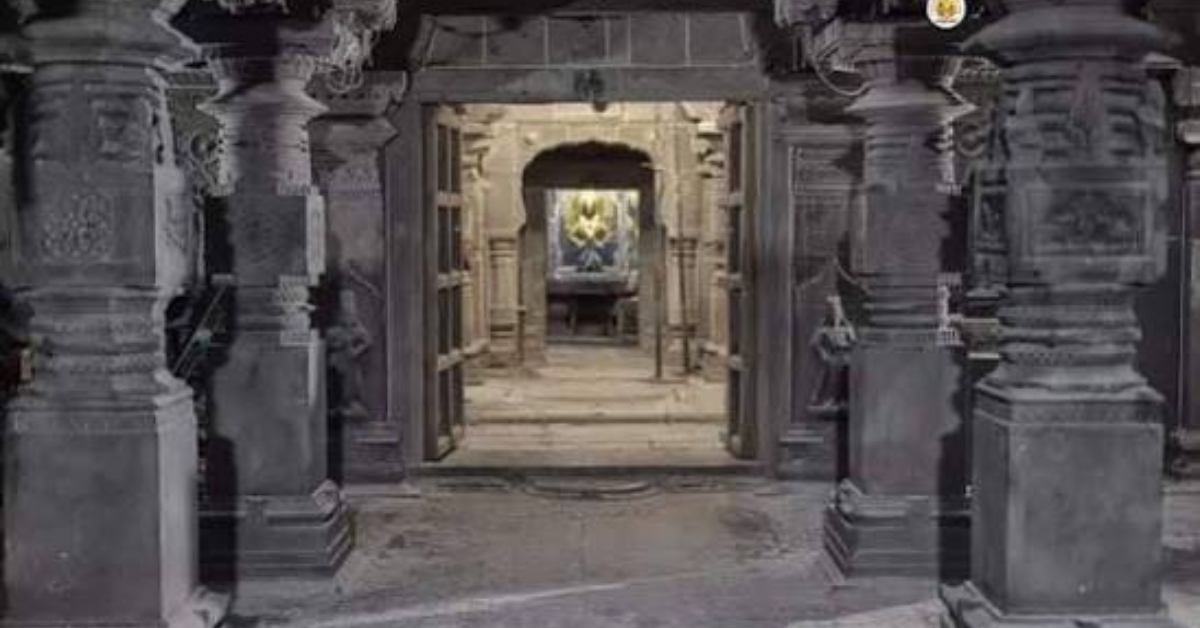
The Shri Vitthal-Rukmini Temple is built in the Hemadpanthi style, also known as the Yadava style. This architectural style was popular during the Yadava dynasty (12th–14th centuries) and is characterized by:
The temple is built of black stone, and its walls are adorned with carvings of various deities, floral motifs, and mythological scenes. The architecture reflects the rich cultural heritage of the Yadava period and the artistic traditions of Maharashtra.
मंदिराची रचना
श्री विठ्ठल-रुक्मिणी मंदिर हेमाडपंथी शैलीत बांधले गेले आहे, ज्याला यादव शैली असेही म्हणतात. ही वास्तुशैली यादव राजवंश (१२वी–१४वी शतके) दरम्यान लोकप्रिय होती आणि तिची वैशिष्ट्ये आहेत:
हे मंदिर काळ्या दगडात बांधले गेले आहे, आणि त्याच्या भिंती विविध दैवतांच्या, फुलांच्या आकृतिबंधांच्या आणि पौराणिक दृश्यांच्या कोरीवकामाने सजवलेल्या आहेत. ही रचना यादव काळाची समृद्ध सांस्कृतिक वारसा आणि महाराष्ट्राच्या कलात्मक परंपरा दर्शवते.
Main Shrines Inside the Temple
Shrine of Lord Vitthal
The main shrine is dedicated to Lord Vitthal. The deity is depicted standing on a brick, with his hands on his hips. The idol is made of black stone and is decorated with silk and ornaments.
The shrine is the most sacred part of the temple, and devotees queue for hours to receive the darshan of Lord Vitthal.
Shrine of Goddess Rukmini
To the left of the main sanctum is the shrine of Goddess Rukmini. She is depicted in a seated posture, blessing her devotees. Her shrine is also decorated with flowers and offerings.
Other Shrines
Inside the temple complex, there are several other shrines, including:
- Shri Satyabhama — Another consort of Krishna
- Shri Radha — The divine consort of Krishna
- Shri Garuda — The divine eagle, vehicle of Vishnu
- Shri Hanuman — The devotee of Rama
- Sant Dnyaneshwar — The 13th-century saint
- Sant Tukaram — The 17th-century saint
These shrines reflect the inclusive nature of the Warkari tradition, which honours saints and deities from across the Hindu tradition.
मंदिरातील प्रमुख देवालये
श्री विठ्ठलाचे देवालय
मुख्य देवालय श्री विठ्ठल यांना समर्पित आहे. दैवत विटेवर उभे असून हात कंबरीवर ठेवले आहेत. मूर्ती काळ्या दगडात बनलेली आहे आणि रेशीम आणि अलंकारांनी सजवलेली आहे.
हे देवालय मंदिराचा सर्वात पवित्र भाग आहे, आणि भाविक श्री विठ्ठलाचा दर्शन घेण्यासाठी तासन्तास रांगेत उभे असतात.
श्री रुक्मिणीचे देवालय
मुख्य गर्भगृहाच्या डाव्या बाजूला श्री रुक्मिणीचे देवालय आहे. त्या बसलेल्या अवस्थेत चित्रित केल्या आहेत, भक्तांना आशीर्वाद देत आहेत. त्यांचे देवालय देखील फुले आणि अर्पणांनी सजवलेले आहे.
इतर देवालये
मंदिर परिसरात, इतर अनेक देवालये आहेत, ज्यात:
- श्री सत्यभामा — कृष्णाची दुसरी पत्नी
- श्री राधा — कृष्णाची दैवी पत्नी
- श्री गरुड — विष्णूचे वाहन दिव्य गरुड
- श्री हनुमान — रामाचे भक्त
- संत ज्ञानेश्वर — १३व्या शतकातील संत
- संत तुकाराम — १७व्या शतकातील संत
ही देवालये वारकरी परंपरेची सर्वसमावेशक प्रकृती दर्शवतात, जी हिंदू परंपरेतील संत आणि दैवतांचा सन्मान करते.
Daily Rituals
The Shri Vitthal-Rukmini Temple follows a strict schedule of daily rituals. These rituals have been performed for centuries and are central to the temple's spiritual life.
These rituals are accompanied by the chanting of Abhangas, the ringing of bells, and the offering of flowers and lamps. The atmosphere is one of devotion and reverence.
दैनंदिन विधी
श्री विठ्ठल-रुक्मिणी मंदिर दैनंदिन विधींचे कठोर वेळापत्रक पाळते. हे विधी शतकानुशतके केले जात आहेत आणि मंदिराच्या आध्यात्मिक जीवनात केंद्रस्थानी आहेत.
हे विधी अभंगांच्या जपासह, घंटांच्या निनादासह आणि फुले आणि दिव्यांच्या अर्पणासह केले जातात. वातावरण भक्ती आणि आदराचे असते.
Darshan Information
Temple Timings
- Morning: 4:30 AM – 12:00 PM
- Afternoon Break: 12:00 PM – 3:00 PM (Temple closed)
- Evening: 3:00 PM – 10:30 PM
Note: Timings may change during festivals and special occasions.
Entry and Queue
- Devotees must join the queue at the designated entrance.
- During peak times (especially Ekadashi days), queues can be very long.
- It is advisable to visit early in the morning to avoid crowds.
VIP Darshan
There is no officially recognized VIP darshan system at the temple. All devotees are treated equally, and the queue system is followed for all.
Important Guidelines
- Mobile phones are not allowed inside the sanctum.
- Photography is strictly prohibited inside the temple.
- Devotees should maintain silence and reverence inside the temple.
- Offerings like flowers, coconuts, and sweets can be purchased from shops outside the temple.
दर्शन माहिती
मंदिराची वेळ
- सकाळ: सकाळी ४:३० – दुपारी १२:००
- दुपारची विश्रांती: दुपारी १२:०० – ३:०० (मंदिर बंद)
- संध्याकाळ: ३:०० – रात्री १०:३०
सूचना: सण आणि विशेष प्रसंगांदरम्यान वेळ बदलू शकते.
प्रवेश आणि रांग
- भाविकांनी नियुक्त प्रवेशद्वारावर रांगेत सामील व्हावे.
- पीक वेळेत (विशेषतः एकादशीच्या दिवशी) रांगा खूप लांब असू शकतात.
- गर्दी टाळण्यासाठी सकाळी लवकर भेट देणे उचित आहे.
व्हीआयपी दर्शन
मंदिरात कोणतीही अधिकृतपणे मान्यताप्राप्त व्हीआयपी दर्शन प्रणाली नाही. सर्व भाविकांना समान वागणूक दिली जाते, आणि सर्वांसाठी रांग प्रणाली पाळली जाते.
महत्त्वाच्या सूचना
- गर्भगृहात मोबाइल फोनला परवानगी नाही.
- मंदिराच्या आत छायाचित्रण कठोरपणे प्रतिबंधित आहे.
- भाविकांनी मंदिरात मौन आणि आदर राखावा.
- फुले, नारळ आणि मिठाई यासारख्या अर्पण वस्तू मंदिराच्या बाहेरील दुकानांतून खरेदी करता येतात.
Major Festivals
| Ashadhi Ekadashi | June–July — The most important festival. Millions of Warkaris walk to the temple. The main Wari concludes here. |
| Kartiki Ekadashi | October–November — The second most important Ekadashi. A smaller Wari is also observed. |
| Maghi Ekadashi | January–February — Another important Ekadashi observed with devotion. |
| Chaitra Ekadashi | March–April — The Ekadashi in the Chaitra month is also significant. |
| Dnyaneshwar Jayanti | February — Birth anniversary of Sant Dnyaneshwar, celebrated with special prayers. |
| Tukaram Jayanti | June–July — Birth anniversary of Sant Tukaram, celebrated with special prayers. |
During these festivals, the temple is decorated with flowers and lights, and special rituals are performed. Devotees from across India visit the temple to participate in the celebrations.
प्रमुख सण
| आषाढी एकादशी | जून–जुलै — सर्वात महत्त्वाचा सण. लाखो वारकरी मंदिराकडे चालत येतात. मुख्य वारी येथे समाप्त होते. |
| कार्तिकी एकादशी | ऑक्टोबर–नोव्हेंबर — दुसरी सर्वात महत्त्वाची एकादशी. एक छोटी वारी देखील पाळली जाते. |
| माघी एकादशी | जानेवारी–फेब्रुवारी — आणखी एक महत्त्वाची एकादशी भक्तीने पाळली जाते. |
| चैत्र एकादशी | मार्च–एप्रिल — चैत्र महिन्यातील एकादशी देखील महत्त्वाची आहे. |
| ज्ञानेश्वर जयंती | फेब्रुवारी — संत ज्ञानेश्वरांची जयंती, विशेष प्रार्थनांसह साजरी केली जाते. |
| तुकाराम जयंती | जून–जुलै — संत तुकारामांची जयंती, विशेष प्रार्थनांसह साजरी केली जाते. |
या सणांदरम्यान, मंदिर फुले आणि दिव्यांनी सजवले जाते, आणि विशेष विधी केले जातात. संपूर्ण भारतातील भाविक उत्सवांमध्ये सहभागी होण्यासाठी मंदिराला भेट देतात.
Pandharpur Wari
The Connection Between the Temple and the Wari
The Pandharpur Wari is the annual pilgrimage to the Shri Vitthal-Rukmini Temple. It is one of the largest walking pilgrimages in the world, attracting millions of devotees every year.
The Wari culminates at the temple on Ashadhi Ekadashi. The Palkhis of the saints — especially of Sant Dnyaneshwar from Alandi and Sant Tukaram from Dehu — arrive at the temple on this day.
The Wari is not just a pilgrimage; it is a celebration of faith, equality, and devotion. The temple is the focal point of this celebration, and the darshan of Lord Vitthal is the culmination of the journey.
During the Wari, the temple is filled with thousands of devotees singing Abhangas, chanting the name of Vitthal, and offering their prayers. The atmosphere is one of joy, devotion, and spiritual ecstasy.
पंढरपूर वारी
मंदिर आणि वारी यांच्यातील संबंध
पंढरपूर वारी ही श्री विठ्ठल-रुक्मिणी मंदिराची वार्षिक तीर्थयात्रा आहे. ही जगातील सर्वात मोठ्या पायी तीर्थयात्रांपैकी एक आहे, जी दरवर्षी लाखो भाविकांना आकर्षित करते.
वारी आषाढी एकादशीला मंदिरात समाप्त होते. संतांच्या पालख्या — विशेषतः संत ज्ञानेश्वरांची आळंदीतील आणि संत तुकारामांची देहूतील — या दिवशी मंदिरात पोहोचतात.
वारी ही केवळ तीर्थयात्रा नाही; ती श्रद्धा, समानता आणि भक्तीचा उत्सव आहे. हे मंदिर या उत्सवाचे केंद्रबिंदू आहे, आणि श्री विठ्ठलाचा दर्शन हा या प्रवासाचा समारोप आहे.
वारीदरम्यान, मंदिर हजारो भाविकांनी भरलेले असते जे अभंग गातात, विठ्ठलाचे नामस्मरण करतात आणि प्रार्थना अर्पण करतात. वातावरण आनंद, भक्ती आणि आध्यात्मिक उत्साहाचे असते.
The Chandrabhaga River
Importance
The Chandrabhaga River (also known as the Bhima River) flows through Pandharpur and is considered sacred in the Warkari tradition. The river is an integral part of the pilgrimage experience.
Bathing Tradition
Before entering the temple, devotees take a holy dip in the Chandrabhaga River. This act is believed to purify the body and soul and is considered an essential part of the pilgrimage.
Spiritual Significance
The Chandrabhaga River is often mentioned in the Abhangas of the saints. It is seen as a symbol of purification and renewal. The river's waters are believed to wash away sins and prepare the devotee for the darshan of Lord Vitthal.
चंद्रभागा नदी
महत्त्व
चंद्रभागा नदी (ज्याला भीमा नदी असेही म्हणतात) पंढरपूरातून वाहते आणि वारकरी परंपरेत पवित्र मानली जाते. ही नदी तीर्थयात्रेच्या अनुभवाचा अविभाज्य भाग आहे.
स्नान परंपरा
मंदिरात प्रवेश करण्यापूर्वी, भाविक चंद्रभागा नदीत पवित्र स्नान करतात. ही कृती शरीर आणि आत्मा शुद्ध करते असे मानले जाते आणि तीर्थयात्रेचा एक आवश्यक भाग मानली जाते.
आध्यात्मिक महत्त्व
चंद्रभागा नदीचा उल्लेख संतांच्या अभंगांमध्ये अनेकदा केला जातो. ती शुद्धीकरण आणि नूतनीकरणाचे प्रतीक म्हणून पाहिली जाते. नदीचे पाणी पापे धुवून टाकते आणि भक्ताला श्री विठ्ठलाच्या दर्शनासाठी तयार करते असे मानले जाते.
How to Reach
By Road
Pandharpur is well-connected by road to major cities in Maharashtra:
- Pune: ~250 km (5–6 hours)
- Mumbai: ~400 km (8–9 hours)
- Solapur: ~70 km (1.5 hours)
- Kolhapur: ~250 km (5 hours)
- Hyderabad: ~350 km (7–8 hours)
By Train
The nearest railway station is Pandharpur Railway Station, which is well-connected to major cities like Pune, Mumbai, Solapur, and Hyderabad.
By Bus
Maharashtra State Road Transport Corporation (MSRTC) operates regular bus services to Pandharpur from Pune, Mumbai, Solapur, and other cities.
Nearest Airport
The nearest airport is Pune International Airport (~250 km). The next closest is Solapur Airport (~70 km).
कसे पोहोचावे
रस्ता मार्गे
पंढरपूर महाराष्ट्रातील प्रमुख शहरांशी रस्ता मार्गे चांगले जोडलेले आहे:
- पुणे: ~२५० किमी (५–६ तास)
- मुंबई: ~४०० किमी (८–९ तास)
- सोलापूर: ~७० किमी (१.५ तास)
- कोल्हापूर: ~२५० किमी (५ तास)
- हैदराबाद: ~३५० किमी (७–८ तास)
रेल्वे मार्गे
सर्वात जवळचे रेल्वे स्थानक पंढरपूर रेल्वे स्थानक आहे, जे पुणे, मुंबई, सोलापूर आणि हैदराबाद सारख्या प्रमुख शहरांशी चांगले जोडलेले आहे.
बस मार्गे
महाराष्ट्र राज्य मार्ग परिवहन महामंडळ (MSRTC) पुणे, मुंबई, सोलापूर आणि इतर शहरांपासून पंढरपूरला नियमित बस सेवा चालवते.
सर्वात जवळचे विमानतळ
सर्वात जवळचे विमानतळ पुणे आंतरराष्ट्रीय विमानतळ (~२५० किमी) आहे. त्यानंतर सोलापूर विमानतळ (~७० किमी) आहे.
Best Time to Visit
Season-wise Guide
- Winter (October–February): Pleasant weather, best time to visit. Temperatures range from 15°C to 25°C.
- Summer (March–May): Very hot, temperatures can reach 40°C. Avoid visiting during the day.
- Monsoon (June–September): Moderate rainfall, good time to visit if you enjoy the rain. The Wari takes place in this season.
Crowd Level
- Ekadashi Days: Extremely crowded. Plan well in advance.
- Weekends: Moderately crowded.
- Weekdays: Less crowded, more peaceful.
Festival Period
The best time to visit is during Ashadhi Ekadashi if you want to experience the Wari. However, be prepared for large crowds. For a quieter experience, visit on weekdays outside the Ekadashi days.
भेट देण्याची योग्य वेळ
हंगामनिहाय मार्गदर्शक
- हिवाळा (ऑक्टोबर–फेब्रुवारी): सुखद हवामान, भेट देण्याची सर्वोत्तम वेळ. तापमान १५°C ते २५°C दरम्यान.
- उन्हाळा (मार्च–मे): अत्यंत गरम, तापमान ४०°C पर्यंत पोहोचू शकते. दिवसा भेट देणे टाळा.
- पावसाळा (जून–सप्टेंबर): मध्यम पाऊस, जर तुम्हाला पावसाचा आनंद घ्यायचा असेल तर योग्य वेळ. वारी या हंगामात होते.
गर्दीची पातळी
- एकादशीचे दिवस: अत्यंत गर्दी. आधीच योजना करा.
- शनिवार-रविवार: मध्यम गर्दी.
- आठवड्याचे दिवस: कमी गर्दी, अधिक शांत.
सणाचा काळ
जर तुम्हाला वारीचा अनुभव घ्यायचा असेल तर आषाढी एकादशी दरम्यान भेट देण्याची सर्वोत्तम वेळ आहे. तथापि, मोठ्या गर्दीसाठी तयार रहा. शांत अनुभवासाठी, एकादशीच्या दिवसांशिवाय आठवड्याच्या दिवशी भेट द्या.
Nearby Attractions
Pundalik Temple
A temple dedicated to Pundalik, located near the Chandrabhaga River. It is believed to be the place where Pundalik served his parents.
Vishnupad Temple
A temple dedicated to Lord Vishnu, located in Pandharpur. It is associated with the footprints of Lord Vishnu.
Gopalpur
A small village near Pandharpur, known for its ancient temple dedicated to Lord Krishna.
ISKCON Temple
An ISKCON temple located in Pandharpur, dedicated to Lord Krishna and Radha.
Other Nearby Spiritual Places
- Alandi: The samadhi place of Sant Dnyaneshwar (~150 km).
- Dehu: The home of Sant Tukaram (~150 km).
- Paithan: The birthplace of Sant Eknath (~100 km).
जवळील आकर्षणे
पुंडलिक मंदिर
चंद्रभागा नदीजवळ स्थित पुंडलिकाला समर्पित मंदिर. हे पुंडलिकाने आपल्या पालकांची सेवा केली ती जागा मानली जाते.
विष्णुपद मंदिर
पंढरपूरात स्थित श्री विष्णूला समर्पित मंदिर. हे श्री विष्णूच्या पावलांच्या खुणांशी संबंधित आहे.
गोपालपूर
पंढरपूरजवळील एक छोटे गाव, श्री कृष्णाला समर्पित प्राचीन मंदिरासाठी ओळखले जाते.
ISKCON मंदिर
पंढरपूरात स्थित ISKCON मंदिर, श्री कृष्ण आणि राधा यांना समर्पित.
इतर जवळील आध्यात्मिक स्थळे
- आळंदी: संत ज्ञानेश्वरांची समाधी स्थळ (~१५० किमी).
- देहू: संत तुकारामांचे घर (~१५० किमी).
- पैठण: संत एकनाथांचे जन्मस्थान (~१०० किमी).
Temple Etiquette
Dress Code
- Traditional or conservative attire is recommended.
- Men: Dhoti or pants with a shirt; avoid shorts.
- Women: Saree or salwar kameez; avoid sleeveless tops and short skirts.
Photography Rules
- Photography is strictly prohibited inside the temple.
- Mobile phones are not allowed inside the sanctum.
Behaviour
- Maintain silence and reverence inside the temple.
- Avoid loud conversations and arguments.
- Remove footwear before entering the temple.
Cleanliness
- Do not litter inside the temple premises.
- Use designated areas for disposing of waste.
Respectful Practices
- Bow before the deities as a sign of respect.
- Accept the prasad (offering) with both hands.
- Avoid pointing fingers at the deities.
मंदिर शिष्टाचार
ड्रेस कोड
- पारंपारिक किंवा सभ्य पोशाख शिफारस केला जातो.
- पुरुष: धोती किंवा पँट शर्टसह; शॉर्ट्स टाळा.
- स्त्रिया: साडी किंवा सलवार कमीज; स्लीव्हलेस टॉप आणि शॉर्ट स्कर्ट टाळा.
छायाचित्रण नियम
- मंदिराच्या आत छायाचित्रण कठोरपणे प्रतिबंधित आहे.
- गर्भगृहात मोबाइल फोनला परवानगी नाही.
वागणूक
- मंदिरात मौन आणि आदर राखा.
- मोठ्याने संभाषण आणि वाद टाळा.
- मंदिरात प्रवेश करण्यापूर्वी पादत्राणे काढा.
स्वच्छता
- मंदिर परिसरात कचरा टाकू नका.
- कचरा विल्हेवाटीसाठी नियुक्त क्षेत्रे वापरा.
आदराच्या पद्धती
- आदराचे चिन्ह म्हणून दैवतांसमोर नमस्कार करा.
- प्रसाद दोन्ही हातांनी स्वीकारा.
- दैवतांकडे बोटे दाखवणे टाळा.
Interesting Facts About the Shri Vitthal-Rukmini Temple
श्री विठ्ठल-रुक्मिणी मंदिराबद्दल मनोरंजक तथ्ये
Did You Know?
तुम्हाला माहित आहे का?
Frequently Asked Questions
वारंवार विचारले जाणारे प्रश्न
The temple is located in Pandharpur, in the Solapur district of Maharashtra, India.
हे मंदिर महाराष्ट्राच्या सोलापूर जिल्ह्यातील पंढरपूर येथे आहे.
Lord Vitthal (also known as Vithoba or Panduranga) is a form of Lord Krishna, who is an avatar of Lord Vishnu. He is depicted standing on a brick with his hands on his hips.
श्री विठ्ठल (ज्यांना विठोबा किंवा पांडुरंग असेही म्हणतात) हे श्री कृष्णाचे एक रूप आहेत, जे श्री विष्णूचे अवतार आहेत. ते एका विटेवर उभे राहून हात कंबरीवर ठेवतात.
According to the Warkari tradition, Lord Vitthal stands on a brick as a symbol of patience, compassion, and His willingness to wait for His devotees.
वारकरी परंपरेनुसार, श्री विठ्ठल विटेवर उभे आहेत — संयम, करुणा आणि भक्तांसाठी थांबण्याची इच्छा दर्शवतात.
The Pandharpur Wari is the annual pilgrimage to the temple, where millions of devotees walk to Pandharpur on Ashadhi Ekadashi.
पंढरपूर वारी ही मंदिराची वार्षिक तीर्थयात्रा आहे, जिथे लाखो भाविक आषाढी एकादशीला पंढरपूरला चालत येतात.
According to tradition, Pundalik was a devotee who served his parents with devotion. Lord Krishna came to visit him, and Pundalik threw a brick for the Lord to stand on while he finished serving his parents. This is why Lord Vitthal stands on a brick.
परंपरेनुसार, पुंडलिक एक भक्त होते ज्यांनी आपल्या पालकांची भक्तीने सेवा केली. श्री कृष्ण त्यांना भेटायला आले, आणि पुंडलिकाने पालकांची सेवा पूर्ण करेपर्यंत प्रभूला उभे राहण्यासाठी एक वीट फेकली. म्हणूनच श्री विठ्ठल विटेवर उभे आहेत.
The temple is open from 4:30 AM to 12:00 PM and from 3:00 PM to 10:30 PM. It is closed from 12:00 PM to 3:00 PM.
मंदिर सकाळी ४:३० ते दुपारी १२:०० आणि दुपारी ३:०० ते रात्री १०:३० पर्यंत उघडे असते. दुपारी १२:०० ते ३:०० पर्यंत बंद असते.
Yes, traditional or conservative attire is recommended. Men should avoid shorts, and women should avoid sleeveless tops and short skirts.
होय, पारंपारिक किंवा सभ्य पोशाख शिफारस केला जातो. पुरुषांनी शॉर्ट्स टाळावे, आणि महिलांनी स्लीव्हलेस टॉप आणि शॉर्ट स्कर्ट टाळावेत.
No, photography is strictly prohibited inside the temple, especially inside the sanctum.
नाही, मंदिराच्या आत, विशेषतः गर्भगृहात छायाचित्रण कठोरपणे प्रतिबंधित आहे.
The best time to visit is during winter (October–February) for pleasant weather. For the Wari experience, visit on Ashadhi Ekadashi.
सुखद हवामानासाठी हिवाळ्यात (ऑक्टोबर–फेब्रुवारी) भेट देण्याची सर्वोत्तम वेळ आहे. वारीचा अनुभव घेण्यासाठी आषाढी एकादशीला भेट द्या.
Pandharpur is approximately 250 km from Pune, which takes about 5–6 hours by road.
पंढरपूर पुण्यापासून सुमारे २५० किमी आहे, ज्याला रस्ता मार्गे सुमारे ५–६ तास लागतात.
No, there is no officially recognized VIP darshan system at the temple. All devotees are treated equally.
नाही, मंदिरात कोणतीही अधिकृतपणे मान्यताप्राप्त व्हीआयपी दर्शन प्रणाली नाही. सर्व भाविकांना समान वागणूक दिली जाते.
The Chandrabhaga River is considered sacred. Devotees take a holy dip in it before entering the temple for purification.
चंद्रभागा नदी पवित्र मानली जाते. भाविक शुद्धीकरणासाठी मंदिरात प्रवेश करण्यापूर्वी त्यात पवित्र स्नान करतात.
The temple is associated with several saints, including Dnyaneshwar, Tukaram, Namdev, Eknath, Chokhamela, Janabai, and Savata Mali.
हे मंदिर अनेक संतांशी संबंधित आहे, ज्यात ज्ञानेश्वर, तुकाराम, नामदेव, एकनाथ, चोखामेळा, जनाबाई आणि सावता माळी यांचा समावेश आहे.
The major festivals are Ashadhi Ekadashi, Kartiki Ekadashi, Maghi Ekadashi, and Chaitra Ekadashi.
प्रमुख सण आषाढी एकादशी, कार्तिकी एकादशी, माघी एकादशी आणि चैत्र एकादशी आहेत.
The nearest airport is Pune International Airport (~250 km). The next closest is Solapur Airport (~70 km).
सर्वात जवळचे विमानतळ पुणे आंतरराष्ट्रीय विमानतळ (~२५० किमी) आहे. त्यानंतर सोलापूर विमानतळ (~७० किमी) आहे.
Yes, Pandharpur has a railway station that is well-connected to major cities.
होय, पंढरपूरला रेल्वे स्थानक आहे जे प्रमुख शहरांशी चांगले जोडलेले आहे.
The temple is built in the Hemadpanthi style, also known as the Yadava style, with black stone and intricate carvings.
हे मंदिर हेमाडपंथी शैलीत बांधले गेले आहे, ज्याला यादव शैली असेही म्हणतात, काळ्या दगडात आणि गुंतागुंतीच्या कोरीवकामासह.
Yes, there are many hotels, lodges, and dharamshalas available for devotees.
होय, भाविकांसाठी अनेक हॉटेल, लॉज आणि धर्मशाळा उपलब्ध आहेत.
Mahaprasad is the community meal served to all devotees during the Wari and on special occasions.
महाप्रसाद म्हणजे वारीत आणि विशेष प्रसंगी सर्व भाविकांना दिले जाणारे सामुदायिक जेवण.
It is the spiritual heart of Maharashtra, central to the Warkari tradition and the Bhakti movement.
हे महाराष्ट्राचे आध्यात्मिक हृदय आहे, वारकरी परंपरा आणि भक्ती चळवळीचे केंद्र आहे.
"Pandharpur" is derived from "Panduranga," meaning "the white form" of Lord Krishna.
"पंढरपूर" "पांडुरंग" वरून आले आहे, म्हणजे "पांढरा रंग" श्री कृष्णाचा.
No, there is no entry fee for the temple. Darshan is free for all devotees.
नाही, मंदिरासाठी कोणतेही प्रवेश शुल्क नाही. दर्शन सर्व भाविकांसाठी विनामूल्य आहे.
Yes, devotees can offer flowers, coconuts, and sweets purchased from shops outside the temple.
होय, भाविक मंदिराच्या बाहेरील दुकानांतून खरेदी केलेली फुले, नारळ आणि मिठाई अर्पण करू शकतात.
The brick symbolizes patience, compassion, and the Lord's willingness to wait for His devotees.
वीट संयम, करुणा आणि प्रभूची भक्तांसाठी थांबण्याची इच्छा दर्शवते.
The temple was built during the Yadava dynasty (13th–14th centuries) and later renovated by the Marathas and Peshwas.
हे मंदिर यादव राजवंश (१३वी–१४वी शतके) दरम्यान बांधले गेले आणि नंतर मराठा आणि पेशवे यांनी नूतनीकरण केले.
The temple is the centre of the Warkari tradition, which emerged from the Bhakti movement in Maharashtra.
हे मंदिर वारकरी परंपरेचे केंद्र आहे, जी महाराष्ट्राच्या भक्ती चळवळीतून उदयास आली.
Yes, but be prepared for extremely large crowds and long waiting times.
होय, परंतु अत्यंत मोठ्या गर्दी आणि दीर्घ प्रतीक्षा वेळेसाठी तयार रहा.
"Vitthal" means "one who stands on a brick," derived from "Vit" (brick) and "thal" (standing).
"विठ्ठल" म्हणजे "जो विटेवर उभा आहे," "विट" (वीट) आणि "थल" (उभे) वरून आले.
Yes, there are many hotels, lodges, and dharamshalas in Pandharpur for devotees.
होय, भाविकांसाठी पंढरपूरात अनेक हॉटेल, लॉज आणि धर्मशाळा आहेत.
The temple represents the culmination of the Warkari pilgrimage and the eternal bond between the devotee and the Divine.
हे मंदिर वारकरी तीर्थयात्रेचा समारोप आणि भक्त आणि दैवी यांच्यातील शाश्वत बंध दर्शवते.
Nearby attractions include the Pundalik Temple, Vishnupad Temple, Gopalpur, ISKCON Temple, Alandi, Dehu, and Paithan.
जवळील आकर्षणांमध्ये पुंडलिक मंदिर, विष्णुपद मंदिर, गोपालपूर, ISKCON मंदिर, आळंदी, देहू आणि पैठण यांचा समावेश आहे.
Traditional or conservative attire is recommended. Men should wear dhoti or pants with a shirt, and women should wear saree or salwar kameez.
पारंपारिक किंवा सभ्य पोशाख शिफारस केला जातो. पुरुषांनी धोती किंवा पँट शर्टसह, आणि महिलांनी साडी किंवा सलवार कमीज घालावे.
Mobile phones are not allowed inside the sanctum. It is advisable to keep them outside.
गर्भगृहात मोबाइल फोनला परवानगी नाही. ते बाहेर ठेवणे उचित आहे.
The temple was built during the Yadava dynasty (13th–14th centuries) and later renovated by the Marathas and Peshwas. The pilgrimage tradition is even older.
हे मंदिर यादव राजवंश (१३वी–१४वी शतके) दरम्यान बांधले गेले आणि नंतर मराठा आणि पेशवे यांनी नूतनीकरण केले. तीर्थयात्रेची परंपरा त्याहूनही जुनी आहे.
To experience the spiritual energy of one of India's most sacred temples, to witness the devotion of millions, and to seek the blessings of Lord Vitthal and Goddess Rukmini.
भारतातील सर्वात पवित्र मंदिरांपैकी एकाची आध्यात्मिक ऊर्जा अनुभवण्यासाठी, लाखो भाविकांची भक्ती पाहण्यासाठी आणि श्री विठ्ठल आणि श्री रुक्मिणीचा आशीर्वाद घेण्यासाठी.
Conclusion
The Shri Vitthal-Rukmini Temple in Pandharpur is not just a temple — it is the spiritual heart of Maharashtra, the culmination of the world's largest walking pilgrimage, and the home of Lord Vitthal, who stands patiently on a brick, waiting for His devotees.
For over 800 years, this sacred place has inspired poets, saints, and millions of devotees. The Abhangas of Dnyaneshwar, Tukaram, Namdev, and Eknath echo through its halls. The footsteps of millions of Warkaris have worn down its thresholds. The love of countless devotees fills its sanctum.
To stand before Lord Vitthal is to stand before the embodiment of patience, compassion, and devotion. It is to understand that the Divine is not distant — but present, waiting, and ready to bless all who come with a sincere heart.
Whether you walk 250 kilometres with the Wari or simply visit for a day, the Shri Vitthal-Rukmini Temple will leave an indelible mark on your soul. It is a place where heaven meets earth, where devotion becomes real, and where the heart finds its home.
As millions chant "Vitthal Vitthal Jai Hari Vitthal", the temple stands as a timeless reminder that faith, love, and devotion are the true paths to the Divine.
समारोप
पंढरपूरमधील श्री विठ्ठल-रुक्मिणी मंदिर हे केवळ एक मंदिर नाही — ते महाराष्ट्राचे आध्यात्मिक हृदय आहे, जगातील सर्वात मोठ्या पायी तीर्थयात्रेचा समारोप आहे, आणि श्री विठ्ठलाचे घर आहे, जे एका विटेवर संयमाने उभे राहून भक्तांची वाट पाहत आहेत.
८०० वर्षांहून अधिक काळ, या पवित्र स्थानाने कवी, संत आणि लाखो भाविकांना प्रेरणा दिली आहे. ज्ञानेश्वर, तुकाराम, नामदेव आणि एकनाथांचे अभंग त्याच्या सभागृहात घुमतात. लाखो वारकऱ्यांच्या पावलांनी त्याच्या उंबरठ्यांना झीज आली आहे. असंख्य भाविकांच्या प्रेमाने त्याचे गर्भगृह भरले आहे.
श्री विठ्ठलासमोर उभे राहणे म्हणजे संयम, करुणा आणि भक्तीच्या प्रतीकासमोर उभे राहणे. हे समजून घेणे की दैवीपणा दूर नाही — तर उपस्थित आहे, वाट पाहत आहे, आणि प्रामाणिक हृदयाने येणाऱ्या सर्वांना आशीर्वाद देण्यास तयार आहे.
तुम्ही वारीसोबत २५० किलोमीटर चाला किंवा फक्त एका दिवसासाठी भेट द्या, श्री विठ्ठल-रुक्मिणी मंदिर तुमच्या आत्म्यावर अमिट छाप सोडेल. ही अशी जागा आहे जिथे स्वर्ग पृथ्वीला भेटतो, जिथे भक्ती वास्तव बनते, आणि जिथे हृदयाला आपले घर सापडते.
जसे लाखो लोक "विठ्ठल विठ्ठल जय हरी विठ्ठल" म्हणतात, तसे मंदिर हे एक कालातीत स्मरण म्हणून उभे आहे की श्रद्धा, प्रेम आणि भक्ती हे दैवीकडे जाणारे खरे मार्ग आहेत.
Walk the Path of Devotionभक्तीच्या मार्गावर चाला
Want to explore more about the Warkari tradition, the saints of Maharashtra, and the pilgrimage to Pandharpur? Discover the complete guide to the Pandharpur Wari and the rich heritage of the Warkari Sampradaya.
वारकरी परंपरा, महाराष्ट्राचे संत आणि पंढरपूरची तीर्थयात्रा याबद्दल अधिक जाणून घ्यायचे आहे? पंढरपूर वारी आणि वारकरी संप्रदायाचा समृद्ध वारसा यांचा संपूर्ण मार्गदर्शक शोधा.
Explore Pandharpur Wari पंढरपूर वारी पाहा