


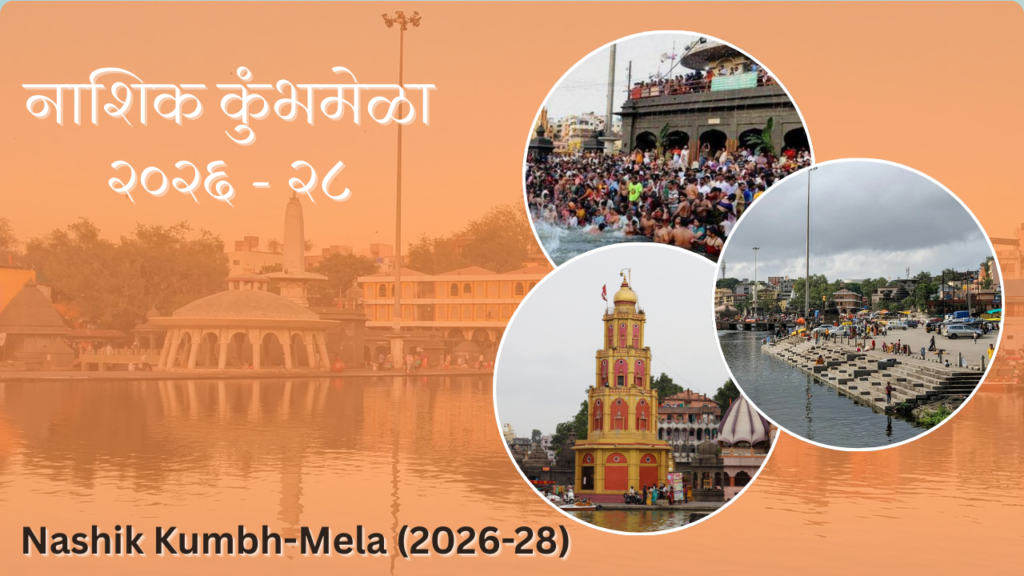
Simhastha Kumbh Mela — Nashik & Trimbakeshwar (2026–2028) — Full Guide
Nashik Simhastha
Simhastha (Nashik–Trimbakeshwar) is one of India’s four traditional Kumbh Melas — massive religious gatherings that occur at four sacred places (Prayagraj, Haridwar, Ujjain and Nashik) on a regular cyclical calendar. The Nashik event centers on the Godavari River and the Trimbakeshwar Jyotirlinga. Devotees believe bathing in the river during the Kumbh cleanses sins and brings spiritual merit.
Simhastha Kumbh Mela — Nashik & Trimbakeshwar
Key Dates — Dhwajarohan & Major Snan
Official Dhwajarohan (flag-hoisting / start): 31 October 2026
Planned duration: Oct 2026 — Jul 2028 (approx. 18 months)
| Event | Date |
|---|---|
| Dhwajarohan (Official start) | 31 October 2026 |
| First Amrit Snan (Nashik) | 2 August 2027 |
| Second Amrit Snan | 31 August 2027 |
| Third Amrit Snan | 11–12 September 2027 |
| Event conclusion | 24 July 2028 |
Note: These dates are based on official announcements and press coverage. Exact parva timings and additional snan days will be published by the Kumbh authority and local administration as the event approaches — always recheck official schedules before travelling.
Simhastha Kumbh Mela
Why This Kumbh Matters
Kumbh Mela is more than a ritual bath. It is a historic convergence of saints, devotees, scholars and pilgrims. For Nashik, the Simhastha is significant because:
- The Godavari river is considered sacred (often called the ‘Dakshin Ganga’).
- Trimbakeshwar hosts one of the 12 Jyotirlingas of Lord Shiva.
- The scale of gathering drives civic upgrades — roads, sanitation, health facilities — which remain as legacy improvements.
Major Rituals & Events
Amrit Snan / Shahi Snan
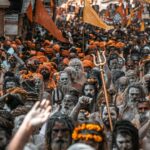
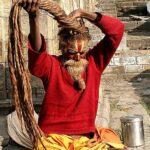
The most important ritual: kings of the akharas (ashrams), naga sadhus and saints take the holy dip in ceremonial processions.
Nagar Pradakshina
Processions through city streets — powerful displays of religious tradition, music, and chanting.
Akharas & Pravachans
All 13 recognized akharas participate; discourses (pravachans), debates and religious assemblies run throughout.
Preparations & Infrastructure



State and local authorities are planning large-scale infrastructure work: road expansions, outer ring road projects, temporary pilgrim camps (sadhugram), large-scale sanitation (mobile toilets), medical facilities and crowd management systems. These measures aim to handle millions of pilgrims while protecting local ecology and public health.
Travel Guide — How to Reach Nashik & Trimbakeshwar
By Air
Nashik (Ozar) Airport — Ozar (IATA: ISK) is the closest airport. It connects to major cities via regular / seasonal flights. During Kumbh peak periods, additional flights or special charters may be announced. For larger route options, Mumbai (Chhatrapati Shivaji Maharaj International Airport) is ~150–180 km away and offers much wider connectivity.
By Train
Nashik Road Railway Station is the primary railhead. It is well-connected to Mumbai, Pune, Ahmedabad and other major cities. From Nashik Road station, local buses, taxis and app-based cabs can take you to the ghats, Trimbakeshwar (~26–30 km) or your booked accommodation.
By Road
Nashik is well-connected by national and state highways:
- From Mumbai: Mumbai–Nashik highway (NH-60 / old NH-3) — approx. 165–180 km, 3.5–5 hours depending on traffic.
- From Pune: Pune–Nashik route — approx. 210 km, 5–6 hours by car or bus.
- Regular MSRTC state buses and private deluxe / Volvo buses operate from Mumbai, Pune, Ahmedabad, Aurangabad and other cities.
Local Transfers — Nashik to Trimbakeshwar & Ghats
Trimbakeshwar is roughly 26–30 km from central Nashik. Local buses, pre-booked taxis, shared jeeps and auto-rickshaws will be available. During peak Kumbh days, authorities usually set up dedicated shuttle services between major transit hubs and the main ghats — watch for official announcements.
Sample Itineraries
- One-day (from Mumbai): Early morning departure from Mumbai → arrive Nashik mid-morning → visit Ramkund / Godavari ghats → return by night bus/train.
- Two-day (from Pune): Day 1: Pune→Nashik, local sightseeing (vineyards optional), check-in. Day 2: Trimbakeshwar & Kumbh ghats, attend evening aarti; depart next morning.
- Dedicated spiritual trip: Stay in Nashik 3–5 days to attend parva snan, pravachans, and local temples (Trimbakeshwar, Sita Gufa, Ramkund, Panchavati).
Where to Stay — Booking & Accommodation Tips
Accommodation demand will spike: plan and book early.
- Hotels & Guesthouses: Nashik city has hotels across budget and mid-range categories. Book early through trusted portals.
- Dharamshalas & Ashram stays: Cheapest and culturally immersive, but book or contact in advance.
- Temporary tent cities: Authorities often set up formal tented accommodations for pilgrims — check official Kumbh portals or local government notices for registration and booking.
- Safety tip: If staying in a temporary camp, check for drinking water availability, toilets, electricity and emergency contact points.
Safety, Health & Packing Checklist
Safety & Crowd Tips
- Avoid extremely crowded ghats during peak hours if traveling with children or elderly.
- Keep a photocopy/photo of your ID and emergency contact numbers in multiple places (phone, bag, with a friend).
- Note official help desks and police post locations after arrival.
Health & Hygiene
- Carry hand sanitizer, anti-bacterial wipes, and a small first-aid kit.
- Drink only sealed bottled water unless official potable water points are clearly marked.
- If you have health conditions, carry essential medicines and a doctor’s prescription.
Packing Checklist
- ID proof (Aadhaar/Passport/Driving license), copies
- Comfortable footwear & light clothing (modest attire near ghats)
- Small towel, quick-dry clothes if you plan to bathe
- Power bank, torch/flashlight
- Reusable water bottle (fill from safe points)
- Basic toiletries, masks (if you prefer), and wet wipes
The Nashik–Trimbakeshwar Simhastha Kumbh Mela (officially starting with Dhwajarohan on 31 October 2026) is a rare blend of ancient ritual and modern-scale civic planning. Whether you go for spiritual reasons, cultural curiosity, or as a travel experience, planning ahead (travel, lodging, safety) will make the visit meaningful and comfortable. Keep an eye on official announcements for parva-specific timings and entry/registration rules.
Quick Facts
Dhwajarohan: 31 Oct 2026
Major Amrit Snans: 2 Aug 2027 • 31 Aug 2027 • 11–12 Sep 2027
Duration: ~Oct 2026 – Jul 2028
Travel Quick Tips
- Book accommodation early — peak days fill fast.
- Prefer official shuttle services on main snan days.
- Keep ID and emergency numbers at hand.
To read detailed information about Simhastha Kumbha Mela in Nashik 2025-26 from wikipedia Click here.
To read detailed information about Prayagraj from our website Click here.

