Introduction
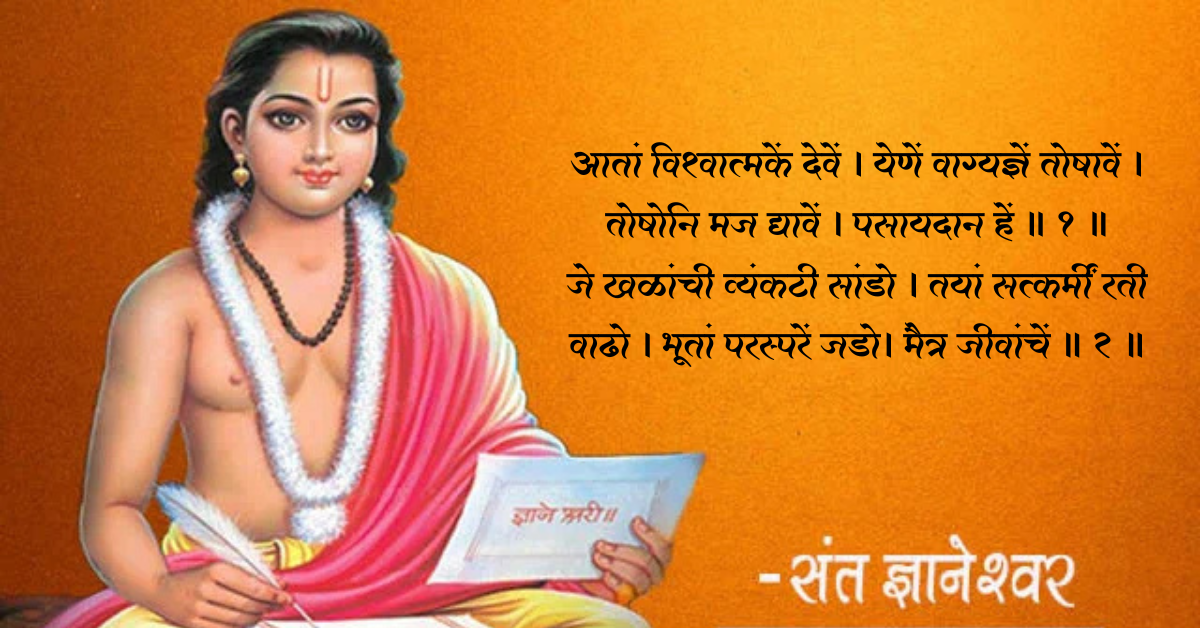
In the small village of Apegaon, on the banks of the Godavari River, a boy was born in 1275 who would change the spiritual destiny of Maharashtra. His name was Sant Dnyaneshwar Maharaj, and though he lived only twenty-one years, his impact has endured for over seven centuries.
He was a poet, a philosopher, a mystic, and a revolutionary. He took the profound teachings of the Bhagavad Gita and translated them into the language of the people — Marathi — making spiritual knowledge accessible to everyone, not just the priestly classes.
He founded a tradition that would inspire millions — the Warkari Sampradaya — and his most famous work, the Dnyaneshwari, remains one of the most important texts in Indian spiritual literature.
But Dnyaneshwar was more than a writer. He was a living embodiment of the Bhakti tradition, a teacher who walked the path he preached, and a young man who, at the age of twenty-one, chose to leave his physical body in an act of spiritual transcendence.
This is the story of Sant Dnyaneshwar Maharaj — his life, his teachings, his miracles, and his enduring legacy. It is a story that continues to inspire millions of people across India and the world.
प्रस्तावना
गोदावरी नदीच्या काठावरील आपेगाव या छोट्याशा गावी, इ.स. १२७५ मध्ये एका बालकाचा जन्म झाला ज्याने महाराष्ट्राची आध्यात्मिक दिशा बदलून टाकली. त्याचे नाव होते संत ज्ञानेश्वर महाराज, आणि ते फक्त एकवीस वर्षे जगले, परंतु त्यांचा प्रभाव सातशे वर्षांहून अधिक काळ टिकला आहे.
ते कवी होते, तत्त्वज्ञ होते, रहस्यवादी होते आणि क्रांतिकारक होते. त्यांनी भगवद्गीतेच्या गहन शिकवणी लोकांच्या भाषेत — मराठीत — अनुवादित केल्या, ज्यामुळे आध्यात्मिक ज्ञान केवळ पुरोहित वर्गासाठी नव्हे तर सर्वांसाठी सुलभ झाले.
त्यांनी एक परंपरा स्थापन केली जी लाखो लोकांना प्रेरणा देत आहे — वारकरी संप्रदाय — आणि त्यांचे सर्वात प्रसिद्ध कार्य, ज्ञानेश्वरी, हे भारतीय आध्यात्मिक साहित्यातील सर्वात महत्त्वाच्या ग्रंथांपैकी एक आहे.
परंतु ज्ञानेश्वर हे केवळ लेखक नव्हते. ते भक्ती परंपरेचे जिवंत प्रतीक होते, एक शिक्षक ज्यांनी स्वतः शिकवलेल्या मार्गावर चालले, आणि एक तरुण ज्याने एकवीस वर्षांच्या वयात आध्यात्मिक उत्कर्षाच्या कृतीत आपले भौतिक शरीर सोडले.
ही आहे संत ज्ञानेश्वर महाराजांची कथा — त्यांचे जीवन, त्यांची शिकवण, त्यांचे चमत्कार आणि त्यांचा चिरंतन वारसा. ही एक कथा आहे जी आजही भारतात आणि जगभरात लाखो लोकांना प्रेरणा देत आहे.
Who Was Sant Dnyaneshwar Maharaj?
Sant Dnyaneshwar Maharaj (also spelled Jnaneshwar) was a 13th-century Marathi saint, poet, philosopher, and mystic. He is widely regarded as one of the most important figures in the Bhakti movement of Maharashtra and the founder of the Warkari Sampradaya.
Born in 1275 in Apegaon, Maharashtra, Dnyaneshwar was a child prodigy who mastered the scriptures at a young age. He was initiated into the Nath tradition by his elder brother Nivruttinath and went on to compose the Dnyaneshwari — a Marathi commentary on the Bhagavad Gita — at the age of just sixteen.
His second major work, the Amrutanubhav, is a philosophical treatise on Advaita (non-dualism) that explores the nature of consciousness and the self.
Dnyaneshwar's teachings emphasized equality, compassion, devotion, and the unity of all beings. He rejected caste discrimination and taught that the path to salvation was open to everyone, regardless of birth or social status.
He is considered one of the greatest saints of the Nath tradition and the most important figure in the Warkari tradition, which centres on the worship of Lord Vitthal of Pandharpur.
Historical Importance
Sant Dnyaneshwar's historical importance cannot be overstated. He lived at a time when Sanskrit was the language of religious texts, accessible only to the elite. By writing the Dnyaneshwari in Marathi, he democratized spiritual knowledge and made it accessible to ordinary people.
His work also played a crucial role in the development of the Marathi language and literature. Before Dnyaneshwar, Marathi was primarily a spoken language; his writings elevated it to a literary language of profound philosophical depth.
He was also a social reformer. In a society deeply divided by caste, Dnyaneshwar taught that all people are equal in the eyes of God. His message of equality and devotion would inspire generations of saints, including Namdev, Eknath, and Tukaram.
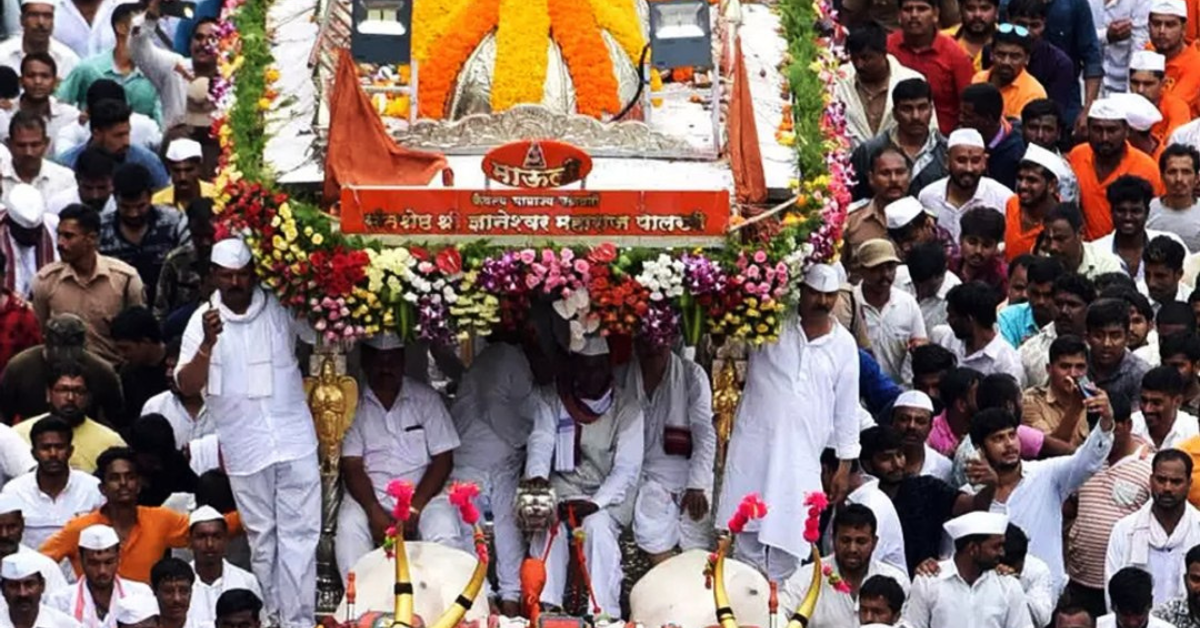
Perhaps most importantly, Dnyaneshwar established the tradition of the Palkhi (palanquin) pilgrimage to Pandharpur, which continues to this day as one of the largest walking pilgrimages in the world.
संत ज्ञानेश्वर महाराज कोण होते?
संत ज्ञानेश्वर महाराज हे १३व्या शतकातील मराठी संत, कवी, तत्त्वज्ञ आणि रहस्यवादी होते. ते महाराष्ट्राच्या भक्ती चळवळीतील सर्वात महत्त्वाच्या व्यक्तींपैकी एक मानले जातात आणि वारकरी संप्रदायाचे संस्थापक आहेत.
इ.स. १२७५ मध्ये महाराष्ट्रातील आपेगाव येथे जन्मलेले, ज्ञानेश्वर हे बालप्रतिभावंत होते ज्यांनी कमी वयातच शास्त्रे आत्मसात केली. त्यांना त्यांचे मोठे बंधू निवृत्तिनाथ यांनी नाथ परंपरेत दीक्षा दिली आणि त्यांनी केवळ सोळा वर्षांच्या वयात ज्ञानेश्वरी — भगवद्गीतेवरील मराठी टीका — लिहिली.
त्यांचे दुसरे प्रमुख कार्य, अमृतानुभव, हा अद्वैत (अद्वैतवाद) वरील एक तात्त्विक ग्रंथ आहे जो चेतना आणि आत्म्याच्या स्वरूपाचा शोध घेतो.
ज्ञानेश्वरांच्या शिकवणींनी समानता, करुणा, भक्ती आणि सर्व प्राण्यांची एकता यावर भर दिला. त्यांनी जातीय भेदभाव नाकारला आणि शिकवले की मोक्षाचा मार्ग जन्म किंवा सामाजिक स्थितीचा भेद न करता सर्वांसाठी खुला आहे.
ते नाथ परंपरेतील महान संतांपैकी एक आणि वारकरी परंपरेत सर्वात महत्त्वाची व्यक्ती मानले जातात, जी पंढरपूरच्या श्री विठ्ठलाच्या पूजेभोवती केंद्रित आहे.
ऐतिहासिक महत्त्व
संत ज्ञानेश्वरांचे ऐतिहासिक महत्त्व अतिरेकी नाही. ते अशा काळात जगले जेव्हा संस्कृत ही धार्मिक ग्रंथांची भाषा होती, जी केवळ वर्गवारांना सुलभ होती. ज्ञानेश्वरी मराठीत लिहून त्यांनी आध्यात्मिक ज्ञानाचे लोकशाहीकरण केले आणि ते सामान्य लोकांसाठी सुलभ केले.
त्यांच्या कार्याने मराठी भाषा आणि साहित्याच्या विकासातही महत्त्वपूर्ण भूमिका बजावली. ज्ञानेश्वरांपूर्वी, मराठी ही प्रामुख्याने बोली भाषा होती; त्यांच्या लेखनाने ती सखोल तात्त्विक खोलीची साहित्यिक भाषा बनली.
ते एक सामाजिक सुधारकही होते. जातीने खोलवर विभागलेल्या समाजात, ज्ञानेश्वरांनी शिकवले की ईश्वराच्या दृष्टीने सर्व लोक समान आहेत. त्यांचा समानता आणि भक्तीचा संदेश नामदेव, एकनाथ आणि तुकाराम यांच्यासह संतांच्या पिढ्यांना प्रेरणा देत राहिला.
सर्वात महत्त्वाचे म्हणजे, ज्ञानेश्वरांनी पंढरपूरची पालखी तीर्थयात्रा परंपरा स्थापन केली, जी आजही जगातील सर्वात मोठ्या पायी तीर्थयात्रांपैकी एक म्हणून चालू आहे.
Birth and Childhood
Family Background
Sant Dnyaneshwar was born into a Deshastha Brahmin family in the village of Apegaon, on the banks of the Godavari River, near Paithan in present-day Maharashtra. His father was Vitthalpant, a scholar and a devout worshipper of Lord Vitthal. His mother was Rukmini, a deeply spiritual woman.
Dnyaneshwar was the second of four children. His elder brother Nivruttinath would become his guru. His younger brother was Sopandev, and his younger sister was Muktabai, who is also revered as a saint.
Early Struggles
Dnyaneshwar's early life was marked by tragedy and hardship. His father Vitthalpant, seeking spiritual liberation, renounced the world and became a sanyasi. However, he later returned to his family, which was considered a violation of the rules of sanyasa in orthodox society.
Because of his father's actions, the family was socially ostracized. The children were treated as outcasts, facing discrimination and exclusion from the community. This experience deeply shaped Dnyaneshwar's worldview and his commitment to equality and compassion.
A Prodigy Emerges
Despite the hardships, Dnyaneshwar and his siblings showed extraordinary intellectual and spiritual abilities from a young age. They mastered the Vedas, Upanishads, and other scriptures with remarkable ease.
To overcome the social stigma, the siblings approached the orthodox Brahmin community to seek a purification ritual. In a famous episode, a Brahmin priest demanded that the children prove their purity by making a buffalo recite the Vedas. The children prayed, and a buffalo is said to have recited the Vedas, astonishing everyone present. The priest was convinced, and the family was accepted back into the community.
Moving to Alandi
After the purification, the family moved to Alandi, a small town near Pune. It was here that Dnyaneshwar would spend most of his life, compose his great works, and eventually take samadhi.
जन्म आणि बालपण
कौटुंबिक पार्श्वभूमी
संत ज्ञानेश्वरांचा जन्म देशस्थ ब्राह्मण कुटुंबात आपेगाव या गावी, गोदावरी नदीच्या काठावर, पैठणजवळ (सध्याच्या महाराष्ट्रात) झाला. त्यांचे वडील विठ्ठलपंत हे विद्वान आणि श्री विठ्ठलाचे भक्त होते. त्यांची आई रुक्मिणी ही सखोल आध्यात्मिक महिला होती.
ज्ञानेश्वर हे चार भावंडांपैकी दुसरे होते. त्यांचे मोठे बंधू निवृत्तिनाथ पुढे त्यांचे गुरू झाले. त्यांचे धाकटे बंधू सोपानदेव होते, आणि धाकटी बहीण मुक्ताबाई होती, ज्या संत म्हणून आदरणीय आहेत.
सुरुवातीचे संघर्ष
ज्ञानेश्वरांचे बालपण दुःखदायक आणि कठीण होते. त्यांचे वडील विठ्ठलपंत, आध्यात्मिक मुक्तीच्या शोधात, संन्यास घेऊन संन्यासी झाले. तथापि, ते नंतर कुटुंबात परतले, जे रूढिवादी समाजात संन्यासाच्या नियमांचे उल्लंघन मानले गेले.
त्यांच्या वडिलांच्या कृतीमुळे, कुटुंबाला सामाजिक बहिष्काराचा सामना करावा लागला. मुलांना जातीय भेदभावाला तोंड द्यावे लागले. या अनुभवाने ज्ञानेश्वरांचा विश्वदृष्टीकोन आणि समानता आणि करुणेबद्दलची बांधिलकी खोलवर घडवली.
एक बालप्रतिभावंत उदयास येतो
अडचणी असूनही, ज्ञानेश्वर आणि त्यांच्या भावंडांनी लहान वयातच विलक्षण बौद्धिक आणि आध्यात्मिक क्षमता दाखवली. त्यांनी वेद, उपनिषदे आणि इतर शास्त्रे अत्यंत सहजतेने आत्मसात केली.
सामाजिक कलंक दूर करण्यासाठी, भावंडांनी शुद्धीकरण विधीसाठी रूढिवादी ब्राह्मण समाजाकडे संपर्क साधला. एका प्रसिद्ध प्रसंगात, एका ब्राह्मण पुरोहिताने मुलांना एका म्हशीने वेद म्हणवून त्यांची शुद्धता सिद्ध करण्याची मागणी केली. मुलांनी प्रार्थना केली, आणि एका म्हशीने वेद म्हटले असे सांगितले जाते, ज्यामुळे उपस्थित सर्वांना आश्चर्याचा धक्का बसला. पुरोहित समाधानी झाले आणि कुटुंबाला समाजात परत स्वीकारले गेले.
आळंदीला स्थलांतर
शुद्धीकरणानंतर, कुटुंब आळंदीला गेले, जे पुण्याजवळील एक छोटे गाव आहे. येथेच ज्ञानेश्वरांनी आपले बहुतेक आयुष्य घालवले, आपली महान कार्ये रचली आणि शेवटी समाधी घेतली.
Meeting Guru Nivruttinath
The Nath Tradition
The Nath tradition is a Shaiva ascetic tradition that traces its origins to the mythical figure of Adinath (Lord Shiva) and the historical sage Matsyendranath. The tradition emphasizes yoga, meditation, and the pursuit of spiritual liberation through direct experience rather than ritual.
In the 13th century, the Nath tradition was flourishing in Maharashtra, and it was in this tradition that Dnyaneshwar would find his spiritual guide.
Nivruttinath — Elder Brother and Guru
Dnyaneshwar's elder brother, Nivruttinath, was initiated into the Nath tradition and became a master of yoga and meditation. Recognizing his brother's extraordinary spiritual potential, Nivruttinath became Dnyaneshwar's guru.
The initiation took place at a young age, and under Nivruttinath's guidance, Dnyaneshwar delved deep into the teachings of Advaita Vedanta and the Nath tradition's yogic practices.
The Guru-Shishya Bond
The relationship between Nivruttinath and Dnyaneshwar was not just one of teacher and student but one of deep spiritual kinship. Nivruttinath recognized that Dnyaneshwar was not just a student but a realized soul who would go on to inspire millions.
It was Nivruttinath who encouraged Dnyaneshwar to write the Dnyaneshwari, seeing that his brother had the divine insight necessary to make the Bhagavad Gita accessible to ordinary people.
Dnyaneshwar's reverence for his guru is evident throughout his writings. In the Dnyaneshwari, he repeatedly bows to his guru and acknowledges his role in his spiritual awakening.
गुरू निवृत्तिनाथांची भेट
नाथ परंपरा
नाथ परंपरा ही एक शैव वैरागी परंपरा आहे जी पौराणिक आदिनाथ (भगवान शिव) आणि ऐतिहासिक ऋषी मत्स्येंद्रनाथ यांच्याशी संबंधित आहे. ही परंपरा योग, ध्यान आणि विधीपेक्षा थेट अनुभवाद्वारे आध्यात्मिक मुक्तीचा शोध यावर भर देते.
१३व्या शतकात, नाथ परंपरा महाराष्ट्रात फुलत होती, आणि याच परंपरेत ज्ञानेश्वरांना त्यांचे आध्यात्मिक गुरू सापडले.
निवृत्तिनाथ — मोठे बंधू आणि गुरू
ज्ञानेश्वरांचे मोठे बंधू, निवृत्तिनाथ, यांना नाथ परंपरेत दीक्षा देण्यात आली होती आणि ते योग आणि ध्यानाचे गुरू होते. त्यांच्या भावाची विलक्षण आध्यात्मिक क्षमता ओळखून, निवृत्तिनाथ ज्ञानेश्वरांचे गुरू बनले.
दीक्षा लहान वयात झाली आणि निवृत्तिनाथांच्या मार्गदर्शनाखाली, ज्ञानेश्वरांनी अद्वैत वेदान्ताच्या शिकवणी आणि नाथ परंपरेच्या योगिक पद्धतींमध्ये खोलवर प्रवेश केला.
गुरू-शिष्य संबंध
निवृत्तिनाथ आणि ज्ञानेश्वर यांच्यातील संबंध हे फक्त गुरू-शिष्याचे नव्हते तर गहन आध्यात्मिक नाते होते. निवृत्तिनाथांनी ओळखले की ज्ञानेश्वर हे फक्त विद्यार्थी नव्हे तर एक सिद्ध आत्मा होते जे लाखो लोकांना प्रेरणा देतील.
निवृत्तिनाथांनीच ज्ञानेश्वरांना ज्ञानेश्वरी लिहिण्यास प्रोत्साहित केले, कारण त्यांनी पाहिले की त्यांच्या भावाकडे भगवद्गीता सामान्य लोकांसाठी सुलभ करण्यासाठी आवश्यक दैवी अंतर्दृष्टी आहे.
ज्ञानेश्वरांचा त्यांच्या गुरूवरील आदर त्यांच्या लेखनात स्पष्टपणे दिसून येतो. ज्ञानेश्वरीत ते वारंवार आपल्या गुरूला नमस्कार करतात आणि त्यांच्या आध्यात्मिक जागृतीत त्यांच्या भूमिकेचा स्वीकार करतात.
The Dnyaneshwari
Why It Was Written
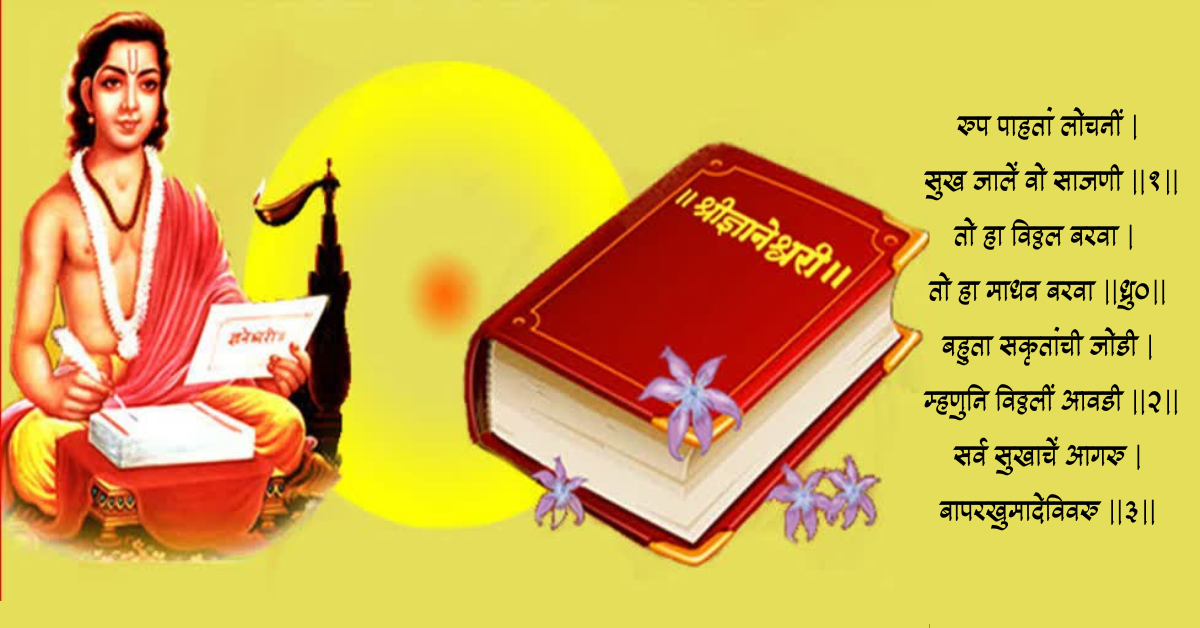
The Dnyaneshwari was written at the request of Dnyaneshwar's guru, Nivruttinath. The Bhagavad Gita, one of the most important texts in Hindu philosophy, was written in Sanskrit, a language that was inaccessible to the vast majority of people in Maharashtra.
Nivruttinath recognized that Dnyaneshwar had the spiritual insight and literary skill to translate the Gita's profound teachings into Marathi — the language of the people. Dnyaneshwar accepted the challenge and set to work.
The Writing Process
According to tradition, Dnyaneshwar composed the Dnyaneshwari in Nevasa, a village in present-day Ahmednagar district. The work was completed in 1290, when Dnyaneshwar was just sixteen years old.
The Dnyaneshwari is not a literal translation of the Gita but a detailed commentary that explains the Gita's verses in simple Marathi, enriched with poetic illustrations, stories, and philosophical reflections.
Importance of the Dnyaneshwari
- Accessibility — It made the Gita's teachings accessible to ordinary people.
- Literary Contribution — It elevated Marathi to a literary language of profound depth.
- Spiritual Guide — It remains a spiritual guide for millions of people.
- Cultural Treasure — It is a cornerstone of Marathi cultural heritage.
- Philosophical Depth — It explores Advaita philosophy in a way that is both profound and accessible.
The Structure
The Dnyaneshwari follows the structure of the Bhagavad Gita, with 18 chapters corresponding to the 18 chapters of the Gita. Each chapter contains a detailed exposition of the verses, with Dnyaneshwar's commentary flowing in a poetic and lyrical style.
A Living Text
Today, the Dnyaneshwari is more than a historical text. It is a living scripture that is recited, studied, and cherished by millions of people. The work continues to inspire spiritual seekers, scholars, and devotees across the world.
ज्ञानेश्वरी
का लिहिली गेली
ज्ञानेश्वरी ज्ञानेश्वरांचे गुरू निवृत्तिनाथ यांच्या विनंतीवरून लिहिली गेली. भगवद्गीता, हिंदू तत्त्वज्ञानातील सर्वात महत्त्वाच्या ग्रंथांपैकी एक, संस्कृतमध्ये लिहिली गेली होती, जी महाराष्ट्रातील बहुसंख्य लोकांना सुलभ नव्हती.
निवृत्तिनाथांनी ओळखले की ज्ञानेश्वरांकडे गीतेच्या गहन शिकवणी मराठीत — लोकांच्या भाषेत — अनुवादित करण्याची आध्यात्मिक अंतर्दृष्टी आणि साहित्यिक कौशल्य आहे. ज्ञानेश्वरांनी हे आव्हान स्वीकारले आणि काम सुरू केले.
लेखन प्रक्रिया
परंपरेनुसार, ज्ञानेश्वरांनी ज्ञानेश्वरी नेवासा या गावात लिहिली, जे सध्याच्या अहमदनगर जिल्ह्यात आहे. हे कार्य इ.स. १२९० मध्ये पूर्ण झाले, जेव्हा ज्ञानेश्वर केवळ सोळा वर्षांचे होते.
ज्ञानेश्वरी हा गीतेचा शाब्दिक अनुवाद नसून एक सविस्तर टीका आहे जी गीतेचे श्लोक साध्या मराठीत स्पष्ट करते, काव्यात्मक दृष्टांत, कथा आणि तात्त्विक प्रतिबिंबांनी समृद्ध केलेली आहे.
ज्ञानेश्वरीचे महत्त्व
- सुलभता — गीतेची शिकवण सामान्य लोकांसाठी सुलभ केली.
- साहित्यिक योगदान — मराठीला सखोल खोलीची साहित्यिक भाषा बनवले.
- आध्यात्मिक मार्गदर्शक — लाखो लोकांसाठी एक आध्यात्मिक मार्गदर्शक आहे.
- सांस्कृतिक खजिना — मराठी सांस्कृतिक वारशाचा आधारस्तंभ आहे.
- तात्त्विक खोली — ती अद्वैत तत्त्वज्ञान अशा प्रकारे शोधते जी सखोल आणि सुलभ दोन्ही आहे.
रचना
ज्ञानेश्वरी भगवद्गीतेच्या रचनेचे अनुसरण करते, ज्यात १८ अध्याय आहेत जे गीतेच्या १८ अध्यायांशी संबंधित आहेत. प्रत्येक अध्यायात श्लोकांचे सविस्तर विवेचन आहे, ज्यात ज्ञानेश्वरांची टीका काव्यात्मक आणि लयबद्ध शैलीत वाहते.
एक जिवंत ग्रंथ
आज, ज्ञानेश्वरी हा केवळ ऐतिहासिक ग्रंथ नाही. तो एक जिवंत शास्त्र आहे जो लाखो लोकांकडून म्हटला जातो, अभ्यासला जातो आणि आदराने ठेवला जातो. हे कार्य जगभरातील आध्यात्मिक साधक, विद्वान आणि भाविकांना प्रेरणा देत आहे.
Amrutanubhav
Purpose
While the Dnyaneshwari is a commentary on the Bhagavad Gita, the Amrutanubhav (meaning "The Experience of Immortality") is an original philosophical work by Sant Dnyaneshwar. It is a poetic exploration of Advaita Vedanta — the philosophy of non-dualism.
Teachings
The Amrutanubhav explores the nature of consciousness, the self, and the relationship between the individual soul (Atman) and the universal soul (Brahman). It teaches that the self is not different from the Divine — that all is one.
The work is written in a poetic and lyrical style, with verses that are both intellectually profound and emotionally moving. It is considered one of the most important works of Advaita philosophy in the Marathi language.
Importance
- Philosophical Depth — It is a profound exploration of Advaita philosophy.
- Poetic Beauty — It is written in a lyrical and evocative style.
- Spiritual Guidance — It provides guidance for those seeking self-realization.
- Literary Treasure — It is a treasure of Marathi literature.
अमृतानुभव
उद्देश
ज्ञानेश्वरी ही भगवद्गीतेवरील टीका असताना, अमृतानुभव (अर्थ "अमरत्वाचा अनुभव") हा संत ज्ञानेश्वरांचा एक मूळ तात्त्विक ग्रंथ आहे. हा अद्वैत वेदान्त — अद्वैतवादाच्या तत्त्वज्ञानाचा एक काव्यात्मक शोध आहे.
शिकवण
अमृतानुभव चेतना, आत्मा आणि वैयक्तिक आत्मा (आत्मन) आणि विश्व आत्मा (ब्रह्मन) यांच्यातील संबंध शोधतो. तो शिकवतो की आत्मा दैवीपेक्षा वेगळा नाही — सर्व एक आहे.
हा ग्रंथ काव्यात्मक आणि लयबद्ध शैलीत लिहिला गेला आहे, ज्यात श्लोक बौद्धिकदृष्ट्या सखोल आणि भावनिकदृष्ट्या हृदयस्पर्शी आहेत. तो मराठी भाषेतील अद्वैत तत्त्वज्ञानाच्या सर्वात महत्त्वाच्या कार्यांपैकी एक मानला जातो.
महत्त्व
- तात्त्विक खोली — अद्वैत तत्त्वज्ञानाचा एक सखोल शोध.
- काव्यात्मक सौंदर्य — लयबद्ध आणि भावनिक शैलीत लिहिलेले.
- आध्यात्मिक मार्गदर्शन — आत्मसाक्षात्कार शोधणाऱ्यांसाठी मार्गदर्शन.
- साहित्यिक खजिना — मराठी साहित्याचा खजिना.
Teachings of Sant Dnyaneshwar
Equality (Samata)
Dnyaneshwar taught that all human beings are equal in the eyes of God. He rejected caste discrimination and welcomed everyone into the spiritual path. His teachings were a powerful challenge to the social hierarchies of his time.
Compassion (Karuna)
Dnyaneshwar's teachings emphasized compassion for all living beings. He taught that true spirituality is not just about personal liberation but also about caring for others and the world around us.
Devotion (Bhakti)
While Dnyaneshwar was a master of Advaita philosophy, he also emphasized the importance of devotion. He taught that devotion to God and the pursuit of knowledge were not contradictory but complementary paths to liberation.
Knowledge (Jnana)
Dnyaneshwar believed that true knowledge was the key to liberation. But for him, knowledge was not just intellectual understanding — it was direct experience, a knowing that transforms the heart.
Self-Realisation (Atmajnana)
The ultimate goal, according to Dnyaneshwar, is self-realization — the direct experience of one's true nature as pure consciousness, identical with the Divine.
Nature and God
Dnyaneshwar saw the Divine in all of creation. He taught that God is not separate from the world but is present in every atom, every creature, every moment.
Universal Brotherhood
Dnyaneshwar's vision was one of universal brotherhood. He taught that all beings are part of one cosmic family, united by the same Divine consciousness.
संत ज्ञानेश्वरांच्या शिकवणी
समानता
ज्ञानेश्वरांनी शिकवले की सर्व मानवी व्यक्ती ईश्वराच्या दृष्टीने समान आहेत. त्यांनी जातीय भेदभाव नाकारला आणि सर्वांचे आध्यात्मिक मार्गावर स्वागत केले. त्यांच्या शिकवणी त्यांच्या काळातील सामाजिक श्रेणींना एक शक्तिशाली आव्हान होती.
करुणा
ज्ञानेश्वरांच्या शिकवणी सर्व सजीवांबद्दल करुणेला भर देतात. त्यांनी शिकवले की खरी अध्यात्म केवळ वैयक्तिक मुक्ती नाही तर इतरांची आणि आपल्या सभोवतालच्या जगाची काळजी घेणे देखील आहे.
भक्ती
ज्ञानेश्वर हे अद्वैत तत्त्वज्ञानाचे गुरू होते, तरीही त्यांनी भक्तीच्या महत्त्वावर भर दिला. त्यांनी शिकवले की ईश्वराची भक्ती आणि ज्ञानाचा शोध हे विरोधाभासी नसून मुक्तीचे पूरक मार्ग आहेत.
ज्ञान
ज्ञानेश्वरांचा विश्वास होता की खरे ज्ञान ही मुक्तीची गुरुकिल्ली आहे. परंतु त्यांच्यासाठी, ज्ञान ही केवळ बौद्धिक समज नव्हती — ती थेट अनुभव होती, एक जाणीव जी हृदय बदलते.
आत्मसाक्षात्कार
ज्ञानेश्वरांच्या मते, अंतिम लक्ष्य आत्मसाक्षात्कार आहे — स्वतःच्या खऱ्या स्वरूपाचा थेट अनुभव शुद्ध चेतना म्हणून, दैवीशी एकरूप.
निसर्ग आणि ईश्वर
ज्ञानेश्वरांनी सर्व सृष्टीत दैवीपणा पाहिला. त्यांनी शिकवले की ईश्वर जगापासून वेगळा नाही तर प्रत्येक अणूत, प्रत्येक प्राण्यात, प्रत्येक क्षणात उपस्थित आहे.
विश्वबंधुत्व
ज्ञानेश्वरांची दृष्टी विश्वबंधुत्वाची होती. त्यांनी शिकवले की सर्व प्राणी एकाच विश्व कुटुंबाचे भाग आहेत, त्याच दैवी चेतनेने एकत्रित.
Miracles and Traditional Stories
The life of Sant Dnyaneshwar is filled with traditional stories and accounts of miracles that have been passed down through generations. It is important to note that these stories are part of devotional tradition and hagiographical accounts, not established historical facts.
The Moving Wall (Changdev Episode)
One of the most famous stories about Dnyaneshwar involves the yogi Changdev. Changdev was a powerful yogi who had lived for over 1,400 years and possessed many supernatural powers. He heard about the young Dnyaneshwar and his siblings and decided to test them.
Changdev rode on a tiger to the meeting and carried a snake as a whip, intending to intimidate the young saints. In response, Dnyaneshwar and his siblings demonstrated their spiritual power — they made a wall move towards Changdev. Humiliated and amazed, Changdev bowed to Dnyaneshwar and became his disciple.
The Buffalo Reciting the Vedas
As mentioned earlier, when the orthodox Brahmins questioned the family's purity, they demanded proof. Dnyaneshwar and his siblings prayed, and a buffalo is said to have recited verses from the Vedas. This miracle convinced the Brahmins of the family's spiritual purity.
Other Traditional Accounts
- It is said that Dnyaneshwar could control the elements and perform various miracles.
- He is believed to have had visions of Lord Vitthal and other deities.
- His ability to compose profound philosophical verses at a young age is itself considered miraculous.
These stories are part of the devotional tradition and hagiography of Sant Dnyaneshwar. They are not verified as historical facts but reflect the deep faith and reverence of his followers.
या कथा संत ज्ञानेश्वरांच्या भक्ती परंपरा आणि हागियोग्राफीचा भाग आहेत. या ऐतिहासिक तथ्ये म्हणून सत्यापित नाहीत परंतु त्यांच्या अनुयायांची गहन श्रद्धा आणि आदर दर्शवतात.
चमत्कार आणि पारंपारिक कथा
संत ज्ञानेश्वरांचे जीवन पारंपारिक कथा आणि चमत्कारांच्या नोंदींनी भरलेले आहे ज्या पिढ्यानपिढ्या चालत आल्या आहेत. या कथा भक्ती परंपरा आणि हागियोग्राफीचा भाग आहेत, स्थापित ऐतिहासिक तथ्ये नव्हे, हे लक्षात घेणे महत्त्वाचे आहे.
हलणारी भिंत (चांगदेव प्रसंग)
ज्ञानेश्वरांबद्दलची सर्वात प्रसिद्ध कथा म्हणजे योगी चांगदेव यांचा प्रसंग. चांगदेव हे एक शक्तिशाली योगी होते जे १,४०० वर्षांहून अधिक जगले होते आणि त्यांच्याकडे अनेक अलौकिक शक्ती होत्या. त्यांनी तरुण ज्ञानेश्वर आणि त्यांच्या भावंडांबद्दल ऐकले आणि त्यांची परीक्षा घेण्याचे ठरवले.
चांगदेव वाघावर स्वार होऊन मीटिंगला आले आणि त्यांनी चाबक म्हणून साप धरला होता, त्यांचा हेतू तरुण संतांना घाबरवण्याचा होता. याउलट, ज्ञानेश्वर आणि त्यांच्या भावंडांनी आपली आध्यात्मिक शक्ती दाखवली — त्यांनी एक भिंत चांगदेवाकडे हलवली. अपमानित आणि आश्चर्यचकित होऊन, चांगदेवांनी ज्ञानेश्वरांना नमस्कार केला आणि त्यांचे शिष्य बनले.
म्हशीने वेद म्हणणे
यापूर्वी नमूद केल्याप्रमाणे, जेव्हा रूढिवादी ब्राह्मणांनी कुटुंबाच्या शुद्धतेवर प्रश्नचिन्ह उपस्थित केले, तेव्हा त्यांनी पुरावा मागितला. ज्ञानेश्वर आणि त्यांच्या भावंडांनी प्रार्थना केली, आणि एका म्हशीने वेदांचे श्लोक म्हटले असे सांगितले जाते. या चमत्काराने ब्राह्मणांना कुटुंबाच्या आध्यात्मिक शुद्धतेबद्दल पटवून दिले.
इतर पारंपारिक नोंदी
- असे म्हटले जाते की ज्ञानेश्वर घटकांवर नियंत्रण ठेवू शकत होते आणि विविध चमत्कार करू शकत होते.
- त्यांना श्री विठ्ठल आणि इतर दैवतांचे दर्शन झाले असे मानले जाते.
- लहान वयात सखोल तात्त्विक श्लोक रचण्याची त्यांची क्षमता स्वतःच चमत्कारिक मानली जाते.
These stories are part of the devotional tradition and hagiography of Sant Dnyaneshwar. They are not verified as historical facts but reflect the deep faith and reverence of his followers.
या कथा संत ज्ञानेश्वरांच्या भक्ती परंपरा आणि हागियोग्राफीचा भाग आहेत. या ऐतिहासिक तथ्ये म्हणून सत्यापित नाहीत परंतु त्यांच्या अनुयायांची गहन श्रद्धा आणि आदर दर्शवतात.
Contribution to the Warkari Sampradaya
Influence on the Wari
Sant Dnyaneshwar is considered the founder of the Warkari tradition. He established the practice of the Palkhi pilgrimage to Pandharpur, which continues to this day. The Wari, which attracts millions of devotees each year, is a direct continuation of the tradition he began.
Vitthal Bhakti
Dnyaneshwar was a devotee of Lord Vitthal. His Abhangas (devotional songs) express his deep love for Vitthal and his longing for union with the Divine. This devotion became the foundation of the Warkari tradition.
Marathi Literature
By writing the Dnyaneshwari and Amrutanubhav in Marathi, Dnyaneshwar established Marathi as a literary language. This opened the door for the saints who followed him — Namdev, Eknath, Tukaram — to compose their works in Marathi.
The Bhakti Movement
Dnyaneshwar was a key figure in the Bhakti movement in Maharashtra. His teachings emphasized devotion as a path to salvation, making spirituality accessible to everyone, regardless of caste or social status.
Equality and Inclusivity
Dnyaneshwar's commitment to equality and inclusivity became a defining feature of the Warkari tradition. The tradition rejects caste discrimination and welcomes everyone into the spiritual path.
वारकरी संप्रदायातील योगदान
वारीवर प्रभाव
संत ज्ञानेश्वर हे वारकरी परंपरेचे संस्थापक मानले जातात. त्यांनी पंढरपूरची पालखी तीर्थयात्रा प्रथा स्थापन केली, जी आजही सुरू आहे. दरवर्षी लाखो भाविकांना आकर्षित करणारी वारी, ही त्यांनी सुरू केलेल्या परंपरेची थेट सातत्यता आहे.
विठ्ठल भक्ती
ज्ञानेश्वर हे श्री विठ्ठलाचे भक्त होते. त्यांचे अभंग त्यांचे विठ्ठलावरील सखोल प्रेम आणि दैवीशी एकरूप होण्याची आस व्यक्त करतात. ही भक्ती वारकरी परंपरेचा पाया बनली.
मराठी साहित्य
ज्ञानेश्वरी आणि अमृतानुभव मराठीत लिहून, ज्ञानेश्वरांनी मराठीला साहित्यिक भाषा म्हणून स्थापित केले. यामुळे त्यांच्या नंतर आलेल्या संतांना — नामदेव, एकनाथ, तुकाराम — त्यांची कार्ये मराठीत रचण्याचा मार्ग खुला झाला.
भक्ती चळवळ
ज्ञानेश्वर हे महाराष्ट्रातील भक्ती चळवळीतील एक प्रमुख व्यक्ती होते. त्यांच्या शिकवणींनी मोक्षाचा मार्ग म्हणून भक्तीवर भर दिला, जात किंवा सामाजिक स्थितीचा भेद न करता आध्यात्मिकता सर्वांसाठी सुलभ केली.
समानता आणि सर्वसमावेशकता
ज्ञानेश्वरांची समानता आणि सर्वसमावेशकतेची बांधिलकी वारकरी परंपरेचे वैशिष्ट्य बनली. ही परंपरा जातीय भेदभाव नाकारते आणि प्रत्येकाचे आध्यात्मिक मार्गावर स्वागत करते.
Sanjeevan Samadhi
What is Sanjeevan Samadhi?
Sanjeevan Samadhi is a spiritual practice in which a realized soul voluntarily leaves their physical body while remaining in a state of deep meditation. It is believed that the soul continues to reside in the body in a state of eternal consciousness.
Why Did Dnyaneshwar Take Samadhi?
According to tradition, after completing his mission on earth, Dnyaneshwar decided to take Sanjeevan Samadhi at the age of twenty-one. The exact reasons are not known, but it is believed that he felt his work was complete and wished to merge with the Divine.
His elder brother Nivruttinath had already taken samadhi, and Dnyaneshwar followed his guru and brother's path.
The Location — Alandi
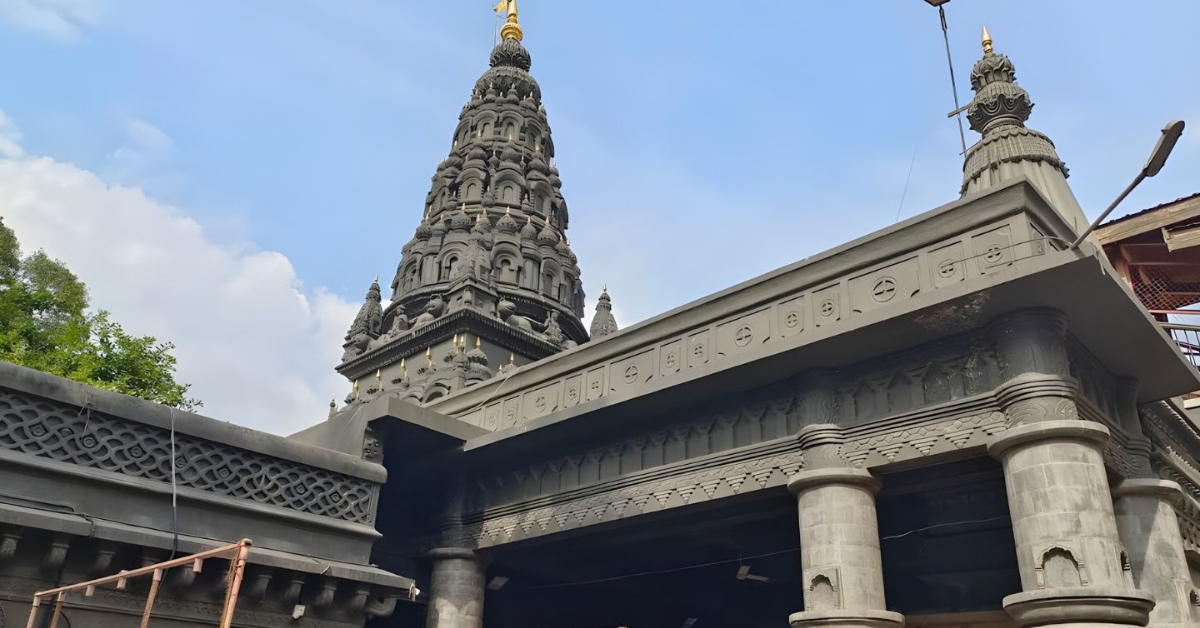
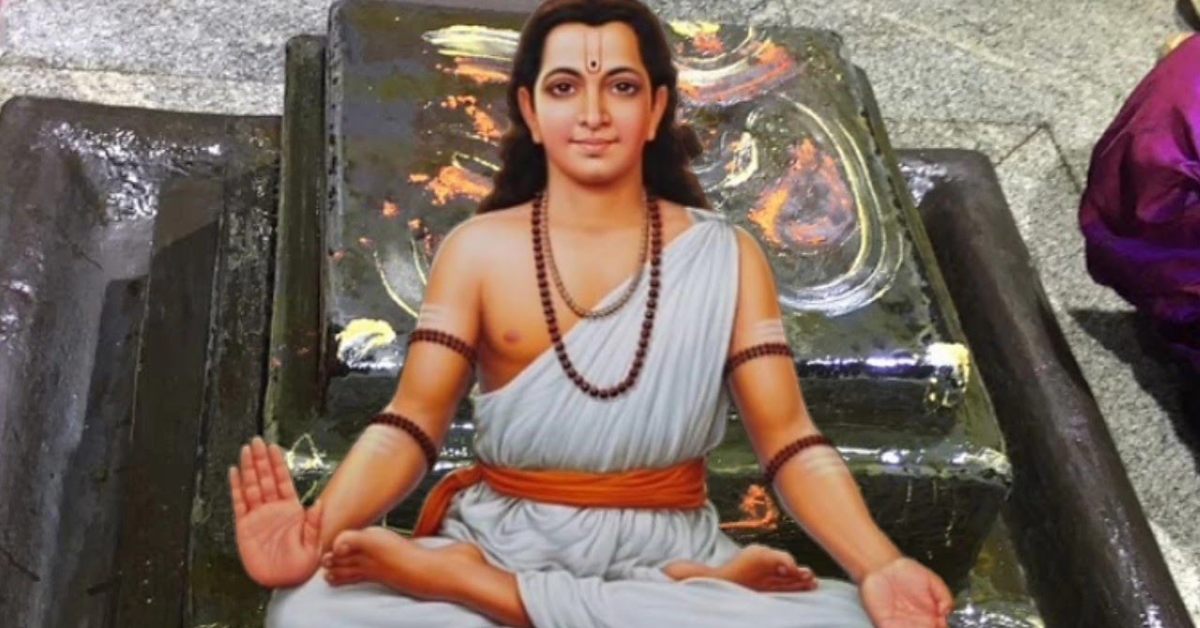
Dnyaneshwar took samadhi in Alandi, the town where he had spent most of his life. The site of his samadhi is now a sacred temple, visited by millions of devotees every year.
The Spiritual Meaning
For devotees, Dnyaneshwar's Sanjeevan Samadhi is not an end but a continuation. He is believed to be present at his samadhi, blessing all who come to him with devotion. The samadhi is a reminder that the saints never truly leave — they continue to guide and protect their followers.
संजीवन समाधी
संजीवन समाधी म्हणजे काय?
संजीवन समाधी ही एक आध्यात्मिक प्रथा आहे ज्यामध्ये एक सिद्ध आत्मा सखोल ध्यानाच्या अवस्थेत राहून स्वेच्छेने आपले भौतिक शरीर सोडतो. असे मानले जाते की आत्मा शाश्वत चेतनेच्या अवस्थेत शरीरात वास करत राहतो.
ज्ञानेश्वरांनी समाधी का घेतली?
परंपरेनुसार, पृथ्वीवरील आपले कार्य पूर्ण केल्यानंतर, ज्ञानेश्वरांनी एकवीस वर्षांच्या वयात संजीवन समाधी घेण्याचा निर्णय घेतला. नेमकी कारणे माहित नाहीत, परंतु असे मानले जाते की त्यांना वाटले की त्यांचे कार्य पूर्ण झाले आहे आणि ते दैवीशी एकरूप व्हावे अशी त्यांची इच्छा होती.
त्यांचे मोठे बंधू निवृत्तिनाथ यांनी आधीच समाधी घेतली होती आणि ज्ञानेश्वरांनी त्यांच्या गुरू आणि बंधूंच्या मार्गाचे अनुसरण केले.
स्थान — आळंदी
ज्ञानेश्वरांनी आळंदीत समाधी घेतली, ज्या गावात त्यांनी आपले बहुतेक आयुष्य घालवले. त्यांच्या समाधीचे स्थान आता एक पवित्र मंदिर आहे, ज्याला दरवर्षी लाखो भाविक भेट देतात.
आध्यात्मिक अर्थ
भाविकांसाठी, ज्ञानेश्वरांची संजीवन समाधी हा अंत नाही तर एक सातत्यता आहे. असे मानले जाते की ते त्यांच्या समाधीवर उपस्थित आहेत, जे त्यांच्याकडे भक्तीने येतात त्यांना आशीर्वाद देतात. समाधी ही एक आठवण आहे की संत कधीही खरोखर सोडून जात नाहीत — ते आपल्या अनुयायांना मार्गदर्शन आणि संरक्षण देत राहतात.
Legacy Today
The Wari
The most visible legacy of Sant Dnyaneshwar is the Pandharpur Wari. Every year, millions of devotees walk from Alandi to Pandharpur, carrying the Palkhi of Dnyaneshwar. This tradition, which has continued for over 700 years, is a living testament to his enduring influence.
Alandi
Alandi, where Dnyaneshwar took samadhi, has become a major pilgrimage destination. The temple at his samadhi site attracts millions of visitors every year, who come to pay their respects and seek his blessings.
Maharashtra's Spiritual Identity
Sant Dnyaneshwar is deeply woven into the spiritual identity of Maharashtra. His teachings, his Abhangas, and his philosophy continue to shape the religious and cultural life of the state.
Literature
The Dnyaneshwari and Amrutanubhav remain among the most important works in Marathi literature. They are studied in schools, universities, and spiritual circles across the world.
Modern Relevance
In a world still divided by caste, class, and conflict, Dnyaneshwar's message of equality, compassion, and devotion is as relevant today as it was in the 13th century. His teachings remind us that the path to peace lies in recognizing the unity of all beings.
Global Recognition
Sant Dnyaneshwar is now recognized beyond India. His works have been translated into multiple languages, and his philosophy is studied by scholars around the world.
आजचा वारसा
वारी
संत ज्ञानेश्वरांचा सर्वात दृश्यमान वारसा म्हणजे पंढरपूर वारी. दरवर्षी लाखो भाविक आळंदी ते पंढरपूर चालतात, ज्ञानेश्वरांची पालखी घेऊन. ७०० वर्षांहून अधिक काळ सुरू असलेली ही परंपरा त्यांच्या स्थायी प्रभावाचा एक जिवंत पुरावा आहे.
आळंदी
ज्ञानेश्वरांनी जिथे समाधी घेतली ती आळंदी एक प्रमुख तीर्थक्षेत्र बनली आहे. त्यांच्या समाधीस्थानावरील मंदिर दरवर्षी लाखो अभ्यागतांना आकर्षित करते, जे त्यांचा आदर व श्रद्धांजली अर्पण करण्यासाठी येतात.
महाराष्ट्राची आध्यात्मिक ओळख
संत ज्ञानेश्वर हे महाराष्ट्राच्या आध्यात्मिक ओळखीत खोलवर विणलेले आहेत. त्यांच्या शिकवणी, त्यांचे अभंग आणि त्यांचे तत्त्वज्ञान राज्याचे धार्मिक आणि सांस्कृतिक जीवन घडवत राहते.
साहित्य
ज्ञानेश्वरी आणि अमृतानुभव हे मराठी साहित्यातील सर्वात महत्त्वाच्या कार्यांपैकी राहिले आहेत. ते जगभरातील शाळा, विद्यापीठे आणि आध्यात्मिक वर्तुळांमध्ये अभ्यासले जातात.
आधुनिक प्रासंगिकता
जात, वर्ग आणि संघर्षाने विभागलेल्या जगात, ज्ञानेश्वरांचा समानता, करुणा आणि भक्तीचा संदेश आजही तितकाच प्रासंगिक आहे जितका १३व्या शतकात होता. त्यांच्या शिकवणी आपल्याला आठवण करून देतात की शांतीचा मार्ग सर्व प्राण्यांची एकता ओळखण्यात आहे.
जागतिक मान्यता
संत ज्ञानेश्वर आता भारताच्या पलीकडे ओळखले जातात. त्यांची कार्ये अनेक भाषांमध्ये अनुवादित केली गेली आहेत, आणि त्यांचे तत्त्वज्ञान जगभरातील विद्वानांनी अभ्यासले आहे.
Timeline of Sant Dnyaneshwar's Life
संत ज्ञानेश्वरांच्या जीवनाची टाइमलाइन
Interesting Facts About Sant Dnyaneshwar Maharaj
संत ज्ञानेश्वर महाराजांबद्दल मनोरंजक तथ्ये
Did You Know?
तुम्हाला माहित आहे का?
Frequently Asked Questions
वारंवार विचारले जाणारे प्रश्न
Sant Dnyaneshwar Maharaj was a 13th-century Marathi saint, poet, philosopher, and mystic. He wrote the Dnyaneshwari — a Marathi commentary on the Bhagavad Gita — and founded the Warkari tradition.
संत ज्ञानेश्वर महाराज हे १३व्या शतकातील मराठी संत, कवी, तत्त्वज्ञ आणि रहस्यवादी होते. त्यांनी ज्ञानेश्वरी — भगवद्गीतेवरील मराठी टीका — लिहिली आणि वारकरी परंपरेची स्थापना केली.
He was born in 1275 CE in Apegaon, Maharashtra, on the banks of the Godavari River.
त्यांचा जन्म इ.स. १२७५ मध्ये महाराष्ट्रातील आपेगाव येथे, गोदावरी नदीच्या काठावर झाला.
The Dnyaneshwari is a Marathi commentary on the Bhagavad Gita, written by Sant Dnyaneshwar at the age of 16. It made the Gita's teachings accessible to ordinary people.
ज्ञानेश्वरी ही भगवद्गीतेवरील मराठी टीका आहे, जी संत ज्ञानेश्वरांनी १६ वर्षांच्या वयात लिहिली. याने गीतेची शिकवण सामान्य लोकांसाठी सुलभ केली.
Amrutanubhav is an original philosophical work by Sant Dnyaneshwar that explores Advaita (non-dual) philosophy. It is a poetic and profound treatise on the nature of consciousness and the self.
अमृतानुभव हा संत ज्ञानेश्वरांचा एक मूळ तात्त्विक ग्रंथ आहे जो अद्वैत (अद्वैतवाद) तत्त्वज्ञान शोधतो. हा चेतना आणि आत्म्याच्या स्वरूपावरील एक काव्यात्मक आणि सखोल ग्रंथ आहे.
His elder brother Nivruttinath was his guru. He initiated Dnyaneshwar into the Nath tradition and guided him on the spiritual path.
त्यांचे मोठे बंधू निवृत्तिनाथ हे त्यांचे गुरू होते. त्यांनी ज्ञानेश्वरांना नाथ परंपरेत दीक्षा दिली आणि त्यांना आध्यात्मिक मार्गावर मार्गदर्शन केले.
He was just sixteen years old when he completed the Dnyaneshwari in 1290.
इ.स. १२९० मध्ये ज्ञानेश्वरी पूर्ण करताना ते केवळ सोळा वर्षांचे होते.
The Warkari tradition is a Bhakti tradition founded by Sant Dnyaneshwar, centered on the worship of Lord Vitthal and the annual pilgrimage to Pandharpur.
वारकरी परंपरा ही संत ज्ञानेश्वरांनी स्थापन केलेली भक्ती परंपरा आहे, जी श्री विठ्ठलाच्या पूजेभोवती आणि पंढरपूरच्या वार्षिक तीर्थयात्रेभोवती केंद्रित आहे.
He took Sanjeevan Samadhi in Alandi, Maharashtra, at the age of 21.
त्यांनी २१ वर्षांच्या वयात महाराष्ट्रातील आळंदीत संजीवन समाधी घेतली.
His teachings emphasize equality, compassion, devotion, knowledge, self-realization, and the unity of all beings.
त्यांच्या शिकवणी समानता, करुणा, भक्ती, ज्ञान, आत्मसाक्षात्कार आणि सर्व प्राण्यांची एकता यावर भर देतात.
He rejected caste discrimination and taught that all people are equal in the eyes of God, challenging the social hierarchies of his time.
त्यांनी जातीय भेदभाव नाकारला आणि शिकवले की ईश्वराच्या दृष्टीने सर्व लोक समान आहेत, त्यांच्या काळातील सामाजिक श्रेणींना आव्हान दिले.
He wrote in Marathi, making philosophical knowledge accessible to ordinary people.
त्यांनी मराठीत लिहिले, ज्यामुळे तात्त्विक ज्ञान सामान्य लोकांसाठी सुलभ झाले.
He lived for 21 years, from 1275 to 1296 CE.
ते २१ वर्षे जगले, इ.स. १२७५ ते १२९६ पर्यंत.
It made the Gita's teachings accessible, elevated Marathi as a literary language, and became a cornerstone of Marathi cultural heritage.
याने गीतेची शिकवण सुलभ केली, मराठीला साहित्यिक भाषा म्हणून उन्नत केले आणि मराठी सांस्कृतिक वारशाचा आधारस्तंभ बनले.
He was born into a Deshastha Brahmin family. His father was Vitthalpant and his mother was Rukmini. He had three siblings — Nivruttinath, Sopandev, and Muktabai.
ते देशस्थ ब्राह्मण कुटुंबात जन्मले. त्यांचे वडील विठ्ठलपंत आणि आई रुक्मिणी होत्या. त्यांना तीन भावंडे होती — निवृत्तिनाथ, सोपानदेव आणि मुक्ताबाई.
It is a spiritual practice in which a realized soul voluntarily leaves their physical body while remaining in a state of deep meditation, believed to continue in eternal consciousness.
ही एक आध्यात्मिक प्रथा आहे ज्यामध्ये एक सिद्ध आत्मा सखोल ध्यानाच्या अवस्थेत राहून स्वेच्छेने आपले भौतिक शरीर सोडतो, शाश्वत चेतनेत राहतो असे मानले जाते.
He is deeply woven into Maharashtra's spiritual identity. The Wari tradition, Marathi literature, and the Bhakti movement were all shaped by his contributions.
ते महाराष्ट्राच्या आध्यात्मिक ओळखीत खोलवर विणलेले आहेत. वारी परंपरा, मराठी साहित्य आणि भक्ती चळवळ या सर्वांना त्यांच्या योगदानाने आकार दिला गेला.
Traditional accounts include the moving wall (Changdev episode) and the buffalo reciting the Vedas. These are part of devotional tradition, not established historical facts.
पारंपारिक नोंदींमध्ये हलणारी भिंत (चांगदेव प्रसंग) आणि म्हशीने वेद म्हणणे यांचा समावेश आहे. या भक्ती परंपरेचा भाग आहेत, स्थापित ऐतिहासिक तथ्ये नव्हे.
The Nath tradition is a Shaiva ascetic tradition emphasizing yoga, meditation, and direct spiritual experience over ritual.
नाथ परंपरा ही एक शैव वैरागी परंपरा आहे जी विधीपेक्षा योग, ध्यान आणि थेट आध्यात्मिक अनुभवावर भर देते.
He elevated Marathi to a literary language of profound depth and is considered a pioneer of Marathi literature.
त्यांनी मराठीला सखोल खोलीची साहित्यिक भाषा बनवले आणि ते मराठी साहित्याचे प्रणेते मानले जातात.
The Wari is the annual pilgrimage to Pandharpur, founded by Sant Dnyaneshwar. Millions of devotees walk carrying the Palkhi of the saints.
वारी ही संत ज्ञानेश्वरांनी स्थापन केलेली पंढरपूरची वार्षिक तीर्थयात्रा आहे. लाखो भाविक संतांची पालखी घेऊन चालतात.
His philosophy combined Advaita (non-dualism) with Bhakti (devotion). He taught that the self is one with the Divine and that devotion and knowledge are complementary paths.
त्यांचे तत्त्वज्ञान अद्वैत (अद्वैतवाद) आणि भक्ती (भक्ती) एकत्र करते. त्यांनी शिकवले की आत्मा दैवीशी एक आहे आणि भक्ती आणि ज्ञान हे पूरक मार्ग आहेत.
He is remembered through the Wari pilgrimage, the Dnyaneshwari, the temple in Alandi, and the continued devotion of millions of followers.
ते वारी तीर्थयात्रा, ज्ञानेश्वरी, आळंदीतील मंदिर आणि लाखो अनुयायांच्या सततच्या भक्तीद्वारे आठवले जातात.
Traditional accounts suggest he travelled to various places in Maharashtra, including Pandharpur, but his life was primarily centred in Alandi.
पारंपारिक नोंदी सूचित करतात की त्यांनी महाराष्ट्रातील विविध ठिकाणी प्रवास केला, ज्यात पंढरपूरचा समावेश आहे, परंतु त्यांचे जीवन प्रामुख्याने आळंदीत केंद्रित होते.
"Dnyaneshwar" means "Lord of Knowledge" — a fitting name for a saint who made profound spiritual knowledge accessible to all.
"ज्ञानेश्वर" म्हणजे "ज्ञानाचा स्वामी" — एका संतासाठी योग्य नाव ज्याने सखोल आध्यात्मिक ज्ञान सर्वांसाठी सुलभ केले.
His message of equality, compassion, and devotion is as relevant today as it was in the 13th century, offering a path of unity and peace in a divided world.
समानता, करुणा आणि भक्तीचा त्यांचा संदेश आजही तितकाच प्रासंगिक आहे जितका १३व्या शतकात होता, विभागलेल्या जगात एकता आणि शांतीचा मार्ग देतो.
Conclusion
Sant Dnyaneshwar Maharaj lived only twenty-one years. Yet, in that brief span, he accomplished what few have achieved in a lifetime. He democratized spiritual knowledge, elevated a language, founded a tradition, and inspired millions.
His message was simple: all are equal in the eyes of God. Devotion and knowledge are not enemies but allies. The path to liberation is open to everyone — not just the privileged few.
Seven centuries after his passing, the Wari continues. Millions still walk to Pandharpur, carrying the Palkhi he established. His words are still recited, his teachings still studied, and his presence still felt.
In a world still divided by caste, class, and conflict, Dnyaneshwar's message shines like a beacon. He reminds us that we are all one — part of the same cosmic family, connected by the same Divine consciousness.
Sant Dnyaneshwar Maharaj may have left his physical body in 1296, but his spirit continues to guide, inspire, and bless all who seek the path of truth, love, and devotion.
समारोप
संत ज्ञानेश्वर महाराज फक्त एकवीस वर्षे जगले. तरीही, त्या अल्पावधीत, त्यांनी आयुष्यात कमी लोकांनी साध्य केलेले कार्य साध्य केले. त्यांनी आध्यात्मिक ज्ञानाचे लोकशाहीकरण केले, एका भाषेला उन्नत केले, एक परंपरा स्थापन केली आणि लाखो लोकांना प्रेरणा दिली.
त्यांचा संदेश सोपा होता: ईश्वराच्या दृष्टीने सर्व समान आहेत. भक्ती आणि ज्ञान हे शत्रू नव्हे तर सहयोगी आहेत. मोक्षाचा मार्ग प्रत्येकासाठी खुला आहे — फक्त काही विशेषाधिकार प्राप्तांसाठी नाही.
त्यांच्या निधनानंतर सात शतके, वारी सुरू आहे. लाखो लोक अजूनही पंढरपूरला चालतात, त्यांनी स्थापन केलेली पालखी घेऊन. त्यांचे शब्द अजूनही म्हटले जातात, त्यांच्या शिकवणी अजूनही अभ्यासल्या जातात आणि त्यांची उपस्थिती अजूनही जाणवते.
जात, वर्ग आणि संघर्षाने विभागलेल्या जगात, ज्ञानेश्वरांचा संदेश दिव्यासारखा चमकतो. ते आपल्याला आठवण करून देतात की आपण सर्व एक आहोत — त्याच विश्व कुटुंबाचा भाग, त्याच दैवी चेतनेने जोडलेले.
संत ज्ञानेश्वर महाराजांनी इ.स. १२९६ मध्ये आपले भौतिक शरीर सोडले असले तरी, त्यांची आत्मा सत्य, प्रेम आणि भक्तीचा मार्ग शोधणाऱ्या सर्वांना मार्गदर्शन, प्रेरणा आणि आशीर्वाद देत आहे.
Walk the Path of the Saintsसंतांच्या मार्गावर चाला
Want to explore more about the Warkari tradition and the saints of Maharashtra? Discover the lives of other saints, the significance of the Wari pilgrimage, and the enduring legacy of the Bhakti movement.
वारकरी परंपरा आणि महाराष्ट्राच्या संतांबद्दल अधिक जाणून घ्यायचे आहे? इतर संतांचे जीवन, वारी तीर्थयात्रेचे महत्त्व आणि भक्ती चळवळीचा चिरंतन वारसा जाणून घ्या.
Explore Pandharpur Wari पंढरपूर वारी पाहा