Introduction
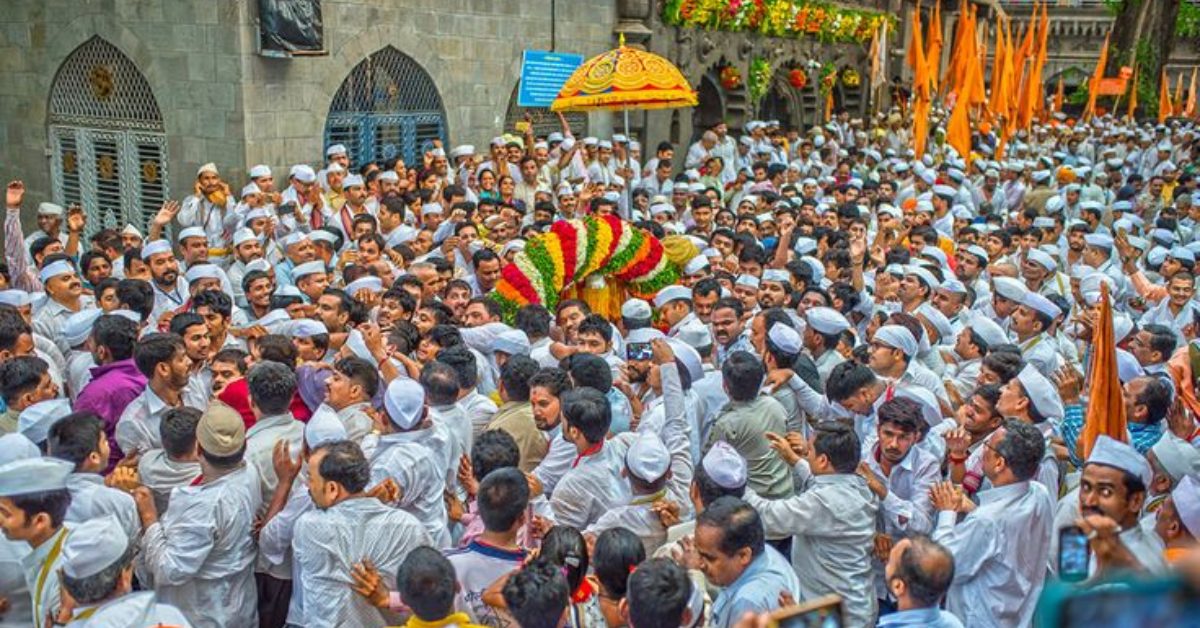
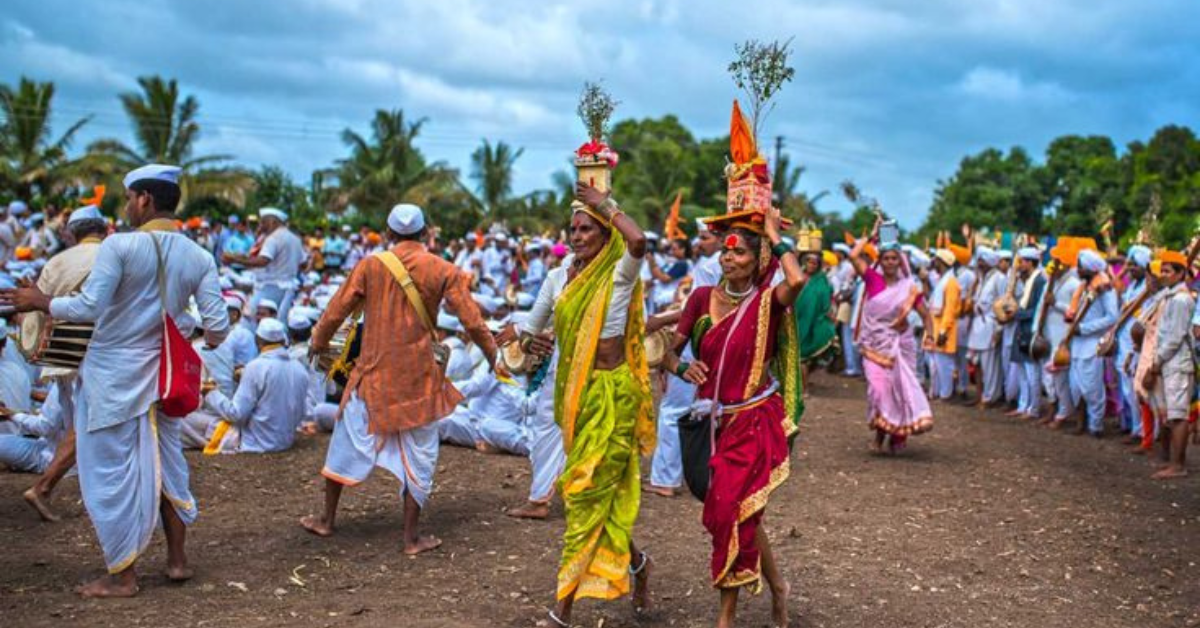
Close your eyes and imagine this: thousands of feet moving in rhythm, the sound of cymbals and mridangam cutting through the air, a saffron flag fluttering above a group of devotees, and a melody rising from a hundred voices singing in unison — "Vitthal Vitthal Jai Hari Vitthal". This is a Dindi.
In the vast, moving city of the Pandharpur Wari, the Dindi is the fundamental unit — the heartbeat that keeps the pilgrimage alive. A Dindi is not just a group of people walking together; it is a family, a community, a spiritual collective bound by shared faith and devotion.
To understand the Wari is to understand the Dindi. Without the Dindi, there would be no Wari — only scattered individuals walking alone. The Dindi transforms a pilgrimage into a celebration, a solitary journey into a shared experience.
This guide explores the Dindi tradition in its entirety — its structure, daily routine, rules, leadership, and profound spiritual significance. Whether you are planning to join a Dindi or simply curious about this remarkable tradition, this article will take you into the heart of the Wari.
प्रस्तावना
डोळे बंद करा आणि याची कल्पना करा: हजारो पाय एकाच लयीत चालतात, झांजा आणि मृदंगाचा आवाज हवेत घुमतो, एक भगवा ध्वज भाविकांच्या समूहावर फडकतो आणि शंभर आवाजांतून एकच सूर उठतो — "विठ्ठल विठ्ठल जय हरी विठ्ठल". ही आहे एक दिंडी.
पंढरपूर वारीच्या विशाल, गतिमान नगरीत, दिंडी हे मूलभूत एकक आहे — तीर्थयात्रेला जिवंत ठेवणारे ठोके. दिंडी म्हणजे केवळ एकत्र चालणारे लोक नव्हे; ती एक कुटुंब आहे, एक समुदाय आहे, सामायिक श्रद्धा आणि भक्तीने बांधलेला एक आध्यात्मिक समूह आहे.
वारी समजून घ्यायची असेल तर दिंडी समजून घ्यावी लागेल. दिंडीशिवाय वारी नाही — फक्त विखुरलेले लोक एकटे चालतात. दिंडी तीर्थयात्रेला उत्सवात, एकटा प्रवासाला सामायिक अनुभवात बदलते.
हा मार्गदर्शक दिंडी परंपरेची संपूर्ण माहिती देतो — तिची रचना, दैनंदिन दिनचर्या, नियम, नेतृत्व आणि गहन आध्यात्मिक महत्त्व. तुम्ही दिंडीत सामील होण्याचा विचार करत असाल किंवा फक्त या उल्लेखनीय परंपरेबद्दल उत्सुक असाल, हा लेख तुम्हाला वारीच्या हृदयात घेऊन जाईल.
What is a Dindi?
A Dindi (also spelled Dindi) is a group of Warkaris who walk together, sing together, and support each other throughout the Pandharpur Wari pilgrimage. Each Dindi is like a family — a micro-community within the larger Wari.
The word Dindi is believed to derive from the Marathi word dind, meaning a group or a crowd. In the context of the Wari, a Dindi is an organized group of devotees who travel together, maintaining discipline, rhythm, and devotion throughout the journey.
Dindis are usually formed by people from the same village, neighbourhood, or community. They carry their own saffron flag (Bhagwa Dhwaj), which is a symbol of their group and their identity as Warkaris.
Why Dindis Exist
The Dindi system exists for several practical and spiritual reasons:
- Safety in numbers — Walking in a group is safer, especially at night.
- Shared resources — Dindis pool food, water, and other resources.
- Emotional support — The journey is physically demanding. Walking with others provides motivation and encouragement.
- Collective devotion — Singing and chanting together creates a powerful spiritual atmosphere.
- Preservation of tradition — Dindis pass down songs, stories, and practices from generation to generation.
In essence, a Dindi transforms a solitary pilgrimage into a shared spiritual experience.
दिंडी म्हणजे काय?
दिंडी म्हणजे वारकऱ्यांचा एक समूह जो पंढरपूर वारी तीर्थयात्रेत एकत्र चालतो, एकत्र गातो आणि संपूर्ण प्रवासात एकमेकांना आधार देतो. प्रत्येक दिंडी एक कुटुंबासारखी असते — मोठ्या वारीतील एक सूक्ष्म समुदाय.
दिंडी हा शब्द मराठी दिंड या शब्दावरून आला आहे असे मानले जाते, ज्याचा अर्थ गट किंवा समूह असा होतो. वारीच्या संदर्भात, दिंडी म्हणजे भाविकांचा एक संघटित समूह जो शिस्त, लय आणि भक्ती राखत संपूर्ण प्रवास करतो.
दिंडी सहसा एकाच गावातील, परिसरातील किंवा समुदायातील लोक बनवतात. ते स्वतःचा भगवा ध्वज बाळगतात, जो त्यांच्या गटाचे आणि वारकरी म्हणून त्यांच्या ओळखीचे प्रतीक आहे.
दिंड्या का अस्तित्वात आहेत?
दिंडी प्रणाली अनेक व्यावहारिक आणि आध्यात्मिक कारणांसाठी अस्तित्वात आहे:
- संख्येने सुरक्षा — गटात चालणे विशेषतः रात्री अधिक सुरक्षित आहे.
- सामायिक संसाधने — दिंड्या अन्न, पाणी आणि इतर संसाधने एकत्र करतात.
- भावनिक आधार — हा प्रवास शारीरिकदृष्ट्या कठीण आहे. इतरांसोबत चालल्याने प्रेरणा आणि उत्साह मिळतो.
- सामूहिक भक्ती — एकत्र गाणे आणि नामजप करणे एक शक्तिशाली आध्यात्मिक वातावरण निर्माण करते.
- परंपरेचे जतन — दिंड्या एका पिढीकडून दुसऱ्या पिढीकडे गाणी, कथा आणि प्रथा पुढे देतात.
थोडक्यात, दिंडी एकट्या तीर्थयात्रेला सामायिक आध्यात्मिक अनुभवात बदलते.
Structure of a Dindi
दिंडीची रचना
The Anatomy of a Dindiदिंडीची रचना
Each Dindi is a self-sufficient community with its own rhythm, leadership, and resources. प्रत्येक दिंडी ही स्वतःची लय, नेतृत्व आणि संसाधने असलेला स्वयंपूर्ण समुदाय आहे.
Daily Routine of a Dindi
Life in a Dindi follows a rhythm that has remained unchanged for centuries. Each day is a cycle of devotion, discipline, and community.
4:00 AM — Wake Up & Bath
Before dawn, the Dindi wakes up. Devotees bathe in rivers or at roadside water taps, chanting the name of Vitthal. The day begins with purity.
5:00 AM — Prabhat Pheri
The Prabhat Pheri (morning round) begins. The Dindi gathers around the saffron flag for prayers. The Abhangas of Dnyaneshwar and Tukaram are sung as the sun rises.
6:00 AM — Start Walking
The Dindi resumes its march. The saffron flag is carried forward, and the group follows. The road fills with the sound of cymbals, mridangam, and the collective chant of "Vitthal Vitthal."
12:00 PM — Midday Rest (Seva)
During the hottest hours, the Dindi stops. Devotees rest under trees or in temporary shelters. The Seva team prepares food — simple, satvik meals. Everyone eats together, regardless of caste or status.
4:00 PM — Resume Walking
The walk resumes in the cooler afternoon. The Dindi continues singing, dancing, and chanting. The atmosphere is joyful and energetic.
8:00 PM — Night Halt
The Dindi stops for the night at a designated village or town. Evening prayers are held. Devotees share stories, sing Bhajans, and rest before the next day's journey.
10:00 PM — Rest
After a long day, the Warkaris sleep under the open sky, wrapped in blankets. The chant of Vitthal lingers in the air as they drift into sleep.
दिंडीची दैनंदिन दिनचर्या
दिंडीतील जीवन शतकानुशतके अपरिवर्तित राहिलेल्या लयीत चालते. प्रत्येक दिवस हा भक्ती, शिस्त आणि समुदायाचे चक्र आहे.
४:०० — उठणे आणि स्नान
पहाटेपूर्वी दिंडी उठते. भाविक नद्यांमध्ये किंवा रस्त्याच्या कडेला असलेल्या नळांवर स्नान करतात, विठ्ठलाचे नामस्मरण करतात. दिवस शुद्धतेने सुरू होतो.
५:०० — प्रभात फेरी
प्रभात फेरी (सकाळची फेरी) सुरू होते. दिंडी भगव्या ध्वजाभोवती प्रार्थनेसाठी जमते. सूर्योदयासह ज्ञानेश्वर आणि तुकारामांचे अभंग गायले जातात.
६:०० — प्रवास सुरू
दिंडी पुन्हा मार्गस्थ होते. भगवा ध्वज पुढे नेला जातो आणि गट त्याच्या मागे चालतो. रस्ता झांजा, मृदंग आणि "विठ्ठल विठ्ठल" च्या सामूहिक नामजपाने गजबजतो.
१२:०० — दुपारची विश्रांती (सेवा)
सर्वात उष्ण तासांत दिंडी थांबते. भाविक झाडाखाली किंवा तात्पुरत्या आश्रयस्थानांत विश्रांती घेतात. सेवा पथक अन्न तयार करते — साधे, सात्विक जेवण. जात किंवा स्थितीचा भेद न करता सर्व एकत्र खातात.
४:०० — प्रवास पुन्हा सुरू
थंडगार दुपारी प्रवास पुन्हा सुरू होतो. दिंडी गाणे, नाचणे आणि नामजप सुरू ठेवते. वातावरण आनंदी आणि उत्साही असते.
८:०० — रात्र विश्रांती
दिंडी नियोजित गावात किंवा शहरात रात्रीसाठी थांबते. संध्याकाळची प्रार्थना होते. भाविक कथा सांगतात, भजन गातात आणि दुसऱ्या दिवसाच्या प्रवासापूर्वी विश्रांती घेतात.
१०:०० — विश्रांती
दीर्घ दिवसानंतर, वारकरी उघड्या आकाशाखाली ब्लँकेट गुंडाळून झोपतात. ते झोपेत जात असताना विठ्ठलाचा नामजप हवेत घुमत राहतो.
Rules and Discipline
The Dindi tradition is governed by a set of rules and disciplines that maintain the purity and sanctity of the pilgrimage.
| Vegetarianism | All Warkaris are strictly vegetarian. No meat, fish, or eggs are consumed during the pilgrimage. |
| No Alcohol | Alcohol, tobacco, and intoxicants are strictly prohibited. |
| No Caste Discrimination | Everyone walks together, eats together, and sleeps together. Caste is irrelevant in the Dindi. |
| No Loud Arguments | The Dindi is a space of peace and devotion. Arguments and conflicts are avoided. |
| Maintain Purity | Warkaris maintain personal cleanliness and purity throughout the journey. |
| Follow the Dindi Pramukh | The Dindi Pramukh's decisions are respected and followed by all members. |
| Regular Chanting | Namasmaran (chanting God's name) is continuous throughout the day. |
These rules are not imposed from above but are voluntarily followed by every Warkari out of devotion and discipline.
नियम आणि शिस्त
दिंडी परंपरा नियम आणि शिस्तीच्या एका संचाने शासित आहे जी तीर्थयात्रेची शुद्धता आणि पवित्रता राखते.
| शाकाहार | सर्व वारकरी कठोरपणे शाकाहारी आहेत. तीर्थयात्रेदरम्यान मांस, मासे किंवा अंडी खाल्ली जात नाहीत. |
| दारू नाही | दारू, तंबाखू आणि मादक पदार्थ कठोरपणे प्रतिबंधित आहेत. |
| जातीय भेदभाव नाही | सर्व एकत्र चालतात, एकत्र खातात आणि एकत्र झोपतात. दिंडीत जात अप्रासंगिक आहे. |
| मोठ्याने वाद नाही | दिंडी ही शांती आणि भक्तीची जागा आहे. वाद आणि संघर्ष टाळले जातात. |
| शुद्धता राखा | वारकरी संपूर्ण प्रवासात वैयक्तिक स्वच्छता आणि शुद्धता राखतात. |
| दिंडी प्रमुखाचे अनुसरण करा | दिंडी प्रमुखाचे निर्णय सर्व सदस्य आदराने मानतात आणि अनुसरण करतात. |
| नियमित नामजप | नामस्मरण (ईश्वराच्या नावाचा जप) दिवसभर सतत सुरू असतो. |
हे नियम वरून लादले जात नाहीत तर प्रत्येक वारकरी भक्ती आणि शिस्तीतून स्वेच्छेने पाळतो.
Role of the Dindi Pramukh
Every Dindi has a leader called the Dindi Pramukh (also known as Dindipati or Dindi Mukhi). This is not a position of power but of responsibility.
Responsibilities of the Dindi Pramukh
- Coordinates the Dindi — Decides the walking pace, rest stops, and daily schedule.
- Leads the chanting — Often begins the Abhangas and leads the group in singing.
- Maintains discipline — Ensures that all members follow the rules.
- Resolves conflicts — Handles any disputes or issues within the group.
- Manages resources — Coordinates food, water, and other essentials.
- Represents the Dindi — Interacts with other Dindis and local communities.
Qualities of a Good Dindi Pramukh
- Deep devotion — A genuine love for Vitthal.
- Patience — The ability to handle challenges calmly.
- Leadership skills — The ability to guide and inspire others.
- Knowledge of the tradition — Familiarity with Abhangas, rituals, and rules.
- Humility — Serving others, not seeking power.
The Dindi Pramukh is not a priest or a guru but a servant-leader who facilitates the spiritual journey of the group.
दिंडी प्रमुखाची भूमिका
प्रत्येक दिंडीला एक नेता असतो ज्याला दिंडी प्रमुख (ज्यांना दिंडीपती किंवा दिंडी मुखी असेही म्हणतात) म्हणतात. ही सत्तेची नव्हे तर जबाबदारीची स्थिती आहे.
दिंडी प्रमुखाच्या जबाबदाऱ्या
- दिंडीचे समन्वयन — चालण्याची गती, विश्रांतीचे थांबे आणि दैनंदिन वेळापत्रक ठरवतो.
- नामजपाचे नेतृत्व — अभंग सुरू करतो आणि गटाला गाण्यात नेतो.
- शिस्त राखतो — सर्व सदस्य नियम पाळतात याची खात्री करतो.
- वाद सोडवतो — गटातील कोणतेही वाद किंवा समस्या हाताळतो.
- संसाधने व्यवस्थापित करतो — अन्न, पाणी आणि इतर आवश्यक वस्तूंचे समन्वयन करतो.
- दिंडीचे प्रतिनिधित्व करतो — इतर दिंड्या आणि स्थानिक समुदायांशी संवाद साधतो.
चांगल्या दिंडी प्रमुखाचे गुण
- सखोल भक्ती — विठ्ठलावर प्रामाणिक प्रेम.
- संयम — शांतपणे आव्हाने हाताळण्याची क्षमता.
- नेतृत्व कौशल्य — इतरांना मार्गदर्शन आणि प्रेरणा देण्याची क्षमता.
- परंपरेचे ज्ञान — अभंग, विधी आणि नियमांची माहिती.
- नम्रता — इतरांची सेवा करणे, सत्ता नव्हे.
दिंडी प्रमुख हा पुरोहित किंवा गुरू नसून एक सेवक-नेता आहे जो गटाच्या आध्यात्मिक प्रवासाला सुलभ करतो.
Spiritual Significance of the Dindi
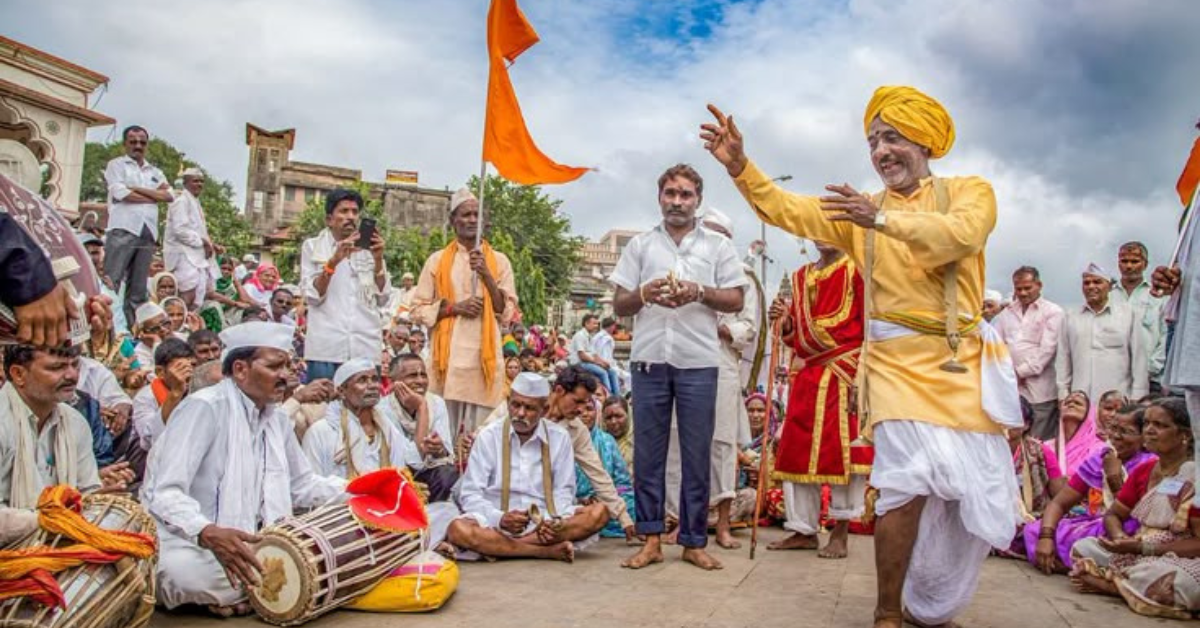
The Dindi is not merely a logistical arrangement — it is a deeply spiritual practice.
Unity in Devotion
In the Dindi, individual identity dissolves into collective devotion. The Warkari is no longer just a person walking to Pandharpur; they are part of a larger whole — a community of faith. This unity mirrors the philosophical teaching that all souls are one.
The Power of Collective Chanting
When a hundred people chant together, the energy is far greater than the sum of its parts. The collective chanting in a Dindi creates a powerful spiritual vibration that purifies the mind and elevates the consciousness of everyone in the group.
Walking as Worship
In the Dindi, every step is an act of worship. The physical act of walking becomes a meditation, a prayer. The Warkari walks not to reach a destination but to be in constant remembrance of God.
Equality in Practice
The Dindi is a living example of equality. Rich and poor, high and low, walk together, eat together, and sleep together. The Dindi demonstrates that in the eyes of God, all are equal.
Seva as Bhakti
Service is an integral part of the Dindi. Cooking, cleaning, helping the elderly — these acts of service are considered forms of devotion. In the Dindi, there is no distinction between worship and work.
Community as a Spiritual Teacher
The Dindi teaches patience, humility, cooperation, and love. It is a living school of spiritual education where the community itself is the teacher.
दिंडीचे आध्यात्मिक महत्त्व
दिंडी ही केवळ एक लॉजिस्टिकल व्यवस्था नाही — ती एक गहन आध्यात्मिक साधना आहे.
भक्तीत एकता
दिंडीत, वैयक्तिक ओळख सामूहिक भक्तीत विलीन होते. वारकरी हा फक्त पंढरपूरला चालणारी व्यक्ती राहत नाही; तो एका मोठ्या समग्राचा — श्रद्धेच्या समुदायाचा — भाग आहे. ही एकता तात्त्विक शिकवण प्रतिबिंबित करते की सर्व आत्मा एक आहेत.
सामूहिक नामजपाचे सामर्थ्य
जेव्हा शंभर लोक एकत्र नामजप करतात, तेव्हा ऊर्जा त्याच्या भागांच्या बेरजेपेक्षा खूप मोठी असते. दिंडीतील सामूहिक नामजप एक शक्तिशाली आध्यात्मिक कंपन निर्माण करतो जो मन शुद्ध करतो आणि गटातील प्रत्येकाची चेतना उंचावतो.
पूजा म्हणून चालणे
दिंडीत, प्रत्येक पाऊल ही पूजेची एक कृती आहे. चालण्याची शारीरिक क्रिया ध्यान बनते, प्रार्थना बनते. वारकरी गंतव्यस्थानापर्यंत पोहोचण्यासाठी नव्हे तर ईश्वराच्या सतत स्मरणात राहण्यासाठी चालतो.
प्रत्यक्षात समानता
दिंडी हे समानतेचे जिवंत उदाहरण आहे. श्रीमंत-गरीब, उच्च-नीच, एकत्र चालतात, एकत्र खातात आणि एकत्र झोपतात. दिंडी दाखवते की ईश्वराच्या दृष्टीने सर्व समान आहेत.
भक्ती म्हणून सेवा
सेवा हा दिंडीचा अविभाज्य भाग आहे. स्वयंपाक, साफसफाई, वृद्धांना मदत करणे — सेवेच्या या कृती भक्तीचे प्रकार मानल्या जातात. दिंडीत पूजा आणि काम यात कोणताही भेद नाही.
आध्यात्मिक गुरू म्हणून समुदाय
दिंडी संयम, नम्रता, सहकार्य आणि प्रेम शिकवते. ही आध्यात्मिक शिक्षणाची एक जिवंत शाळा आहे जिथे समुदाय स्वतः गुरू आहे.
During the Wari, hundreds of Dindis merge into a single flowing river of devotion. At the peak of Ashadhi Ekadashi, the entire road from Alandi to Pandharpur becomes one continuous Dindi, with thousands of saffron flags waving in the monsoon wind.
वारीत, शेकडो दिंड्या भक्तीच्या एका प्रवाही नदीत विलीन होतात. आषाढी एकादशीच्या शिखरावर, आळंदी ते पंढरपूरचा संपूर्ण रस्ता एक सतत चालणारी दिंडी बनते, ज्यात हजारो भगवे ध्वज पावसाळी वाऱ्यात फडकतात.
Interesting Facts About Dindis
दिंड्यांबद्दल मनोरंजक तथ्ये
Frequently Asked Questions
वारंवार विचारले जाणारे प्रश्न
A Dindi is a group of Warkaris who walk together during the Pandharpur Wari pilgrimage. They sing, chant, and support each other throughout the journey.
दिंडी म्हणजे वारकऱ्यांचा एक समूह जो पंढरपूर वारी तीर्थयात्रेत एकत्र चालतो. ते संपूर्ण प्रवासात एकत्र गातात, नामजप करतात आणि एकमेकांना आधार देतात.
Dindis are usually formed by people from the same village, neighbourhood, or community. They elect a Dindi Pramukh, carry a saffron flag, and begin their journey together.
दिंडी सहसा एकाच गावातील, परिसरातील किंवा समुदायातील लोक बनवतात. ते एक दिंडी प्रमुख निवडतात, भगवा ध्वज बाळगतात आणि एकत्र प्रवास सुरू करतात.
The Dindi is led by a Dindi Pramukh (also called Dindipati), who coordinates the group's walking, chanting, and daily activities.
दिंडीचे नेतृत्व एक दिंडी प्रमुख (ज्यांना दिंडीपती असेही म्हणतात) करतो, जो गटाचे चालणे, नामजप आणि दैनंदिन क्रियाकलाप समन्वयित करतो.
Dindis walk together, sing Abhangas, chant Vitthal's name, perform seva (service), and support each other throughout the 18–21 day pilgrimage.
दिंड्या एकत्र चालतात, अभंग गातात, विठ्ठलाचे नामस्मरण करतात, सेवा करतात आणि १८–२१ दिवसांच्या तीर्थयात्रेत एकमेकांना आधार देतात.
Yes. The Warkari tradition is open to everyone. Anyone with a sincere heart and a willingness to walk can join a Dindi.
होय. वारकरी परंपरा सर्वांसाठी खुली आहे. प्रामाणिक हृदय आणि चालण्याची इच्छा असलेला कोणीही दिंडीत सामील होऊ शकतो.
The saffron flag is the symbol of the Dindi. It represents the tradition, the group's identity, and the devotion to Vitthal. It is carried at the front of the Dindi.
भगवा ध्वज हे दिंडीचे प्रतीक आहे. तो परंपरा, गटाची ओळख आणि विठ्ठलावरील भक्ती दर्शवतो. तो दिंडीच्या पुढे वाहून नेला जातो.
There are hundreds of Dindis during the Wari. The exact number varies each year, but they come from all parts of Maharashtra and even from other states.
वारीत शेकडो दिंड्या असतात. नेमकी संख्या दरवर्षी बदलते, परंतु त्या महाराष्ट्राच्या सर्व भागांतून आणि इतर राज्यांतूनही येतात.
Dindis are the fundamental unit of the Wari. They provide structure, support, and a sense of community. Without Dindis, the Wari would be a scattered group of individuals rather than a unified pilgrimage.
दिंड्या वारीचे मूलभूत एकक आहेत. त्या रचना, आधार आणि समुदायाची भावना देतात. दिंड्यांशिवाय, वारी एक विखुरलेला समूह असेल, एकसंध तीर्थयात्रा नव्हे.
Conclusion
The Dindi is the heartbeat of the Pandharpur Wari. It is what transforms a pilgrimage into a celebration, a solitary journey into a shared experience, and a collection of individuals into a community of faith.
In the Dindi, the Warkari finds not just companions but a family — a family bound by devotion, equality, and love for Vitthal. The Dindi teaches that the spiritual path is not meant to be walked alone. It is a journey to be shared, a song to be sung together, a prayer to be offered in unison.
As you walk with a Dindi, you are not just walking towards Pandharpur — you are walking towards the heart of a tradition that has sustained millions for over 800 years. You are walking in the footsteps of saints, carrying with you the same faith, the same songs, and the same devotion that has kept the Wari alive for centuries.
The Dindi is not just a group — it is a living expression of Bhakti, a moving community of devotion, and the soul of the Pandharpur Wari.
समारोप
दिंडी ही पंढरपूर वारीची धडकन आहे. तीच तीर्थयात्रेला उत्सवात, एकट्या प्रवासाला सामायिक अनुभवात आणि व्यक्तींच्या समूहाला श्रद्धेच्या समुदायात बदलते.
दिंडीत, वारकरीला केवळ साथीदारच नव्हे तर एक कुटुंब सापडते — भक्ती, समानता आणि विठ्ठलावरील प्रेमाने बांधलेले कुटुंब. दिंडी शिकवते की आध्यात्मिक मार्ग एकट्याने चालण्यासाठी नाही. हा एक प्रवास आहे जो वाटून घ्यायचा आहे, एक गाणे आहे जे एकत्र गायचे आहे, एक प्रार्थना आहे जी एकत्र अर्पण करायची आहे.
जसा तुम्ही दिंडीसोबत चालता, तसा तुम्ही फक्त पंढरपूरकडेच नव्हे तर ८०० वर्षांहून अधिक काळ लाखो लोकांना टिकवून ठेवलेल्या परंपरेच्या हृदयाकडे चालता. तुम्ही संतांच्या पावलावर पाऊल ठेवता, त्यांच्यासोबत तीच श्रद्धा, तीच गीते आणि तीच भक्ती घेऊन जाता ज्याने शतकानुशतके वारी जिवंत ठेवली आहे.
दिंडी ही केवळ एक समूह नाही — ती भक्तीची एक जिवंत अभिव्यक्ती आहे, भक्तीचा एक गतिमान समुदाय आहे आणि पंढरपूर वारीचा आत्मा आहे.
Join the Movementया चळवळीत सामील व्हा
Want to experience the Dindi for yourself? Plan your journey, find a Dindi to walk with, and become part of this extraordinary tradition.
तुम्हाला स्वतः दिंडीचा अनुभव घ्यायचा आहे? तुमच्या प्रवासाची योजना करा, चालण्यासाठी एक दिंडी शोधा आणि या उल्लेखनीय परंपरेत सामील व्हा.
Explore Pandharpur Wari पंढरपूर वारी पाहा