Introduction
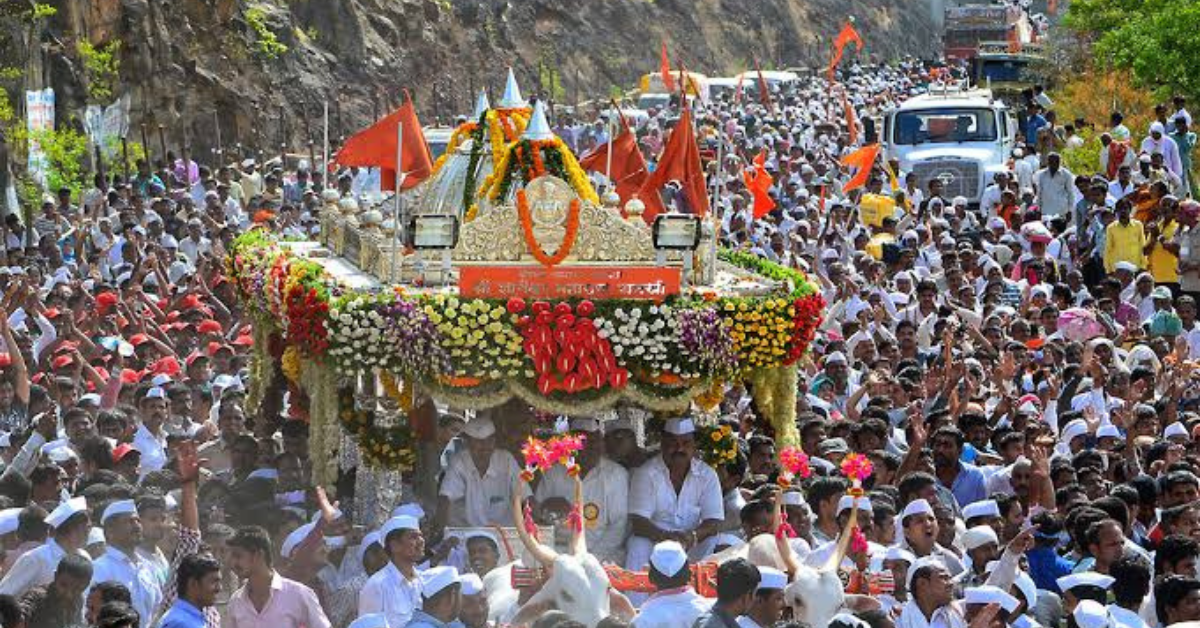
Imagine a procession that stretches for miles, moving with the rhythm of a thousand feet and the sound of a million voices chanting "Vitthal Vitthal Jai Hari Vitthal". In the centre of this moving sea of devotees is a wooden palanquin — adorned with flowers, covered with silk, and carried on the shoulders of devoted bearers. This is the Palkhi — the sacred palanquin that carries the saints' footsteps to Pandharpur.
This procession is called the Palkhi Sohala — the sacred palanquin festival of the Warkari tradition. It is the beating heart of the Pandharpur Wari, the focal point around which millions of devotees gather, sing, and walk in devotion.
The Palkhi Sohala is not just a procession — it is a living tradition that has continued for over 800 years. It is a moving temple, a community on foot, and a testament to the enduring power of devotion.
This guide takes you deep into the Palkhi Sohala — its history, routes, rituals, and the profound spiritual significance that has made it the centrepiece of the Warkari tradition.
प्रस्तावना
एका मैलांपर्यंत पसरलेल्या मिरवणुकीची कल्पना करा, जी हजारो पायांच्या लयीत आणि "विठ्ठल विठ्ठल जय हरी विठ्ठल" च्या कोट्यावधी आवाजांच्या गजरात पुढे सरकते. या गतिमान भक्तांच्या समुद्राच्या मध्यभागी एक लाकडी पालखी आहे — फुलांनी सजवलेली, रेशमाने झाकलेली आणि समर्पित वाहकांच्या खांद्यावर वाहून नेली जाते. ही आहे पालखी — संतांच्या पावलांना पंढरपूरला नेणारी पवित्र पालखी.
या मिरवणुकीला पालखी सोहळा म्हणतात — वारकरी परंपरेतील पवित्र पालखी उत्सव. ही पंढरपूर वारीची धडकन आहे, जिच्याभोवती लाखो भाविक एकत्र येतात, गातात आणि भक्तीने चालतात.
पालखी सोहळा ही केवळ एक मिरवणूक नाही — ती ८०० वर्षांहून अधिक काळ सुरू असलेली एक जिवंत परंपरा आहे. ही एक गतिमान मंदिर आहे, पायी समुदाय आहे आणि भक्तीच्या स्थायी सामर्थ्याचा पुरावा आहे.
हा मार्गदर्शक तुम्हाला पालखी सोहळ्याच्या गाभ्यात घेऊन जातो — त्याचा इतिहास, मार्ग, विधी आणि गहन आध्यात्मिक महत्त्व ज्याने तो वारकरी परंपरेचा केंद्रबिंदू बनला आहे.
What is Palkhi Sohala?
Palkhi Sohala (pronounced Pawl-khee So-ha-la) is the sacred palanquin procession that forms the heart of the Pandharpur Wari. The word Palkhi refers to the palanquin itself — a covered vehicle carried on the shoulders of devotees. Sohala means a festival or celebration.
Together, Palkhi Sohala means "the festival of the palanquin" — the grand procession in which the paduka (footprints or sandals) of the saint-poets are carried from their places of samadhi (resting place) to Pandharpur.
The Palkhi Sohala is not just a physical procession. It is a spiritual journey, a moving temple, and a celebration of the Bhakti tradition. Every year, millions of devotees participate in this sacred journey, walking for 18–21 days to reach Pandharpur on Ashadhi Ekadashi.
The Palkhi — The Sacred Vehicle
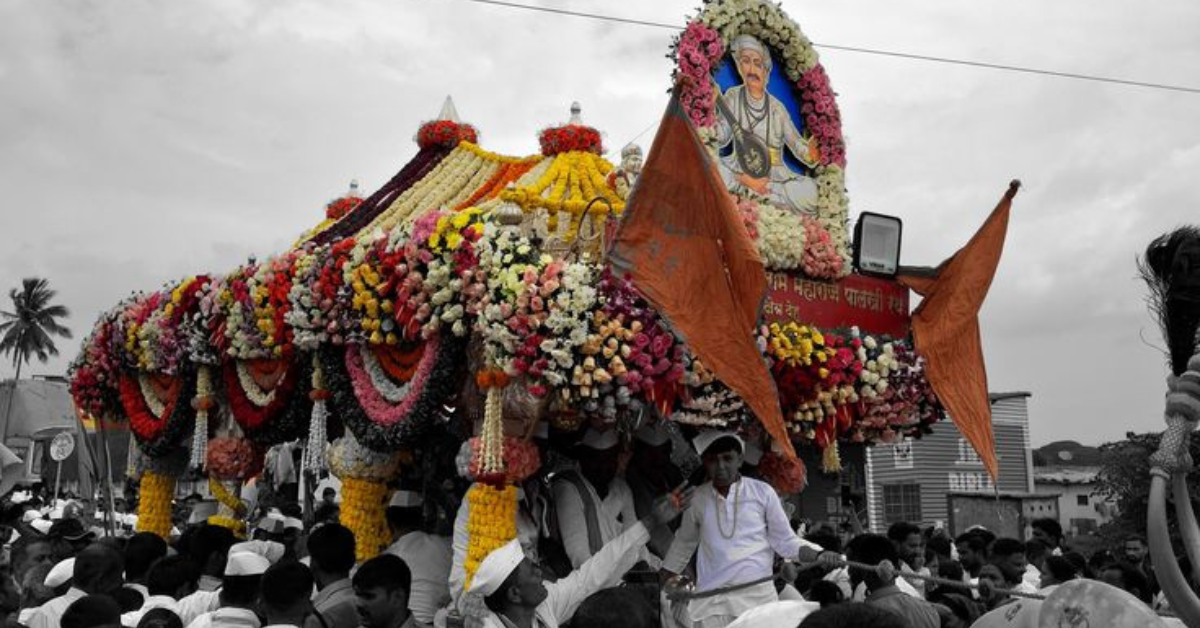
The Palkhi is a beautifully decorated wooden palanquin. It is covered with silk cloth and adorned with flowers, garlands, and sacred symbols. Inside the Palkhi are the paduka (sandals) of the saint, which are treated with the same reverence as the saint himself.
The Palkhi is carried on the shoulders of devotees, who take turns bearing the sacred weight. The tradition of carrying the Palkhi is considered a great honour, and devotees often wait years for the opportunity.
पालखी सोहळा म्हणजे काय?
पालखी सोहळा ही पंढरपूर वारीच्या केंद्रस्थानी असलेली पवित्र पालखी मिरवणूक आहे. पालखी म्हणजे स्वतः पालखी — एक झाकलेले वाहन जे भाविकांच्या खांद्यावर वाहून नेले जाते. सोहळा म्हणजे उत्सव किंवा सण.
एकत्रितपणे, पालखी सोहळा म्हणजे "पालखीचा उत्सव" — ज्या भव्य मिरवणुकीत संत-कवींच्या पादुका त्यांच्या समाधीस्थानांवरून पंढरपूरला नेल्या जातात.
पालखी सोहळा ही केवळ शारीरिक मिरवणूक नाही. हा एक आध्यात्मिक प्रवास आहे, एक गतिमान मंदिर आहे आणि भक्ती परंपरेचा उत्सव आहे. दरवर्षी लाखो भाविक या पवित्र प्रवासात सहभागी होतात, आषाढी एकादशीला पंढरपूरला पोहोचण्यासाठी १८–२१ दिवस चालतात.
पालखी — पवित्र वाहन
पालखी ही सुंदर सजवलेली लाकडी पालखी आहे. ती रेशमी कापडाने झाकलेली असते आणि फुले, माळा आणि पवित्र प्रतीकांनी सजवलेली असते. पालखीत संतांच्या पादुका असतात, ज्यांचा तोच आदर केला जातो जसा संतांचा स्वतःचा.
पालखी भाविकांच्या खांद्यावर वाहून नेली जाते, जे वळसा घेऊन हे पवित्र वजन वाहतात. पालखी वाहण्याची परंपरा एक मोठा सन्मान मानली जाते आणि भाविक अनेकदा या संधीसाठी वर्षानुवर्षे वाट पाहतात.
History of the Palkhi Tradition
The Palkhi tradition has its roots in the Bhakti movement of Maharashtra, specifically in the life and work of Sant Dnyaneshwar Maharaj (1275–1296).
Origins in the 13th Century
Sant Dnyaneshwar is credited with establishing the tradition of carrying the Palkhi of the saints to Pandharpur. He walked to Pandharpur himself and inspired others to do the same. The tradition was further strengthened by his contemporary Sant Namdev, who also walked to Pandharpur and composed many of the Abhangas sung during the procession.
The Formalization of the Tradition
While Dnyaneshwar and Namdev initiated the tradition, it was formalized over the centuries. The Palkhi Sohala became a well-organized pilgrimage with established routes, rituals, and a growing number of participants.
Sant Tukaram's Contribution
In the 17th century, Sant Tukaram Maharaj became the most beloved figure in the tradition. His Abhangas, sung during the Palkhi Sohala, added a new depth of devotion to the procession. Tukaram's Palkhi from Dehu became one of the most important, alongside Dnyaneshwar's Palkhi from Alandi.
Continuity Through the Centuries
Despite invasions, political changes, and social upheavals, the Palkhi Sohala continued uninterrupted. It survived the fall of the Maratha Empire, the arrival of the British, and the challenges of modernization. Today, it is one of the oldest continuously observed pilgrimage traditions in the world.
पालखी परंपरेचा इतिहास
पालखी परंपरेची मुळे महाराष्ट्राच्या भक्ती चळवळीत, विशेषतः संत ज्ञानेश्वर महाराज (१२७५–१२९६) यांच्या जीवन आणि कार्यात आहेत.
१३व्या शतकातील उगम
संत ज्ञानेश्वरांनी संतांची पालखी पंढरपूरला नेण्याची परंपरा स्थापन केल्याचे श्रेय त्यांना दिले जाते. ते स्वतः पंढरपूरला चालले आणि इतरांनाही असे करण्यास प्रेरित केले. त्यांचे समकालीन संत नामदेव यांनीही या परंपरेला बळकटी दिली, जे स्वतः पंढरपूरला चालले आणि मिरवणुकीत गायले जाणारे अनेक अभंग रचले.
परंपरेचे औपचारिकीकरण
ज्ञानेश्वर आणि नामदेव यांनी परंपरेची सुरुवात केली असली तरी, ती शतकानुशतके औपचारिक झाली. पालखी सोहळा निश्चित मार्ग, विधी आणि वाढत्या सहभागींसह एक सुव्यवस्थित तीर्थयात्रा बनला.
संत तुकारामांचे योगदान
१७व्या शतकात, संत तुकाराम महाराज या परंपरेत सर्वात प्रिय व्यक्तिमत्त्व बनले. त्यांचे अभंग, पालखी सोहळ्यात गायले जाणारे, मिरवणुकीत भक्तीची एक नवीन खोली जोडली. तुकारामांची देहूतील पालखी, ज्ञानेश्वरांच्या आळंदीतील पालखीसह सर्वात महत्त्वाची बनली.
शतकानुशतके सातत्य
आक्रमणे, राजकीय बदल आणि सामाजिक उलथापालथी असूनही, पालखी सोहळा अखंडितपणे चालू राहिला. तो मराठा साम्राज्याच्या पतनानंतर, ब्रिटिशांच्या आगमनानंतर आणि आधुनिकीकरणाच्या आव्हानांनंतरही टिकला. आज, तो जगातील सर्वात जुन्या सातत्याने पाळल्या जाणाऱ्या तीर्थयात्रा परंपरांपैकी एक आहे.
Haibat Baba Arphalkar's Contribution
One of the most important figures in the history of the Palkhi Sohala is Haibat Baba Arphalkar (also spelled Haibatrao Arphalkar).
Who Was Haibat Baba?
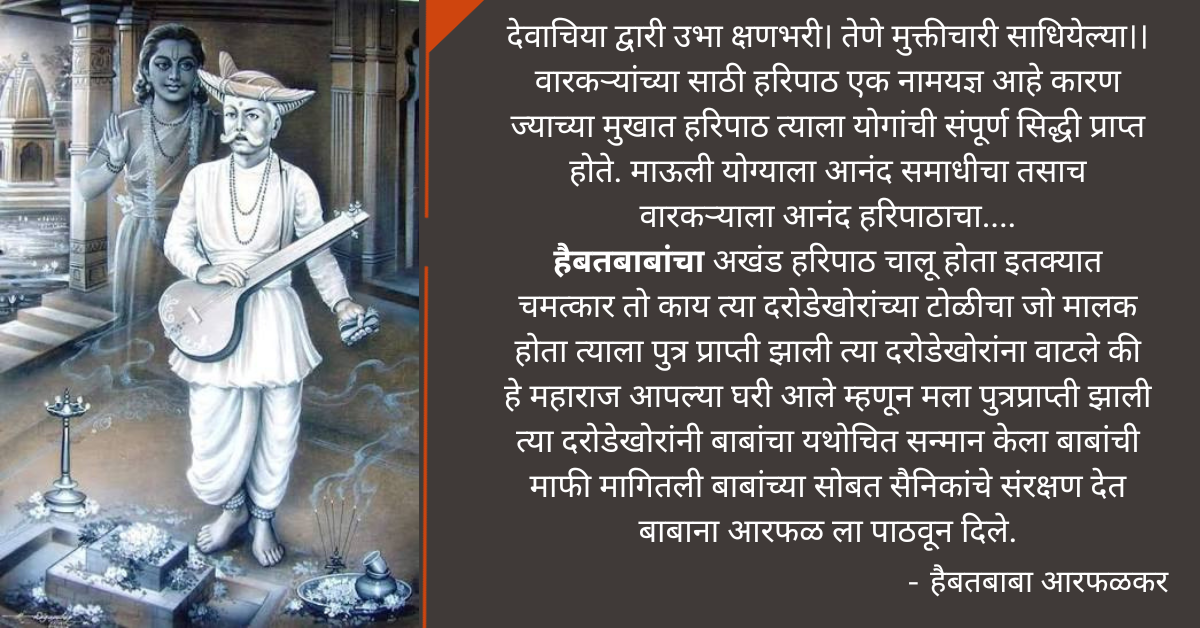
Haibat Baba was a devoted Warkari who lived in the 17th–18th century. He is credited with systematizing and institutionalizing the Palkhi Sohala, ensuring its continuity and organizing its logistics.
His Key Contributions
- Organized the Palkhi Route — He established the specific route that the Palkhi would take from Alandi to Pandharpur.
- Established the Dindi System — He formalized the grouping of Warkaris into Dindis, making the pilgrimage more organized.
- Ensured Continuity — He ensured that the tradition would continue even after the death of the saints.
- Built Infrastructure — He arranged for resting places, water supply, and food distribution along the route.
Why His Contribution Matters
Without Haibat Baba's organizational genius, the Palkhi Sohala might not have survived as the massive, well-organized pilgrimage it is today. His work ensured that the tradition was not just a spontaneous gathering but a structured, sustainable pilgrimage that could continue for generations.
His Legacy
Today, Haibat Baba is remembered as a key figure in the Warkari tradition. His descendants continue to play a role in the Palkhi Sohala, and his name is honoured alongside the saint-poets.
हैबत बाबा अर्फळकर यांचे योगदान
पालखी सोहळ्याच्या इतिहासातील सर्वात महत्त्वाच्या व्यक्तींपैकी एक म्हणजे हैबत बाबा अर्फळकर.
हैबत बाबा कोण होते?
हैबत बाबा हे १७व्या–१८व्या शतकातील एक समर्पित वारकरी होते. त्यांनी पालखी सोहळ्याचे व्यवस्थितीकरण आणि संस्थात्मकीकरण केले, त्याची सातत्यता सुनिश्चित केली आणि त्याच्या लॉजिस्टिक्सची व्यवस्था केली.
त्यांची प्रमुख योगदाने
- पालखी मार्गाचे नियोजन — त्यांनी आळंदी ते पंढरपूरचा विशिष्ट मार्ग स्थापित केला.
- दिंडी प्रणालीची स्थापना — त्यांनी वारकऱ्यांचे दिंड्यांमध्ये गट करण्याचे औपचारिकीकरण केले, ज्यामुळे तीर्थयात्रा अधिक संघटित झाली.
- सातत्यता सुनिश्चित केली — त्यांनी संतांच्या निधनानंतरही परंपरा सुरू राहील याची खात्री केली.
- पायाभूत सुविधा उभारल्या — त्यांनी मार्गावर विश्रांती स्थळे, पाणीपुरवठा आणि अन्न वितरणाची व्यवस्था केली.
त्यांचे योगदान का महत्त्वाचे आहे
हैबत बाबांच्या संघटनात्मक कौशल्याशिवाय, पालखी सोहळा आजच्या मोठ्या, सुव्यवस्थित तीर्थयात्रेच्या रूपात टिकला नसता. त्यांच्या कार्याने ही परंपरा केवळ एक उत्स्फूर्त समारंभ नव्हे तर एक संरचित, टिकाऊ तीर्थयात्रा बनली जी पिढ्यानपिढ्या सुरू राहू शकली.
त्यांचा वारसा
आज, हैबत बाबा वारकरी परंपरेत एक महत्त्वाची व्यक्ती म्हणून आठवले जातात. त्यांचे वंशज पालखी सोहळ्यात भूमिका बजावत राहतात आणि त्यांचे नाव संत-कवींसोबत सन्मानित केले जाते.
Main Palkhis and Their Routes
Several Palkhis travel to Pandharpur during the Wari. The most important ones are:
| Sant Dnyaneshwar Palkhi | Starts from Alandi (near Pune). This is the oldest and most revered Palkhi. Distance: ~250 km. |
| Sant Tukaram Palkhi | Starts from Dehu (near Pune). This Palkhi is equally important and is accompanied by thousands of devotees. Distance: ~250 km. |
| Sant Namdev Palkhi | Starts from Narsi Namdev (in Hingoli district). Distance: ~350 km. |
| Sant Eknath Palkhi | Starts from Paithan (in Aurangabad district). Distance: ~250 km. |
| Sant Chokhamela Palkhi | Starts from Mangalvedha. This Palkhi represents the Dalit saint of the tradition. Distance: ~100 km. |
| Sant Janabai Palkhi | Starts from Pandharpur itself, symbolizing the inclusive nature of the tradition. |
The Convergence
All these Palkhis converge in Pandharpur on Ashadhi Ekadashi. The convergence is a magnificent sight — thousands of saffron flags, the sound of countless drums, and the collective chant of a million voices.
प्रमुख पालख्या आणि त्यांचे मार्ग
वारीत अनेक पालख्या पंढरपूरला जातात. सर्वात महत्त्वाच्या आहेत:
| संत ज्ञानेश्वर पालखी | आळंदी (पुण्याजवळ) येथून सुरू होते. ही सर्वात जुनी आणि आदरणीय पालखी आहे. अंतर: ~२५० किमी. |
| संत तुकाराम पालखी | देहू (पुण्याजवळ) येथून सुरू होते. ही पालखी तितकीच महत्त्वाची आहे आणि हजारो भाविक तिच्यासोबत असतात. अंतर: ~२५० किमी. |
| संत नामदेव पालखी | नरसी नामदेव (हिंगोली जिल्हा) येथून सुरू होते. अंतर: ~३५० किमी. |
| संत एकनाथ पालखी | पैठण (औरंगाबाद जिल्हा) येथून सुरू होते. अंतर: ~२५० किमी. |
| संत चोखामेळा पालखी | मंगळवेढा येथून सुरू होते. ही पालखी परंपरेतील दलित संताचे प्रतिनिधित्व करते. अंतर: ~१०० किमी. |
| संत जनाबाई पालखी | पंढरपूर येथूनच सुरू होते, परंपरेच्या सर्वसमावेशक स्वरूपाचे प्रतीक. |
संगम
या सर्व पालख्या आषाढी एकादशीला पंढरपूरात एकत्र येतात. हा संगम एक भव्य दृश्य असते — हजारो भगवे ध्वज, असंख्य ढोलांचा आवाज आणि कोट्यावधी आवाजांचा सामूहिक जयघोष.
Daily Routine of the Palkhi Sohala
The Palkhi Sohala follows a disciplined daily routine that has remained largely unchanged for centuries:
Throughout the day, the Palkhi is accompanied by singing, chanting, and the sounds of musical instruments. The atmosphere is one of joy, devotion, and community.
पालखी सोहळ्याची दैनंदिन दिनचर्या
पालखी सोहळा एक शिस्तबद्ध दैनंदिन दिनचर्या पाळतो जी शतकानुशतके मोठ्या प्रमाणात अपरिवर्तित राहिली आहे:
दिवसभर, पालखीला गाणे, नामजप आणि वाद्यांचे आवाज असतात. वातावरण आनंद, भक्ती आणि समुदायाचे असते.
Important Rituals of the Palkhi Sohala
1. Palkhi Uthav (Lifting of the Palkhi)
The Palkhi Sohala begins with the Palkhi Uthav ceremony — the formal lifting of the Palkhi from the saint's samadhi. This is a solemn occasion marked by prayers, offerings, and the chanting of Abhangas.
2. Palkhi Maan (Honouring the Palkhi)
At various stops along the route, the Palkhi is honoured with great reverence. Devotees offer flowers, coconuts, and prayers. This ritual symbolizes the respect and devotion of the community.
3. Palkhi Darshan (Viewing the Palkhi)
During the journey, devotees line the streets to catch a glimpse of the Palkhi. This Darshan (sacred viewing) is considered a blessing and a spiritual experience.
4. Mahaprasad (Community Meal)
At midday, the Palkhi stops for Mahaprasad — a community meal served to all devotees. This ritual emphasizes equality and the sharing of resources.
5. Ringan (Horse Ritual)
In some places, the Ringan ceremony is performed — a devotee rides a horse in a circle around the Palkhi as an act of devotion and fulfillment of a vow.
6. Palkhi Pooja (Worship of the Palkhi)
At the end of each day, the Palkhi is worshipped with prayers, lamps (aarti), and offerings. This ritual marks the conclusion of the day's journey and prepares the Palkhi for the next day.
पालखी सोहळ्यातील महत्त्वाचे विधी
१. पालखी उठाव
पालखी सोहळ्याची सुरुवात पालखी उठाव विधीने होते — संतांच्या समाधीवरून पालखीचे औपचारिक उचलणे. हा एक गंभीर प्रसंग असतो ज्यात प्रार्थना, अर्पण आणि अभंग गायन असते.
२. पालखी मान
मार्गावरील विविध थांब्यांवर, पालखीचा मोठ्या आदराने सन्मान केला जातो. भाविक फुले, नारळ आणि प्रार्थना अर्पण करतात. हा विधी समुदायाचा आदर आणि भक्ती दर्शवतो.
३. पालखी दर्शन
प्रवासादरम्यान, भाविक पालखीचा एक झलक पाहण्यासाठी रस्त्यावर रांगा लावतात. हे दर्शन एक आशीर्वाद आणि आध्यात्मिक अनुभव मानले जाते.
४. महाप्रसाद
दुपारी, पालखी महाप्रसादासाठी थांबते — सर्व भाविकांना दिले जाणारे सामुदायिक जेवण. हा विधी समानता आणि संसाधनांची सामायिकता यावर भर देतो.
५. रिंगण
काही ठिकाणी, रिंगण विधी केला जातो — एक भक्त नवस पूर्तता आणि भक्तीची कृती म्हणून पालखीभोवती वर्तुळात घोड्यावर स्वार होतो.
६. पालखी पूजा
प्रत्येक दिवसाच्या शेवटी, पालखीची प्रार्थना, दीप (आरती) आणि अर्पणांसह पूजा केली जाते. हा विधी दिवसाच्या प्रवासाचा समारोप करतो आणि पालखीला पुढच्या दिवसासाठी तयार करतो.
Spiritual Significance of the Palkhi Sohala
Carrying the Saints' Footsteps
The Palkhi carries the paduka (sandals) of the saints. This act symbolizes the continuation of the saints' presence and teachings. The saints may have left their physical bodies, but their spiritual presence continues through the Palkhi.
Walking as Worship
Every step taken by the Palkhi bearers and the accompanying devotees is an act of worship. The physical act of walking becomes a meditation, a prayer, and a form of devotion.
Unity and Equality
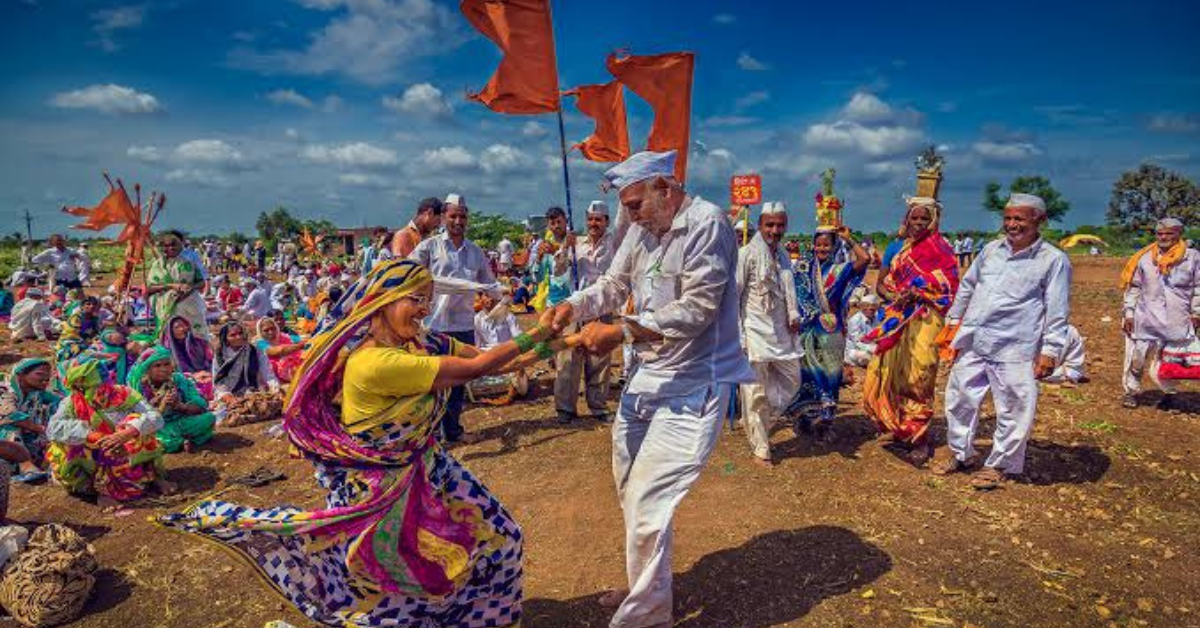
The Palkhi Sohala is a great leveller. Rich and poor, high and low, all walk together, eat together, and share the same devotion. The Palkhi is a symbol of the equality that the saints taught.
The Power of Collective Chanting
The collective chanting of "Vitthal Vitthal" creates a powerful spiritual energy. The sound of a million voices singing together purifies the mind and uplifts the soul.
Surrender and Service
Carrying the Palkhi is an act of surrender. The bearers offer their strength and their service to the saints and to Vitthal. This act of service is considered the highest form of devotion.
Continuity of Tradition
The Palkhi Sohala is a living connection to the past. By participating in it, devotees become part of a tradition that has continued for over 800 years — a tradition that will continue for generations to come.
पालखी सोहळ्याचे आध्यात्मिक महत्त्व
संतांच्या पावलांचे वहन
पालखी संतांच्या पादुका वाहून नेते. ही कृती संतांच्या उपस्थिती आणि शिकवणींची सातत्यता दर्शवते. संतांचे भौतिक शरीर गेले असले तरी, त्यांची आध्यात्मिक उपस्थिती पालखीद्वारे सुरू राहते.
पूजा म्हणून चालणे
पालखी वाहक आणि सोबत असलेल्या भाविकांचे प्रत्येक पाऊल ही पूजेची कृती आहे. चालण्याची शारीरिक कृती ध्यान, प्रार्थना आणि भक्तीचा प्रकार बनते.
एकता आणि समानता
पालखी सोहळा हा एक महान समताकारक आहे. श्रीमंत-गरीब, उच्च-नीच, सर्व एकत्र चालतात, एकत्र खातात आणि समान भक्ती सामायिक करतात. पालखी ही संतांनी शिकवलेल्या समानतेचे प्रतीक आहे.
सामूहिक नामजपाचे सामर्थ्य
"विठ्ठल विठ्ठल" चा सामूहिक नामजप एक शक्तिशाली आध्यात्मिक ऊर्जा निर्माण करतो. कोट्यावधी आवाजांचे एकत्र गाणे मन शुद्ध करते आणि आत्मा उन्नत करते.
शरणागती आणि सेवा
पालखी वाहणे ही शरणागतीची कृती आहे. वाहक आपली शक्ती आणि सेवा संतांना आणि विठ्ठलाला अर्पण करतात. सेवेची ही कृती भक्तीचा सर्वोच्च प्रकार मानली जाते.
परंपरेची सातत्यता
पालखी सोहळा हा भूतकाळाशी एक जिवंत दुवा आहे. त्यात सहभागी होऊन, भाविक ८०० वर्षांहून अधिक काळ सुरू असलेल्या परंपरेचा भाग बनतात — एक परंपरा जी येणाऱ्या पिढ्यांसाठी सुरू राहील.
The Palkhi Sohala of Sant Dnyaneshwar from Alandi is considered the oldest and most important. It is believed that the Palkhi has never been stopped — even during wars, famines, and pandemics — for over 800 years. The tradition continues uninterrupted, a testament to the unwavering devotion of the Warkaris.
आळंदीतील संत ज्ञानेश्वरांची पालखी सोहळा सर्वात जुना आणि महत्त्वाचा मानला जातो. असे मानले जाते की पालखी कधीही थांबली नाही — युद्धे, दुष्काळ आणि महामारी दरम्यानही — ८०० वर्षांहून अधिक काळ. ही परंपरा अखंडितपणे सुरू आहे, वारकऱ्यांच्या अढळ भक्तीचा पुरावा आहे.
Interesting Facts About Palkhi Sohala
पालखी सोहळ्याबद्दल मनोरंजक तथ्ये
Frequently Asked Questions
वारंवार विचारले जाणारे प्रश्न
Palkhi Sohala is the sacred palanquin procession of the Pandharpur Wari, where the paduka (sandals) of the saint-poets are carried from their samadhi to Pandharpur.
पालखी सोहळा ही पंढरपूर वारीची पवित्र पालखी मिरवणूक आहे, ज्यामध्ये संत-कवींच्या पादुका त्यांच्या समाधीवरून पंढरपूरला नेल्या जातात.
The Palkhi tradition was initiated by Sant Dnyaneshwar Maharaj (1275–1296) and his contemporary Sant Namdev, who walked to Pandharpur and inspired others to do the same.
पालखी परंपरा संत ज्ञानेश्वर महाराज (१२७५–१२९६) आणि त्यांचे समकालीन संत नामदेव यांनी सुरू केली, जे पंढरपूरला चालले आणि इतरांनाही असे करण्यास प्रेरित केले.
Haibat Baba organized the Palkhi route, established the Dindi system, ensured the tradition's continuity, and built infrastructure along the route.
हैबत बाबा यांनी पालखी मार्गाचे नियोजन केले, दिंडी प्रणाली स्थापन केली, परंपरेची सातत्यता सुनिश्चित केली आणि मार्गावर पायाभूत सुविधा उभारल्या.
The Palkhi carries the paduka (sacred sandals) of the saint, which are treated with great reverence.
पालखीत संतांच्या पादुका (पवित्र चपला) असतात, ज्यांचा मोठा आदर केला जातो.
The Palkhi Sohala lasts 18–21 days, starting from the saint's samadhi and ending in Pandharpur on Ashadhi Ekadashi.
पालखी सोहळा १८–२१ दिवस चालतो, संतांच्या समाधीपासून सुरू होतो आणि आषाढी एकादशीला पंढरपूरात समाप्त होतो.
Over 20 Palkhis from different saints travel to Pandharpur, with the most important being those of Sant Dnyaneshwar and Sant Tukaram.
२० हून अधिक पालख्या विविध संतांच्या पंढरपूरला जातात, ज्यात संत ज्ञानेश्वर आणि संत तुकाराम यांच्या पालख्या सर्वात महत्त्वाच्या आहेत.
Carrying the Palkhi on shoulders is an act of devotion and service. It symbolizes the bearer's offering of strength and humility to the saints and to God.
पालखी खांद्यावर वाहून नेणे ही भक्ती आणि सेवेची कृती आहे. हे वाहकाची शक्ती आणि नम्रता संतांना आणि ईश्वराला अर्पण करण्याचे प्रतीक आहे.
The Palkhi Sohala symbolizes the continuation of the saints' teachings, the power of collective devotion, equality, surrender, and the unity of the Warkari community.
पालखी सोहळा संतांच्या शिकवणींची सातत्यता, सामूहिक भक्तीचे सामर्थ्य, समानता, शरणागती आणि वारकरी समुदायाची एकता दर्शवतो.
Conclusion
The Palkhi Sohala is the heart of the Pandharpur Wari — a sacred procession that has continued for over 800 years, carrying the footsteps of the saints to the temple of Lord Vitthal.
It is a moving temple, a community on foot, and a testament to the enduring power of devotion. From the visionary contributions of Sant Dnyaneshwar and Sant Tukaram to the organizational genius of Haibat Baba Arphalkar, the Palkhi Sohala has been shaped by generations of faith and dedication.
Walking with the Palkhi, one experiences the profound unity of the Warkari tradition — a unity that transcends caste, class, and creed. It is a reminder that the spiritual path is not meant to be walked alone, but in the company of saints and fellow devotees.
As the Palkhi moves through the villages of Maharashtra, it carries with it the prayers, hopes, and devotion of millions. It is not just a procession — it is a sacred journey, a living tradition, and the soul of the Pandharpur Wari.
समारोप
पालखी सोहळा हा पंढरपूर वारीचा केंद्रबिंदू आहे — ८०० वर्षांहून अधिक काळ सुरू असलेली एक पवित्र मिरवणूक, जी संतांच्या पावलांना श्री विठ्ठलाच्या मंदिरापर्यंत पोहोचवते.
ही एक गतिमान मंदिर आहे, पायी समुदाय आहे आणि भक्तीच्या स्थायी सामर्थ्याचा पुरावा आहे. संत ज्ञानेश्वर आणि संत तुकारामांच्या दूरदृष्टीपासून ते हैबत बाबा अर्फळकरांच्या संघटनात्मक कौशल्यापर्यंत, पालखी सोहळा श्रद्धा आणि समर्पणाच्या पिढ्यांनी घडवला आहे.
पालखीसोबत चालताना, एखाद्याला वारकरी परंपरेची गहन एकता अनुभवता येते — एक अशी एकता जी जात, वर्ग आणि पंथाच्या पलीकडे जाते. ही एक आठवण आहे की आध्यात्मिक मार्ग एकट्याने चालण्यासाठी नाही, तर संत आणि सहभक्तांच्या सहवासात.
पालखी महाराष्ट्राच्या गावोगावीतून जात असताना, ती लाखो लोकांच्या प्रार्थना, आशा आणि भक्तीला घेऊन जाते. ही केवळ एक मिरवणूक नाही — हा एक पवित्र प्रवास आहे, एक जिवंत परंपरा आहे आणि पंढरपूर वारीचा आत्मा आहे.
Walk with the Saintsसंतांसोबत चाला
Want to experience the Palkhi Sohala for yourself? Plan your visit to the Pandharpur Wari and walk with the sacred procession of the saints.
तुम्हाला स्वतः पालखी सोहळा अनुभवायचा आहे? पंढरपूर वारीला भेट देण्याची योजना करा आणि संतांच्या पवित्र मिरवणुकीसोबत चाला.
Explore Pandharpur Wari पंढरपूर वारी पाहा