Introduction
There is a way of life that has inspired millions for over 800 years — a life of devotion, equality, simplicity, and service. It is a life that finds the Divine not in temples alone, but in every chant, every step, and every act of kindness. This is the Warkari lifestyle.
The Warkari tradition is not just a religious practice — it is a complete way of living. It shapes how one wakes up, what one eats, how one dresses, and how one interacts with the world. It is a lifestyle that has been passed down through generations of saints, poets, and devotees.
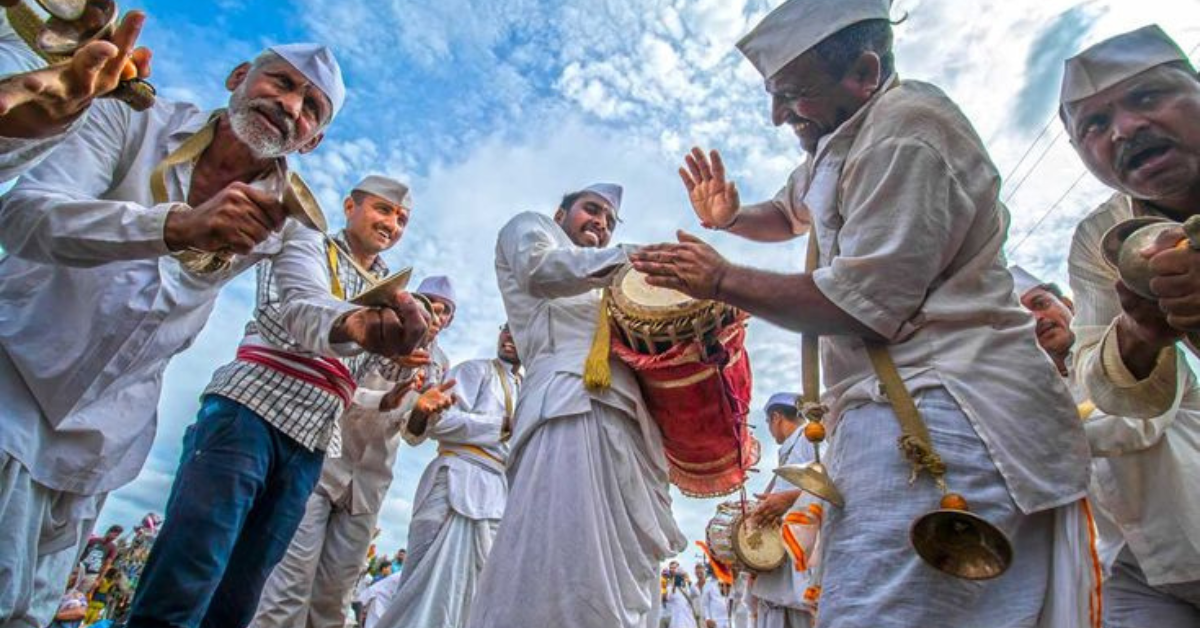
From the sacred Tulsi Mala worn around the neck to the Bhagwa Dhwaj that flutters in the wind, every aspect of the Warkari life has meaning. From the simple Abhang sung at dawn to the community Kirtan at dusk, every practice is an act of devotion.
This guide explores the Warkari lifestyle in depth — its philosophy, daily practices, symbols, music, dress, food, and the timeless values that continue to inspire millions across the world.
प्रस्तावना
एक जीवनशैली आहे जी ८०० वर्षांहून अधिक काळ लाखो लोकांना प्रेरणा देत आहे — भक्ती, समानता, साधेपणा आणि सेवेचे जीवन. ही एक जीवनशैली आहे जी दैवीपणा केवळ मंदिरांमध्ये नव्हे, तर प्रत्येक जपात, प्रत्येक पावलात आणि दयेच्या प्रत्येक कृतीत शोधते. ही आहे वारकरी जीवनशैली.
वारकरी परंपरा ही केवळ एक धार्मिक प्रथा नाही — ती एक संपूर्ण जीवनपद्धती आहे. ती एखादा कसा उठतो, काय खातो, कसा वेशभूषा करतो आणि जगाशी कसा संवाद साधतो हे घडवते. ही एक जीवनशैली आहे जी संत, कवी आणि भाविकांच्या पिढ्यांद्वारे पुढे सोपवली गेली आहे.
गळ्यात घातलेल्या पवित्र तुळशी माळेपासून ते वाऱ्यात फडकणाऱ्या भगव्या ध्वजापर्यंत, वारकरी जीवनाचा प्रत्येक पैलू अर्थपूर्ण आहे. पहाटे गायलेल्या साध्या अभंगापासून ते संध्याकाळच्या सामुदायिक कीर्तनापर्यंत, प्रत्येक प्रथा ही भक्तीची कृती आहे.
हा मार्गदर्शक वारकरी जीवनशैलीचा सखोल शोध घेतो — तिचे तत्त्वज्ञान, दैनंदिन आचार, प्रतीके, संगीत, वेशभूषा, अन्न आणि जगभरातील लाखो लोकांना प्रेरणा देणारी कालातीत मूल्ये.
Who are Warkaris?
A Warkari is a devotee of Lord Vitthal who follows the teachings of the Bhakti saints of Maharashtra and undertakes the annual pilgrimage (Wari) to Pandharpur on Ashadhi Ekadashi.
But being a Warkari is not just about the pilgrimage. It is a way of life. A Warkari is defined by:
- Devotion — Unwavering love for Lord Vitthal.
- Namasmaran — Constant chanting of God's name.
- Equality — Rejection of caste and social discrimination.
- Simplicity — Living a life free from material excess.
- Service — Serving others as a form of worship.
- Humility — Acknowledging that all are equal in the eyes of God.
The Warkari tradition is open to everyone, regardless of caste, creed, gender, or social status. What matters is not birth but devotion.
वारकरी कोण आहेत?
वारकरी हा श्री विठ्ठलाचा भक्त आहे जो महाराष्ट्राच्या भक्ती संतांच्या शिकवणींचे अनुसरण करतो आणि आषाढी एकादशीला पंढरपूरची वार्षिक तीर्थयात्रा (वारी) करतो.
परंतु वारकरी होणे हे केवळ तीर्थयात्रेबद्दल नाही. ही एक जीवनशैली आहे. वारकरी या गोष्टींनी ओळखला जातो:
- भक्ती — श्री विठ्ठलावर अढळ प्रेम.
- नामस्मरण — ईश्वराच्या नावाचा सतत जप.
- समानता — जात आणि सामाजिक भेदभाव नाकारणे.
- साधेपणा — भौतिक आधिक्यापासून मुक्त जीवन.
- सेवा — इतरांची सेवा ही पूजा मानणे.
- नम्रता — ईश्वराच्या दृष्टीने सर्व समान आहेत हे मान्य करणे.
वारकरी परंपरा जात, पंथ, लिंग किंवा सामाजिक स्थितीचा भेद न करता सर्वांसाठी खुली आहे. महत्त्वाची आहे जन्म नव्हे तर भक्ती.
Core Philosophy of the Warkari Lifestyle
Bhakti — The Supreme Path
At the heart of the Warkari lifestyle is Bhakti — intense, personal devotion to Lord Vitthal. It is not a dry intellectual exercise but a love that transforms the heart.
Equality — The Great Leveller
The Warkari tradition rejects caste discrimination. Everyone walks together, eats together, and chants together. In the eyes of Vitthal, all are equal.
Humility — The Mark of True Devotion
Pride has no place in the Warkari lifestyle. The saints taught that true devotion is marked by humility and a recognition of one's own limitations.
Discipline — The Foundation of Spiritual Life
The Warkari lifestyle requires discipline — waking early, chanting regularly, and following a code of conduct. This discipline purifies the mind and strengthens devotion.
Service — Worship in Action
Service to others is considered worship. During the Wari, volunteers cook, clean, and care for fellow pilgrims. This Seva is an expression of devotion.
Compassion — Caring for All Beings
The Warkari lifestyle emphasizes compassion for all living beings. This is reflected in the vegetarian diet and the kindness shown to others.
वारकरी जीवनशैलीचे मूलभूत तत्त्वज्ञान
भक्ती — सर्वोच्च मार्ग
वारकरी जीवनशैलीच्या केंद्रस्थानी भक्ती आहे — श्री विठ्ठलावर तीव्र, वैयक्तिक प्रेम. ही कोरडी बौद्धिक कसरत नाही तर हृदय बदलणारे प्रेम आहे.
समानता — महान समताकारक
वारकरी परंपरा जातीय भेदभाव नाकारते. सर्व एकत्र चालतात, एकत्र खातात आणि एकत्र नामजप करतात. विठ्ठलाच्या दृष्टीने सर्व समान आहेत.
नम्रता — खरी भक्तीचे लक्षण
वारकरी जीवनशैलीत अहंकाराला स्थान नाही. संतांनी शिकवले की खरी भक्ती नम्रता आणि स्वतःच्या मर्यादांच्या ओळखीने ओळखली जाते.
शिस्त — आध्यात्मिक जीवनाचा पाया
वारकरी जीवनशैलीत शिस्त आवश्यक आहे — लवकर उठणे, नियमित नामजप करणे आणि आचारसंहिता पाळणे. ही शिस्त मन शुद्ध करते आणि भक्ती दृढ करते.
सेवा — कृतीत पूजा
इतरांची सेवा ही पूजा मानली जाते. वारीत, स्वयंसेवक स्वयंपाक, साफसफाई आणि सहप्रवाशांची काळजी घेतात. ही सेवा भक्तीची अभिव्यक्ती आहे.
करुणा — सर्व प्राण्यांची काळजी
वारकरी जीवनशैली सर्व सजीवांबद्दल करुणेवर भर देते. हे शाकाहारी आहार आणि इतरांना दाखवलेल्या दयाळूपणातून दिसून येते.
Daily Lifestyle of a Warkari
Morning Routine
A Warkari's day begins early — often before sunrise. After bathing, they recite the Abhangas of the saints and perform Namasmaran. The day starts with purity and devotion.
Prayer
Prayer is woven into the fabric of the day. The Haripath — a collection of devotional hymns — is recited. The Abhangas of Dnyaneshwar, Tukaram, and other saints are sung.
Haripath
The Haripath is a collection of devotional hymns that Warkaris recite daily. It is a simple yet profound practice that keeps the mind focused on God.
Temple Visit
Wherever possible, Warkaris visit a temple dedicated to Vitthal or Vishnu. This is often the highlight of their day.
Simple Living
Warkaris live simply. They avoid ostentation and material excess. Their homes are modest, and their lives are focused on spiritual growth rather than worldly accumulation.
Food Habits
The Warkari diet is strictly vegetarian and satvik — simple, pure, and nourishing. Food is seen as a gift from God and is eaten with gratitude.
| 4:30 AM | Wake up, bath, and morning prayers |
| 5:30 AM | Recitation of Haripath and Abhangas |
| 6:00 AM | Start daily work while chanting Namasmaran |
| 12:00 PM | Midday prayers and simple meal |
| 6:00 PM | Evening prayers and Bhajan |
| 9:00 PM | Night prayers and rest |
वारकऱ्याचे दैनंदिन जीवन
सकाळची दिनचर्या
वारकऱ्याचा दिवस लवकर सुरू होतो — बहुतेकदा सूर्योदयापूर्वी. स्नानानंतर, ते संतांचे अभंग म्हणतात आणि नामस्मरण करतात. दिवस शुद्धता आणि भक्तीने सुरू होतो.
प्रार्थना
प्रार्थना ही दिवसाच्या फॅब्रिकमध्ये विणलेली असते. हरिपाठ — भक्तिगीतांचा संग्रह — म्हटला जातो. ज्ञानेश्वर, तुकाराम आणि इतर संतांचे अभंग गायले जातात.
हरिपाठ
हरिपाठ ही भक्तिगीतांची एक संग्रह आहे जी वारकरी दररोज म्हणतात. ही एक साधी पण गहन प्रथा आहे जी मन ईश्वरावर केंद्रित ठेवते.
मंदिर भेट
शक्य असेल तिथे, वारकरी विठ्ठल किंवा विष्णूला समर्पित मंदिराला भेट देतात. हा अनेकदा त्यांच्या दिवसाचा मुख्य भाग असतो.
साधे जीवन
वारकरी साधेपणाने जगतात. ते दिखाऊपणा आणि भौतिक आधिक्य टाळतात. त्यांची घरे नम्र असतात, आणि त्यांचे जीवन भौतिक संचयापेक्षा आध्यात्मिक प्रगतीवर केंद्रित असते.
आहार पद्धती
वारकरी आहार कठोरपणे शाकाहारी आणि सात्विक आहे — साधा, शुद्ध आणि पौष्टिक. अन्न ही ईश्वराची देणगी मानली जाते आणि कृतज्ञतेने खाल्ले जाते.
| ४:३० | उठणे, स्नान आणि सकाळची प्रार्थना |
| ५:३० | हरिपाठ आणि अभंगांचे पठण |
| ६:०० | नामस्मरण करत दैनंदिन काम सुरू |
| १२:०० | दुपारची प्रार्थना आणि साधे जेवण |
| ६:०० | संध्याकाळची प्रार्थना आणि भजन |
| ९:०० | रात्रीची प्रार्थना आणि विश्रांती |
Tulsi Mala — The Sacred Necklace
History
The Tulsi Mala (necklace made of basil wood) has been a part of the Warkari tradition for centuries. It is worn by devotees as a symbol of their devotion to Lord Vitthal.
Importance
Tulsi is considered sacred in the Vaishnava tradition. The Tulsi Mala is worn around the neck, close to the heart, as a constant reminder of God. It purifies the body and mind.
Symbolism
- Purity — Tulsi is a sacred plant that symbolizes purity.
- Devotion — Wearing the mala is a sign of devotion to Vitthal.
- Protection — It is believed to protect the devotee from negative influences.
- Humility — The simple wooden beads remind the wearer of simplicity.
Every Warkari wears a Tulsi Mala. It is one of the most visible symbols of the tradition.
तुळशी माळा — पवित्र माळा
इतिहास
तुळशी माळा (तुळशीच्या लाकडाची बनलेली माळ) शतकानुशतके वारकरी परंपरेचा भाग आहे. ती भाविक श्री विठ्ठलावरील भक्तीचे प्रतीक म्हणून घालतात.
महत्त्व
तुळस वैष्णव परंपरेत पवित्र मानली जाते. तुळशी माळा गळ्यात, हृदयाजवळ घातली जाते, जी ईश्वराची सतत आठवण करून देते. ती शरीर आणि मन शुद्ध करते.
प्रतीकात्मकता
- शुद्धता — तुळस ही एक पवित्र वनस्पती आहे जी शुद्धता दर्शवते.
- भक्ती — माळा घालणे हे विठ्ठलाच्या भक्तीचे लक्षण आहे.
- संरक्षण — असे मानले जाते की ती भक्ताला नकारात्मक प्रभावांपासून संरक्षण देते.
- नम्रता — साध्या लाकडी मणी घालणाऱ्याला साधेपणाची आठवण करून देतात.
प्रत्येक वारकरी तुळशी माळा घालतो. ही परंपरेतील सर्वात दृश्यमान प्रतीकांपैकी एक आहे.
Bhagwa Dhwaj — The Saffron Flag
Meaning
The Bhagwa Dhwaj (saffron flag) is the most visible symbol of the Warkari tradition. It is carried by every Dindi during the Wari and is a symbol of devotion, sacrifice, and unity.
History
The saffron flag has been associated with the Warkari tradition for centuries. It is believed to have been carried by the saints themselves during their pilgrimages to Pandharpur.
Importance
- Devotion — The flag is a symbol of the devotee's love for Vitthal.
- Sacrifice — Saffron is the colour of sacrifice and renunciation.
- Unity — The flag brings the Dindi together as a community.
- Identity — It identifies the Warkaris as a distinct spiritual community.
The Bhagwa Dhwaj is a source of pride and inspiration for every Warkari.
भगवा ध्वज — भगवा ध्वज
अर्थ
भगवा ध्वज हे वारकरी परंपरेतील सर्वात दृश्यमान प्रतीक आहे. हा प्रत्येक दिंडीने वारीत वाहून नेला जातो आणि तो भक्ती, त्याग आणि एकतेचे प्रतीक आहे.
इतिहास
भगवा ध्वज शतकानुशतके वारकरी परंपरेशी संबंधित आहे. असे मानले जाते की संत स्वतः त्यांच्या पंढरपूरच्या तीर्थयात्रांदरम्यान तो वाहून नेत असत.
महत्त्व
- भक्ती — ध्वज हे भक्ताच्या विठ्ठलावरील प्रेमाचे प्रतीक आहे.
- त्याग — भगवा हा त्याग आणि संन्यासाचा रंग आहे.
- एकता — ध्वज दिंडीला समुदाय म्हणून एकत्र आणतो.
- ओळख — तो वारकऱ्यांना एक वेगळा आध्यात्मिक समुदाय म्हणून ओळखतो.
भगवा ध्वज हा प्रत्येक वारकऱ्यासाठी अभिमान आणि प्रेरणेचा स्रोत आहे.
Tal & Mridang — The Rhythm of Devotion
Role in Bhajan
The Tal (cymbals) and Mridang (a double-sided drum) are the heartbeat of Warkari music. They provide the rhythm that accompanies the singing of Abhangas and Bhajans.
Role in the Wari
During the Wari, the sound of tal and mridang fills the air. It keeps the devotees in rhythm as they walk for hours, creating a collective energy that is both joyful and devotional.
Importance
- Unity — The rhythm brings the community together.
- Energy — The music energizes the devotees.
- Devotion — The sound elevates the soul and connects it to the Divine.
Without tal and mridang, the Wari would lose its heartbeat.
ताल आणि मृदंग — भक्तीची ताल
भजनातील भूमिका
ताल (झांज) आणि मृदंग (दुतर्फा ड्रम) ही वारकरी संगीताची धडकन आहेत. ते अभंग आणि भजनांच्या गायनासोबत ताल देतात.
वारीतील भूमिका
वारीत, ताल आणि मृदंगाचा आवाज हवेत भरतो. तो भाविकांना तासन्तास चालताना लयीत ठेवतो, एक सामूहिक ऊर्जा निर्माण करतो जी आनंददायी आणि भक्तिमय दोन्ही आहे.
महत्त्व
- एकता — ताल समुदायाला एकत्र आणतो.
- ऊर्जा — संगीत भाविकांना उत्साहित करते.
- भक्ती — नाद आत्मा उन्नत करतो आणि दैवीशी जोडतो.
ताल आणि मृदंगाशिवाय, वारी आपली धडकन गमावेल.
Abhang — The Song of the Saints
History
The Abhang is a devotional song in the Marathi language, typically sung in praise of Lord Vitthal. The tradition of composing Abhangas began with Sant Dnyaneshwar in the 13th century and reached its peak with Sant Tukaram in the 17th century.
Importance
Abhangas are the heart of Warkari devotion. They are sung in temples, during the Wari, and in daily life. They express the devotee's love for God, their struggles, and their triumphs.
Saints
The most important composers of Abhangas are:
- Sant Dnyaneshwar — 13th century
- Sant Namdev — 13th–14th century
- Sant Eknath — 16th century
- Sant Tukaram — 17th century (over 4,600 Abhangas)
- Sant Chokhamela — 14th century
- Sant Janabai — 13th–14th century
These Abhangas are recited daily and are considered sacred.
अभंग — संतांचे गीत
इतिहास
अभंग हे मराठी भाषेतील एक भक्तिगीत आहे, जे सामान्यतः श्री विठ्ठलाच्या स्तुतीत गायले जाते. अभंग रचनेची परंपरा १३व्या शतकात संत ज्ञानेश्वरांपासून सुरू झाली आणि १७व्या शतकात संत तुकारामांसह शिखरावर पोहोचली.
महत्त्व
अभंग हे वारकरी भक्तीचे हृदय आहेत. ते मंदिरांत, वारीत आणि दैनंदिन जीवनात गायले जातात. ते भक्ताचे ईश्वरावरील प्रेम, त्यांचे संघर्ष आणि विजय व्यक्त करतात.
संत
अभंगांचे सर्वात महत्त्वाचे रचनाकार आहेत:
- संत ज्ञानेश्वर — १३वे शतक
- संत नामदेव — १३वी–१४वी शतके
- संत एकनाथ — १६वे शतक
- संत तुकाराम — १७वे शतक (४,६००+ अभंग)
- संत चोखामेळा — १४वे शतक
- संत जनाबाई — १३वी–१४वी शतके
हे अभंग दररोज म्हटले जातात आणि ते पवित्र मानले जातात.
Bhajan — The Devotional Song
Importance
Bhajan is the singing of devotional songs, often accompanied by musical instruments. It is a central practice in the Warkari lifestyle, bringing the community together in devotion.
Style
Warkari Bhajans are simple, melodic, and repetitive. They are easy to learn and sing, making them accessible to everyone. The lyrics are often from the Abhangas of the saints.
Tradition
Bhajans are sung in temples, homes, and during the Wari. They are led by a singer and accompanied by a chorus of devotees. The atmosphere is joyful and uplifting.
भजन — भक्तिगीत
महत्त्व
भजन हे भक्तिगीते गाणे आहे, जे अनेकदा वाद्यांसह असते. ही वारकरी जीवनशैलीतील एक केंद्रीय प्रथा आहे, जी समुदायाला भक्तीत एकत्र आणते.
शैली
वारकरी भजने सोपी, मधुर आणि पुनरावृत्तीमय आहेत. ती शिकण्यास आणि गाण्यास सोपी आहेत, ज्यामुळे ती सर्वांसाठी सुलभ आहेत. गीते अनेकदा संतांच्या अभंगांतील असतात.
परंपरा
भजने मंदिरांत, घरांत आणि वारीत गायली जातात. ती एका गायकाने नेतृत्व केली जातात आणि भाविकांच्या समूहाने साथ दिली जाते. वातावरण आनंददायी आणि उत्थानकारक असते.
Kirtan — The Narrative Devotional Song
History
Kirtan is a form of narrative devotional singing that tells the stories of saints, gods, and the path of devotion. It has been an important part of the Warkari tradition for centuries.
Importance
- Education — Kirtan teaches the stories and teachings of the saints.
- Devotion — It deepens the devotee's connection to God.
- Community — It brings people together in collective worship.
Kirtan is a powerful tool for spreading the message of the Warkari tradition.
कीर्तन — वर्णनात्मक भक्तिगीत
इतिहास
कीर्तन हे वर्णनात्मक भक्तिगायनाचे एक रूप आहे जे संत, देवता आणि भक्तीच्या मार्गाच्या कथा सांगते. ते शतकानुशतके वारकरी परंपरेचा एक महत्त्वाचा भाग आहे.
महत्त्व
- शिक्षण — कीर्तन संतांच्या कथा आणि शिकवणी शिकवते.
- भक्ती — ते भक्ताचे ईश्वराशी संबंध दृढ करते.
- समुदाय — ते लोकांना सामूहिक पूजेत एकत्र आणते.
कीर्तन हे वारकरी परंपरेचा संदेश पसरवण्याचे एक शक्तिशाली साधन आहे.
Traditional Dress of the Warkaris
Men
- White Dhoti — Simple white cloth worn around the waist.
- Kurta or Shirt — Usually white or light-coloured.
- Tulsi Mala — Sacred necklace worn around the neck.
- Saffron Flag — Carried during the Wari.
- Chandrakor Tilak — Mark on the forehead.
Women
- Saree — Simple, modest saree, often in white or light colours.
- Tulsi Mala — Worn around the neck.
- Bindhi — A simple mark on the forehead.
Children
- Children wear similar simple clothing, often in white or light colours.
- They also wear the Tulsi Mala as a symbol of devotion.
Symbolism
- White — Represents purity, simplicity, and equality.
- Saffron — Represents sacrifice, renunciation, and devotion.
- Tulsi — Represents devotion to Vitthal.
The dress of the Warkaris is simple and humble, reflecting their spiritual values.
वारकऱ्यांची पारंपारिक वेशभूषा
पुरुष
- पांढरी धोती — कंबरेभोवती नेसलेला साधा पांढरा कापड.
- कुर्ता किंवा शर्ट — सहसा पांढरा किंवा हलक्या रंगाचा.
- तुळशी माळा — गळ्यात घातलेली पवित्र माळा.
- भगवा ध्वज — वारीत वाहून नेला जातो.
- चंद्रकोर टिळा — कपाळावर लावलेला टिळा.
स्त्रिया
- साडी — साधी, सभ्य साडी, अनेकदा पांढरी किंवा हलक्या रंगाची.
- तुळशी माळा — गळ्यात घातली जाते.
- बिंदी — कपाळावर एक साधा टिळा.
मुले
- मुले समान साधे कपडे घालतात, अनेकदा पांढरे किंवा हलक्या रंगाचे.
- ते भक्तीचे प्रतीक म्हणून तुळशी माळा देखील घालतात.
प्रतीकात्मकता
- पांढरा — शुद्धता, साधेपणा आणि समानता दर्शवतो.
- भगवा — त्याग, संन्यास आणि भक्ती दर्शवतो.
- तुळस — विठ्ठलाची भक्ती दर्शवते.
वारकऱ्यांची वेशभूषा साधी आणि नम्र आहे, जी त्यांची आध्यात्मिक मूल्ये प्रतिबिंबित करते.
Code of Conduct of the Warkaris
| Truth (Satya) | Speaking the truth and living with integrity is essential. |
| Discipline (Shishta) | Following the rules of the tradition with dedication. |
| Humility (Nimrata) | Acknowledging one's limitations and avoiding pride. |
| Respect (Adar) | Respecting all beings, regardless of caste or status. |
| Service (Seva) | Serving others as a form of worship. |
| Equality (Samata) | Treating all people as equal in the eyes of God. |
| Vegetarianism | Abstaining from meat, fish, and eggs. |
| No Alcohol | Abstaining from alcohol and intoxicants. |
These principles are not imposed but are followed voluntarily by every Warkari as an expression of their devotion.
वारकऱ्यांची आचारसंहिता
| सत्य | सत्य बोलणे आणि अखंडतेने जगणे आवश्यक आहे. |
| शिस्त | परंपरेच्या नियमांचे समर्पणाने पालन करणे. |
| नम्रता | स्वतःच्या मर्यादा मान्य करणे आणि अहंकार टाळणे. |
| आदर | जात किंवा स्थितीचा भेद न करता सर्व प्राण्यांचा आदर करणे. |
| सेवा | इतरांची सेवा ही पूजा मानणे. |
| समानता | ईश्वराच्या दृष्टीने सर्व लोकांना समान वागणूक देणे. |
| शाकाहार | मांस, मासे आणि अंडी टाळणे. |
| दारू निषेध | दारू आणि मादक पदार्थ टाळणे. |
ही तत्त्वे लादलेली नाहीत तर प्रत्येक वारकरी आपल्या भक्तीची अभिव्यक्ती म्हणून स्वेच्छेने पाळतो.
Food Habits of the Warkaris
Satvik Food
Warkaris follow a satvik diet — simple, pure, and nourishing food that promotes mental clarity and spiritual growth. The diet includes:
- Rice, millet, and wheat
- Lentils and beans
- Fresh vegetables and fruits
- Milk and dairy products
- Ghee and simple spices
Fasting
Fasting is an important practice in the Warkari lifestyle. It is believed to purify the body and mind. Many Warkaris observe a fast on Ekadashi days.
Ekadashi
Ekadashi, the 11th day of the lunar fortnight, is considered sacred. Warkaris observe a strict fast on this day, abstaining from grains and certain foods.
| Breakfast | Simple food like bhakri (millet bread), fresh vegetables |
| Lunch | Rice, dal, vegetables, and buttermilk |
| Dinner | Light meal like khichdi or bhakri with dal |
| Ekadashi | Fasting with fruits, milk, and water only |
वारकऱ्यांची आहार पद्धती
सात्विक अन्न
वारकरी सात्विक आहार घेतात — साधे, शुद्ध आणि पौष्टिक अन्न जे मानसिक स्पष्टता आणि आध्यात्मिक प्रगतीला प्रोत्साहन देते. आहारात हे समाविष्ट आहे:
- भात, बाजरी आणि गहू
- डाळी आणि कडधान्ये
- ताज्या भाज्या आणि फळे
- दूध आणि दुग्धजन्य पदार्थ
- तूप आणि साधे मसाले
उपवास
उपवास ही वारकरी जीवनशैलीतील एक महत्त्वाची प्रथा आहे. असे मानले जाते की ते शरीर आणि मन शुद्ध करते. अनेक वारकरी एकादशीच्या दिवशी उपवास करतात.
एकादशी
एकादशी, चंद्र पक्षाची ११वी तिथी, पवित्र मानली जाते. वारकरी या दिवशी कठोर उपवास करतात, अन्नधान्य आणि काही पदार्थ टाळतात.
| नाश्ता | भाकरी, ताज्या भाज्या |
| दुपारचे जेवण | भात, डाळ, भाजी आणि ताक |
| रात्रीचे जेवण | खिचडी किंवा भाकरी डाळीसह |
| एकादशी | फळे, दूध आणि पाण्याने उपवास |
Role in the Wari
The Warkari lifestyle reaches its fullest expression during the Pandharpur Wari. This is where the daily practices, symbols, and values come together in a moving pilgrimage.
- Walking — Every step is an act of devotion.
- Singing — Abhangas and Bhajans are sung continuously.
- Chanting — The name of Vitthal is on every lip.
- Serving — Volunteers serve food and water to all.
- Wearing — The traditional dress and Tulsi Mala are worn.
- Carrying — The saffron flag is carried high.
The Wari is the culmination of the Warkari lifestyle — a living testament to the power of faith, equality, and devotion.
वारीत भूमिका
वारकरी जीवनशैली पंढरपूर वारीत पूर्णपणे अभिव्यक्त होते. येथेच दैनंदिन आचार, प्रतीके आणि मूल्ये एका गतिमान तीर्थयात्रेत एकत्र येतात.
- चालणे — प्रत्येक पाऊल ही भक्तीची कृती आहे.
- गाणे — अभंग आणि भजने सतत गायली जातात.
- नामजप — प्रत्येकाच्या ओठांवर विठ्ठलाचे नाव आहे.
- सेवा — स्वयंसेवक सर्वांना अन्न आणि पाणी देतात.
- वेशभूषा — पारंपारिक वेशभूषा आणि तुळशी माळा घातली जाते.
- वाहन — भगवा ध्वज उंच वाहून नेला जातो.
वारी ही वारकरी जीवनशैलीचा समारोप आहे — श्रद्धा, समानता आणि भक्तीच्या सामर्थ्याचा एक जिवंत पुरावा.
Lessons from the Warkari Lifestyle for Modern Life
The Warkari lifestyle offers powerful lessons for anyone seeking a more meaningful, balanced, and peaceful life:
- Simplicity — In a world of excess, the Warkari lifestyle teaches the value of simplicity.
- Equality — It reminds us that all people are equal, regardless of caste, class, or status.
- Community — The Wari shows the power of community and collective devotion.
- Discipline — Daily practices create discipline and focus.
- Service — Serving others brings joy and fulfilment.
- Devotion — A life of devotion brings peace and purpose.
आधुनिक जीवनासाठी वारकरी जीवनशैलीतील शिकवणी
वारकरी जीवनशैली अधिक अर्थपूर्ण, संतुलित आणि शांत जीवन शोधणाऱ्या प्रत्येकासाठी शक्तिशाली शिकवणी देते:
- साधेपणा — आधिक्याच्या जगात, वारकरी जीवनशैली साधेपणाचे मूल्य शिकवते.
- समानता — ती आपल्याला आठवण करून देते की सर्व लोक समान आहेत, जात, वर्ग किंवा स्थितीचा भेद न करता.
- समुदाय — वारी समुदाय आणि सामूहिक भक्तीचे सामर्थ्य दाखवते.
- शिस्त — दैनंदिन आचार शिस्त आणि एकाग्रता निर्माण करतात.
- सेवा — इतरांची सेवा केल्याने आनंद आणि परिपूर्ती मिळते.
- भक्ती — भक्तीचे जीवन शांती आणि उद्देश आणते.
Interesting Facts About the Warkari Lifestyle
वारकरी जीवनशैलीबद्दल मनोरंजक तथ्ये
Did You Know?
तुम्हाला माहित आहे का?
Frequently Asked Questions
वारंवार विचारले जाणारे प्रश्न
The Warkari lifestyle is a way of life centred on devotion to Lord Vitthal, characterized by equality, simplicity, service, and daily practices like Namasmaran and chanting Abhangas.
वारकरी जीवनशैली ही श्री विठ्ठलाच्या भक्तीभोवती केंद्रित जीवनपद्धती आहे, जी समानता, साधेपणा, सेवा आणि नामस्मरण आणि अभंग गायन यासारख्या दैनंदिन आचारांनी ओळखली जाते.
Warkaris are devotees of Lord Vitthal who follow the teachings of the Bhakti saints of Maharashtra and undertake the annual pilgrimage to Pandharpur.
वारकरी हे श्री विठ्ठलाचे भक्त आहेत जे महाराष्ट्राच्या भक्ती संतांच्या शिकवणींचे अनुसरण करतात आणि पंढरपूरची वार्षिक तीर्थयात्रा करतात.
The Tulsi Mala is a sacred necklace worn by Warkaris as a symbol of devotion to Lord Vitthal. It represents purity, devotion, and humility.
तुळशी माळा ही वारकऱ्यांनी श्री विठ्ठलाच्या भक्तीचे प्रतीक म्हणून घातलेली पवित्र माळा आहे. ती शुद्धता, भक्ती आणि नम्रता दर्शवते.
The Bhagwa Dhwaj is the saffron flag carried by Warkaris during the Wari. It symbolizes devotion, sacrifice, and unity.
भगवा ध्वज हा वारकरी वारीत वाहून नेतात तो भगवा ध्वज आहे. तो भक्ती, त्याग आणि एकता दर्शवतो.
An Abhang is a devotional song in the Marathi language, typically sung in praise of Lord Vitthal. They were composed by saints like Dnyaneshwar and Tukaram.
अभंग हे मराठी भाषेतील एक भक्तिगीत आहे, जे सामान्यतः श्री विठ्ठलाच्या स्तुतीत गायले जाते. ते ज्ञानेश्वर आणि तुकाराम यांसारख्या संतांनी रचले होते.
The Wari is the annual pilgrimage to Pandharpur, where millions of Warkaris walk on foot carrying the Palkhis of the saints.
वारी ही पंढरपूरची वार्षिक तीर्थयात्रा आहे, जिथे लाखो वारकरी संतांच्या पालख्या घेऊन पायी चालतात.
Namasmaran is the practice of chanting God's name, which is central to the Warkari lifestyle. It purifies the mind and connects the devotee to the Divine.
नामस्मरण म्हणजे ईश्वराच्या नावाचा जप करण्याची प्रथा, जी वारकरी जीवनशैलीत केंद्रस्थानी आहे. ती मन शुद्ध करते आणि भक्ताला दैवीशी जोडते.
Warkaris wear simple, modest clothing — usually white dhotis and kurtas for men, and simple sarees for women. They also wear a Tulsi Mala.
वारकरी साधे, सभ्य कपडे घालतात — पुरुषांसाठी सहसा पांढरी धोती आणि कुर्ता, आणि महिलांसाठी साधी साडी. ते तुळशी माळा देखील घालतात.
Satvik food is simple, pure, and nourishing vegetarian food that promotes mental clarity and spiritual growth. It includes rice, lentils, vegetables, and dairy.
सात्विक अन्न हे साधे, शुद्ध आणि पौष्टिक शाकाहारी अन्न आहे जे मानसिक स्पष्टता आणि आध्यात्मिक प्रगतीला प्रोत्साहन देते. त्यात भात, डाळ, भाज्या आणि दुग्धजन्य पदार्थांचा समावेश आहे.
Yes, many Warkaris observe a fast on Ekadashi days. Fasting is seen as a way to purify the body and mind.
होय, अनेक वारकरी एकादशीच्या दिवशी उपवास करतात. उपवास हा शरीर आणि मन शुद्ध करण्याचा मार्ग मानला जातो.
Music is central to the Warkari lifestyle. Abhangas, Bhajans, and Kirtans are sung daily, and instruments like Tal and Mridang accompany the singing.
संगीत वारकरी जीवनशैलीत केंद्रस्थानी आहे. अभंग, भजन आणि कीर्तने दररोज गायली जातात, आणि ताल आणि मृदंग यांसारखी वाद्ये गायनासोबत असतात.
A Dindi is a group of Warkaris who walk together during the Wari. They sing, chant, and support each other throughout the pilgrimage.
दिंडी म्हणजे वारकऱ्यांचा एक समूह जो वारीत एकत्र चालतो. ते संपूर्ण तीर्थयात्रेत गातात, नामजप करतात आणि एकमेकांना आधार देतात.
Conclusion
The Warkari lifestyle is not just a set of practices — it is a way of being. It is a life of devotion, equality, simplicity, and service. It is a life that finds the Divine in every chant, every step, and every act of kindness.
For over 800 years, the Warkari tradition has inspired millions to live with purpose and devotion. From the sacred Tulsi Mala to the rhythmic sound of tal and mridang, from the simple white dress to the profound Abhangas, every aspect of this lifestyle carries deep spiritual meaning.
The Wari is not just a pilgrimage — it is the culmination of the Warkari lifestyle, a moving testament to the power of faith, equality, and community. It is a reminder that we are all connected, all equal, and all capable of devotion.
In a world that often feels divided and materialistic, the Warkari lifestyle offers a powerful alternative — a path of simplicity, love, and service. It reminds us that true happiness lies not in what we have, but in who we love and how we serve.
As the chant of "Vitthal Vitthal" echoes across the landscape of Maharashtra, it carries with it the hopes, prayers, and devotion of millions. The Warkari lifestyle is not a relic of the past — it is a living, breathing tradition that continues to inspire, uplift, and transform lives around the world.
समारोप
वारकरी जीवनशैली ही केवळ आचारांचा संच नाही — ती एक अस्तित्वाची पद्धत आहे. ही भक्ती, समानता, साधेपणा आणि सेवेचे जीवन आहे. हे असे जीवन आहे जे प्रत्येक जपात, प्रत्येक पावलात आणि दयेच्या प्रत्येक कृतीत दैवीपणा शोधते.
८०० वर्षांहून अधिक काळ, वारकरी परंपरा लाखो लोकांना उद्देश आणि भक्तीने जगण्यास प्रेरणा देत आहे. पवित्र तुळशी माळेपासून ताल आणि मृदंगाच्या लयबद्ध आवाजापर्यंत, साध्या पांढऱ्या वेशभूषेपासून सखोल अभंगांपर्यंत, या जीवनशैलीचा प्रत्येक पैलू सखोल आध्यात्मिक अर्थ वाहतो.
वारी ही केवळ तीर्थयात्रा नाही — ती वारकरी जीवनशैलीचा समारोप आहे, श्रद्धा, समानता आणि समुदायाच्या सामर्थ्याचा एक गतिमान पुरावा आहे. ही एक आठवण आहे की आपण सर्व जोडलेले आहोत, सर्व समान आहोत आणि सर्व भक्ती करण्यास सक्षम आहोत.
बहुतेकदा विभागलेले आणि भौतिकवादी वाटणाऱ्या जगात, वारकरी जीवनशैली एक शक्तिशाली पर्याय देते — साधेपणा, प्रेम आणि सेवेचा मार्ग. ती आपल्याला आठवण करून देते की खरा आनंद हा आपल्याकडे काय आहे यात नाही, तर आपण कोणावर प्रेम करतो आणि कशी सेवा करतो यात आहे.
"विठ्ठल विठ्ठल" चा नामजप महाराष्ट्राच्या भूमीवर घुमतो, तो लाखो लोकांच्या आशा, प्रार्थना आणि भक्तीला घेऊन जातो. वारकरी जीवनशैली ही भूतकाळाचा अवशेष नाही — ती एक जिवंत, श्वास घेणारी परंपरा आहे जी जगभरातील लोकांना प्रेरणा, उन्नती आणि परिवर्तन देत आहे.
Walk the Path of Devotionभक्तीच्या मार्गावर चाला
Want to explore more about the Warkari tradition? Discover the complete guide to the Pandharpur Wari, the lives of the saints, and the rich heritage of the Warkari Sampradaya.
वारकरी परंपरा याबद्दल अधिक जाणून घ्यायचे आहे? पंढरपूर वारी, संतांचे जीवन आणि वारकरी संप्रदायाचा समृद्ध वारसा यांचा संपूर्ण मार्गदर्शक शोधा.
Explore Pandharpur Wari पंढरपूर वारी पाहा