<!doctype html>
Religious Culture in India — A Deep Exploration
Understanding the diversity, devotion, and deep spirituality of one of the world’s most religiously rich nations.
Introduction
India, often called the land of spirituality, is home to some of the oldest and most influential religions of the world. With a civilization stretching back over 5,000 years, religion in India is not merely a belief system — it is a way of life. Every region, community, and even family holds unique customs, rituals, and values influenced by faith. This religious diversity forms the foundation of India’s cultural identity, social life, and heritage.
Religion influences Indian festivals, art, architecture, cuisine, and even clothing. It connects people to their roots while also encouraging tolerance and mutual respect across different faiths. The Indian Constitution recognizes this pluralism, ensuring freedom of religion as a fundamental right.
Historical Background
Religion in India evolved through thousands of years of transformation. The earliest roots can be traced back to the Indus Valley Civilization (2500–1500 BCE), where archaeological findings like the Pashupati seal suggest early forms of proto-Hindu worship. The arrival of the Aryans brought Vedic traditions, which laid the foundation of Hinduism through sacred texts like the Vedas and Upanishads.
In the 6th century BCE, spiritual reform movements gave birth to Buddhism and Jainism, emphasizing non-violence, compassion, and self-discipline. Later centuries witnessed the arrival of Islam through traders and conquerors, Christianity through missionaries, and Sikhism through the teachings of Guru Nanak in Punjab. Over time, these religions influenced each other, creating a unique cultural synthesis.
Major Religions of India
1. Hinduism
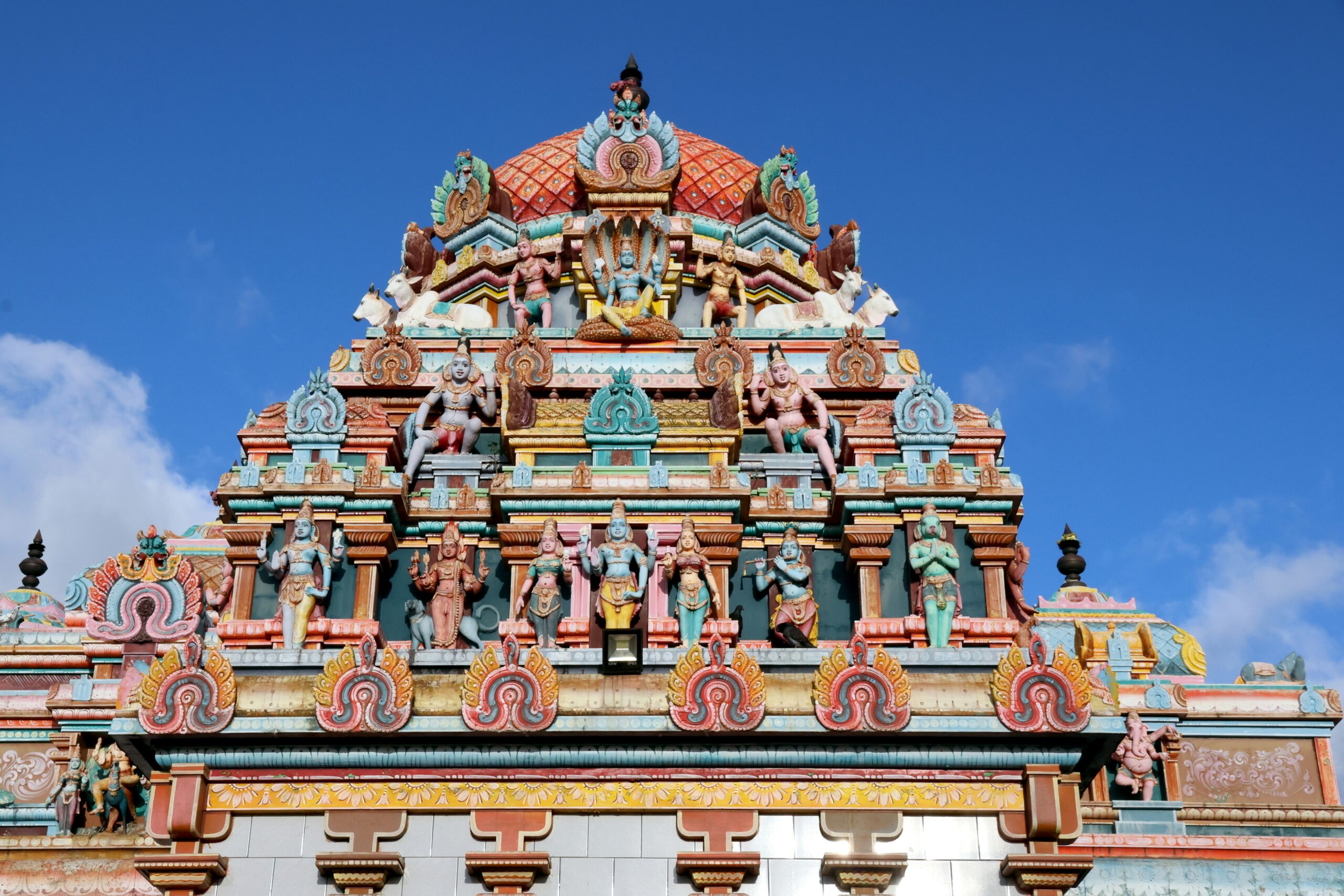
Hinduism is the largest religion in India, practiced by nearly 80% of the population. It is not a single doctrine but a collection of philosophies and traditions. Central concepts include Dharma (duty), Karma (action), and Moksha (liberation). Temples, rituals, and pilgrimages are central to daily life. Prominent Hindu texts include the Bhagavad Gita, Ramayana, and Mahabharata.
2. Islam
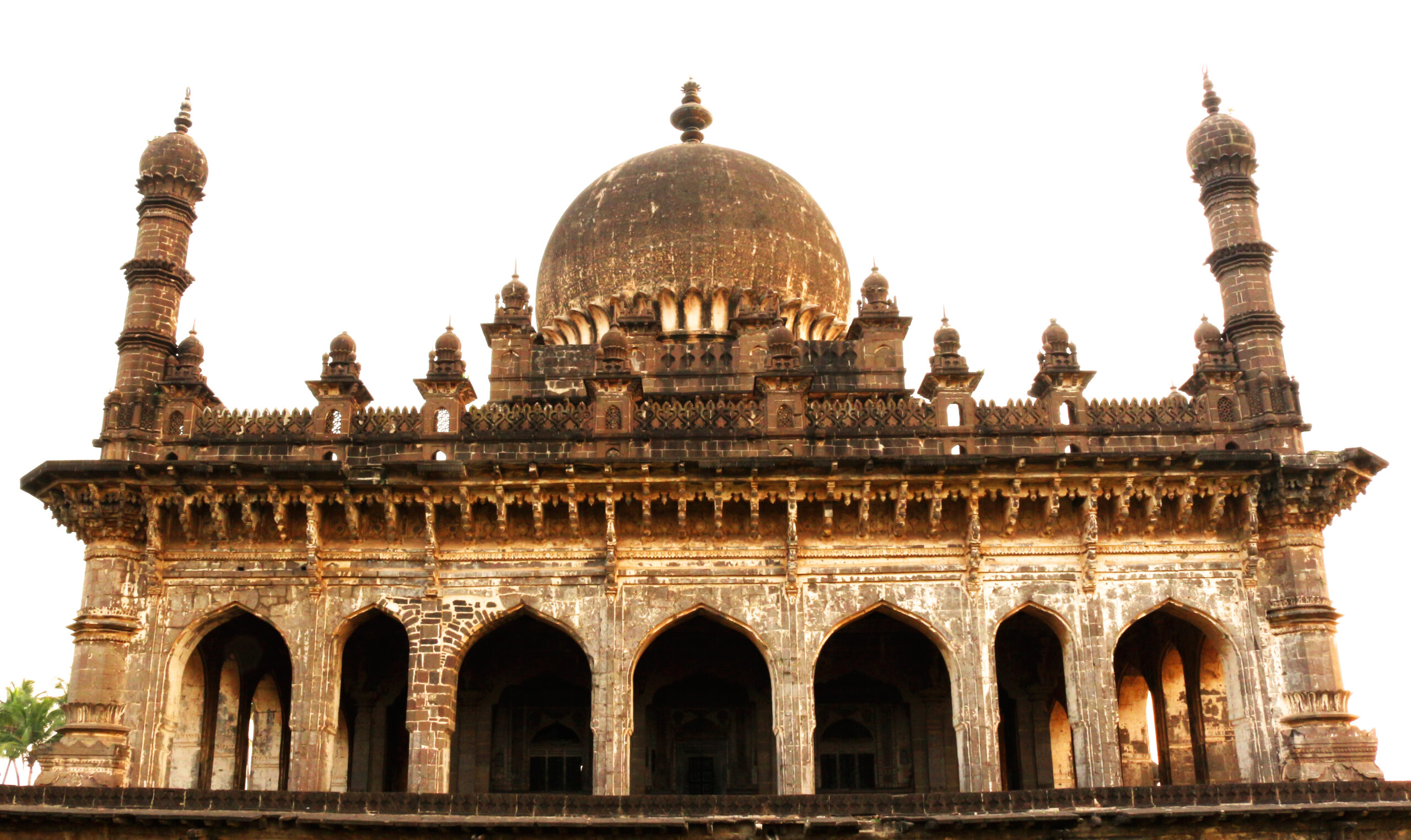
Islam is India’s second-largest religion, with rich traditions of faith and community. Introduced in the 7th century, it flourished under the Delhi Sultanate and Mughal Empire. Mosques, madrasas, and Sufi shrines form the cultural landscape. The Jama Masjid of Delhi and the Dargah of Ajmer Sharif are famous centers of devotion.
3. Christianity
Christianity has been in India since the arrival of St. Thomas the Apostle in Kerala around 52 CE. Later, Portuguese and British influences expanded it further. Today, it thrives in Kerala, Goa, and the northeastern states, known for grand churches and educational institutions.
4. Sikhism
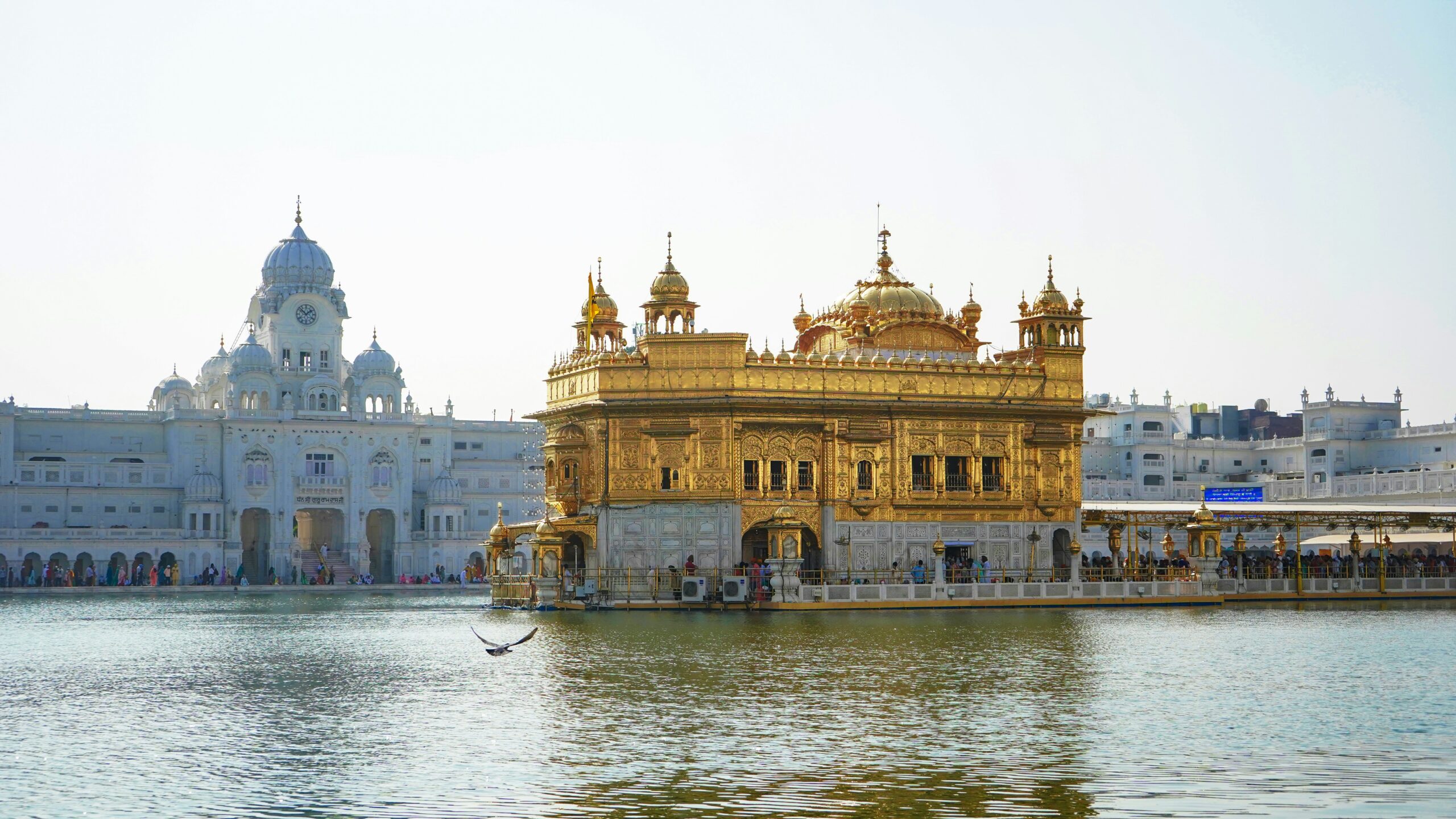
Founded in the 15th century by Guru Nanak, Sikhism emphasizes equality, service, and devotion to one God. The Golden Temple (Harmandir Sahib) is the religion’s most sacred site. The community’s langar (free meal service) embodies the spirit of selfless service.
5. Buddhism and Jainism
Buddhism and Jainism originated in India as reform movements that rejected ritualistic practices. Both stress meditation, non-violence, and ethical living. Sites like Bodh Gaya, Sarnath, and Shravanabelagola attract millions of pilgrims each year.
6. Indigenous and Tribal Faiths
India’s tribal populations follow unique animistic beliefs, nature worship, and ancestral traditions. Their rituals and dances reflect harmony with nature, emphasizing respect for forests, rivers, and animals.
Festivals — The Heartbeat of Indian Culture
Festivals are the most vibrant expression of India’s religious diversity. Every faith celebrates multiple occasions marking harvests, seasons, victories of good over evil, or saints’ anniversaries.
- Diwali: The Festival of Lights, symbolizing the triumph of light over darkness.
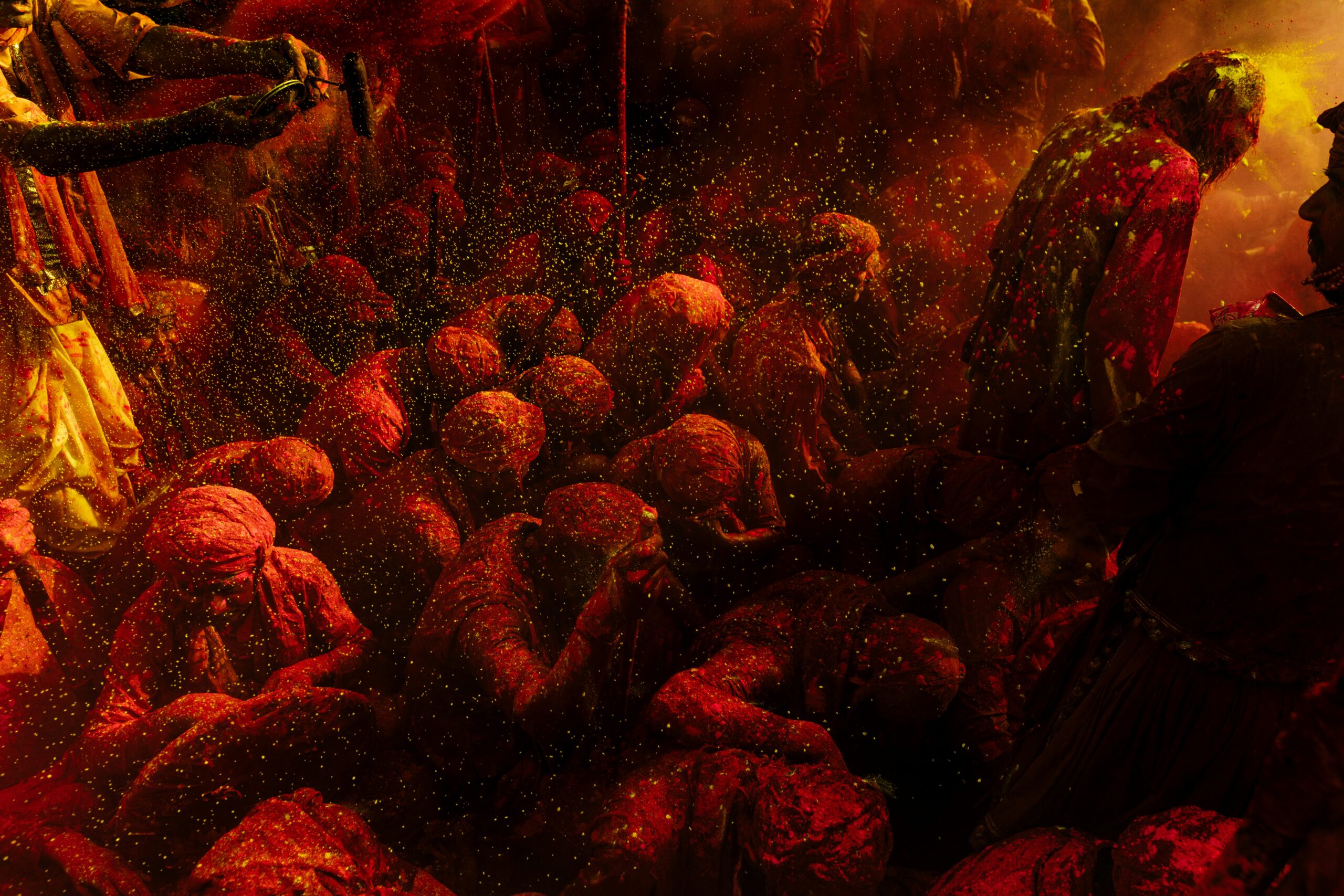
- Holi: The Festival of Colors, celebrating spring and the playful love of Lord Krishna.
- Eid: Celebrated by Muslims worldwide, marking the end of Ramadan (Eid al-Fitr) and the sacrifice of Prophet Ibrahim (Eid al-Adha).
- Christmas: Commemorating the birth of Jesus Christ, celebrated with joy, carols, and charity.
- Guru Nanak Jayanti: Honoring the birth of Guru Nanak, founder of Sikhism.
- Onam and Pongal: Harvest festivals of South India reflecting agrarian gratitude.
Pilgrimage and Sacred Geography
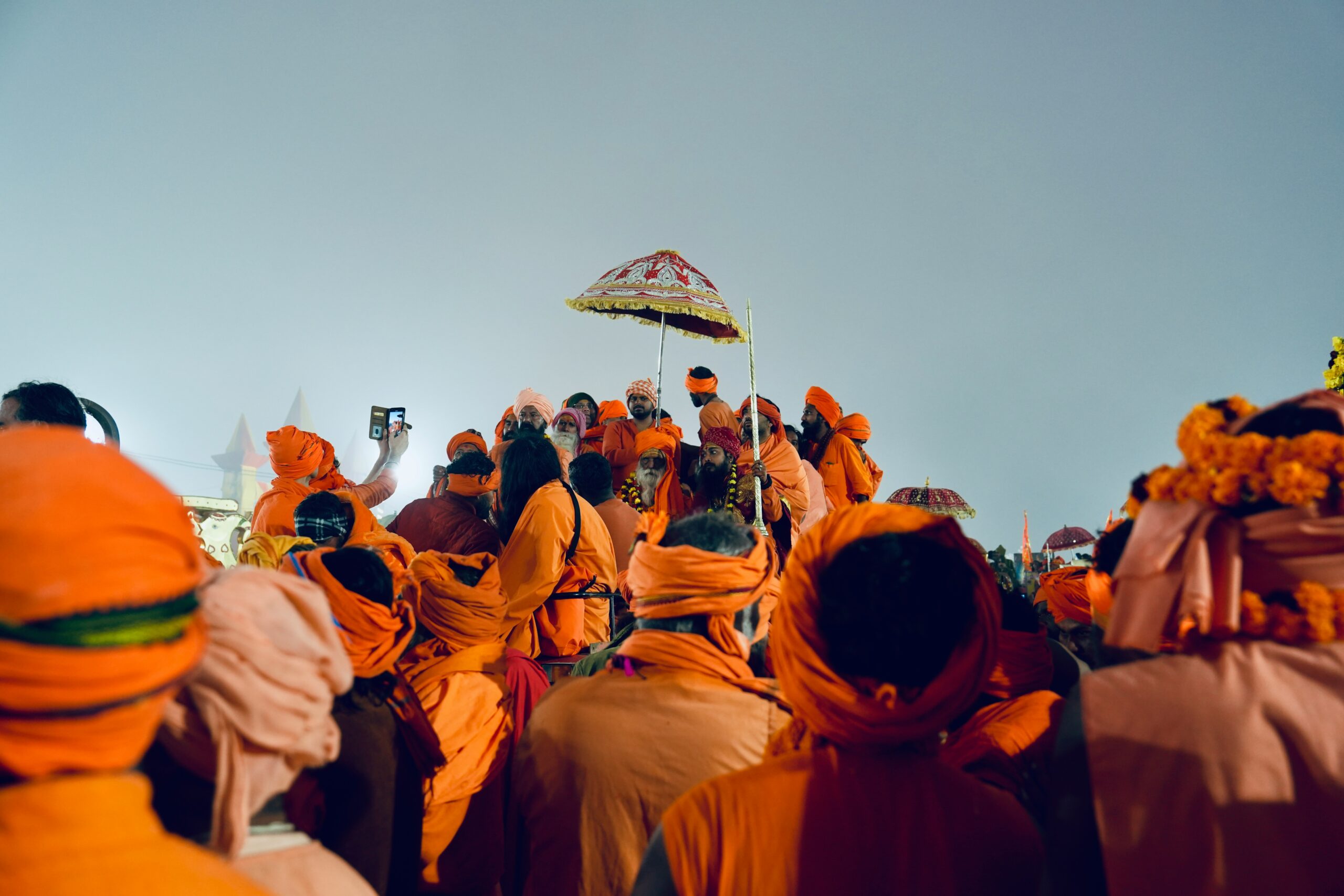
India’s sacred geography is vast — from the Himalayas to Kanyakumari. Pilgrimages are acts of devotion and purification. Hindu pilgrim routes include the Char Dham, Kashi, Rameswaram, and Jagannath Puri. The Kumbh Mela, held every 12 years, gathers millions of devotees for ritual bathing in sacred rivers.
Islamic pilgrimage centers like Ajmer Sharif and Hazrat Nizamuddin Dargah attract people of all faiths. Buddhist pilgrims travel to Bodh Gaya, Sarnath, and Kushinagar, while Christians visit Velankanni and Goa’s basilicas. Sikh pilgrims visit Amritsar, Patna Sahib, and Hemkund Sahib.
Religion in Indian Art, Music, and Architecture
Religion has deeply influenced Indian art forms. Temples, mosques, churches, and monasteries are architectural masterpieces reflecting devotion and aesthetics. The Khajuraho temples, Ajanta-Ellora caves, Mughal mosques, and South Indian gopurams stand as timeless examples.
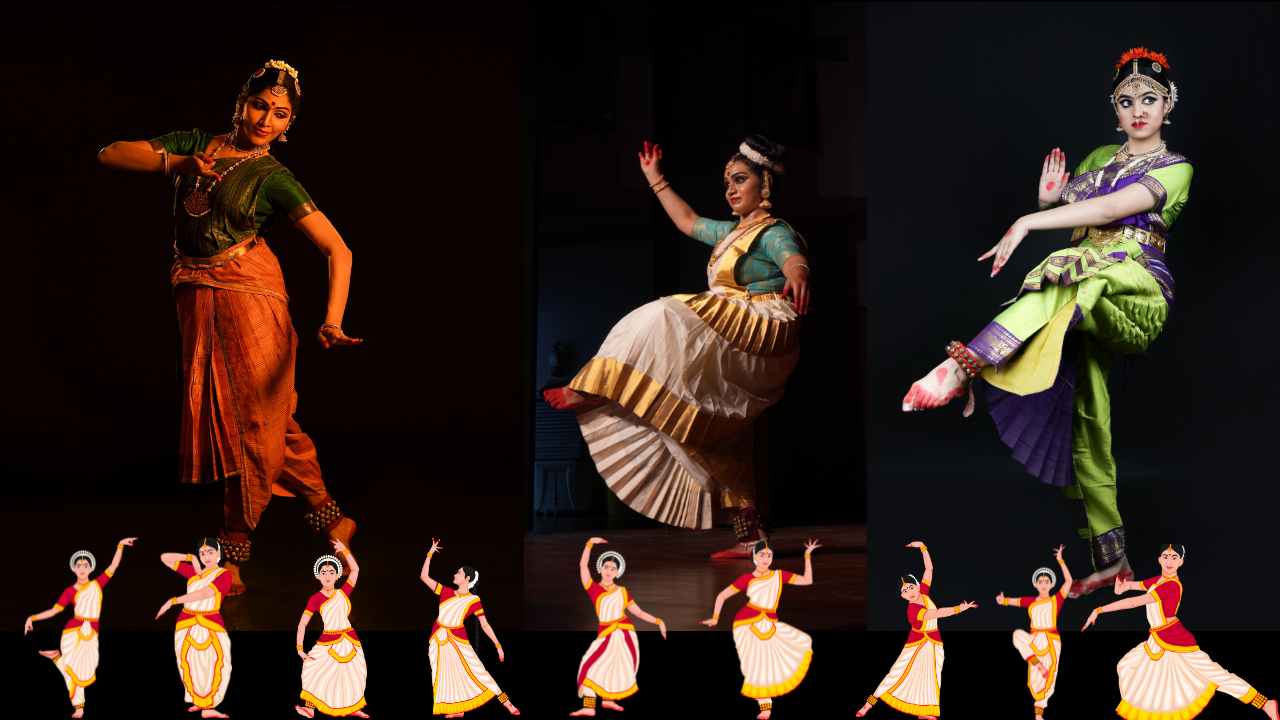
Music and dance — whether devotional bhajans, qawwalis, kirtans, or classical dance forms like Bharatanatyam and Kathak — often tell stories of gods, saints, and spiritual journeys.
Contemporary Perspectives
In modern India, religion continues to shape politics, social reform, and art. Urbanization and globalization have brought new interpretations and challenges. While interfaith harmony is celebrated, communal tensions sometimes test India’s plural fabric. Educational initiatives, youth movements, and interfaith dialogues are bridging divides.
Digital platforms now host spiritual discourses, temple livestreams, and inter-religious conversations, making faith accessible globally while preserving India’s ancient traditions in new ways.
India’s religious culture is an ever-evolving symphony of traditions, philosophies, and rituals. Despite differences, a shared sense of reverence for the divine unites its people. The peaceful coexistence of multiple faiths is India’s greatest spiritual gift to the world — a living example of “Unity in Diversity.”