“Was Mohenjodaro's city planning more advanced than today's smart cities?”
🕰️ A Walk Through Mohenjo-Daro: More Than Just Ruins
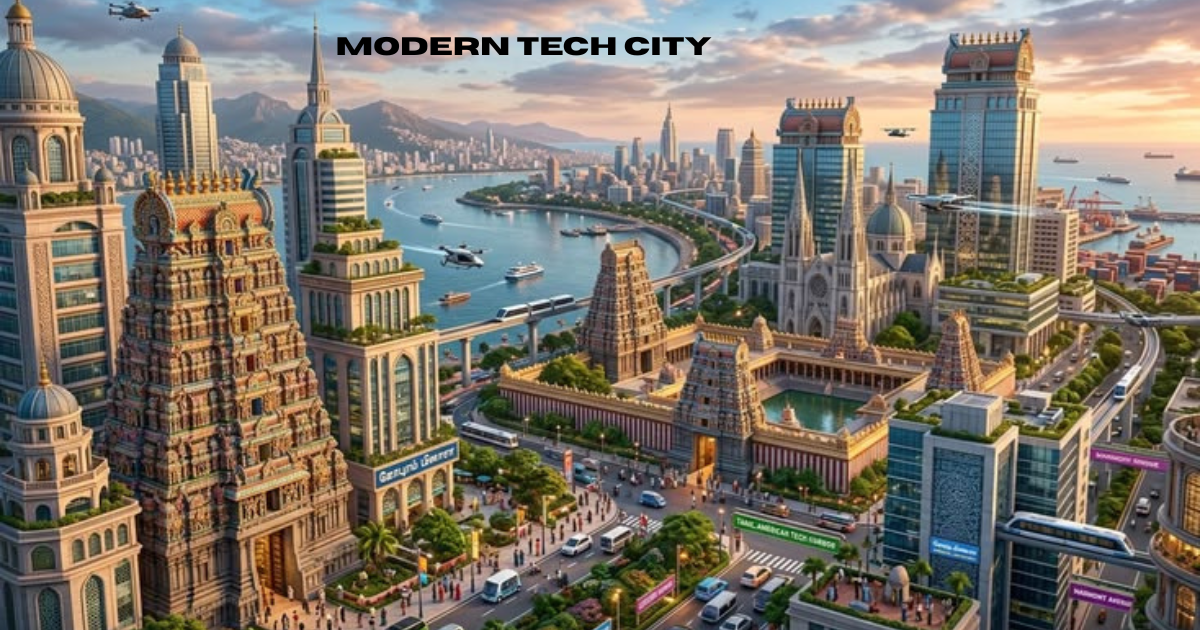
Imagine walking down a straight, broad street 4,500 years ago. Beneath your feet, a sophisticated network of covered drains carries wastewater away from every house. On both sides, brick homes rise two stories high, each with its own well and bathroom. This wasn't a futuristic dream – it was everyday life in Mohenjo-Daro, one of the greatest cities of the Indus Valley Civilization. And today, when we talk about "smart cities" with AI and sensors, a surprising question emerges: Was Mohenjo-Daro’s urban planning actually more advanced than modern smart cities? Let's explore with an honest, human lens.
🏙️ 1. Grid Streets & Order – The Art of Simplicity
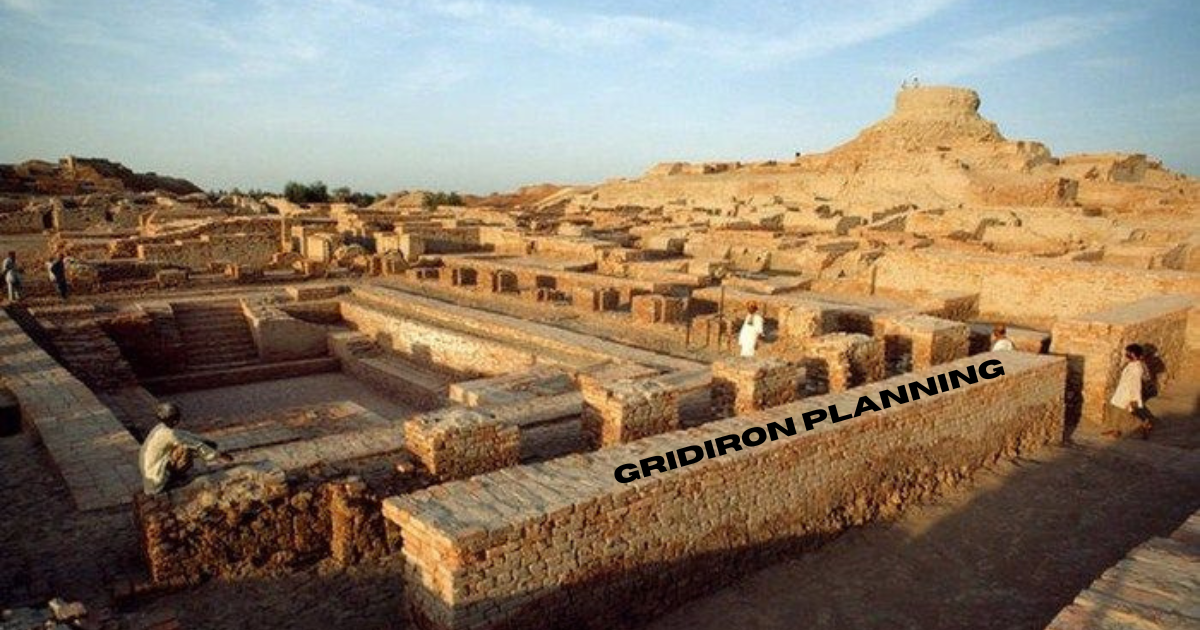
Mohenjo-Daro was built on a precise grid system with main avenues 10 meters wide, intersecting at right angles. The city had distinct zones: a raised citadel (for public rituals) and a lower residential area. Every house was made of standardized burnt bricks, so strong that many walls still stand today. Compare this to many modern cities where unplanned growth leads to traffic chaos and narrow, suffocating lanes. Even our so-called “smart cities” often inherit old, congested layouts and try to patch them with digital overlays. Mohenjo-Daro shows us that true intelligence lies in preventive design – wide streets, solar orientation, and easy mobility.
💧 2. The Drainage System That Defeats Time
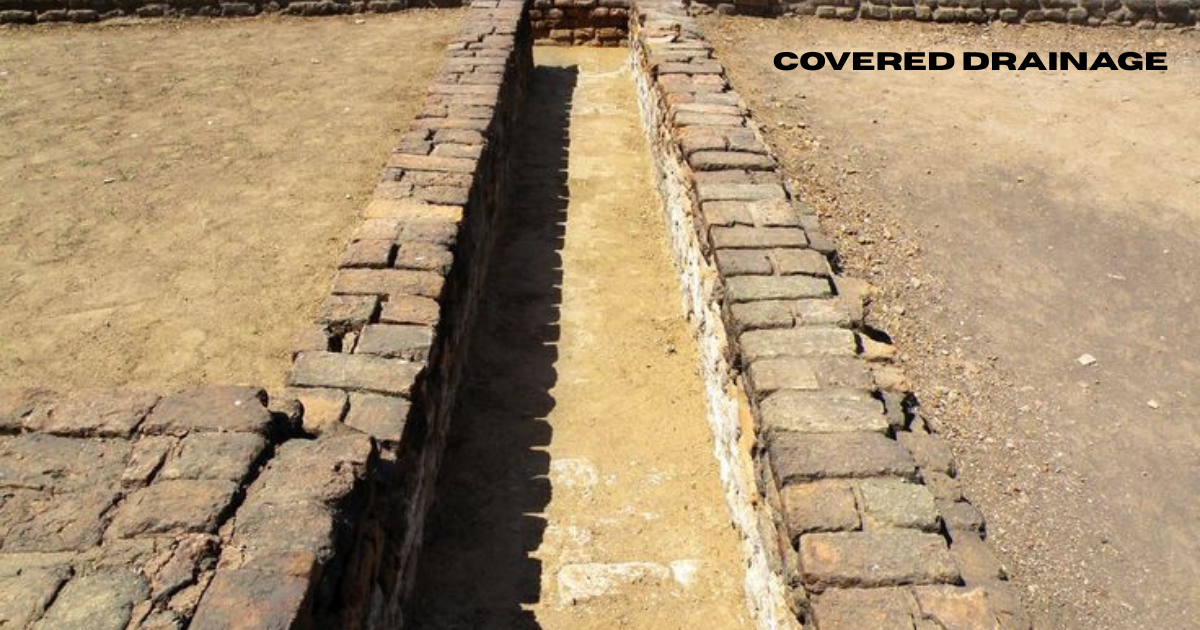
Let's talk toilets. In Mohenjo-Daro, almost every home had a private bathroom and toilet connected to an underground sewer system. The main drains were large enough for a person to walk through for cleaning – with manholes at regular intervals! This level of sanitation was not seen again until the 19th century in London. Today, many fast-growing smart cities struggle with open drains, waterlogging, and pollution. Yes, we have sensors to monitor sewage, but a huge portion of urban India still lacks what Mohenjo-Daro gave every citizen 4,500 years back: 100% covered sanitation. That’s the real benchmark of smartness.
🌍 3. Water Management & Climate Resilience (Human Touch)
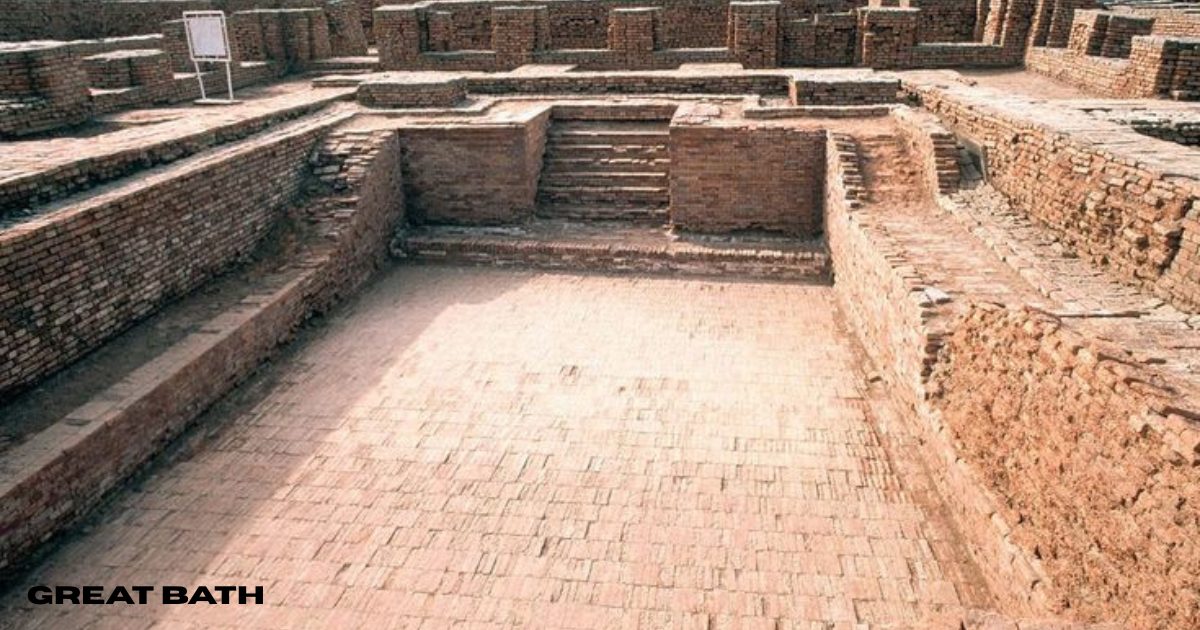
Over 700 wells supplied fresh water across Mohenjo-Daro – that's more wells per square kilometer than any pre-modern city. Rainwater was harvested, and the famous Great Bath showed a community that valued both hygiene and social gathering. In today's smart cities, we face water scarcity, groundwater depletion, and energy-guzzling desalination plants. The Harappans didn't need solar panels to practice sustainability; they simply aligned buildings to catch cool winds and used thick mud-brick walls for insulation. Our modern smart cities are rediscovering “passive cooling” – but Mohenjo-Daro already perfected it when the pyramids were being built.
⚖️ 4. Equality: A Forgotten Smart Parameter
One beautiful aspect of Mohenjo-Daro is the absence of extreme wealth segregation. Rich and ordinary houses followed similar layouts, with similar access to baths, wells, and drainage. Compare this with smart city projects that often create tech-enabled bubbles for the rich while slums remain disconnected. True progress should be inclusive. The Indus people understood that a city is smart only if the last citizen lives with dignity. That human touch is a lesson we desperately need today.
📜 5. Trade, Standardization & Governance
Mohenjo-Daro was part of a vast trade network stretching to Mesopotamia. They used standardized weights and measures – a hallmark of a well-governed, intelligent economy. The famous seals (with animal motifs and undeciphered script) were like digital IDs of that era, used to stamp goods and ensure authenticity. In comparison, our smart cities are experimenting with blockchain and IoT, but the core idea of trust and standardization was already present in the Indus civilization. Sometimes, the “smart” part is not about technology but about efficient systems that people trust.
⏳ Key Events & Timeline: The Rise and Wisdom of Mohenjo-Daro
- 🔹 3300 BCE – Early Indus settlements take shape
- 🔹 2600 BCE – Mature Harappan phase: Mohenjo-Daro grid plan & drainage
- 🔹 2500 BCE – Great Bath constructed, peak hygiene systems
- 🔹 2300 BCE – Extensive trade with Mesopotamia & Oman
- 🔹 1900 BCE – Climate shifts and river drying lead to decline
- 🔹 1922 CE – Mohenjo-Daro discovered by Rakhal Das Banerji
- 🔹 1980 CE – UNESCO World Heritage Site recognition
- 🔹 2015 – India’s Smart Cities Mission launched (seeks inspiration from ancient planning)
This timeline reminds us that great civilizations fade, but their ideas remain. The planners of Mohenjo-Daro didn't have computers, yet they built a city more equitable and clean than many modern metropolises.
📌 Final Verdict: Ahead of Its Time?
If we define “advance” purely by digital technology, Mohenjo-Daro loses. But if we define it by sustainability, universal access to hygiene, climate adaptation, and social equality – then the answer is an emphatic YES. Many modern smart cities are still struggling to achieve what Mohenjo-Daro gave its people: clean water for every home, covered drainage, walkable neighborhoods, and a deep respect for the environment. The real smart city of tomorrow won't just be packed with sensors; it will learn from the human-centred, low-carbon wisdom of Mohenjo-Daro.
🕰️ मोहेंजोदडोच्या रस्त्यांवरून एक चाल: फक्त अवशेष नव्हे
कल्पना करा, ४५०० वर्षांपूर्वी तुम्ही एका रुंद, सरळ रस्त्यावर चालत आहात. पायाखाली घाणपाणी वाहून नेण्यासाठी झाकलेली गटारे आहेत. दुतर्फा विटांची दुमजली घरे, प्रत्येक घरात विहीर व स्नानगृह. हे स्वप्न नव्हे – हे मोहेंजोदडोचे रोजचे जीवन होते. आज आपण 'स्मार्ट सिटी' बोलतो, पण प्रश्न पडतो: मोहेंजोदडोची शहररचना आजच्या स्मार्ट शहरांपेक्षा खरोखर प्रगत होती का? चला, माणुसकीच्या नजरेतून पाहू.
🏙️ १. ग्रीड रस्ते व सुव्यवस्था – साधेपणातील स्मार्टपणा
मोहेंजोदडो अचूक आयताकृती नियोजनावर बांधले होते. रस्ते १० मीटर रुंद, एकमेकांना काटकोनात भेटणारे. शहराचे दोन भाग: उंचवट्यावर किल्ला व खाली वस्ती. प्रत्येक घर मापबद्ध भाजलेल्या विटांनी बांधलेली. आज अनेक शहरे अनियोजित वाढीमुळे अरुंद गल्ल्यांनी, वाहतूक कोंडीने ग्रस्त आहेत. स्मार्ट सिटी म्हणून डिजिटल पॅचवर्क करतो, पण मोहेंजोदडोने दाखवले की खरी बुद्धिमत्ता प्रतिबंधात्मक रचनेत आहे – रुंद रस्ते, सूर्यप्रकाश, सहज हालचाल.
💧 २. निचरा प्रणाली – काळाला वरचढ
मोहेंजोदडोमध्ये प्रत्येक घरात स्वतंत्र स्नानगृह व शौचालय होते, जे जमिनीखालील गटाराशी जोडलेले होते. प्रमुख नाल्या इतक्या रुंद होत्या की स्वच्छतेसाठी माणूस आत उतरू शके; नियमित अंतरावर मॅनहोल होते. १९व्या शतकापर्यंत जगात अशी व्यवस्था नव्हती. आजच्या स्मार्ट सिटीतही सांडपाणी आणि पूर येण्याचे प्रश्न आहेत. आपल्याकडे सेन्सर आहेत, पण मोहेंजोदडोने दरडोई १००% आच्छादित स्वच्छता ४५०० वर्षांपूर्वी दिली. तीच खरी 'स्मार्ट' कसोटी.
🌍 ३. जलव्यवस्थापन व हवामान लवचिकता
मोहेंजोदडोत ७०० पेक्षा अधिक विहिरी होत्या – जगातील कोणत्याही प्राचीन शहरापेक्षा अधिक. पावसाचे पाणी साठवले जात असे. 'ग्रेट बाथ' केवळ स्नानासाठी नव्हे, तर सामाजिक आणि धार्मिक केंद्र होते. आता आपण हरित इमारती, पॅसिव्ह कूलिंग शिकत आहोत, पण मोहेंजोदडोने जाड मातीच्या विटा व वाऱ्याची दिशा ठरवून हे सहज साध्य केले. पाण्याची टंचाई, भूजल पातळी घसरण – आधुनिक स्मार्ट सिटी अजूनही संघर्ष करत आहे.
⚖️ ४. समानता – विसरलेला स्मार्ट निकष
मोहेंजोदडोतील एक गोड वैशिष्ट्य म्हणजे अतिश्रीमंत व गरीब अशी तीव्र विभागणी नव्हती. श्रीमंत आणि सामान्य घरांची रचना सारखी, विहीर व स्नानगृह समान प्रवेश. आजच्या स्मार्ट सिटी प्रकल्पात अनेकदा तंत्रज्ञानाचे बब्बल फक्त उच्चवर्गाला मिळतात, तर झोपडपट्ट्यांकडे दुर्लक्ष होते. खरी प्रगती समावेशक असते – आणि हे मोहेंजोदडोने शिकवले.
📜 ५. व्यापार, प्रमाणीकरण आणि प्रशासन
मोहेंजोदडो मेसोपोटेमियापर्यंत व्यापार जाळ्याचा भाग होता. प्रमाणित वजने व मापे, शिक्के (seals) यावरून सुव्यवस्थित अर्थव्यवस्था दिसते. ब्लॉकचेन आणि IoT चे प्रयोग आपण आज करतो, पण विश्वासार्ह प्रणालीचा पाया हडप्पाने घातला होता. कधीकधी स्मार्टपणा म्हणजे तंत्रज्ञान नव्हे – तर कार्यक्षम, प्रामाणिक व्यवस्था.
⏳ महत्त्वाच्या घटना: मोहेंजोदडोचा उदय आणि ज्ञानपरंपरा
- 🔹 ३३०० BCE – सुरुवातीची सिंधू वसाहत
- 🔹 २६०० BCE – प्रौढ हडप्पा काळ, ग्रीड व निचरा
- 🔹 २५०० BCE – ग्रेट बाथ व निचरा परिपूर्ण
- 🔹 २३०० BCE – मेसोपोटेमियाशी भरभराटीचा व्यापार
- 🔹 १९०० BCE – हवामान बदलामुळे अधोगती
- 🔹 १९२२ CE – राखालदास बॅनर्जी यांनी मोहेंजोदडो शोधले
- 🔹 १९८० CE – युनेस्को जागतिक वारसा स्थळ
- 🔹 २०१५ – भारताचे स्मार्ट सिटी मिशन (प्राचीन नियोजनापासून प्रेरणा)
📌 अंतिम निकाल: खरोखर अधिक प्रगत?
फक्त डिजिटल तंत्रज्ञानाच्या कसोटीवर मोहेंजोदडो मागे. पण जर आपण शाश्वतता, सर्वांना स्वच्छता, हवामानशी जुळवून घेण्याची क्षमता, सामाजिक समता हे निकष वापरले तर उत्तर होय – मोहेंजोदडो आजच्या अनेक स्मार्ट शहरांपेक्षा पुढे होते. उद्याची खरी स्मार्ट सिटी फक्त सेन्सरनी भरलेली नाही तर मोहेंजोदडोच्या माणूसकेंद्रित, कमी-कार्बन ज्ञानातून शिकेल.